
How are magnetostrictive sensors applied in smart waste sorting systems?
Introduction to Magnetostrictive Sensing Technology
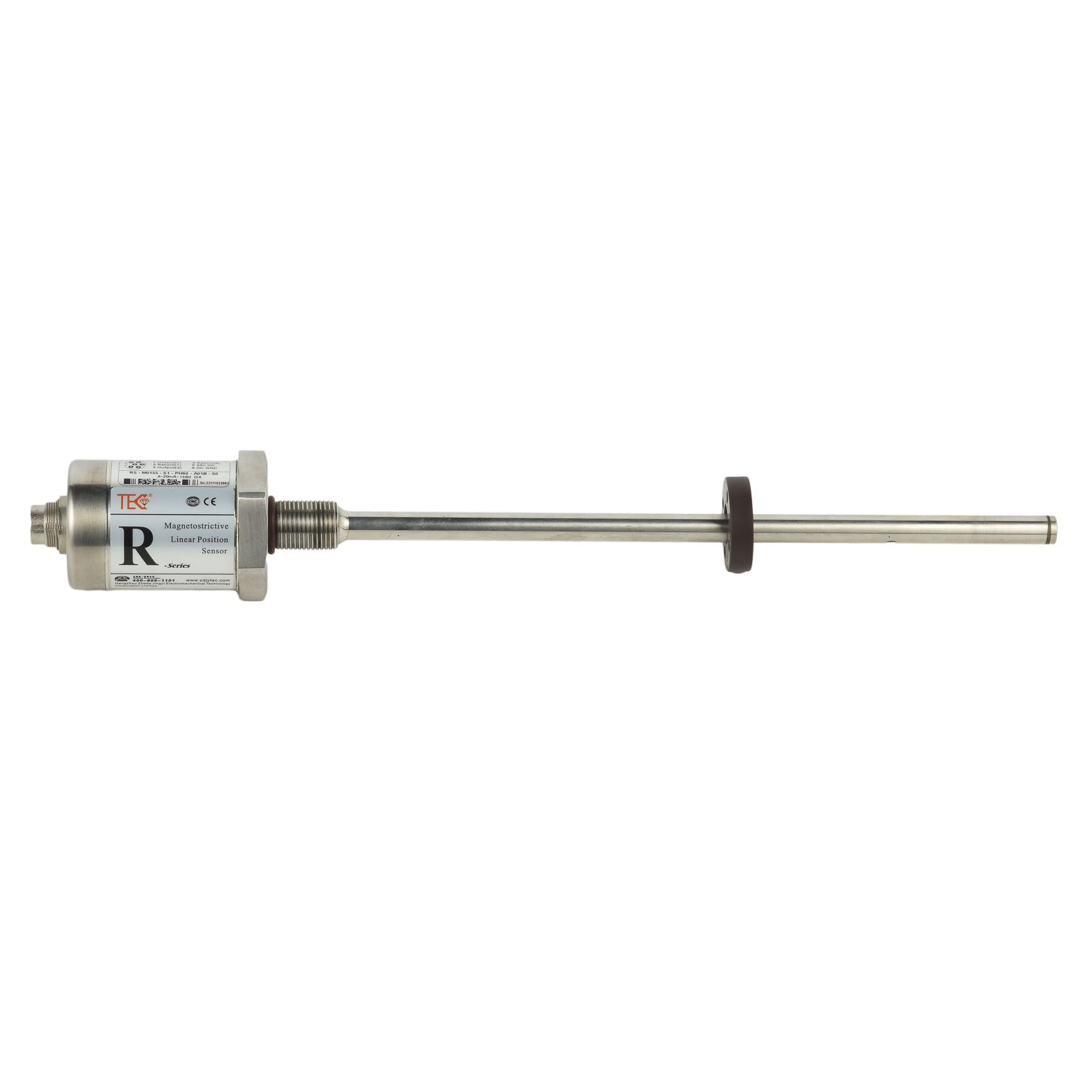
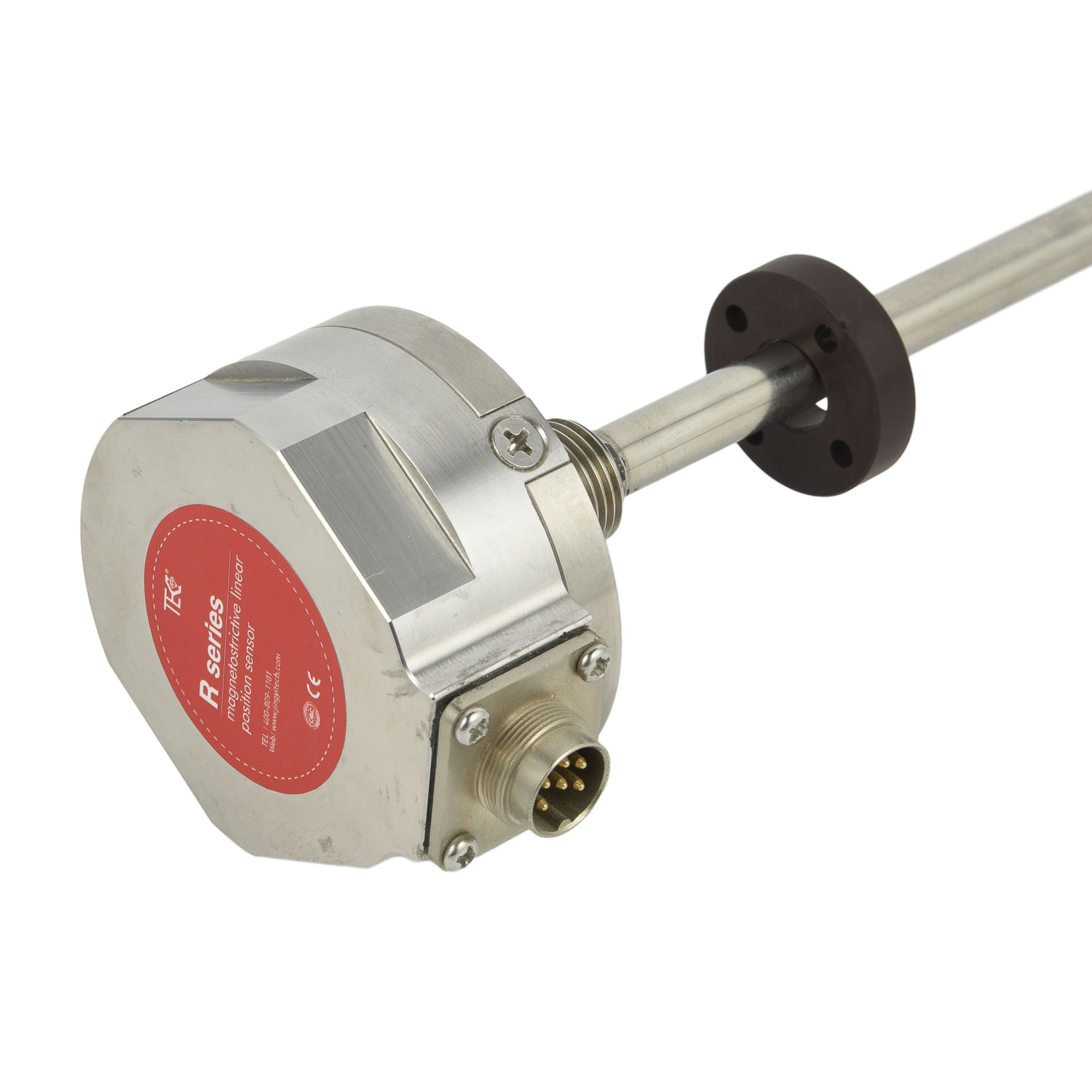
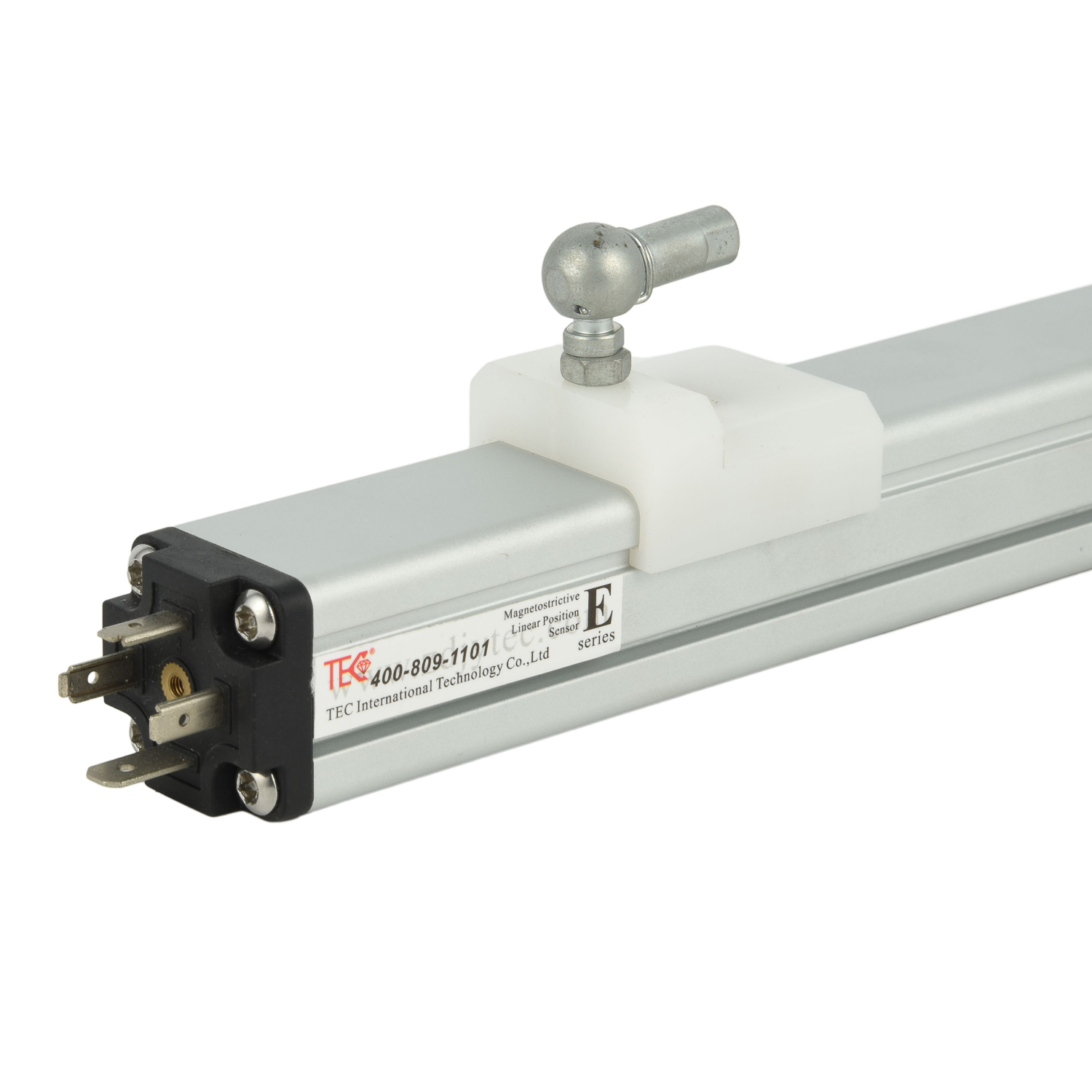
Magnetostrictive sensors represent a sophisticated class of transducers that operate on the principle of magnetostriction—the phenomenon where certain materials change their shape or dimensions in the presence of a magnetic field. In industrial applications, these sensors are prized for their exceptional precision, reliability, and ability to function in harsh environments. They typically consist of a waveguide made from a magnetostrictive material and a movable permanent magnet. When a current pulse is sent through the waveguide, it interacts with the magnetic field from the permanent magnet, generating a torsional stress wave. The time taken for this wave to travel back to a detector is measured, providing highly accurate data on the position of the magnet. This fundamental capability makes them ideal for precise measurement and detection tasks, forming the bedrock of their application in advanced systems like automated waste sorting.
The Role of Sensors in Modern Waste Management
The transition towards smart cities has necessitated the development of intelligent waste management systems. Traditional methods of waste collection, often based on fixed schedules, are inefficient, leading to overflowing bins, unnecessary collection trips, and increased operational costs. Smart waste sorting systems address these challenges by leveraging sensor technology to bring data-driven decision-making to the forefront. Sensors act as the nervous system of these smart bins and sorting facilities, providing real-time data on various parameters. This data is crucial for optimizing collection routes, managing bin capacity, and ensuring that the sorting process is both efficient and effective. By integrating sensors, municipalities and waste management companies can significantly reduce their environmental footprint and operational expenses.
Specific Applications in Fill-Level Monitoring
One of the most direct applications of magnetostrictive sensors in smart waste sorting is in fill-level monitoring within smart bins and large containers. A magnetostrictive position sensor can be integrated into the bin's mechanism to track the height of the waste pile. As waste accumulates, a float or a plate equipped with a permanent magnet rises. The sensor accurately measures the position of this magnet, translating it into a precise fill-level percentage. This real-time data is then transmitted via IoT networks to a central management platform. This allows for dynamic waste collection scheduling, ensuring that trucks are only dispatched when bins are near capacity. This application eliminates unnecessary collections, reduces fuel consumption, and prevents public health issues associated with overflow.
Enhancing Object Detection and Sorting Accuracy
Beyond simple fill-level monitoring, magnetostrictive sensors play a critical role in the actual sorting process within automated recycling facilities. Here, their high precision is utilized for object detection and positioning on conveyor belts. For instance, a sensor can be used to precisely determine the position of a robotic arm or a separation mechanism. When a target material, such as a metal can, passes a detection point, the magnetostrictive sensor provides the exact location data required for the robotic sorter to activate at the correct moment. This ensures accurate separation of different types of waste, such as metals, plastics, and paper, thereby dramatically increasing the purity of sorted materials and the overall efficiency of the recycling stream.
Operational Efficiency and System Longevity
The integration of magnetostrictive sensors contributes significantly to the overall operational efficiency and longevity of smart waste sorting systems. Their robust design allows them to withstand the demanding conditions of waste handling, including dust, moisture, and mechanical vibrations, where other sensors might fail. This durability minimizes maintenance requirements and downtime. Furthermore, the data they provide enables predictive maintenance models; by monitoring the operational parameters of sorting machinery, potential failures can be identified before they cause a breakdown. The cumulative effect is a waste management system that is not only smarter but also more cost-effective and reliable over the long term, maximizing the return on investment for operators.
Future Prospects and Conclusion
The future of smart waste management is inextricably linked to the advancement of sensor technology. As magnetostrictive sensors continue to evolve, offering even greater accuracy and integration capabilities with AI and machine learning platforms, their role will expand. Future applications may include more nuanced identification of waste materials and fully autonomous sorting decisions. In conclusion, magnetostrictive sensors are a pivotal technology driving the revolution in smart waste sorting. By providing unparalleled precision in fill-level monitoring and object detection, they lay the foundation for a more sustainable, efficient, and intelligent approach to managing the world's waste, turning a logistical challenge into an opportunity for innovation.
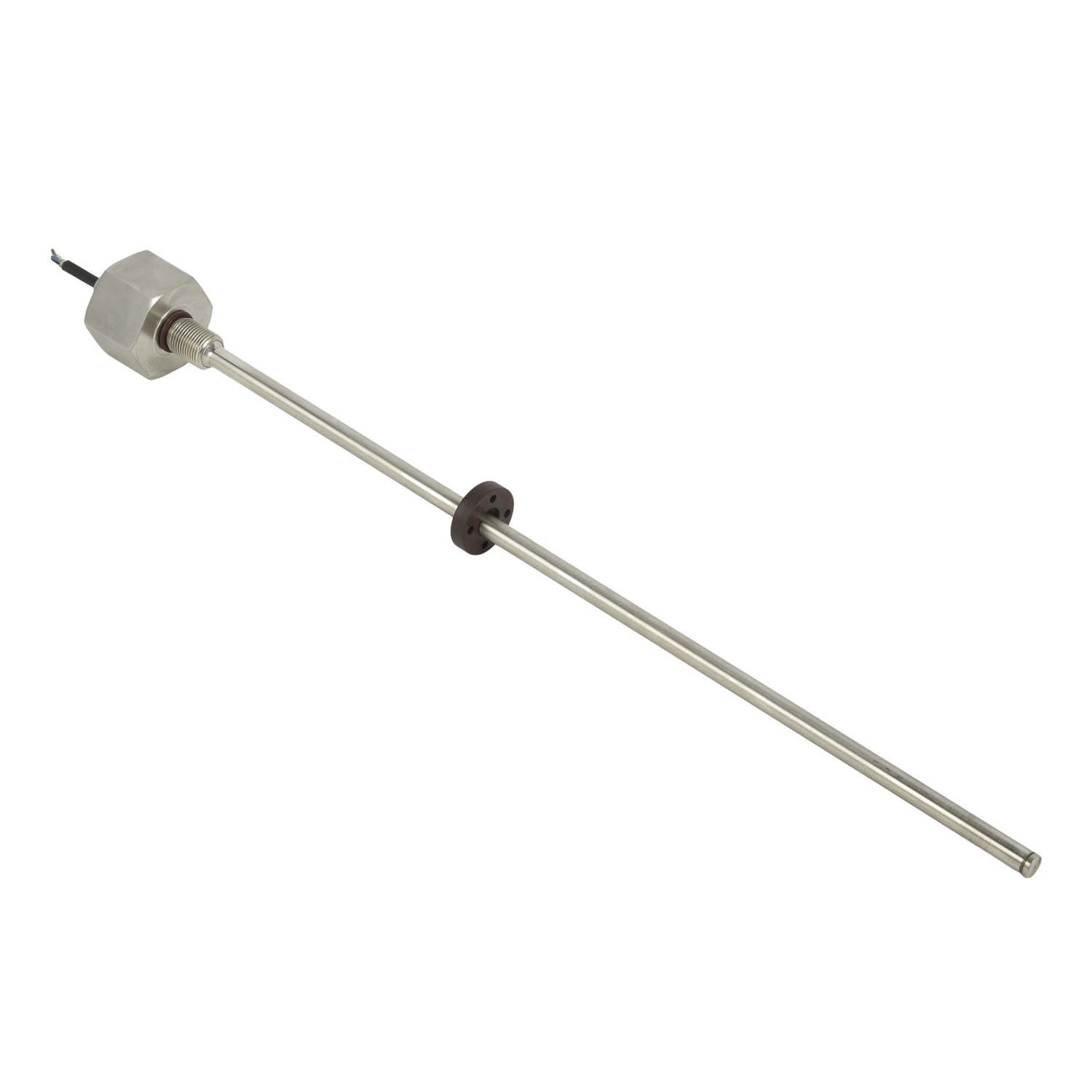
 Magnetostrictive Level Gauge
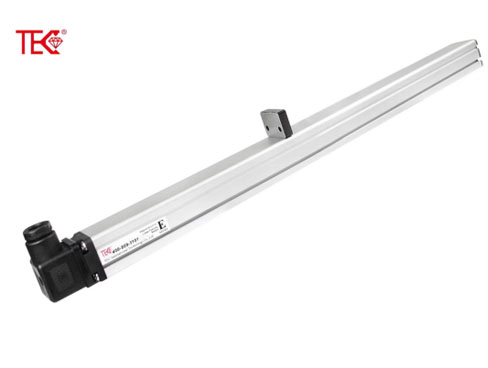 Magnetostrictive Displacement
 Field Application of Magnetost
 Model and Specification of Mag