
What quick-deployment options exist for magnetostrictive sensors?
Understanding Magnetostrictive Sensor Technology
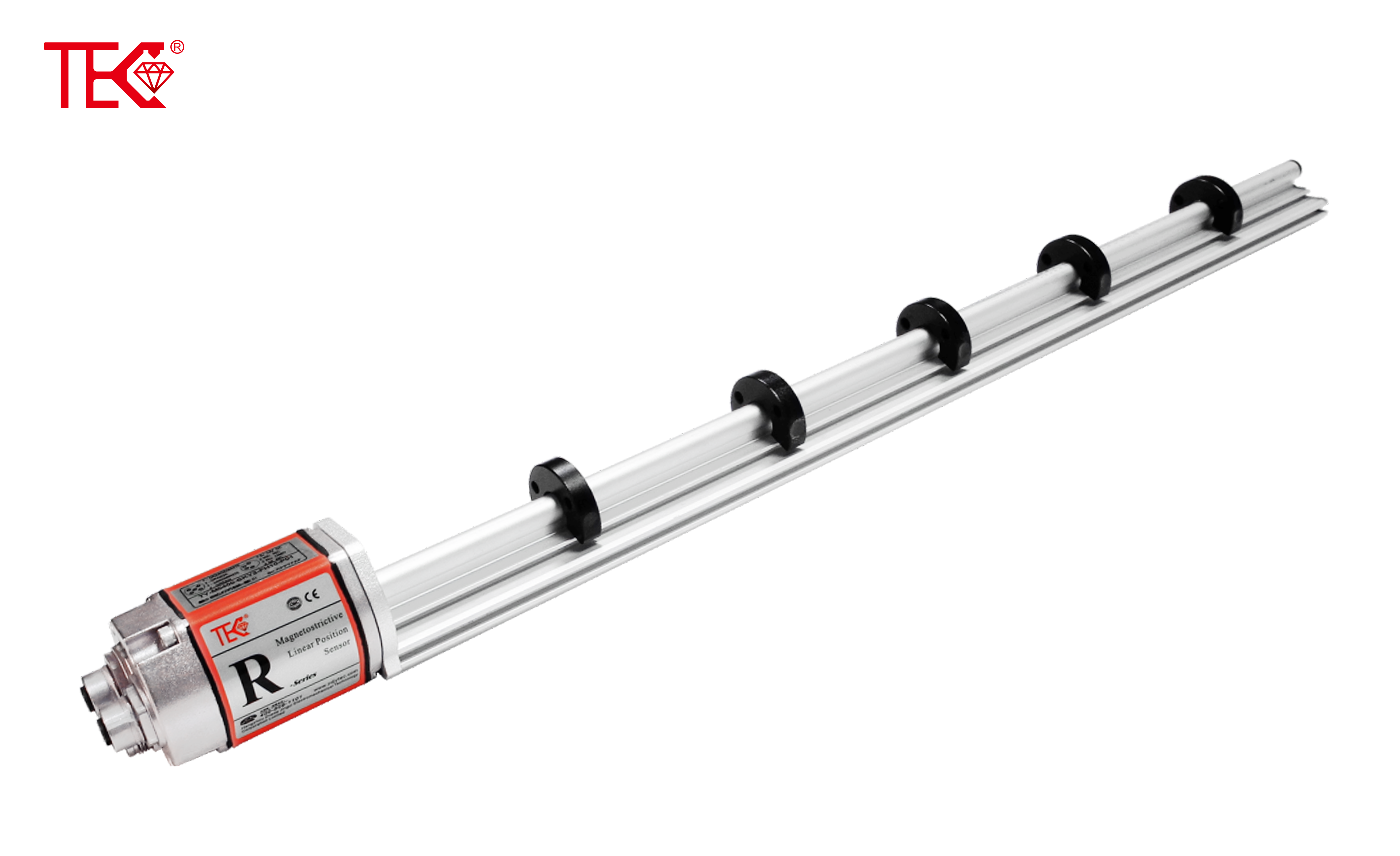
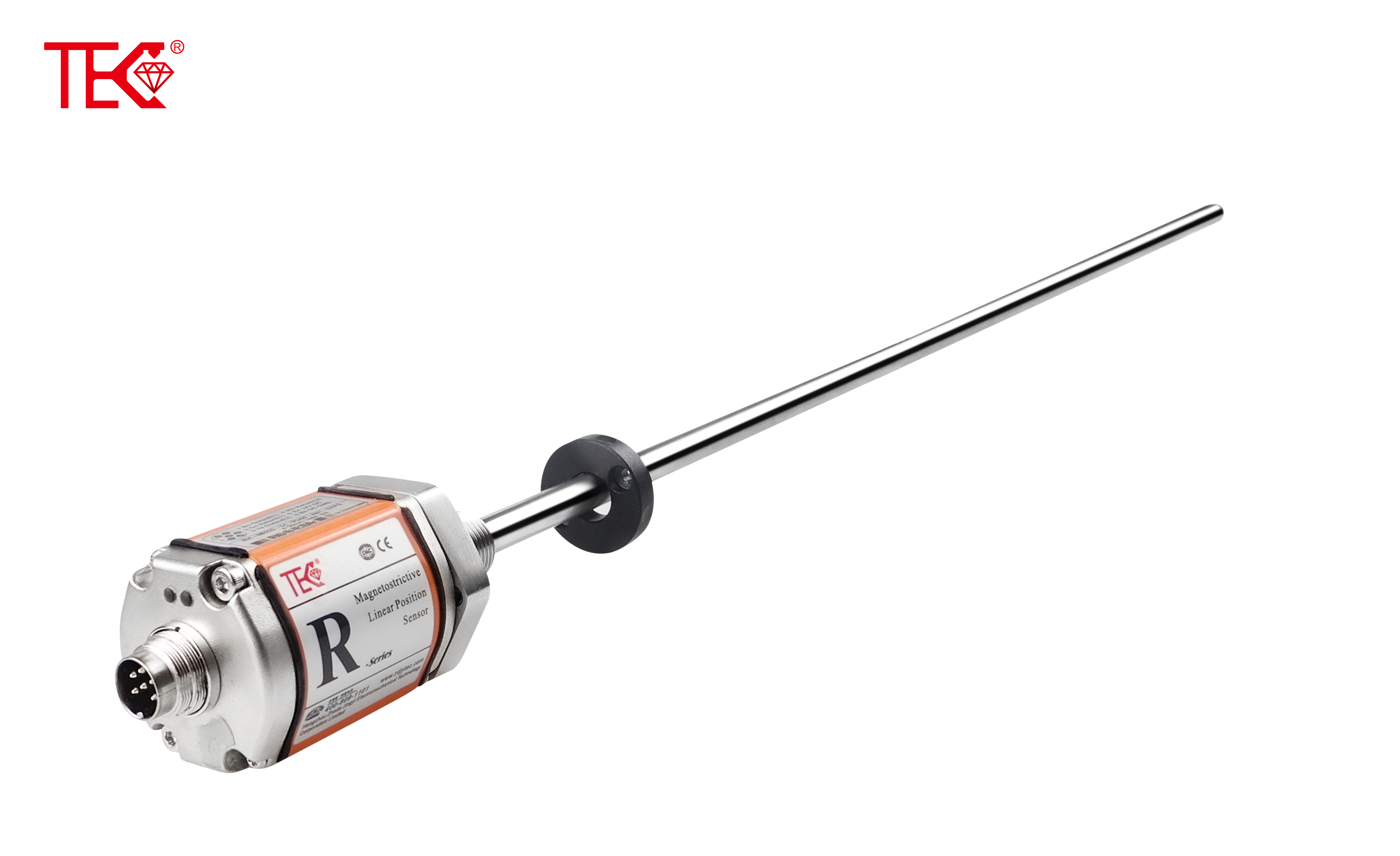
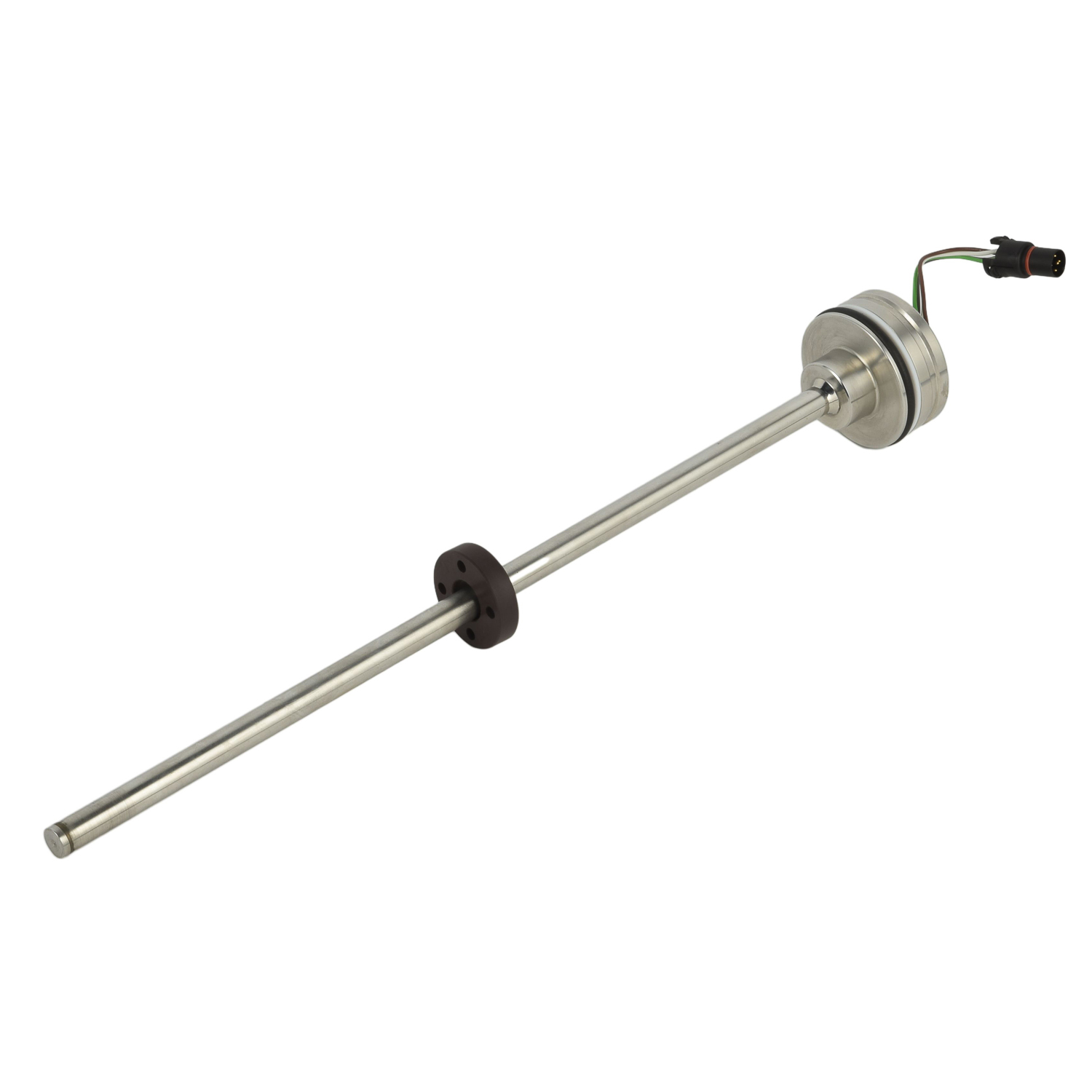
Magnetostrictive sensors represent advanced measurement technology that utilizes the magnetostrictive principle to deliver highly accurate position and level measurements. These sophisticated devices work by generating a torsional stress wave when two magnetic fields interact - one from a permanent magnet in the float and another from an electrical pulse in the waveguide. The time difference between the pulse sent and the wave received determines the precise position of the magnet, enabling exceptional measurement accuracy down to micrometer levels. This technology has become indispensable across numerous industries including manufacturing, oil and gas, chemical processing, and water treatment facilities where precise liquid level monitoring is critical for operational efficiency and safety compliance.
Rapid Installation Techniques for Immediate Deployment
Modern magnetostrictive sensors feature innovative designs that significantly reduce installation time and complexity. Many manufacturers now offer quick-connect fittings and standardized mounting arrangements that eliminate the need for specialized tools or extensive calibration procedures. These rapid installation systems often incorporate plug-and-play functionality with color-coded connectors and intuitive mounting brackets that can be adapted to various tank configurations. Field technicians can typically complete installations within minutes rather than hours, minimizing downtime and labor costs. The latest designs also include self-aligning components that ensure proper orientation without requiring precise measurements or complex alignment procedures during installation.
Non-Invasive Deployment Options for Existing Systems
For applications where system shutdowns are impractical or prohibitively expensive, non-invasive magnetostrictive sensor deployment provides an ideal solution. External-mounted sensors utilizing advanced ultrasonic or electromagnetic coupling techniques can be installed without process interruption or vessel penetration. These systems employ sophisticated signal processing algorithms to accurately measure levels through tank walls while maintaining the integrity of contained materials. Non-invasive deployment is particularly valuable in sterile environments, hazardous material containment, and high-pressure systems where traditional installation methods would compromise safety or product quality. Recent advancements have improved the accuracy of these external measurement systems, making them viable alternatives to internally-mounted sensors in many applications.
Modular and Pre-Configured Sensor Solutions
The emergence of modular magnetostrictive sensor systems has revolutionized deployment flexibility in industrial settings. Manufacturers now offer pre-configured sensor packages tailored to specific application requirements, complete with calibrated components and pre-assembled mounting hardware. These modular solutions feature standardized interfaces that allow for quick component replacement and easy scalability as measurement needs evolve. Many systems incorporate interchangeable sensing elements, signal conditioning modules, and output options that can be mixed and matched without requiring complete system redesign. This modular approach not only accelerates deployment but also simplifies maintenance and future upgrades, providing long-term operational benefits beyond initial installation efficiency.
Wireless and Battery-Powered Deployment Advantages
Wireless magnetostrictive sensor technology represents the cutting edge of quick-deployment solutions, eliminating the need for complex wiring infrastructure and conduit installation. These self-contained units incorporate long-life battery power and robust wireless communication protocols such as WirelessHART or ISA100.11a, enabling installation in remote or difficult-to-access locations. The absence of physical wiring not only reduces installation time by up to 70% but also significantly lowers overall project costs associated with cable trays, conduits, and wiring labor. Modern wireless sensors can operate for years on single battery charges while maintaining reliable communication with control systems, making them ideal for temporary monitoring applications or permanent installations in expanding facilities.
Integration with Existing Control and Monitoring Systems
Seamless integration capabilities form a crucial aspect of rapid magnetostrictive sensor deployment in industrial environments. Contemporary sensors feature standardized communication protocols including 4-20mA analog outputs, HART, PROFIBUS, and Foundation Fieldbus that ensure compatibility with most existing control architectures. Advanced units incorporate automatic configuration features that detect host system requirements and self-adjust communication parameters, eliminating manual setup procedures. Many manufacturers provide pre-developed device description files and configuration templates for popular PLC and DCS platforms, further streamlining the integration process. This plug-and-play compatibility significantly reduces engineering time and minimizes the risk of configuration errors during deployment.
Customizable Deployment Kits for Specific Applications
Leading sensor manufacturers now offer application-specific deployment kits that package all necessary components for particular installation scenarios. These comprehensive kits typically include the magnetostrictive sensor, appropriate mounting hardware, calibration tools, connection cables, and detailed installation instructions tailored to specific industry requirements. Specialized kits are available for challenging environments such as high-temperature applications, corrosive chemical processing, sanitary food and pharmaceutical production, and explosive atmospheres requiring ATEX or IECEx certification. By providing precisely matched components in a single package, these kits eliminate compatibility concerns and reduce the time required for component sourcing and verification, accelerating project timelines considerably.
Future Trends in Rapid Sensor Deployment Technology
The evolution of magnetostrictive sensor deployment continues with emerging technologies that promise even faster and more flexible installation options. Developments in self-calibrating sensors utilizing artificial intelligence algorithms are reducing setup requirements, while advancements in energy harvesting technology may eliminate battery replacement needs entirely. The integration of IoT capabilities enables remote monitoring and configuration, allowing specialists to oversee installations from anywhere in the world. Manufacturers are also exploring innovative mounting systems using magnetic couplings and temporary fixation technologies that could enable sensor deployment in previously inaccessible locations. These ongoing innovations ensure that magnetostrictive sensor technology will continue to provide increasingly efficient deployment solutions for industrial measurement challenges.
 Technical Parameters of Magnet
 How Much is Magnetostrictive L
 Magnetostrictive Level Gauge P
 Magnetostrictive Level Gauge S