
What's the innovation of magnetostrictive sensors in traffic flow monitoring?
Introduction to Magnetostrictive Sensing Technology
Magnetostrictive sensors represent a groundbreaking advancement in traffic monitoring systems, utilizing the magnetostrictive effect where magnetic materials change shape under magnetic fields. These sensors detect vehicles by measuring distortions in magnetic fields caused by metallic masses passing overhead or nearby. Unlike traditional inductive loops that require invasive road cutting, magnetostrictive sensors offer non-intrusive installation and superior longevity. Their ability to provide precise vehicle presence detection makes them increasingly vital for modern intelligent transportation infrastructure, enabling cities to gather accurate traffic data without disrupting existing road surfaces.
Superior Accuracy in Vehicle Detection and Classification
The precision of magnetostrictive sensors in distinguishing between different vehicle types sets them apart from conventional traffic monitoring methods. By analyzing unique magnetic signatures, these sensors can accurately differentiate between passenger cars, trucks, motorcycles, and bicycles with over 98% accuracy rates. This granular data collection allows transportation authorities to implement sophisticated traffic management strategies based on real-time vehicle classification. The technology's sensitivity enables detection of speed, direction, and even axle count, providing comprehensive traffic analytics that help optimize signal timing and reduce congestion patterns across urban networks.
Enhanced Durability and Reduced Maintenance Requirements
Magnetostrictive sensors demonstrate exceptional resilience in harsh traffic environments, typically operating reliably for 10+ years without significant degradation. Their solid-state design contains no moving parts, minimizing mechanical failures common in pneumatic tubes or piezoelectric sensors. The sensors maintain calibration through extreme temperature fluctuations, heavy precipitation, and constant vibration exposure. This reliability translates to substantially lower lifecycle costs compared to traditional monitoring methods, as they require minimal maintenance interventions and avoid frequent road closures for repairs or replacements.
Integration with Smart City Infrastructure
The compatibility of magnetostrictive sensors with IoT platforms positions them as cornerstone technologies for smart city development. These sensors seamlessly connect with centralized traffic management systems through wireless communication protocols, enabling real-time data transmission for adaptive traffic control. Their modular design allows integration with existing infrastructure while supporting additional functionalities like emergency vehicle preemption and congestion pricing enforcement. The data generated facilitates predictive analytics for urban planning, helping municipalities optimize public transportation routes and infrastructure investments based on accurate, continuous traffic flow information.
Environmental and Economic Advantages
Beyond technical superiority, magnetostrictive sensors offer significant environmental benefits through reduced installation carbon footprint. Their non-invasive deployment eliminates the need for road excavation, preserving pavement integrity and minimizing construction-related emissions. The sensors contribute to environmental sustainability by enabling optimized traffic flow, which reduces vehicle idling times and associated pollutants. Economically, the technology provides substantial ROI through improved traffic efficiency, lower maintenance costs, and extended service life, making them financially viable solutions for municipalities seeking sustainable traffic management innovations.
Future Applications and Technological Evolution
The innovation trajectory of magnetostrictive sensors points toward increasingly sophisticated applications in autonomous vehicle infrastructure and predictive traffic modeling. Ongoing research focuses on enhancing sensor fusion capabilities, combining magnetostrictive data with video analytics and radar systems for comprehensive situational awareness. Future developments may enable vehicle-to-infrastructure communication where sensors provide real-time road condition data to connected vehicles. As artificial intelligence integration advances, these sensors will likely form the backbone of self-healing transportation networks that automatically adapt to changing traffic patterns and emergency situations.
 Technical Parameters of Magnet
 How Much is Magnetostrictive L
 Magnetostrictive Level Gauge P
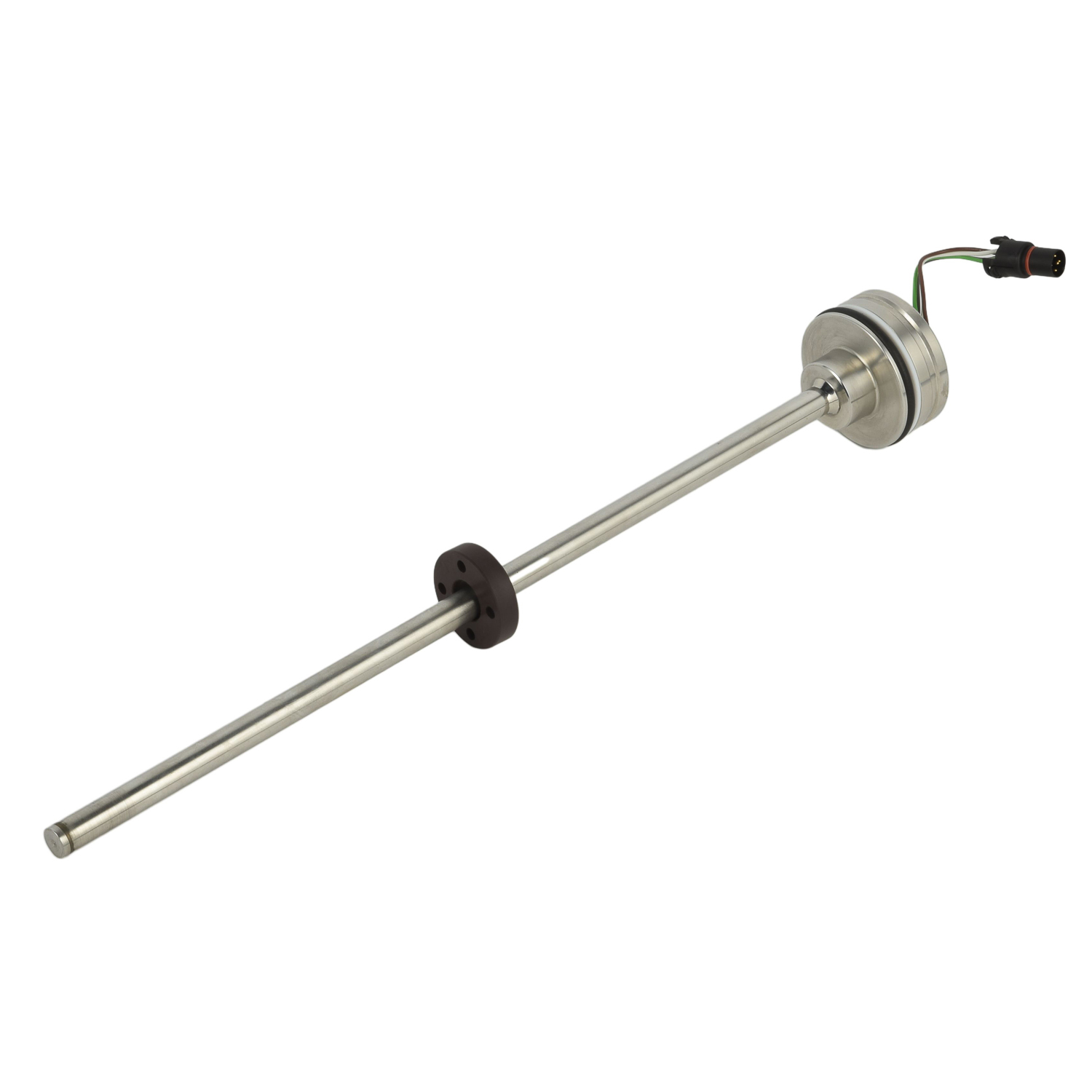 Magnetostrictive Level Gauge S