
How to achieve explosion-proof certification with magnetostrictive technology?
In industries such as oil and gas, chemical processing, and mining, the presence of flammable gases, vapors, and dusts creates a constant risk of explosion. Operating sensitive electronic equipment like magnetostrictive level sensors in these hazardous areas requires rigorous safety measures. Explosion-proof certification is not merely a regulatory hurdle; it is a critical safeguard for personnel, assets, and the environment. This process involves designing and testing equipment to ensure it cannot ignite a surrounding explosive atmosphere. For manufacturers and integrators of magnetostrictive technology, understanding and achieving this certification is essential for market access and operational safety. This guide will walk you through the fundamental steps and considerations.
Understanding the Core Principles of Explosion Protection
The goal of any explosion-proof certification is to prevent an ignition source from contacting a dangerous atmosphere. Several protection concepts are recognized by international standards, but two are particularly relevant for electronic devices like magnetostrictive sensors. The first is "Flameproof Enclosure" (Ex d), where the housing is constructed to withstand an internal explosion without letting flames escape to the outside. The second, and often more suitable for low-power electronics, is "Intrinsic Safety" (Ex i). This approach limits the electrical and thermal energy within the circuit to a level that is inherently incapable of causing ignition. For magnetostrictive sensors, which involve a current pulse traveling down a waveguide, intrinsic safety is a highly effective and common design strategy.
Navigating Key International Standards: ATEX and IECEx
A crucial step in the certification journey is identifying the applicable standards for your target markets. In the European Union, the ATEX directive (2014/34/EU) is mandatory for equipment intended for use in potentially explosive atmospheres. The IECEx scheme, on the other hand, is an international certification system that facilitates global acceptance, which is vital for exporters. While regional standards like NEC in North America exist, ATEX and IECEx are the most widely recognized. These standards classify hazardous areas into zones based on the likelihood and duration of an explosive atmosphere being present (e.g., Zone 0, 1, or 2 for gases). Your magnetostrictive sensor's design must be certified for the specific zone it will operate in.
Designing Magnetostrictive Sensors for Intrinsic Safety
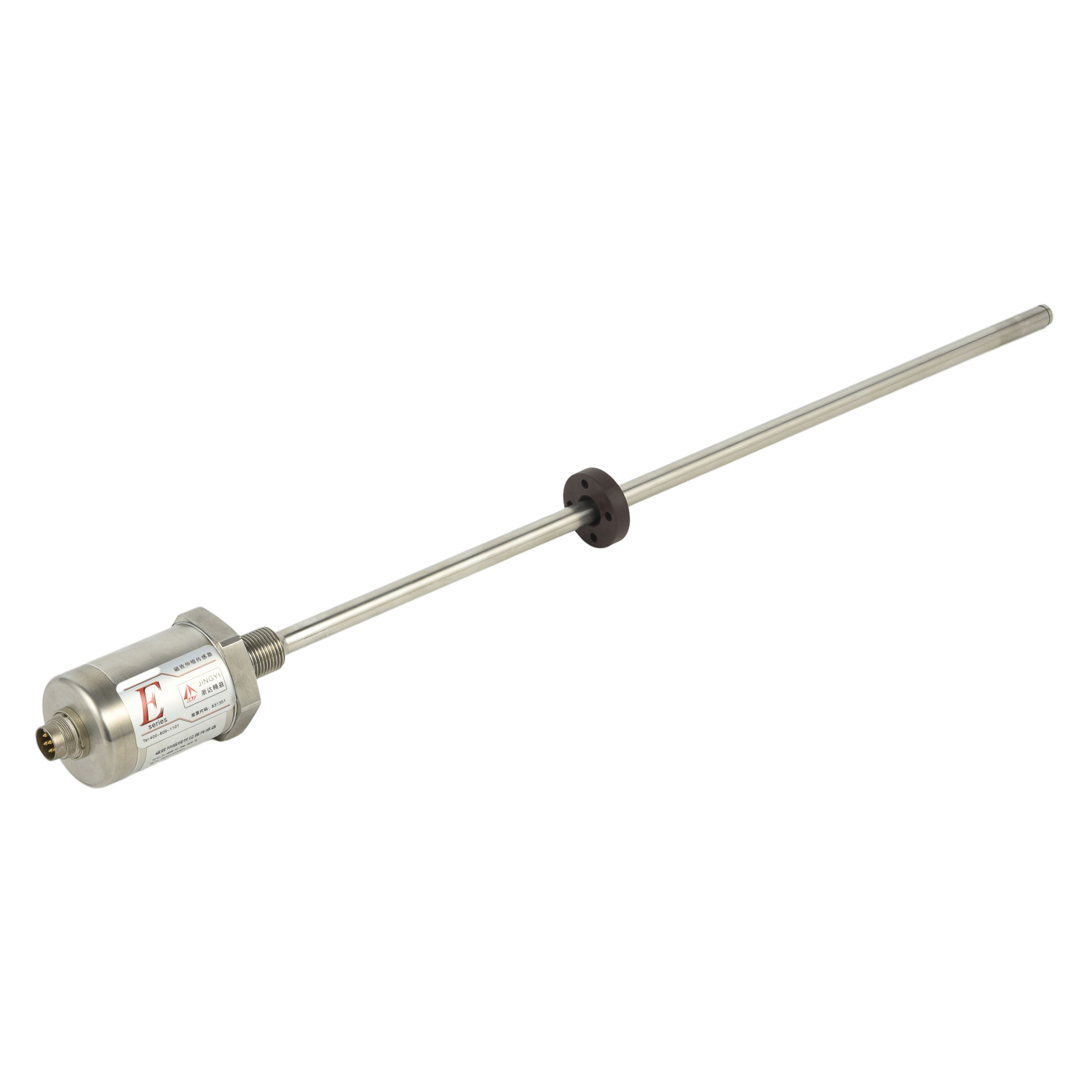
Achieving intrinsic safety for a magnetostrictive sensor requires careful engineering. The core of the technology involves sending a short, high-current pulse down a magnetostrictive waveguide to generate a torsional wave. The certification process demands a detailed analysis of every component. This includes using energy-limiting barriers, such as zener diodes, to clamp voltage and current to safe levels. All capacitors and inductors in the circuit must be evaluated for their stored energy. The design must ensure that even under fault conditions—like a short circuit or component failure—the energy released remains below the ignition threshold of the specified gas group (e.g., Group IIC for hydrogen).
Selecting Approved Components and Robust Enclosures
The certification body will scrutinize every part used in the sensor. It is imperative to select components that themselves have a known history in safety-critical applications or possess their own relevant certifications. This includes the pulse generator circuitry, the signal conditioning electronics, and the wiring. If the sensor housing is designed to be flameproof (Ex d), it must be mechanically robust, with precisely machined flanges that cool any escaping gases below the ignition temperature. The material must withstand the pressure of an internal explosion. Gaskets and cable glands must also be certified to maintain the integrity of the enclosure.
The Critical Steps of Testing and Certification with a Notified Body
Once the design is complete, the practical phase begins. You must engage a notified body, an independent organization authorized to assess conformity with the ATEX directive or IECEx scheme. The process typically involves a review of your technical documentation and risk assessment, followed by rigorous testing. Prototypes of your magnetostrictive sensor will be subjected to tests that simulate fault conditions and verify that the intrinsic safety parameters are not exceeded. For flameproof enclosures, explosion pressure tests are conducted. Success in these tests leads to the issuance of a certificate and the permission to apply the Ex mark to your product, signaling its compliance and safety to users worldwide.
 Technical Parameters of Magnet
 How Much is Magnetostrictive L
 Magnetostrictive Level Gauge P
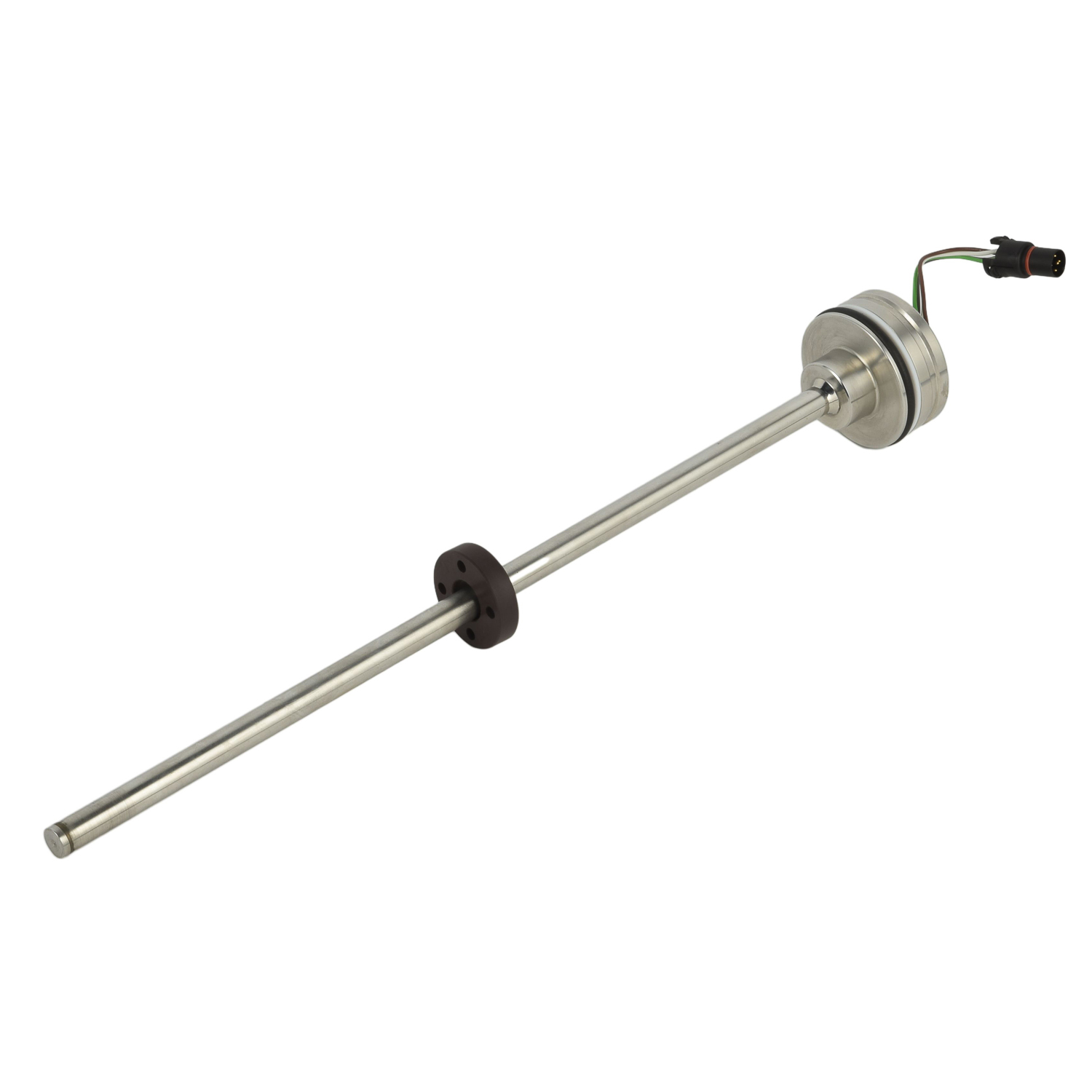 Magnetostrictive Level Gauge S