
How does redundant design enhance safety in magnetostrictive sensors?
In the demanding world of industrial automation and process control, sensor failure is not an option. The consequences can range from costly downtime to catastrophic safety incidents. Magnetostrictive sensors, prized for their high accuracy in measuring linear position and velocity, are often deployed in such critical applications. To meet the stringent safety requirements of these environments, engineers increasingly turn to a fundamental principle: redundant design. This approach systematically builds layers of protection into the sensor system, transforming it from a single point of failure into a robust and fault-tolerant component.
Understanding Redundant Design for Functional Safety
Redundant design, at its core, involves incorporating duplicate or backup components within a system. The goal is not merely to have a spare part but to create an architecture where if one element fails, another can immediately take over its function without compromising the overall system operation. In the context of functional safety standards like IEC 61508 or ISO 13849, redundancy is a key technique for achieving higher Safety Integrity Levels (SIL). For magnetostrictive sensors, this means designing systems where critical elements—such as the sensing rod, electronics, or even the entire sensor unit—are duplicated. This ensures that a single internal fault does not lead to a dangerous loss of the position or velocity data, which is crucial for machine safety functions like emergency stopping or safe positioning.
Key Areas of Redundancy in Magnetostrictive Sensors
Implementing redundancy in a magnetostrictive sensor can be approached at different levels. A common method is electronic redundancy, which involves duplicating the critical signal processing circuitry, microprocessors, and output drivers. Two independent channels can continuously cross-check each other's validity. Another, more comprehensive approach is sensor redundancy, where two entirely separate magnetostrictive sensors are installed to measure the same parameter. This provides the highest level of fault tolerance, as a failure in one sensor, perhaps due to physical damage or internal electronic fault, is completely masked by the second, operational unit. Furthermore, some advanced designs incorporate signal path redundancy, creating multiple independent pathways for the magnetostrictive torsional wave signal to travel and be interpreted, guarding against issues within the waveguide itself.
The Critical Role of Diagnostics and Cross-Checking
Redundancy alone is not sufficient for true safety enhancement. A redundant system must be intelligent enough to detect a fault in one of its paths. Therefore, sophisticated on-board diagnostics are an integral part of a safety-oriented magnetostrictive sensor. These diagnostics continuously monitor the health of both the primary and secondary channels, checking for discrepancies in the measured values, signal strength, or power supply. If a fault or a significant deviation is detected, the sensor can immediately send a warning signal or switch to a predefined safe state, alerting the control system to the issue before it leads to an unsafe condition. This proactive cross-checking mechanism is what makes redundancy an active safety feature rather than just a passive backup.
Benefits Beyond Safety: Enhanced Reliability and Uptime
While the primary driver for redundant design is safety, the benefits extend significantly into operational excellence. By virtually eliminating unplanned stops caused by sensor failure, redundant magnetostrictive sensors dramatically increase machine availability and overall equipment effectiveness (OEE). In continuous process industries like chemical processing or steel manufacturing, where a single shutdown can cost millions, this reliability is a substantial economic advantage. The implementation of redundancy provides operators with greater confidence in the system's data, enabling more aggressive and efficient automation strategies while maintaining the highest safety standards.
Conclusion: A Proactive Investment in System Integrity
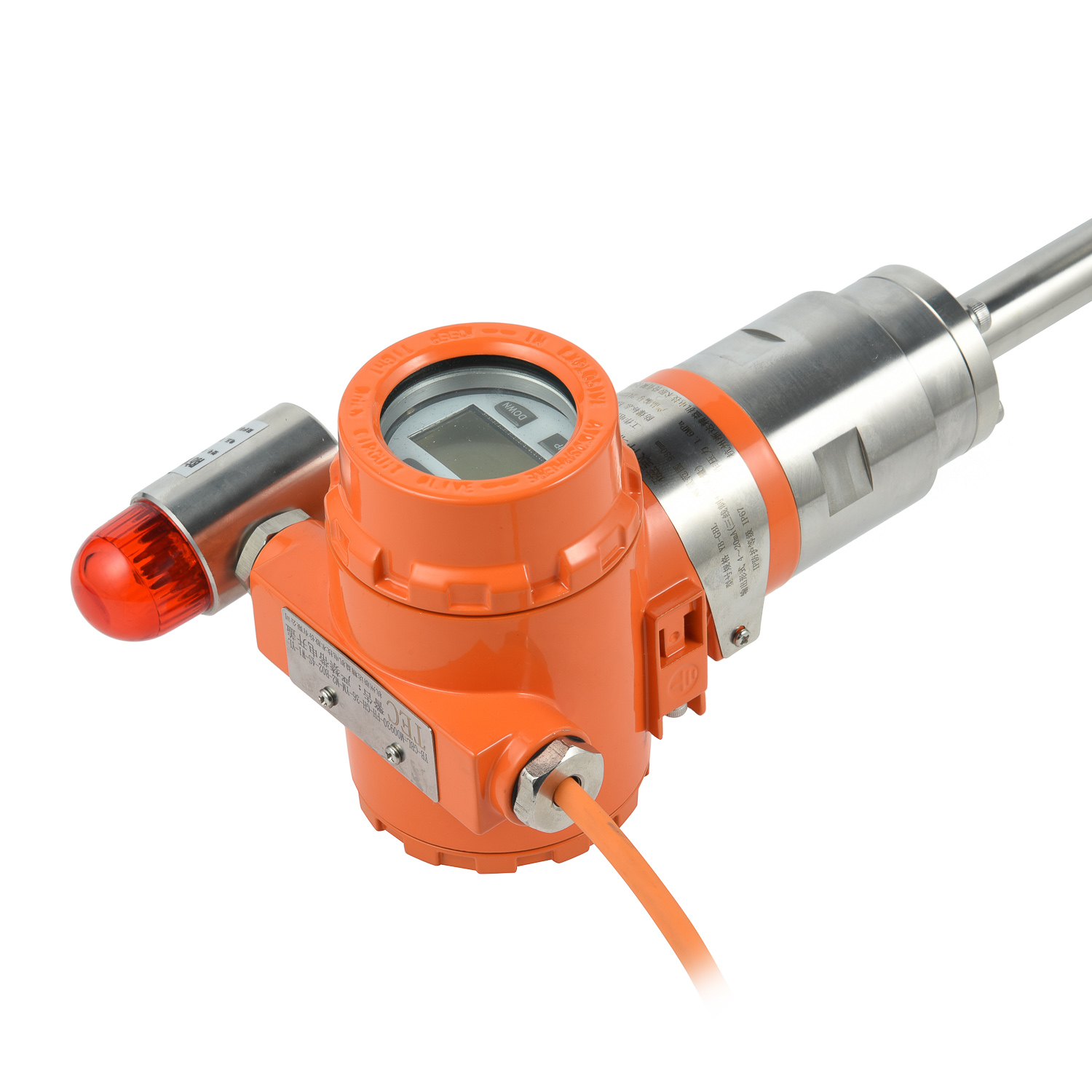
In conclusion, incorporating redundant design into magnetostrictive sensors is a proactive and essential strategy for modern industrial applications. It moves beyond simply reacting to failures and instead builds a foundation of inherent resilience. By duplicating critical components and integrating intelligent diagnostics, redundant magnetostrictive sensors achieve the high levels of functional safety and reliability demanded by today's automated world. This design philosophy not only protects personnel and equipment but also serves as a sound investment in maximizing productivity and minimizing costly disruptions.
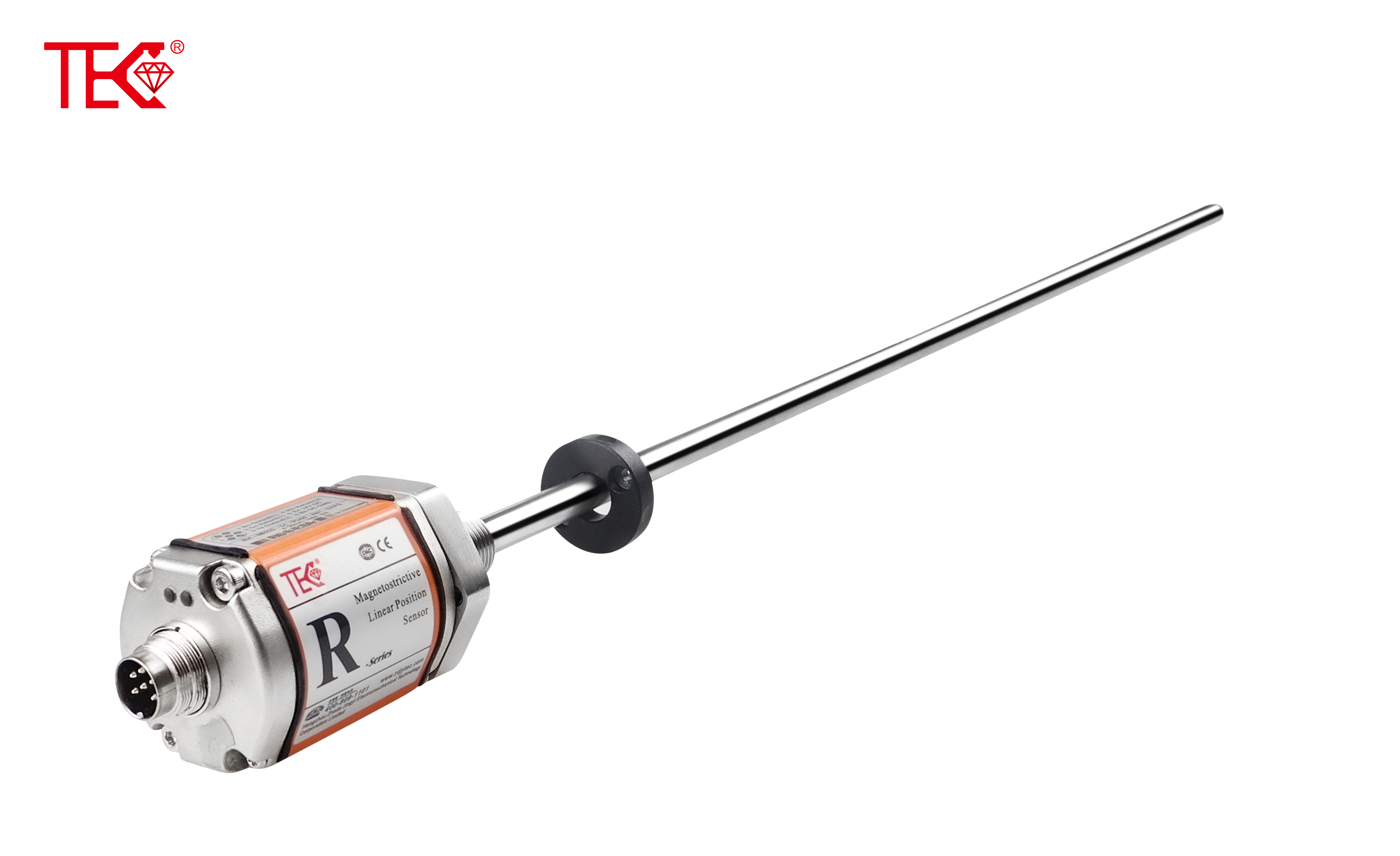 Technical Parameters of Magnet
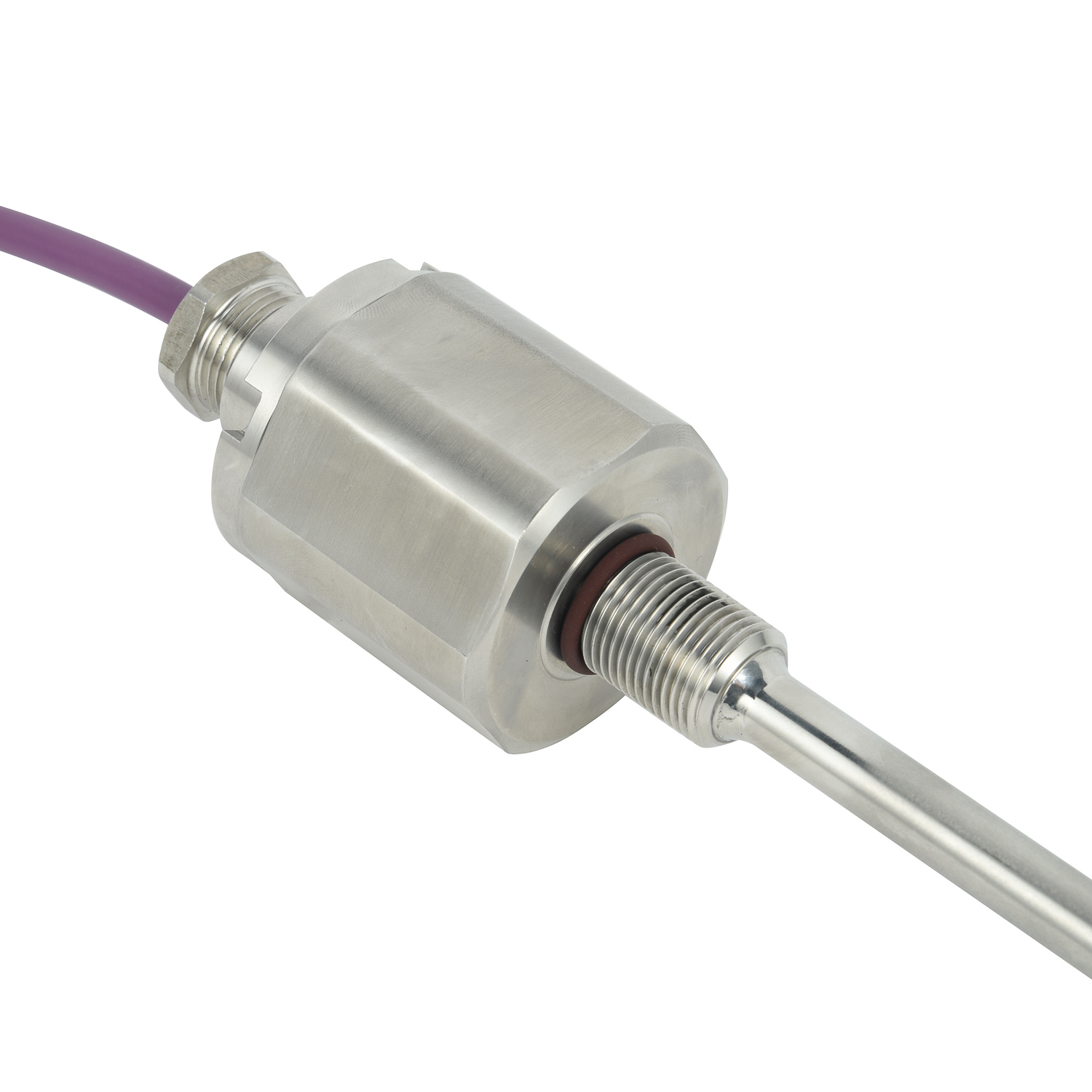 How Much is Magnetostrictive L
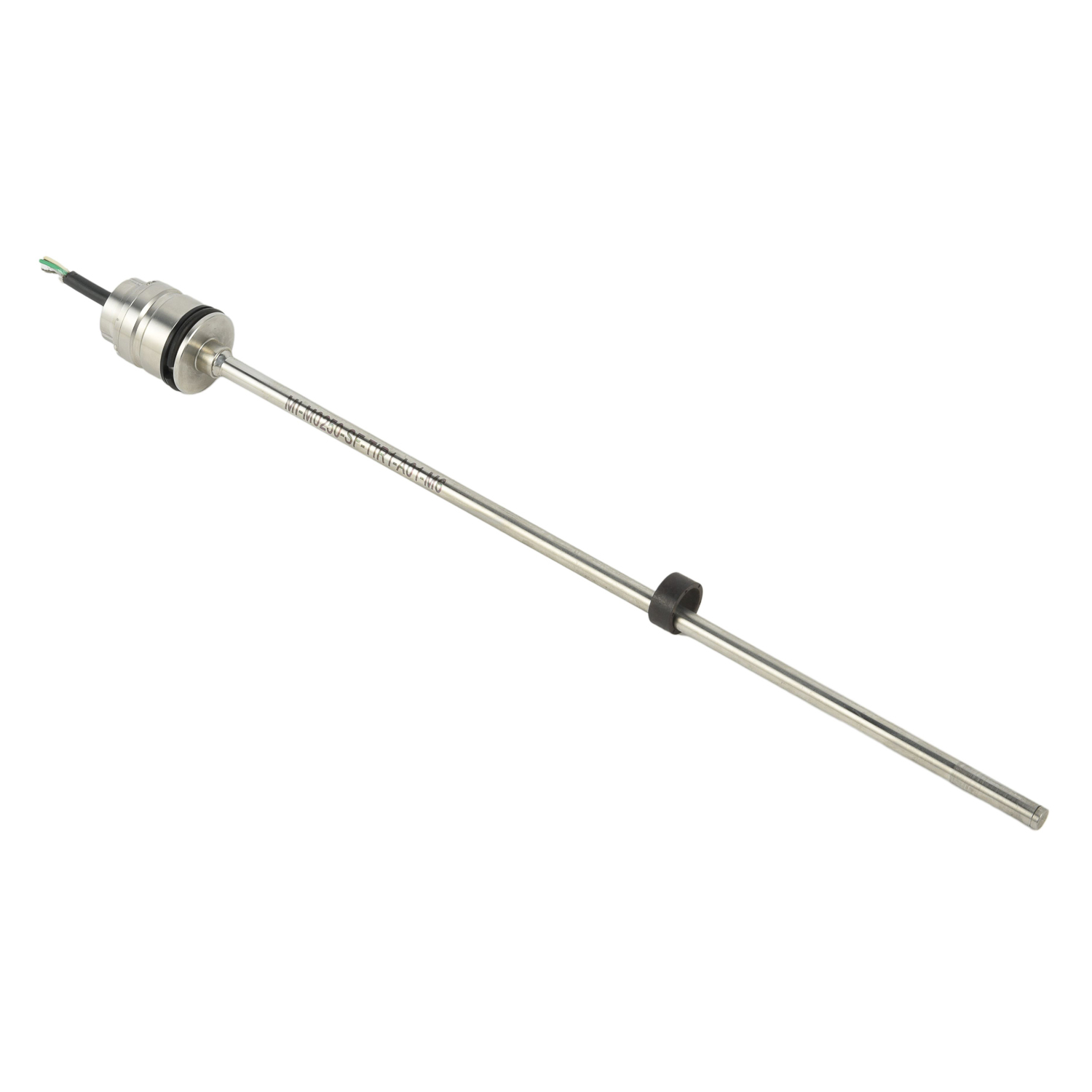 Magnetostrictive Level Gauge P
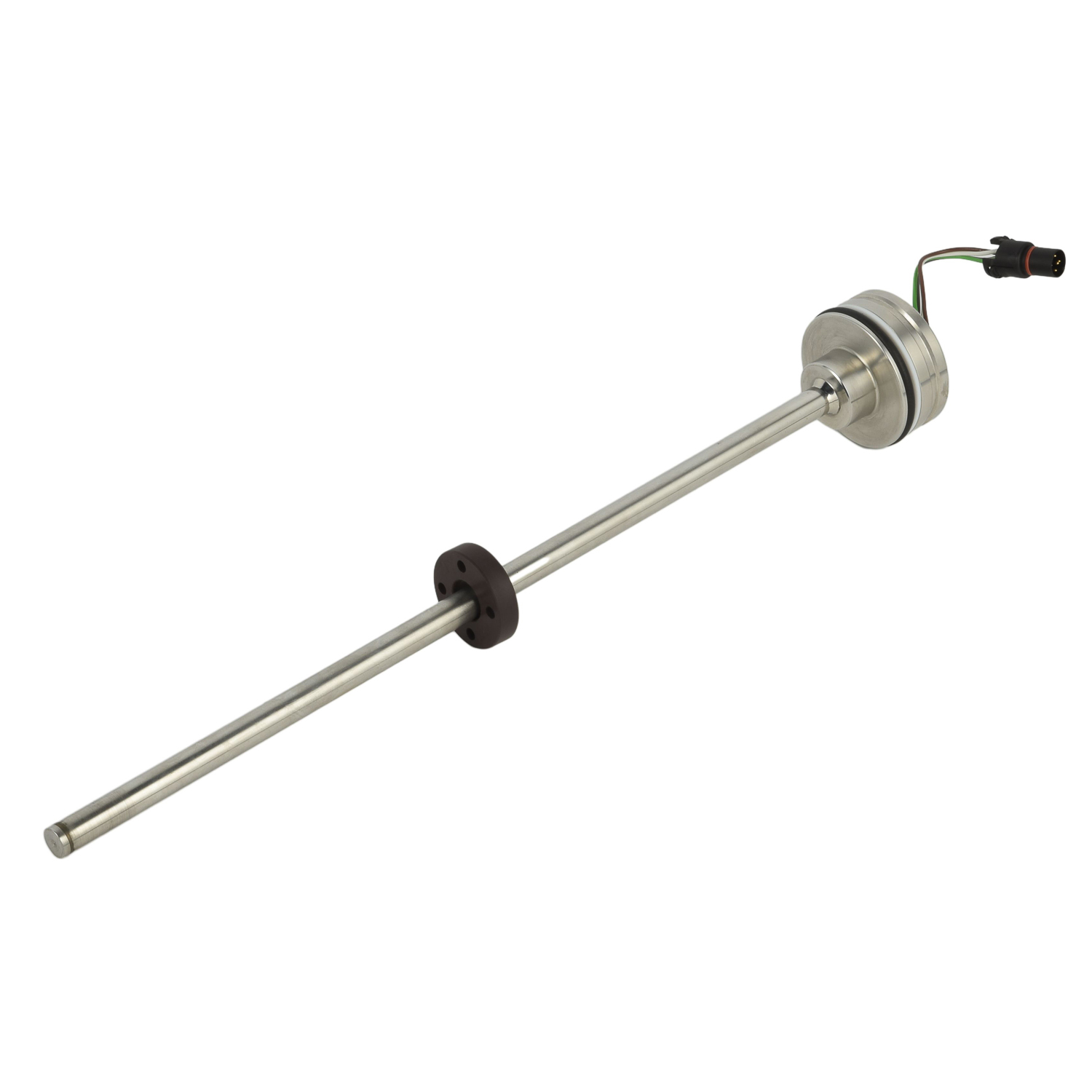 Magnetostrictive Level Gauge S