
Why are magnetostrictive sensors more resistant to chemical corrosion?
Introduction to Corrosion Resistance
Magnetostrictive sensors have earned a reputation for exceptional performance in challenging industrial settings, particularly those involving aggressive chemicals. Their inherent design principles and material selection contribute to a level of chemical corrosion resistance that surpasses many alternative sensing technologies. This robustness is not merely an added feature but a fundamental characteristic of their operational philosophy, making them the preferred choice for applications where long-term reliability is paramount. From chemical processing plants to offshore installations, these sensors deliver consistent accuracy where others fail.
The Hermetically Sealed Sensing Waveguide
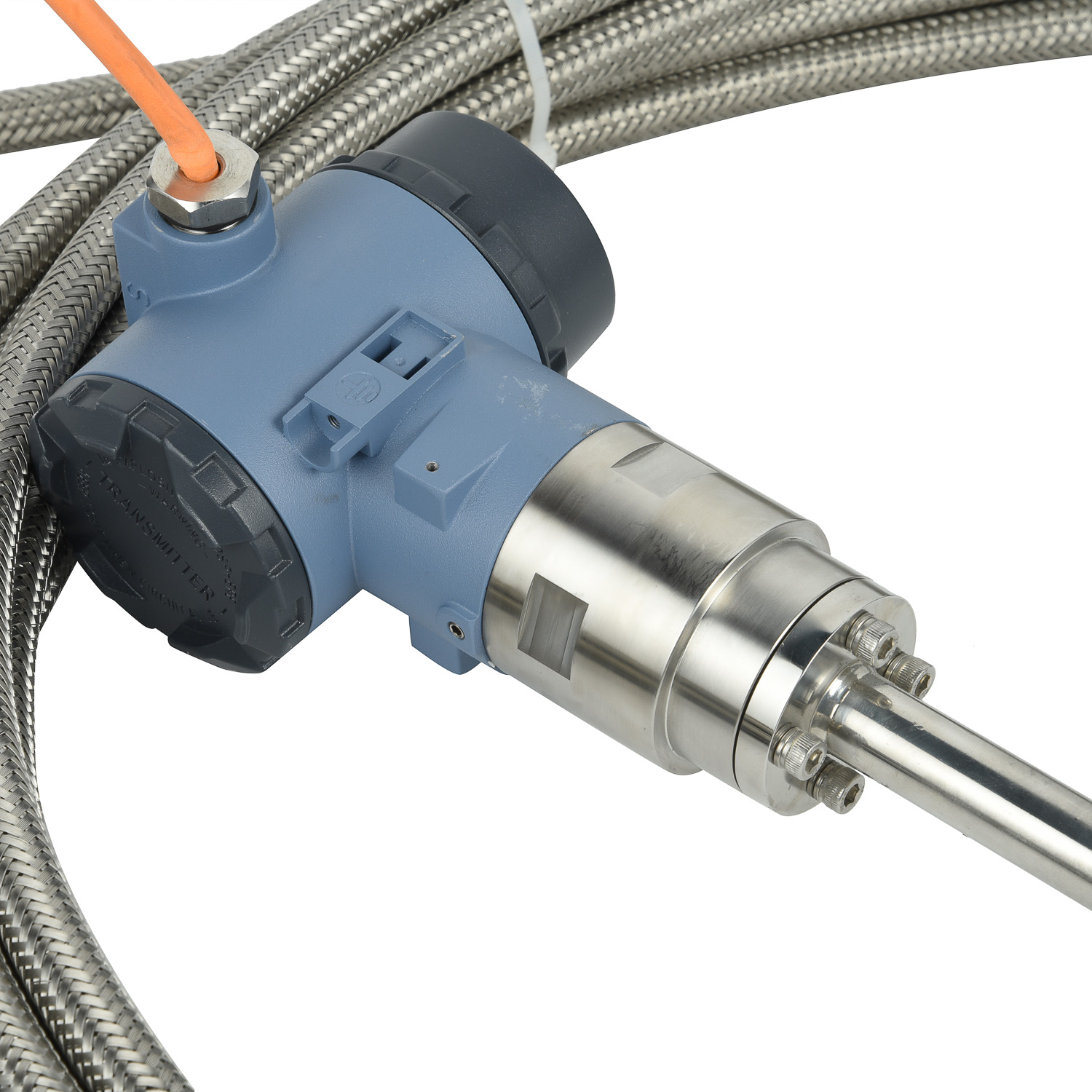
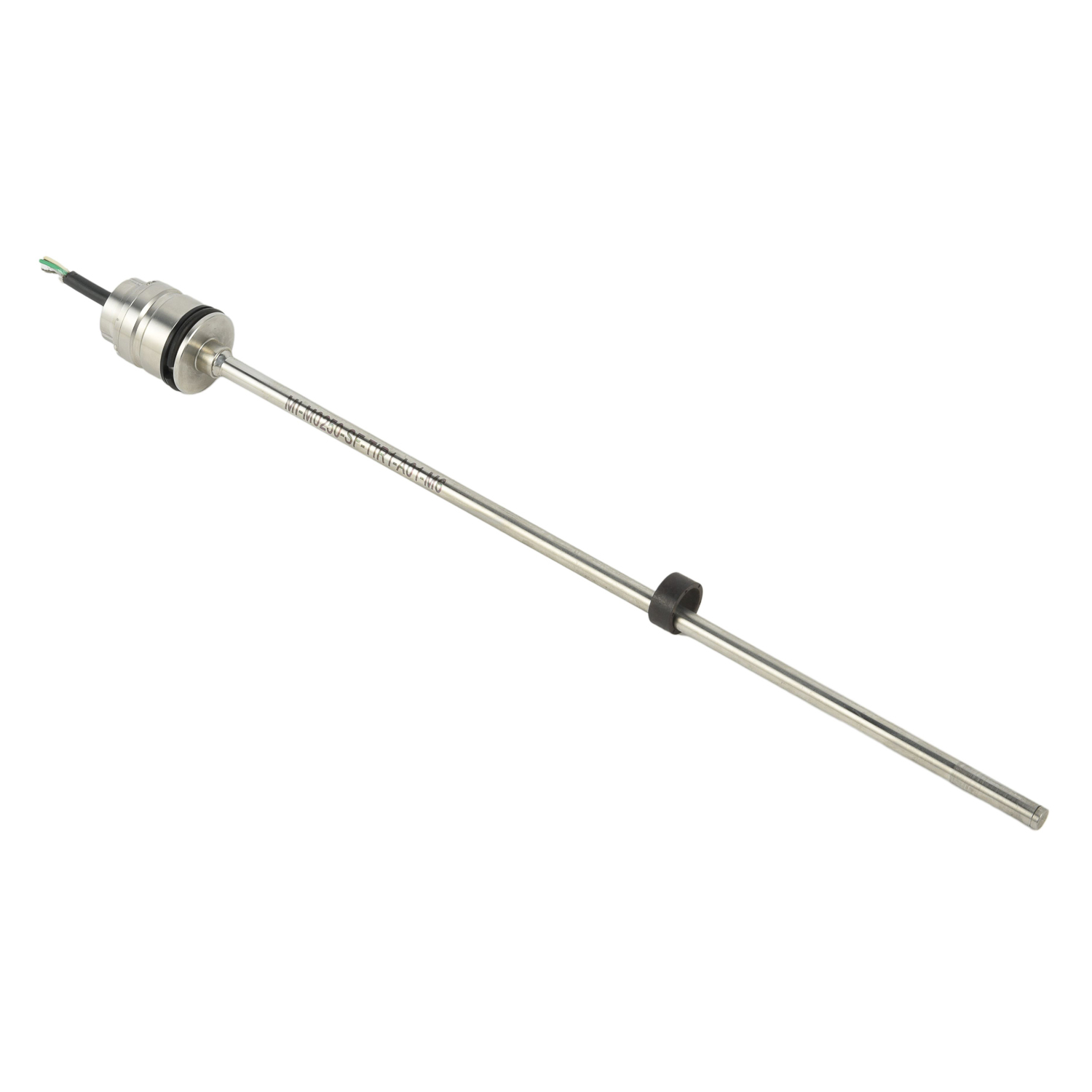
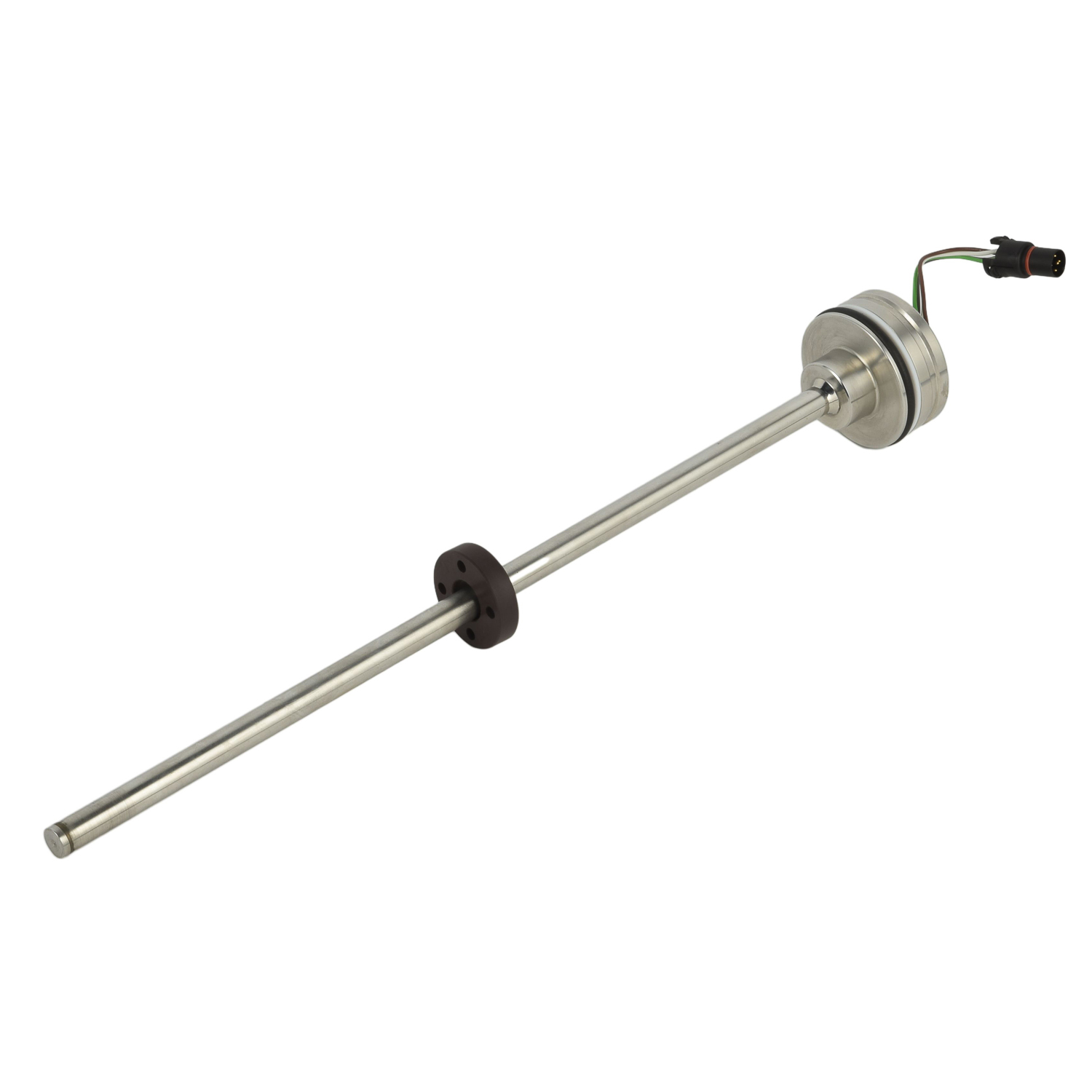
A primary defense against chemical attack is the hermetically sealed waveguide tube. This critical component, which contains the magnetostrictive wire, is typically manufactured from high-grade stainless steel or specialized alloys like Hastelloy. The seal is designed to be completely impervious to liquids and gases, creating a protective barrier that isolates the sensitive internal elements from the external environment. This sealing prevents corrosive agents from reaching the magnetostrictive wire and the electronics, ensuring the core measurement mechanism remains uncontaminated and fully functional throughout the sensor's lifespan, even when submerged in corrosive fluids.
Robust Material Selection for Housings
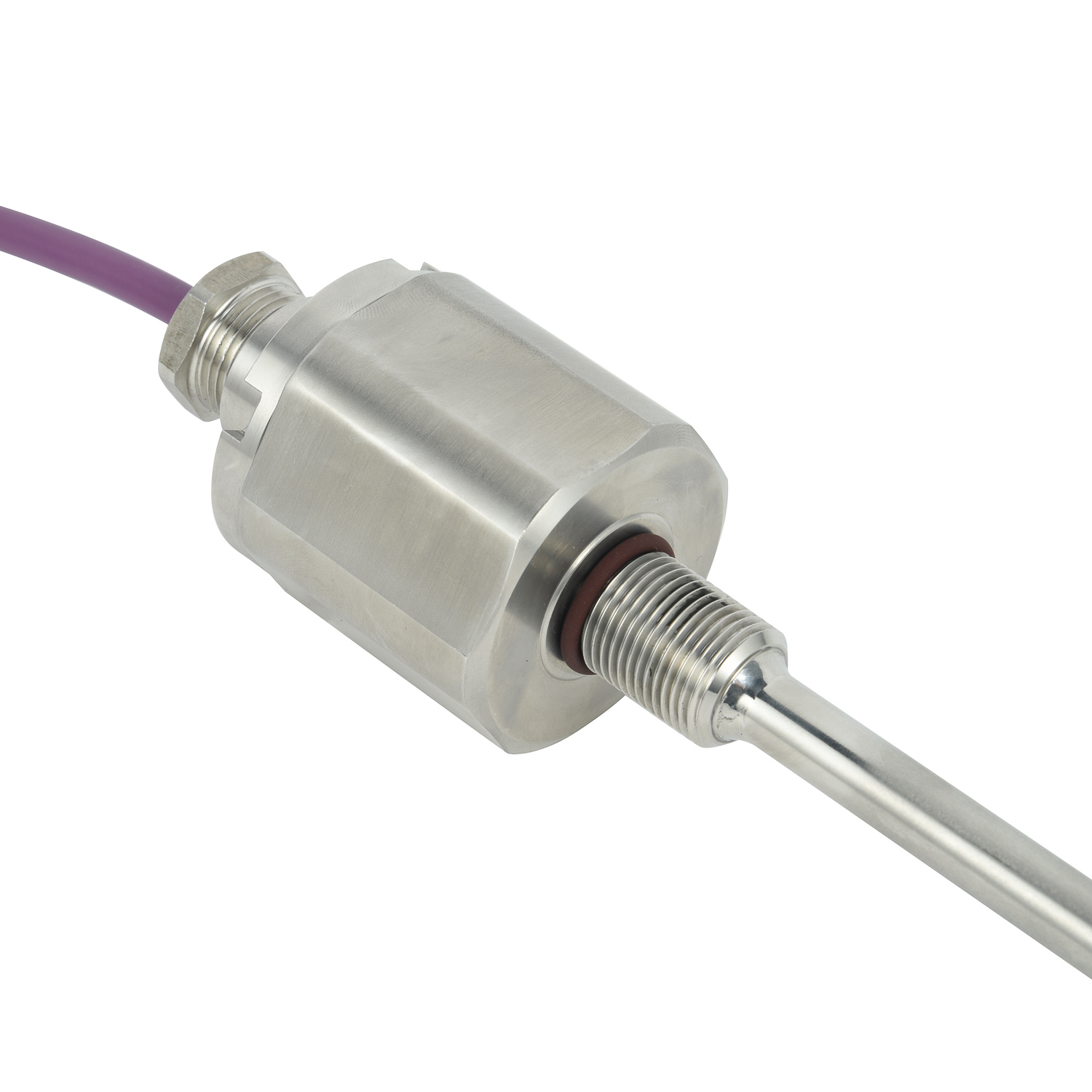
Beyond the waveguide, the overall sensor housing is constructed from materials specifically chosen for their corrosion-resistant properties. Manufacturers often use 316 stainless steel, which offers excellent resistance to a wide range of chemicals, or apply advanced coatings such as PTFE (Teflon) or epoxy resins for additional protection. This careful material selection extends to all wetted parts—the components that directly contact the process media. By utilizing alloys and polymers known for their inertness and durability, magnetostrictive sensors can withstand prolonged exposure to acids, alkalis, solvents, and saltwater without degrading.
The Advantage of Non-Contact Sensing
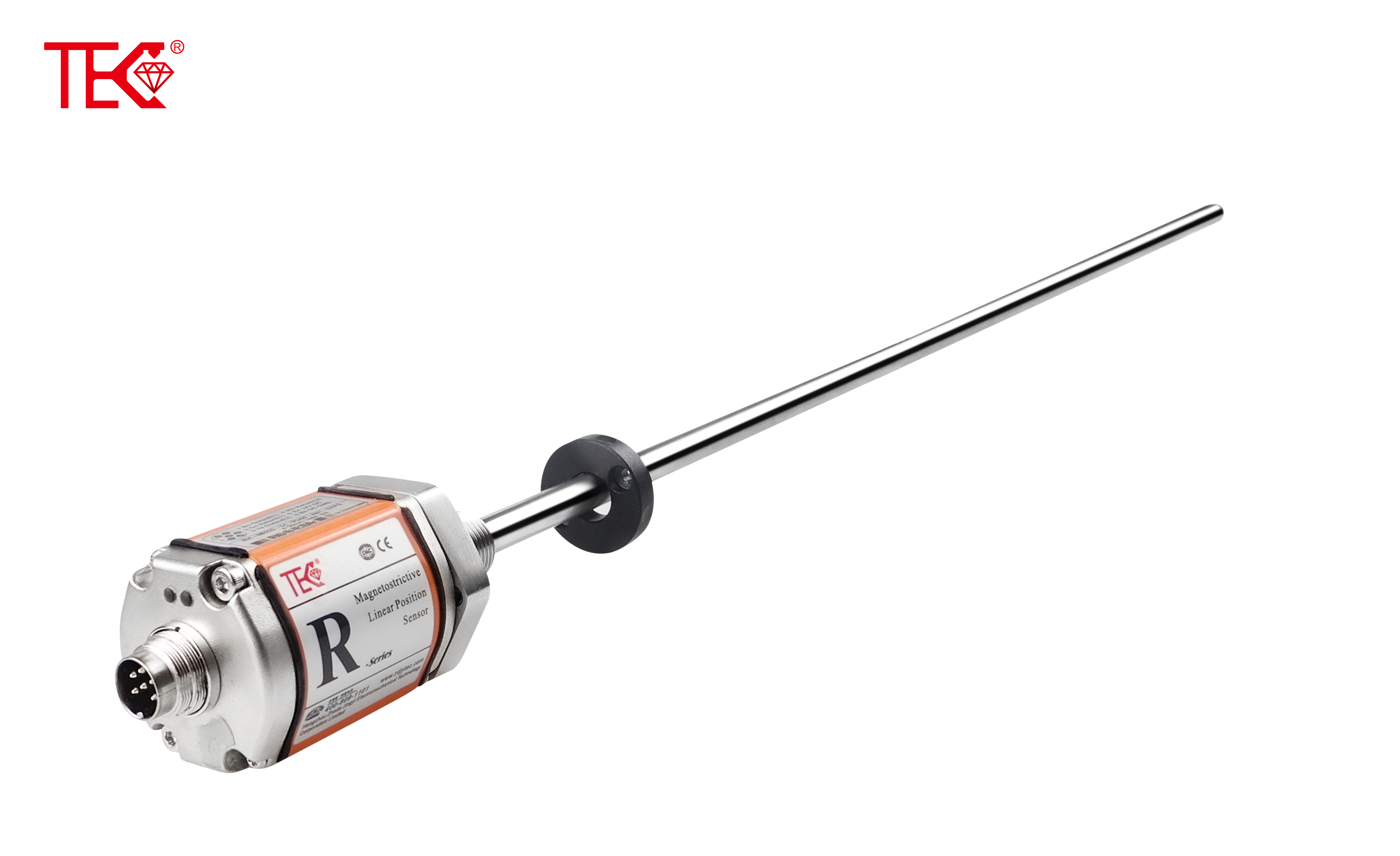
The fundamental operating principle of magnetostrictive sensors is non-contact. The position magnet, which is attached to the moving target (like a float in a level sensor), does not physically touch the waveguide. Instead, it influences the wire through its magnetic field. This eliminates mechanical wear and tear that could create pathways for corrosion to initiate. Furthermore, since the magnet is often the only component exposed to the medium and can be encapsulated in a chemically resistant material, the risk of failure is significantly reduced compared to contact-based sensors where mechanical linkages can corrode and seize.
Minimized Penetration Points and Simplified Design
Simplicity in design translates to enhanced corrosion resistance. Magnetostrictive sensors have a straightforward architecture with very few penetration points through the housing. Each potential entry point for corrosive agents is a vulnerability. By minimizing seals, joints, and openings, the design inherently reduces the number of areas that could be compromised over time. This robust, monolithic design philosophy, combined with high-integrity welding and sealing techniques, ensures that the sensor's internal environment remains stable and protected against even the most aggressive chemical attacks.
Proven Performance in Harsh Industrial Applications
The superior chemical corrosion resistance of magnetostrictive sensors is not just theoretical; it is proven in real-world applications. They are extensively used in the chemical and petrochemical industries, pharmaceutical manufacturing, wastewater treatment, and marine technology. In these sectors, equipment is routinely exposed to substances that rapidly degrade conventional sensors. The ability of magnetostrictive sensors to provide accurate, reliable data on position or level in such conditions directly contributes to increased operational safety, reduced maintenance costs, and longer service intervals, validating their technical advantages.
 Technical Parameters of Magnet
 How Much is Magnetostrictive L
 Magnetostrictive Level Gauge P
 Magnetostrictive Level Gauge S