
What's the application of magnetostrictive technology in smart home control systems?
Introduction to Magnetostrictive Technology
Magnetostrictive technology represents a sophisticated principle where certain materials change their shape or dimensions when exposed to a magnetic field. This phenomenon, known as magnetostriction, provides a foundation for highly accurate sensing and actuation. In the context of smart homes, this technology moves beyond industrial applications to offer a new layer of precision and reliability for everyday control systems. Its ability to convert magnetic energy into mechanical motion, and vice versa, with exceptional accuracy makes it a game-changer for creating more responsive and intelligent living environments.
Precision Control in Smart Home Interfaces
The core advantage of magnetostrictive sensors lies in their unparalleled precision. In smart home control panels, particularly for lighting and temperature regulation, these sensors can detect minute changes in position or force. This allows for granular control, such as adjusting a thermostat with a subtle slide of a finger or dimming lights with impeccable smoothness. Unlike traditional potentiometers, magnetostrictive elements experience no physical wear, ensuring the control remains accurate and reliable for the entire lifespan of the device, eliminating drift and degradation over time.
Enabling Silent and Fluid Actuation
Noise pollution is a significant concern in home automation. Magnetostrictive actuators operate with remarkable silence, making them ideal for applications where quietness is paramount. Imagine motorized window blinds or curtains that open and close without a whisper, or a precision valve in a smart water system that adjusts flow without audible clicks or hums. This silent operation enhances comfort and seamlessly integrates automation into the background of daily life, providing functionality without disruptive mechanical sounds that are common with solenoid-based or motor-driven actuators.
Advanced Haptic Feedback for Intuitive Interaction
Haptic feedback is crucial for intuitive user interfaces. Magnetostrictive technology can generate precise and varied tactile sensations—from subtle vibrations to distinct clicks—without complex mechanical parts. This transforms touchscreens and control knobs in smart homes, providing physical confirmation of a command. For instance, a virtual slider on a control panel can feel as if it has physical detents, improving usability and reducing user error. This tactile responsiveness creates a more engaging and trustworthy interaction between the user and their smart home ecosystem.
Integration with Comprehensive Home Automation Systems
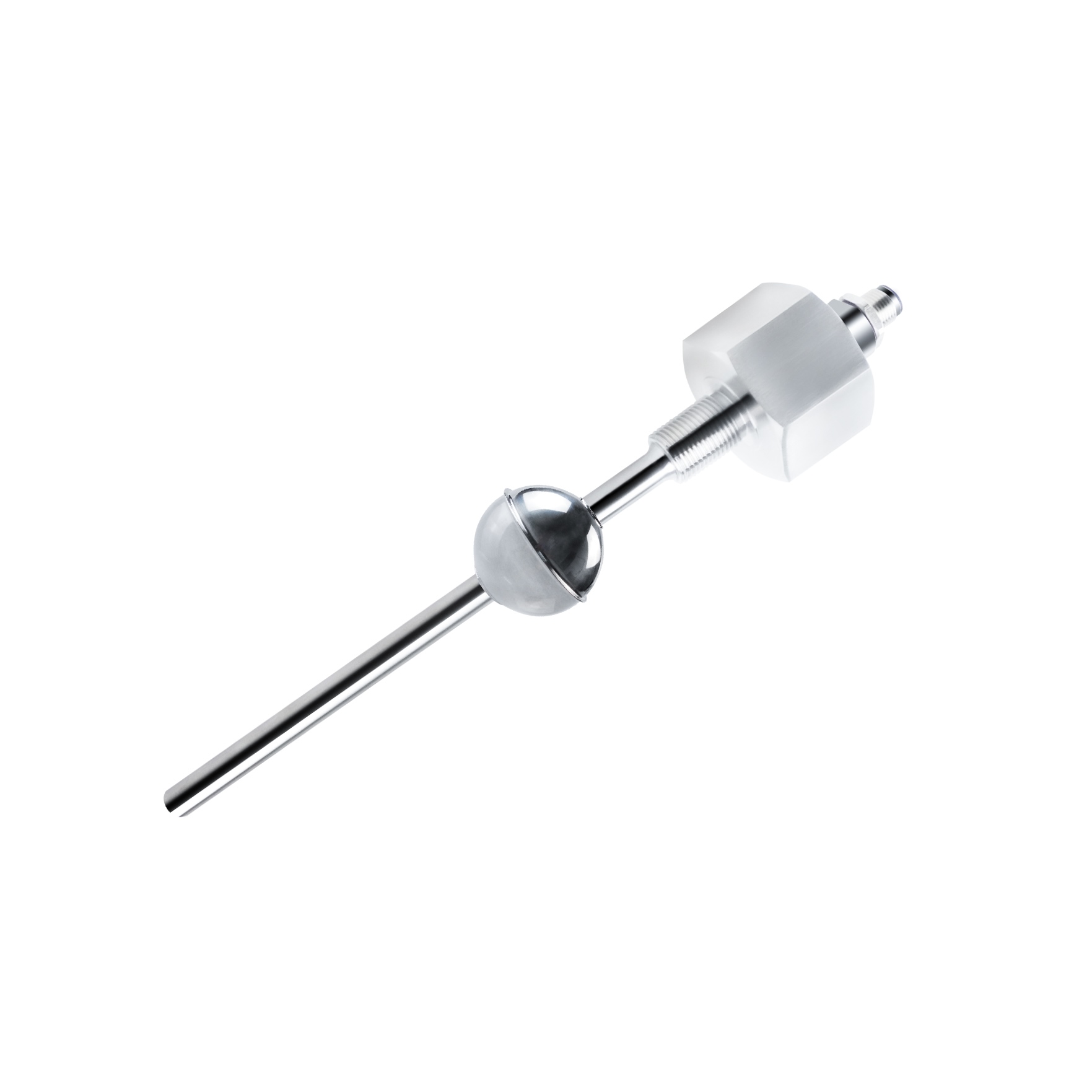
The reliability of magnetostrictive components makes them perfect for integration into broader home automation networks. They can serve as highly accurate sensors for security systems, detecting the precise position of doors and windows. In climate control, they can provide feedback for HVAC dampers, optimizing energy efficiency. Their robust nature and long-term stability ensure that these critical sensing points within the Internet of Things (IoT) framework deliver consistent data, which is essential for the algorithms that manage home automation, leading to a truly smart and adaptive living space.
Future Prospects and Evolving Applications
The future of magnetostrictive technology in smart homes is bright and expansive. We can anticipate its integration into more sophisticated applications, such as micro-positioning systems for automated furniture or advanced, touchless interfaces that interpret gestures with high fidelity using magnetic field variations. As the demand for smarter, more discreet, and more reliable home automation grows, magnetostrictive technology is poised to become a fundamental enabler, pushing the boundaries of what is possible in creating responsive, efficient, and comfortable intelligent homes.
 Technical Parameters of Magnet
 How Much is Magnetostrictive L
 Magnetostrictive Level Gauge P
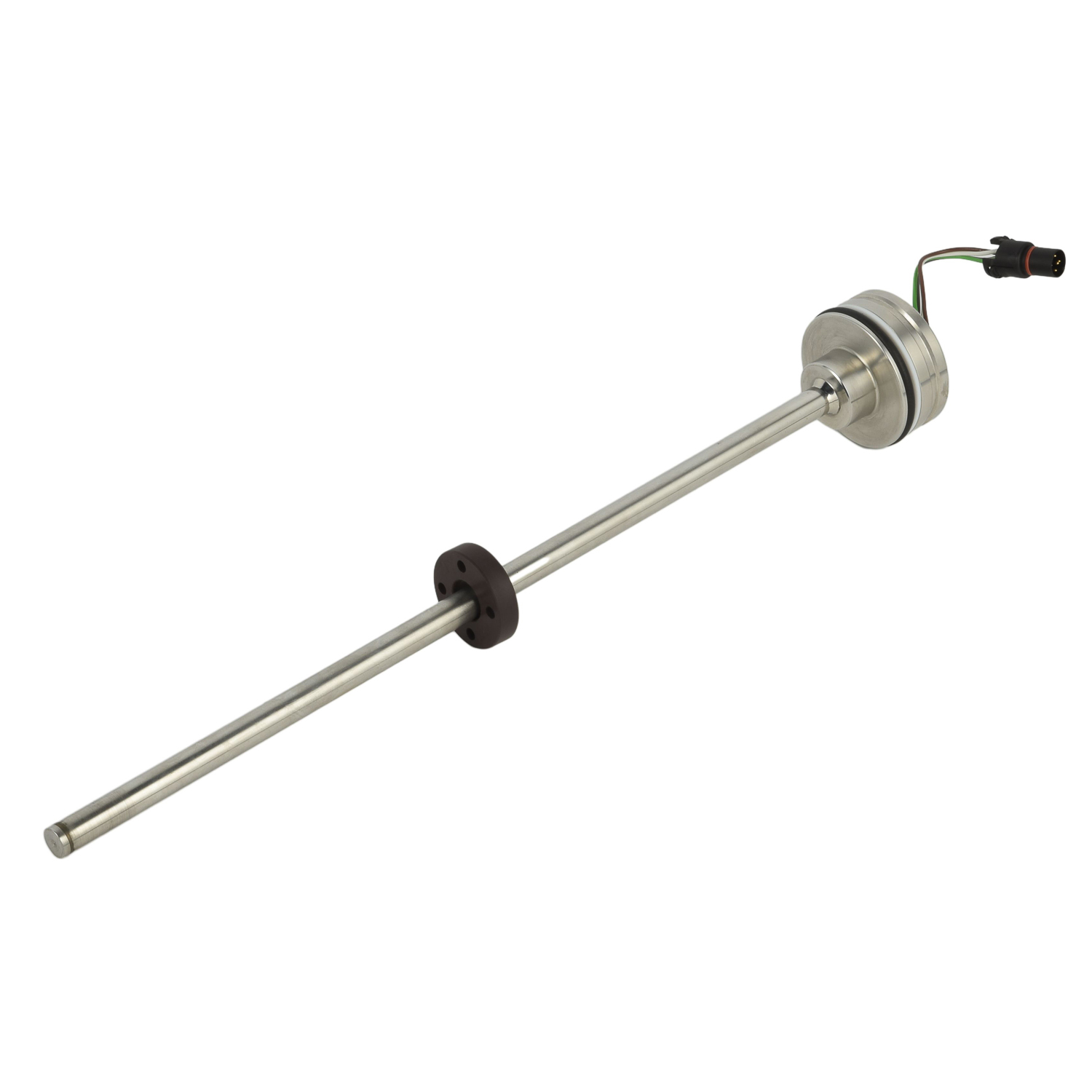 Magnetostrictive Level Gauge S