
How do magnetostrictive sensors maintain stability in high-temperature environments?
In industrial applications where temperatures soar, the reliability of sensing technology becomes paramount. Magnetostrictive sensors have emerged as critical components in these challenging environments, delivering precise position and level measurements where other technologies fail. Their ability to maintain stability under thermal stress stems from sophisticated engineering principles and material innovations that work in harmony to counteract temperature effects. This article explores the fundamental mechanisms that enable these sensors to perform consistently when the heat is on.
Advanced Material Selection for Thermal Resilience
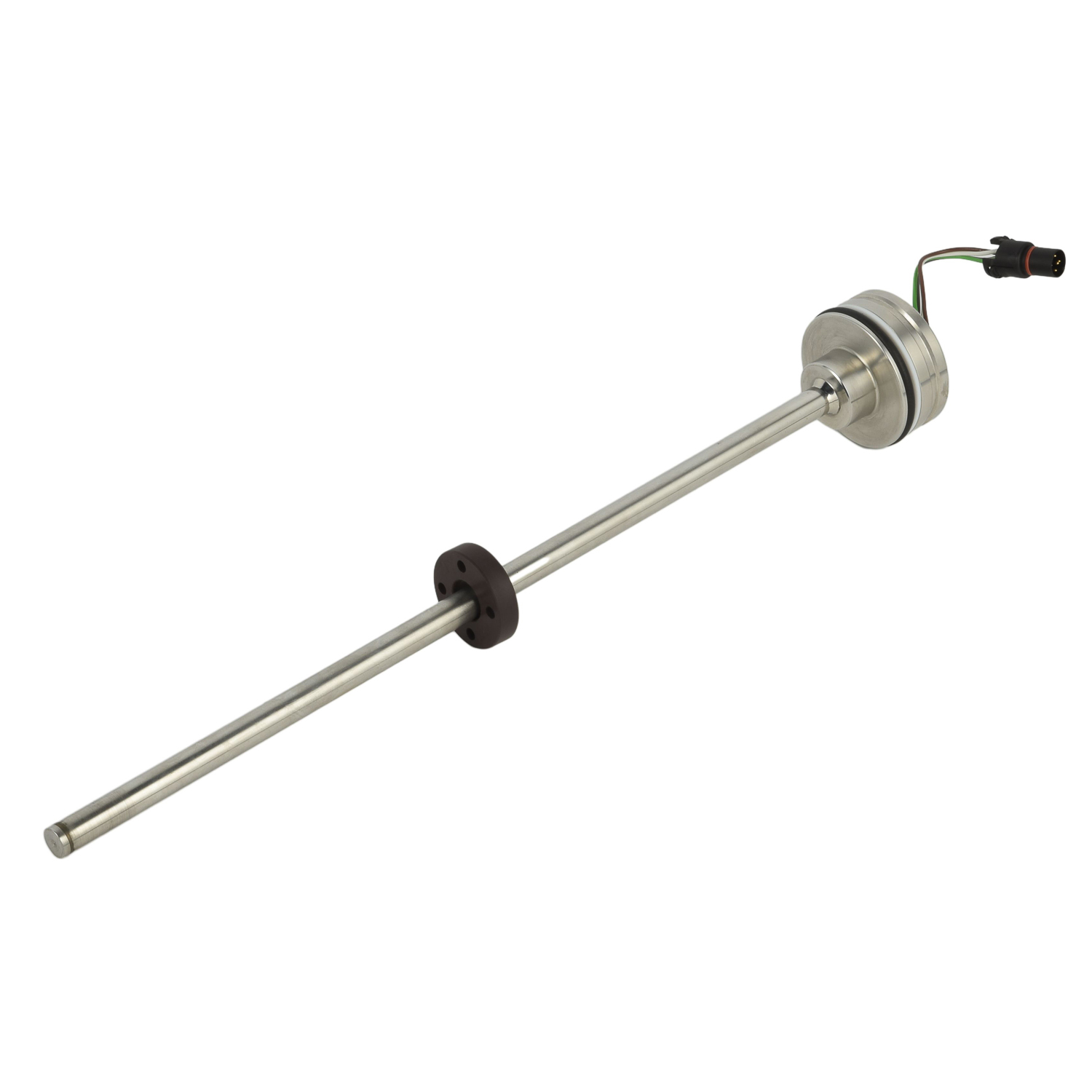
The foundation of high-temperature stability begins with strategic material selection. Manufacturers utilize specialized alloys and composite materials that exhibit minimal thermal expansion characteristics. Invar alloys, known for their exceptionally low coefficient of thermal expansion, are often incorporated into critical components to maintain dimensional stability. The waveguide tube, typically made from high-grade stainless steel with specific metallurgical properties, is engineered to resist deformation under thermal cycling. Additionally, the permanent magnet material is carefully chosen for its ability to retain magnetic properties at elevated temperatures, ensuring consistent signal generation regardless of environmental conditions.
Innovative Thermal Compensation Techniques
Beyond material science, magnetostrictive sensors employ sophisticated thermal compensation algorithms that actively counteract temperature-induced errors. Embedded temperature sensors continuously monitor operating conditions, feeding real-time data to onboard microprocessors. These intelligent systems apply compensation factors that adjust measurement outputs based on predetermined thermal coefficients. Advanced sensors utilize multi-point calibration across their operational temperature range, creating precise correction curves that maintain accuracy even during rapid temperature fluctuations. This dynamic compensation approach effectively neutralizes the effects of thermal expansion on the waveguide, preserving measurement integrity throughout demanding thermal cycles.
Robust Structural Design Principles
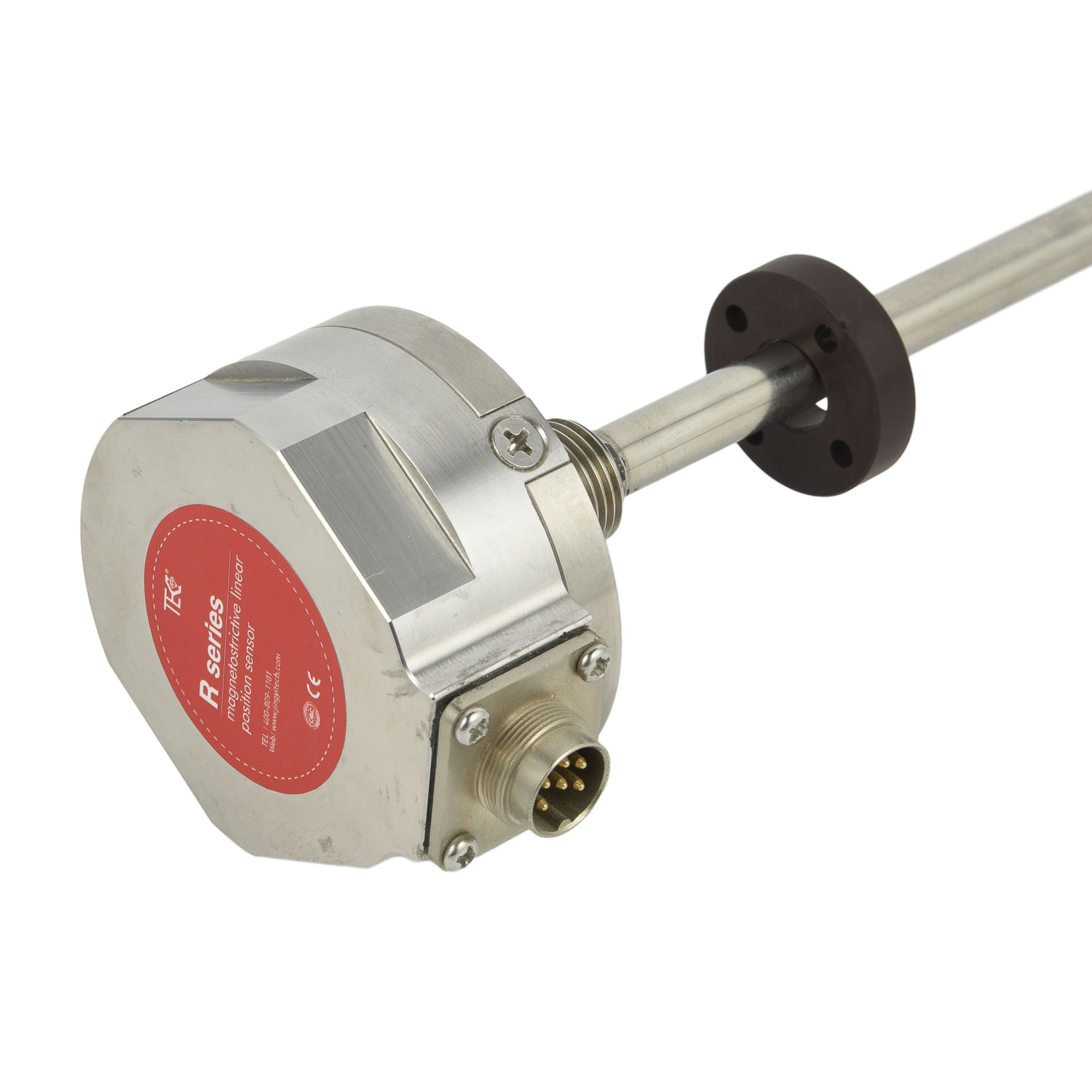
The physical architecture of magnetostrictive sensors plays an equally crucial role in high-temperature performance. Engineers implement symmetrical designs that distribute thermal stresses evenly, minimizing distortion risks. Critical components are isolated from direct heat paths through thermal barriers and strategic spacing. The sensor housing incorporates heat-dissipating features that prevent internal temperature buildup, while specialized seals and gaskets maintain integrity under thermal expansion. This holistic design philosophy ensures that all elements work together to maintain structural stability, preventing misalignment or deformation that could compromise measurement accuracy in extreme conditions.
Signal Processing Enhancements for Temperature Variations
Modern magnetostrictive sensors incorporate advanced signal processing technologies specifically designed to mitigate thermal interference. Digital signal processors filter out temperature-related noise while amplifying the essential magnetostrictive waveform. Adaptive algorithms distinguish between genuine position signals and thermal artifacts, ensuring clean, reliable data output. Some high-end models feature self-calibration routines that automatically adjust signal thresholds based on temperature readings, maintaining optimal signal-to-noise ratios across the entire operational spectrum. These electronic safeguards work in tandem with mechanical and material solutions to deliver uncompromised performance.
Application-Specific Engineering Solutions
Different high-temperature applications demand tailored approaches to stability maintenance. For furnace monitoring, sensors may incorporate active cooling systems or ceramic coatings that provide additional thermal protection. In engine testing applications, where rapid temperature changes occur, sensors feature enhanced thermal shock resistance through specialized annealing processes. The electronics compartment is often thermally isolated from the sensing element, protecting sensitive components from extreme heat. This application-focused engineering ensures that magnetostrictive sensors not only survive but thrive in their specific high-temperature environments, delivering reliable performance where it matters most.
Future Developments in High-Temperature Sensing
The evolution of magnetostrictive sensor technology continues to push the boundaries of high-temperature operation. Research into new magnetostrictive materials with higher Curie temperatures promises extended operational ranges. Nanocomposite coatings and ceramic-matrix composites offer enhanced protection against extreme thermal degradation. Wireless configurations eliminate vulnerable connection points, while fiber-optic integration provides alternative signal transmission paths less susceptible to thermal interference. These ongoing innovations ensure that magnetostrictive sensors will continue to set the standard for reliability in the world's most thermally challenging applications.
 Technical Parameters of Magnet
 How Much is Magnetostrictive L
 Magnetostrictive Level Gauge P
 Magnetostrictive Level Gauge S