
What's the special value of magnetostrictive sensors in ship draft monitoring?
Precision Measurement in Maritime Operations
The accurate measurement of a vessel's draft—the vertical distance between the waterline and the bottom of the hull—is a fundamental operational parameter. It directly influences stability, safety, and efficiency. Traditional methods of visual draft reading are prone to human error and environmental interference. Magnetostrictive sensors have emerged as a superior technological solution, offering a level of precision that is transforming maritime draft monitoring practices. Their ability to provide real-time, reliable data is crucial for modern shipping operations.
Unparalleled Accuracy and Reliability
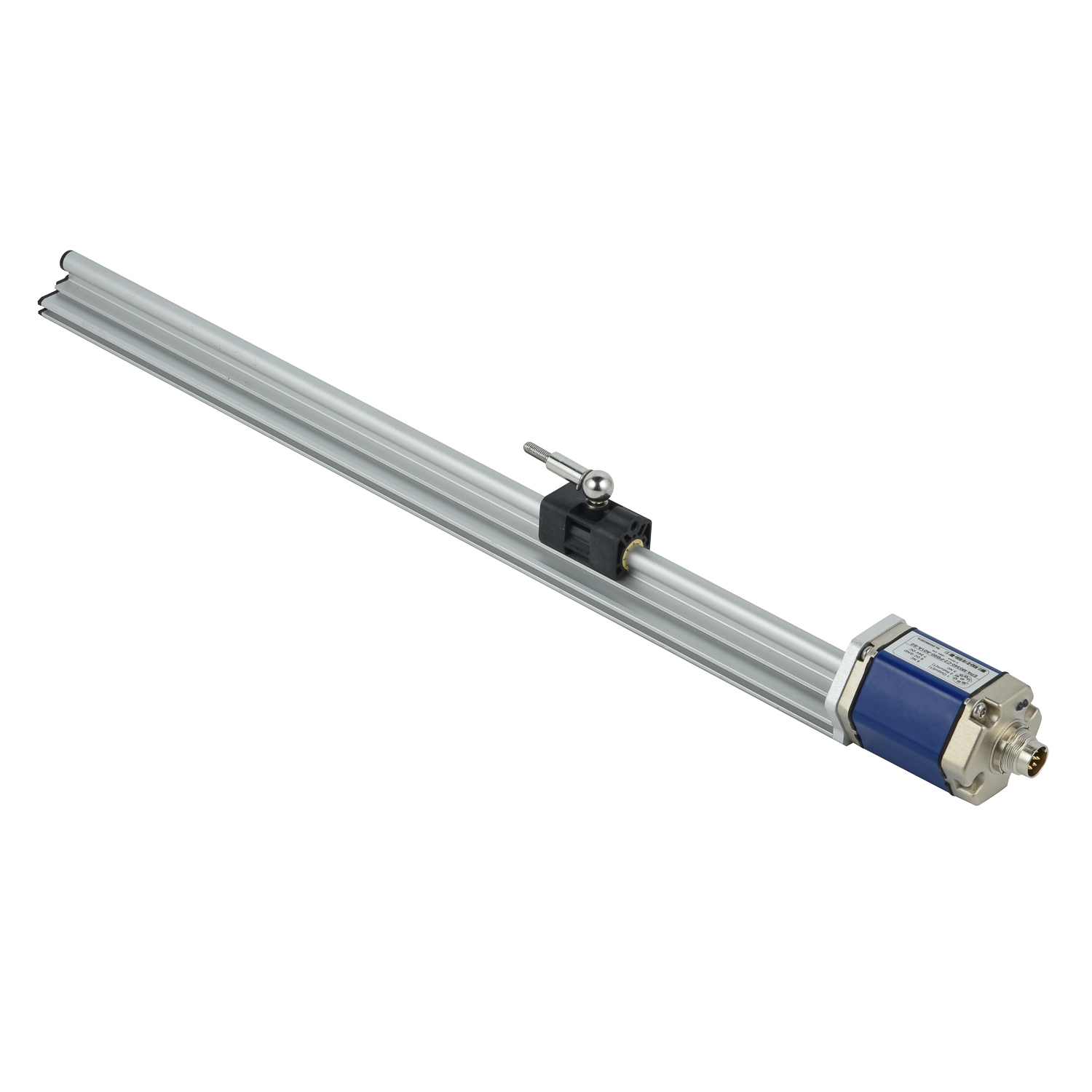
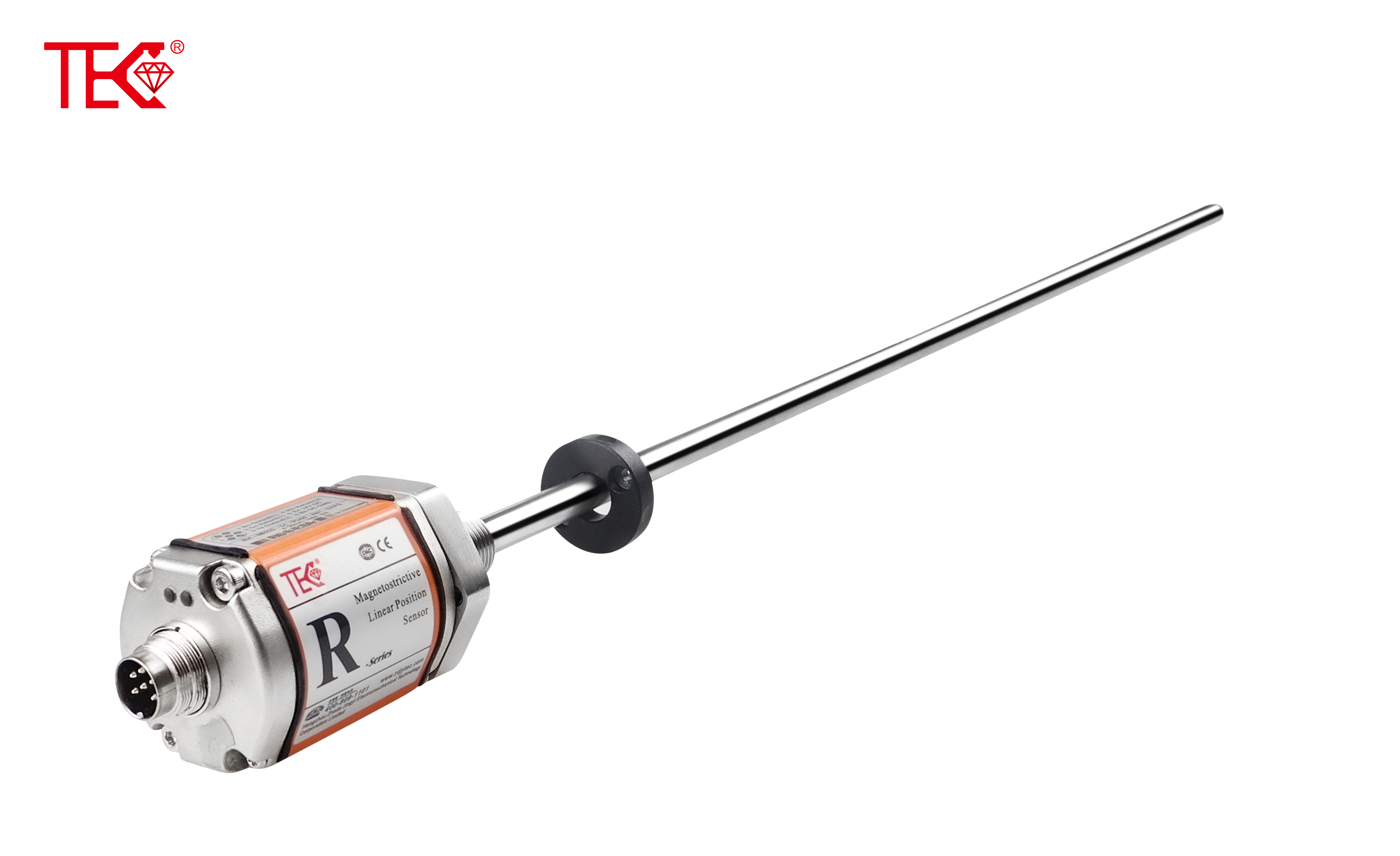
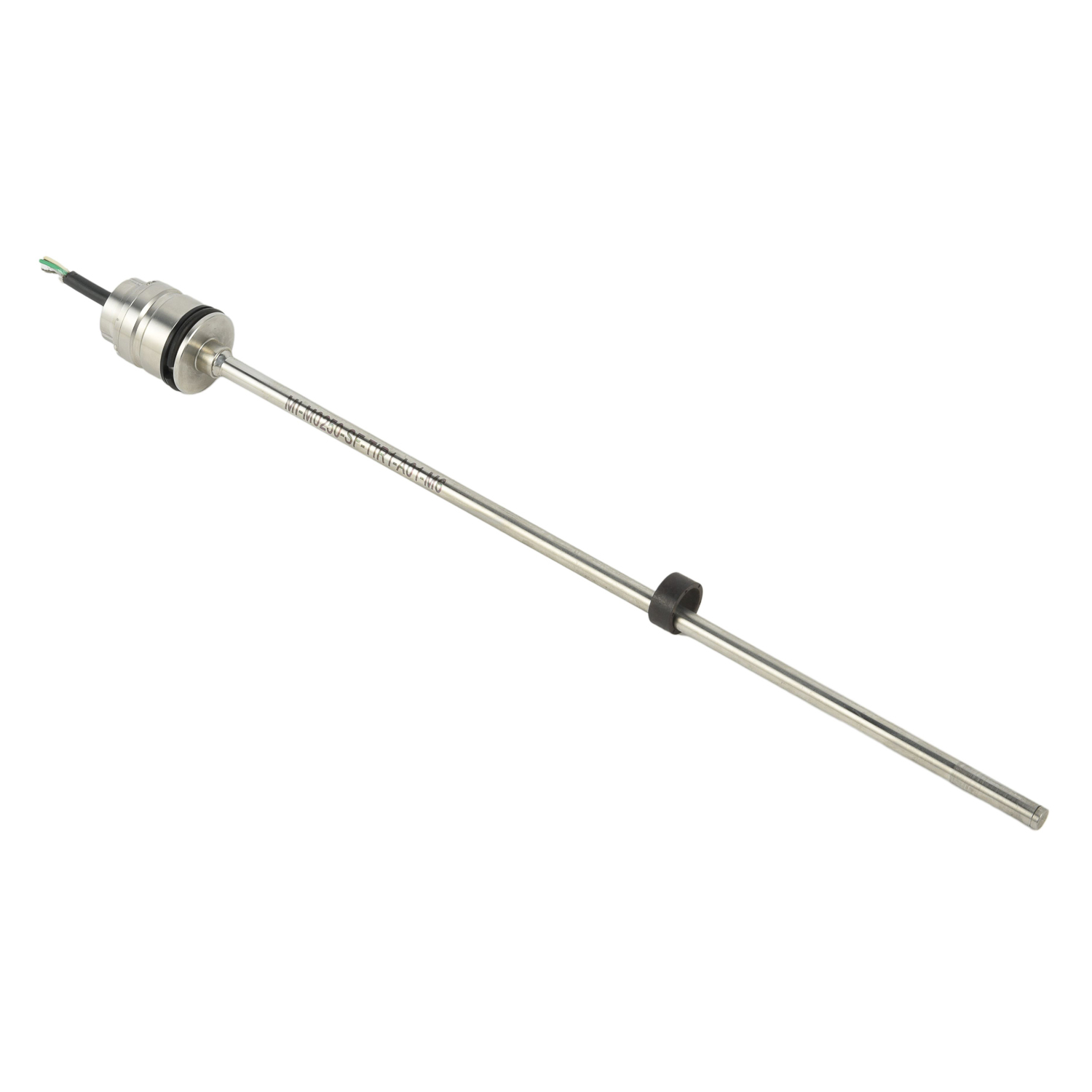
The special value of magnetostrictive sensors lies fundamentally in their exceptional accuracy. These sensors operate on the principle of magnetostriction, where a magnetic field interacts with a waveguide to generate a torsional stress wave. The position of a permanent magnet ring float, which moves with the water level, is determined by measuring the time of flight of this wave. This non-contact measurement method is immune to the wear and tear that plagues mechanical sensors. It delivers highly repeatable measurements with resolutions often finer than a millimeter, ensuring that even the slightest changes in draft are detected. This reliability is vital for calculating displacement and deadweight accurately.
Real-Time Data for Optimal Cargo Management
Beyond simple measurement, the real-time capability of magnetostrictive sensors provides immense operational value. During loading and unloading, officers on the bridge can monitor the draft from multiple points (forward, aft, and amidships) simultaneously. This live data allows for precise control over cargo distribution, preventing issues like hull bending (hogging and sagging) and ensuring optimal trim. By optimizing the vessel's attitude in the water, operators can significantly reduce fuel consumption and minimize structural stress on the hull, leading to substantial cost savings and enhanced operational longevity.
Enhancing Safety and Regulatory Compliance
The integration of magnetostrictive draft sensors directly contributes to maritime safety. An inaccurate draft reading can lead to overloading, compromising a vessel's stability and seaworthiness. This technology provides a critical safeguard against such risks. Furthermore, the data from these sensors is essential for compliance with international regulations, such as the International Load Line Convention. The objective, tamper-resistant nature of the data provides a verifiable record for port state control inspections, simplifying the clearance process and avoiding potential fines or delays.
Robust Performance in Harsh Marine Environments
The marine environment is exceptionally challenging, characterized by saltwater corrosion, temperature extremes, and constant vibration. Magnetostrictive sensors are specifically engineered to withstand these conditions. Constructed from durable materials like stainless steel and featuring robust sealing, they offer a long service life with minimal maintenance. Their intrinsic design is less susceptible to fouling from marine growth or debris compared to other sensing technologies, ensuring consistent performance and reducing the total cost of ownership over the sensor's lifecycle. This ruggedness makes them an indispensable and reliable component for any vessel.
 Technical Parameters of Magnet
 How Much is Magnetostrictive L
 Magnetostrictive Level Gauge P
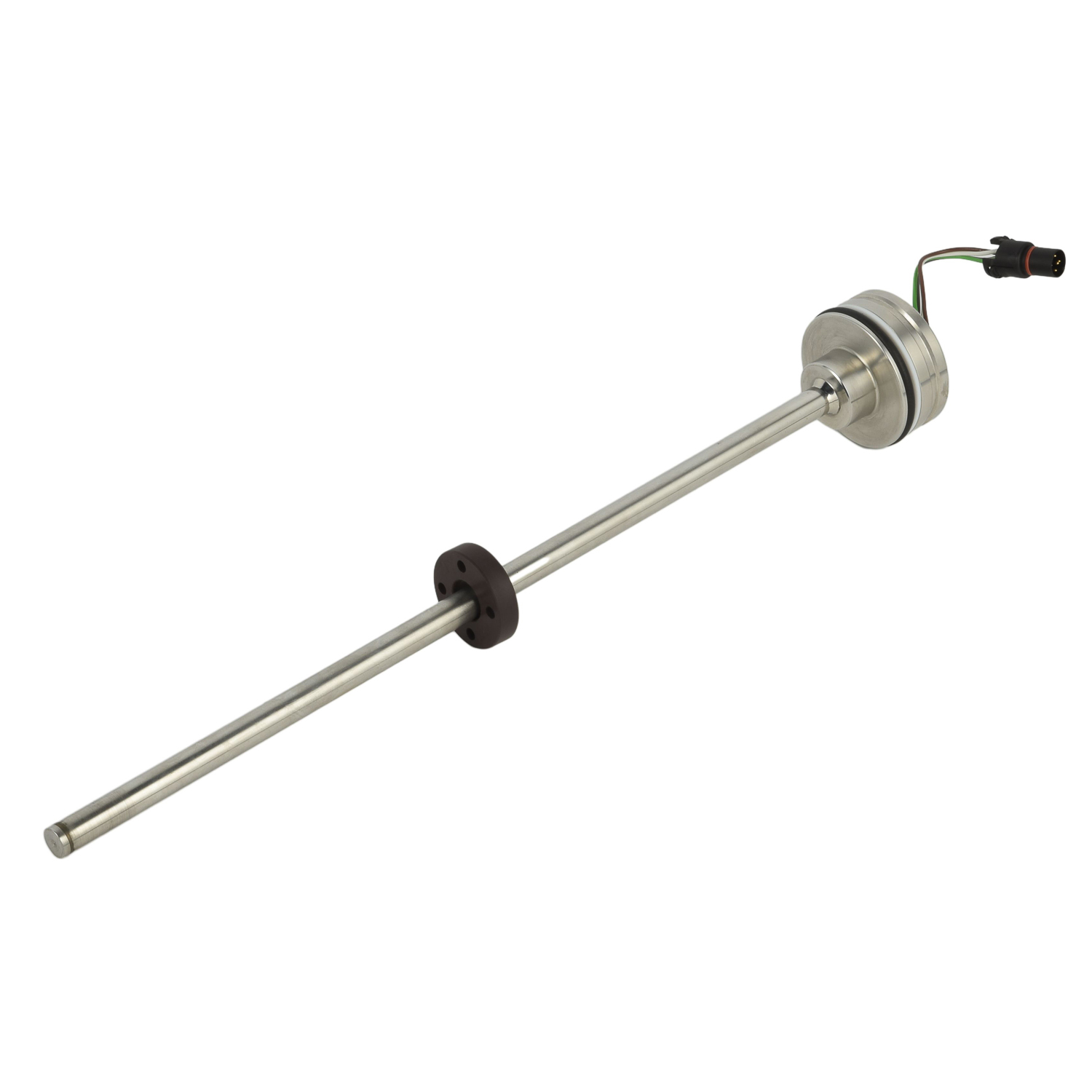 Magnetostrictive Level Gauge S