
How to implement multi-axis synchronous measurement with magnetostrictive technology?
In today's demanding industrial automation landscape, achieving precise and simultaneous measurement across multiple axes is paramount. This capability is crucial for applications ranging from complex CNC machining and robotic assembly to coordinate measuring machines (CMMs). Magnetostrictive technology has emerged as a superior solution for this challenge, offering high accuracy, reliability, and the inherent ability to synchronize measurements. This article provides a comprehensive guide on implementing an effective multi-axis synchronous measurement system leveraging the power of magnetostriction.
Understanding the Fundamentals of Magnetostrictive Sensing
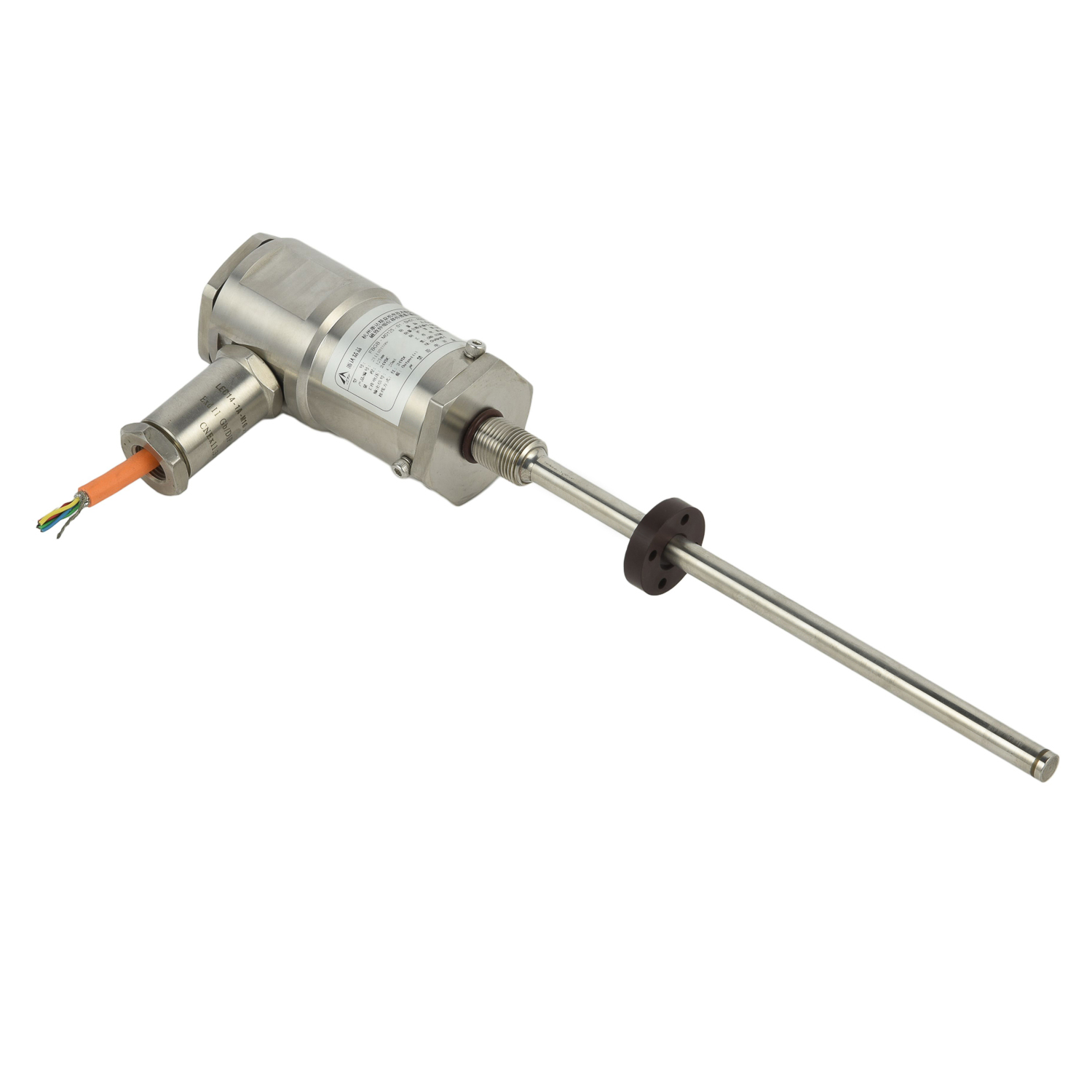
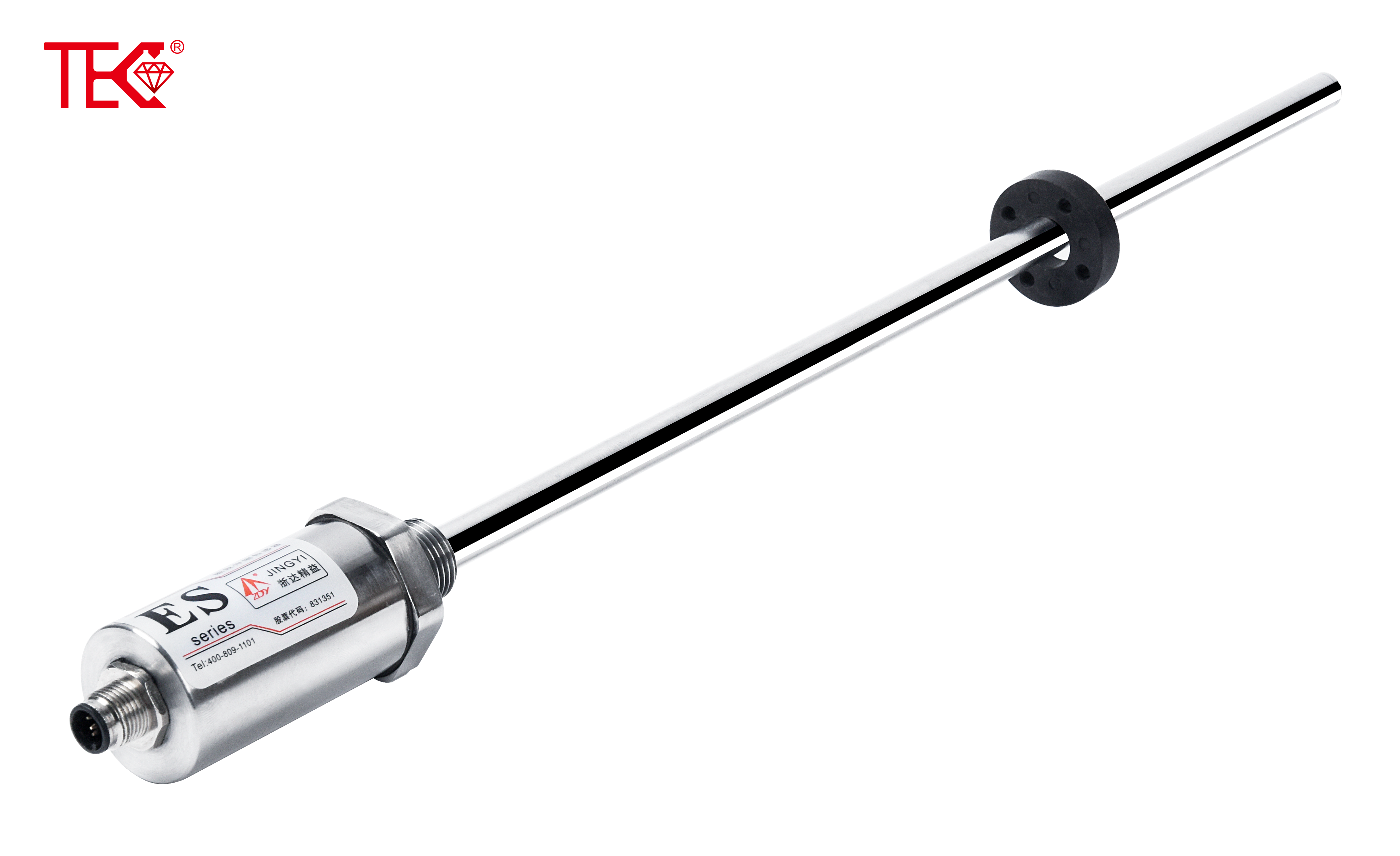
At the heart of this technology lies the magnetostrictive effect. It involves the interaction between a magnetic field and a special ferromagnetic waveguide. A position magnet, attached to the moving part, generates a magnetic field. When an electrical interrogation pulse is sent down the waveguide, it intersects with this magnetic field. This interaction creates a torsional strain wave, known as a magnetostrictive wave, which travels back along the waveguide at a constant speed. An accurate timing circuit measures the precise time interval between the launch of the interrogation pulse and the arrival of the return wave. Since the wave's speed is known, the exact position of the magnet can be calculated with remarkable precision, often within micrometers.
The Critical Need for Synchronous Multi-Axis Measurement
Why is synchronization so vital? In multi-axis systems, such as a gantry robot or a CNC mill, the position of each axis is interdependent. Asynchronous data capture can lead to positional errors and inaccurate path control. For instance, if the X and Y-axis positions are read at slightly different times while a tool head is moving at high speed, the calculated position will be incorrect. This "skew" in data can result in poor product quality, collisions, or reduced throughput. Synchronous measurement ensures that the position of all axes is captured at the exact same instant, providing a true and accurate snapshot of the system's state for optimal control and path accuracy.
Designing the System Architecture for Synchronization
Implementing synchronization requires a carefully designed system architecture. The core component is a master controller or a dedicated magnetostrictive transducer interface module. This master unit does not poll each sensor sequentially; instead, it simultaneously sends the interrogation pulses to all magnetostrictive sensors in the system. Because the pulses are initiated at the same moment, the position calculations for all axes are referenced to a single, common time zero. This architecture eliminates the timing errors associated with sequential polling, ensuring that all position readings are perfectly synchronized, regardless of the number of axes involved.
Integrating Magnetostrictive Sensors with Control Networks
For seamless operation, the synchronized measurement system must integrate effectively with higher-level control networks like EtherCAT, PROFINET, or EtherNet/IP. Modern magnetostrictive sensors come equipped with these industrial Ethernet interfaces. The master controller gathers the synchronous position data from all sensors and packages it into a single data telegram. This telegram is then transmitted over the network during each cycle to the Programmable Logic Controller (PLC) or motion controller. This high-speed, deterministic communication ensures that the control system receives a coherent set of axis positions for making real-time decisions without delay.
Best Practices for Installation and Calibration
Proper installation is critical for achieving the specified accuracy and synchronization. Ensure the sensor body is mounted securely and aligned correctly to avoid bending stresses on the waveguide. The position magnet must maintain a consistent and concentric air gap around the sensor as it moves. For calibration, establish a known reference point or "home" position for each axis. The system should be calibrated so that this reference point is consistent across all axes. Regular verification checks should be performed to confirm that synchronization is maintained and that positional data from all axes remains aligned over time.
Conclusion: Achieving Unmatched Precision and Coordination
By understanding the principles of magnetostriction and implementing a master-controlled synchronization architecture, engineers can achieve unparalleled precision in multi-axis motion systems. Magnetostrictive technology provides the robust, high-resolution feedback necessary for today's advanced automation challenges. When integrated with modern industrial networks and installed with care, a multi-axis synchronous measurement system becomes a powerful tool for enhancing productivity, improving quality, and enabling more complex and precise automated operations.
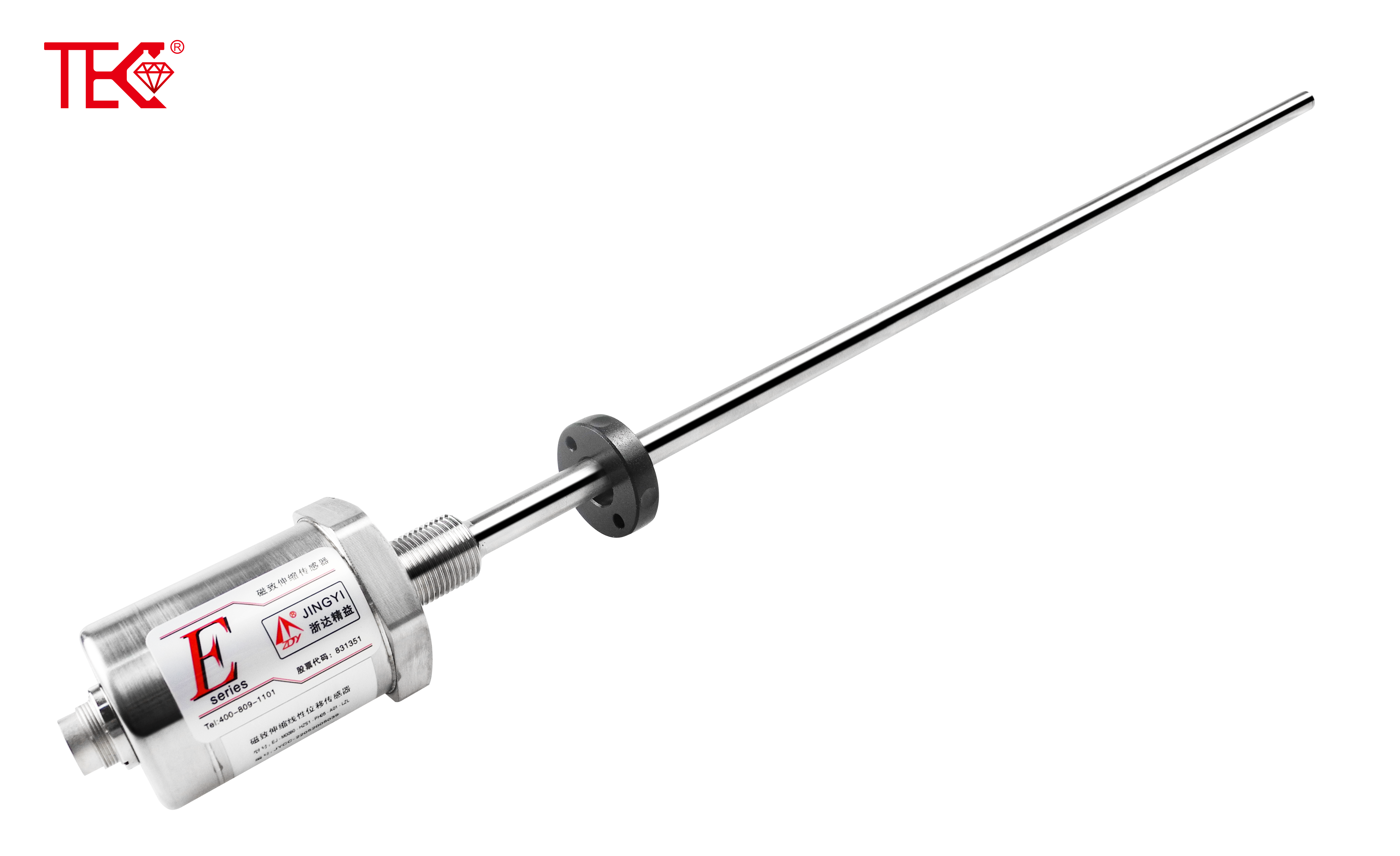 Linear Displacement Sensor
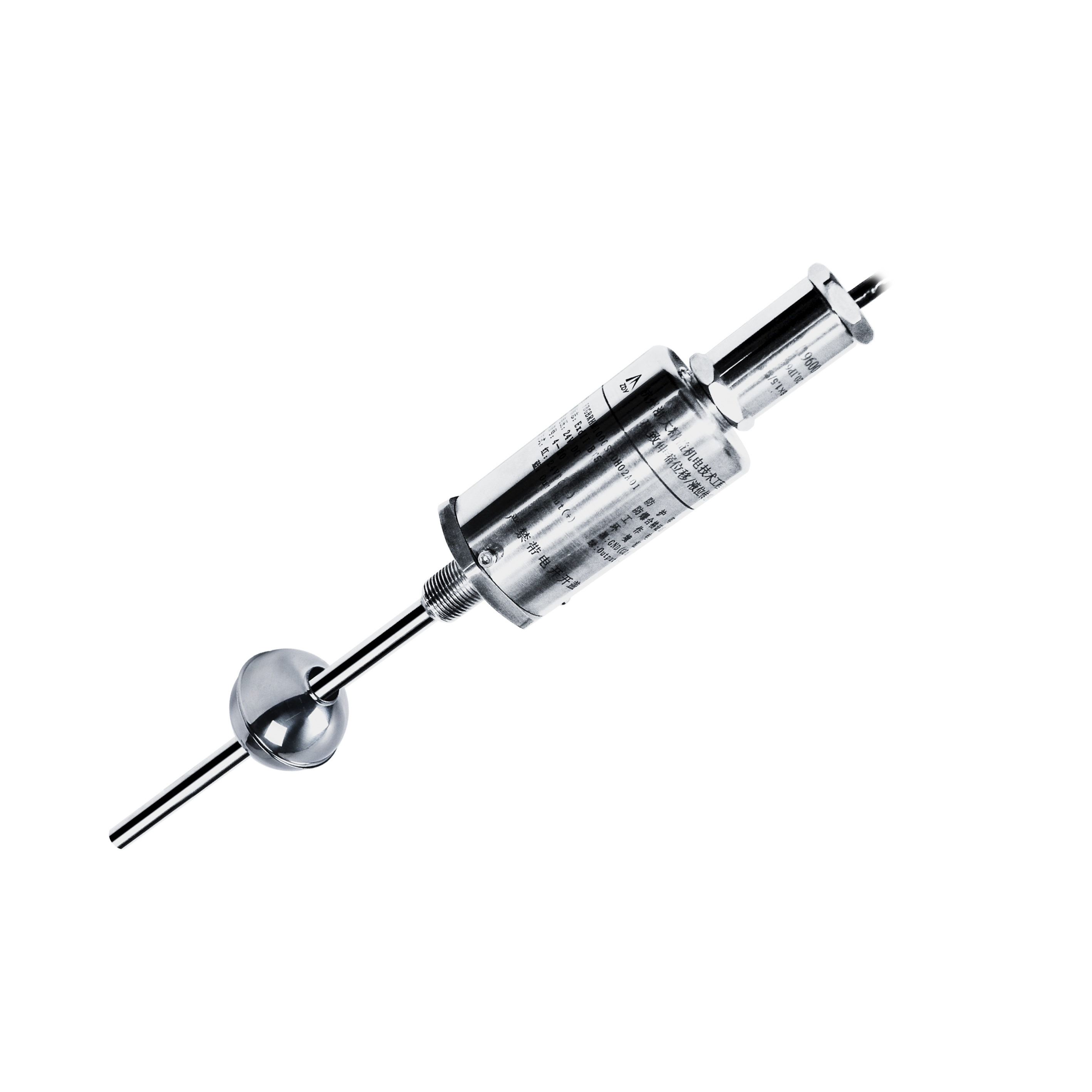 Magnetostrictive Level Gauge F
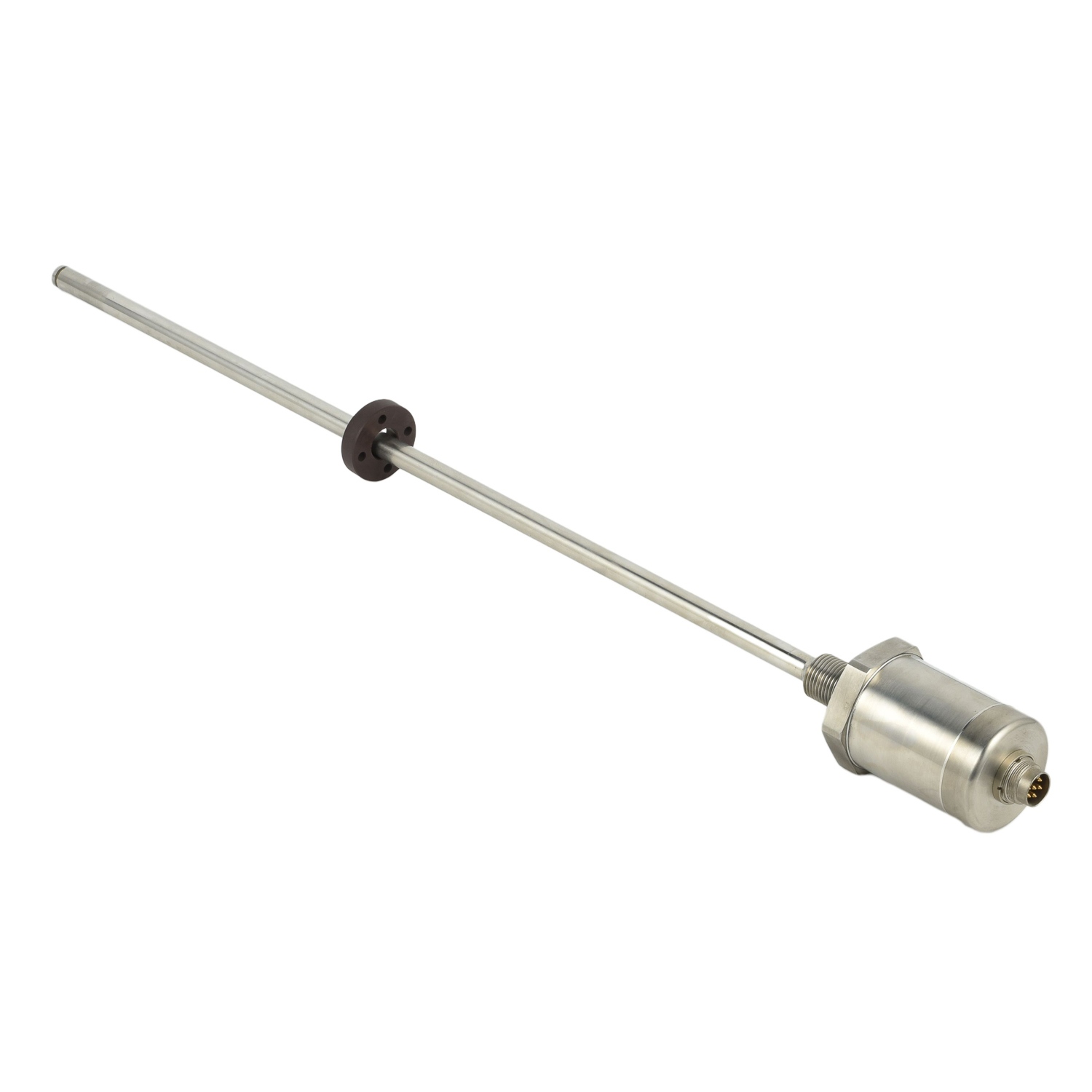 Field Application of Magnetost
 Model and Specification of Mag