
How do magnetostrictive sensors enable precise water metering?
Magnetostrictive sensors represent a significant technological advancement in fluid measurement, offering unprecedented accuracy for water metering applications. These sophisticated devices operate on fundamental physical principles to deliver reliable data for various industrial and municipal needs.
The Core Working Principle of Magnetostrictive Technology
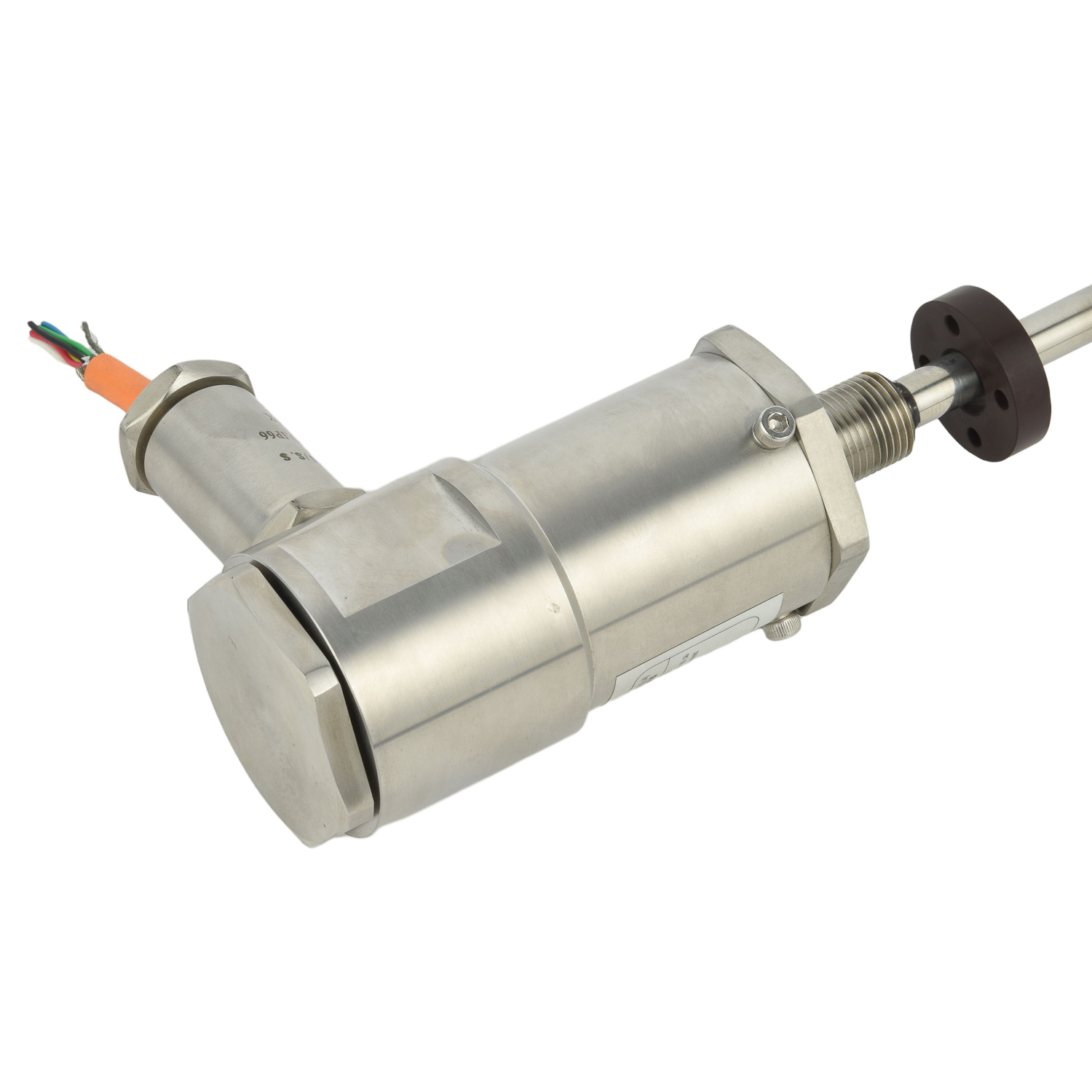
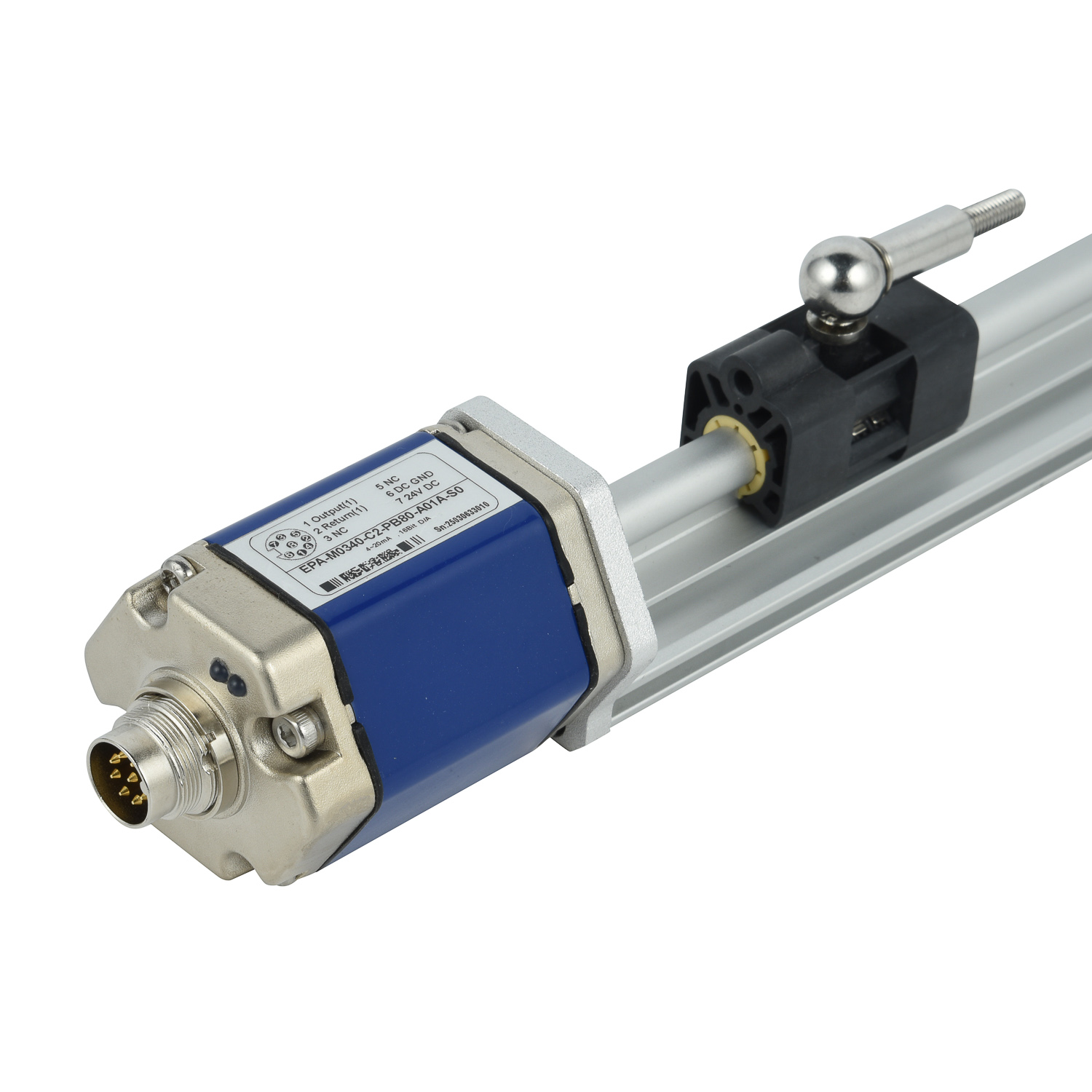
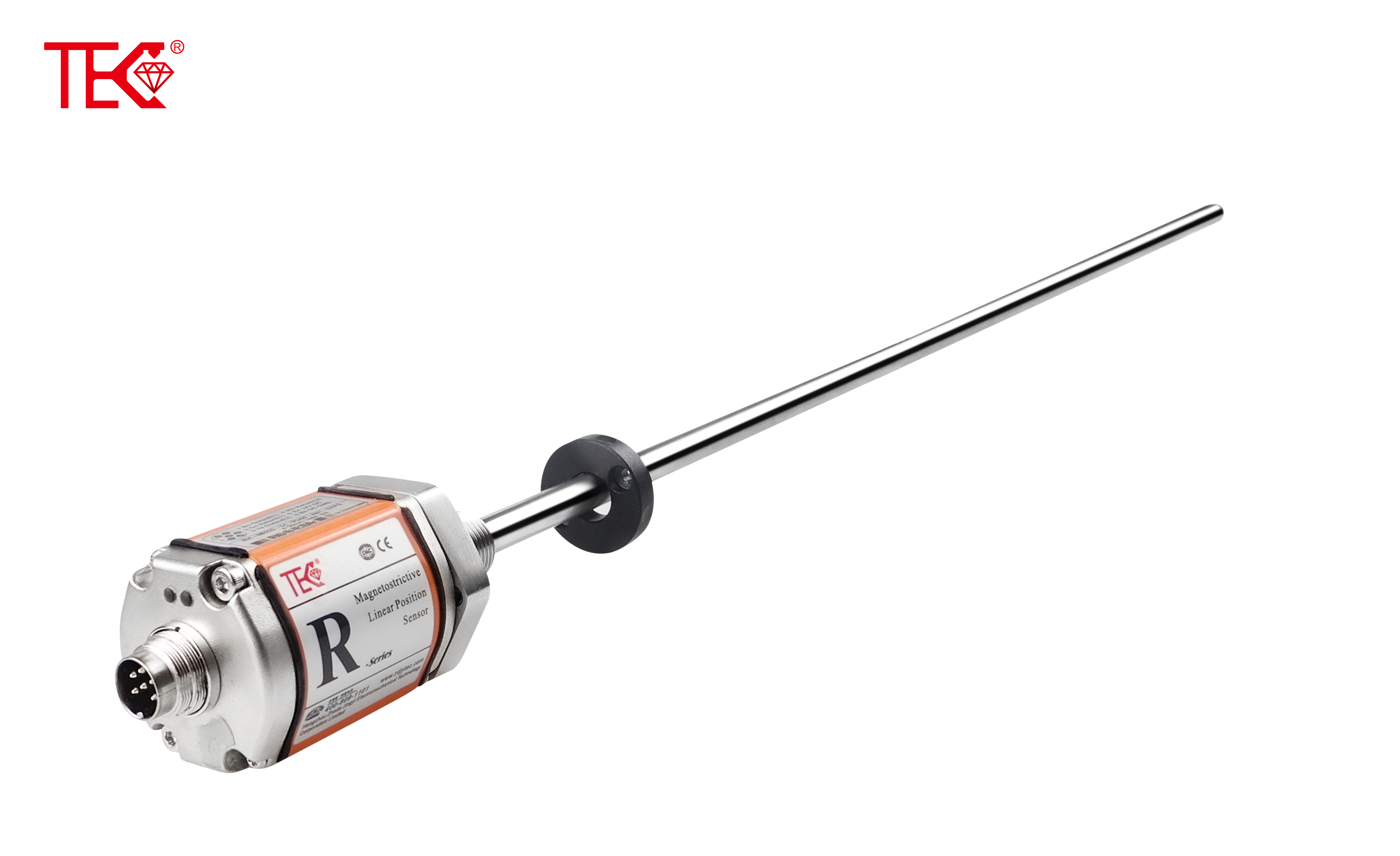
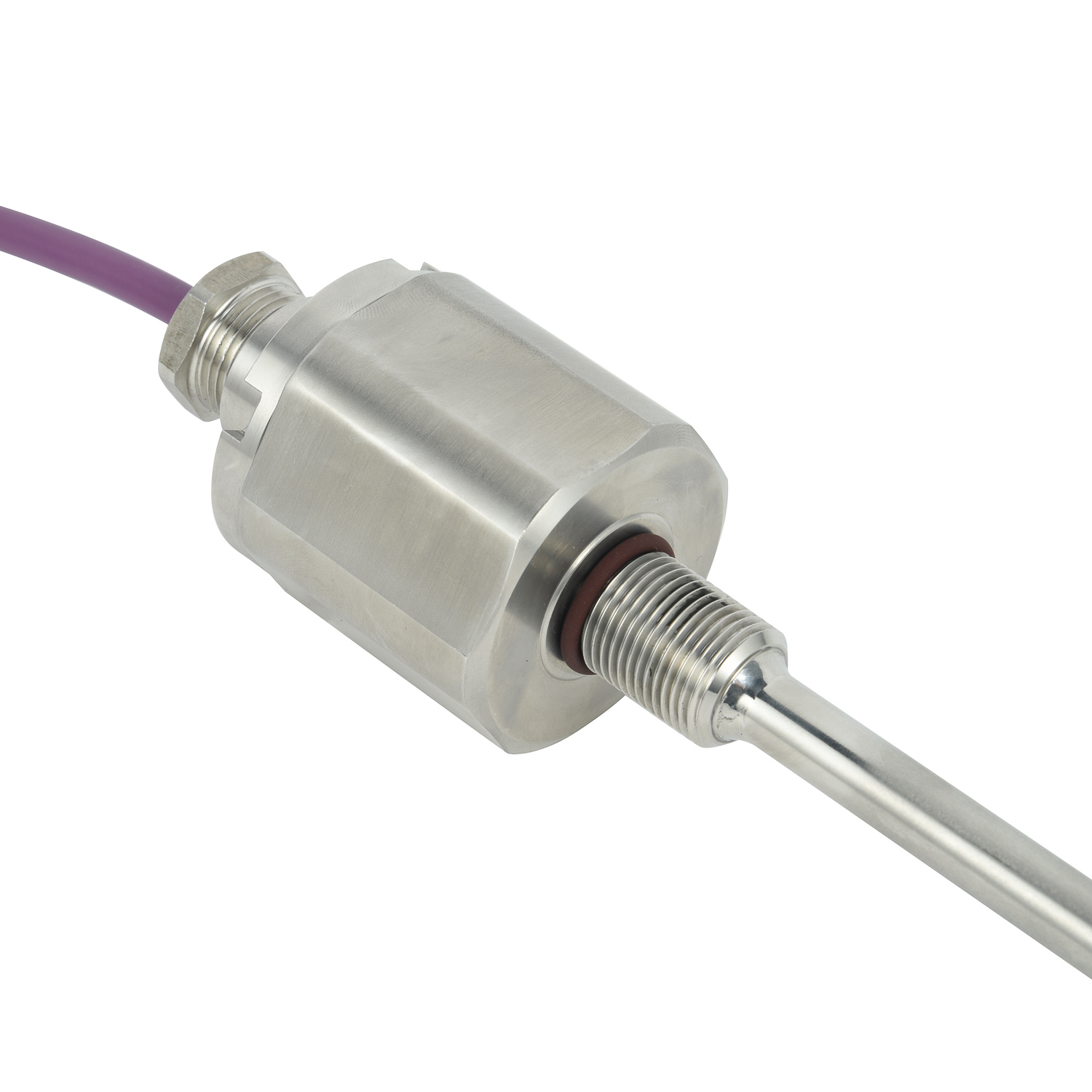
At the heart of magnetostrictive sensors lies a fascinating physical phenomenon where certain materials change shape when exposed to magnetic fields. The system comprises a float containing permanent magnets that moves along a waveguide wire. When a current pulse is sent through the wire, it generates a magnetic field that interacts with the float's magnets. This interaction creates a torsional stress wave that travels along the wire at ultrasonic speeds. The time difference between sending the current pulse and receiving the returning wave accurately determines the float's position, which corresponds to water level or flow rate.
Superior Accuracy in Water Measurement
Unlike traditional mechanical meters that suffer from wear and degradation, magnetostrictive sensors maintain their precision over time. They typically achieve accuracy levels within ±0.05% of full scale, far surpassing conventional meters that may deviate by 1-2% or more. This exceptional precision stems from their non-contact measurement approach, which eliminates mechanical friction and associated inaccuracies. The technology provides reliable data even under low-flow conditions where mechanical meters often fail to register consumption accurately.
Advanced Signal Processing for Enhanced Performance
Modern magnetostrictive sensors incorporate sophisticated electronics that process the ultrasonic signals with remarkable precision. Advanced digital signal processors filter out noise and environmental interference, ensuring stable readings despite temperature fluctuations or electrical disturbances. The sensors continuously self-monitor their performance, detecting potential issues before they affect measurement accuracy. This intelligent processing capability makes them ideal for critical applications where data reliability is paramount.
Durability and Long-Term Reliability
The non-contact nature of magnetostrictive measurement ensures exceptional longevity with minimal maintenance requirements. With no mechanical parts subject to wear, these sensors typically operate reliably for decades without calibration drift. They withstand harsh environmental conditions, including extreme temperatures, pressure variations, and corrosive water qualities that would compromise conventional meters. This robustness translates to reduced lifecycle costs and uninterrupted service for water utilities and industrial users.
Integration with Smart Water Networks
Magnetostrictive sensors serve as fundamental components in modern smart water infrastructure. Their digital output seamlessly integrates with automated meter reading systems, enabling real-time monitoring and data analytics. Utilities leverage this capability for leak detection, demand forecasting, and network optimization. The technology supports bidirectional communication, allowing remote configuration and firmware updates that extend functionality without physical intervention.
Environmental and Economic Benefits
The precision of magnetostrictive water metering contributes significantly to conservation efforts by identifying distribution losses and promoting responsible usage. Municipalities using this technology report reduced non-revenue water through early leak detection and accurate billing. Industries benefit from improved process control and compliance with environmental regulations. The long service life and minimal maintenance requirements further enhance sustainability by reducing resource consumption and electronic waste.
Future Developments in Water Metering Technology

Ongoing research focuses on enhancing magnetostrictive sensors with additional capabilities, including multi-parameter measurement and predictive analytics. Emerging designs incorporate energy harvesting to eliminate external power requirements, while miniaturization enables deployment in previously inaccessible locations. The integration of artificial intelligence promises smarter interpretation of measurement data, transforming raw numbers into actionable insights for water resource management.
 Installation Method of Magneto
 Working Principle of Magnetost
 Technical Parameters of Magnet
 How Much is Magnetostrictive L