
What innovations exist in lightning protection design for magnetostrictive sensors?
Modern industrial applications demand reliable position sensing in even the most challenging environments. Magnetostrictive sensors, known for their high precision in measuring linear displacement, are particularly vulnerable to electrical transients, especially those caused by lightning strikes. These surges can travel through power lines or data cables, damaging sensitive internal electronics and leading to costly downtime. Protecting these critical components requires specialized design innovations that go beyond standard solutions.
Advanced Surge Protection Devices (SPDs)
The first line of defense is the integration of sophisticated multi-stage Surge Protection Devices (SPDs). Modern SPDs for magnetostrictive sensors are designed with fast-acting components like metal oxide varistors (MOVs) and gas discharge tubes (GDTs). These devices are strategically placed at all entry points—power supply, output signal lines, and communication interfaces. The innovation lies in their coordinated response; they shunt high-energy surges to ground before the voltage can reach the sensor's delicate circuitry, effectively clamping the voltage to a safe level. This layered approach ensures comprehensive protection against both induced and direct lightning strikes.
Enhanced Shielding and Grounding Techniques
Superior electromagnetic shielding is a critical innovation. Sensor housings and internal electronics are now encapsulated in robust, conductive materials that act as a Faraday cage, deflecting electromagnetic interference (EMI) from lightning. Furthermore, grounding techniques have evolved. Instead of a single-point ground, modern designs often employ a hybrid grounding system that manages both high-frequency and low-frequency noise. This involves using low-impedance ground straps and ensuring all shield terminations are bonded correctly, creating a path of least resistance for surge currents away from the sensor's core components.
Intrinsically Safe (IS) Barrier Integration
For sensors deployed in hazardous areas with explosive atmospheres, Intrinsically Safe (IS) design principles are paramount. Innovations here involve incorporating Zener barriers or galvanic isolators directly into the sensor's interface or within the connected control system. These barriers intrinsically limit the electrical energy—both voltage and current—that can reach the sensor in the hazardous area. Even if a lightning-induced surge occurs on the safe-area side, the IS barrier prevents any spark or thermal effect capable of causing an ignition, thus providing a fundamentally safe design against transients.
Robust Housing and Connector Sealing
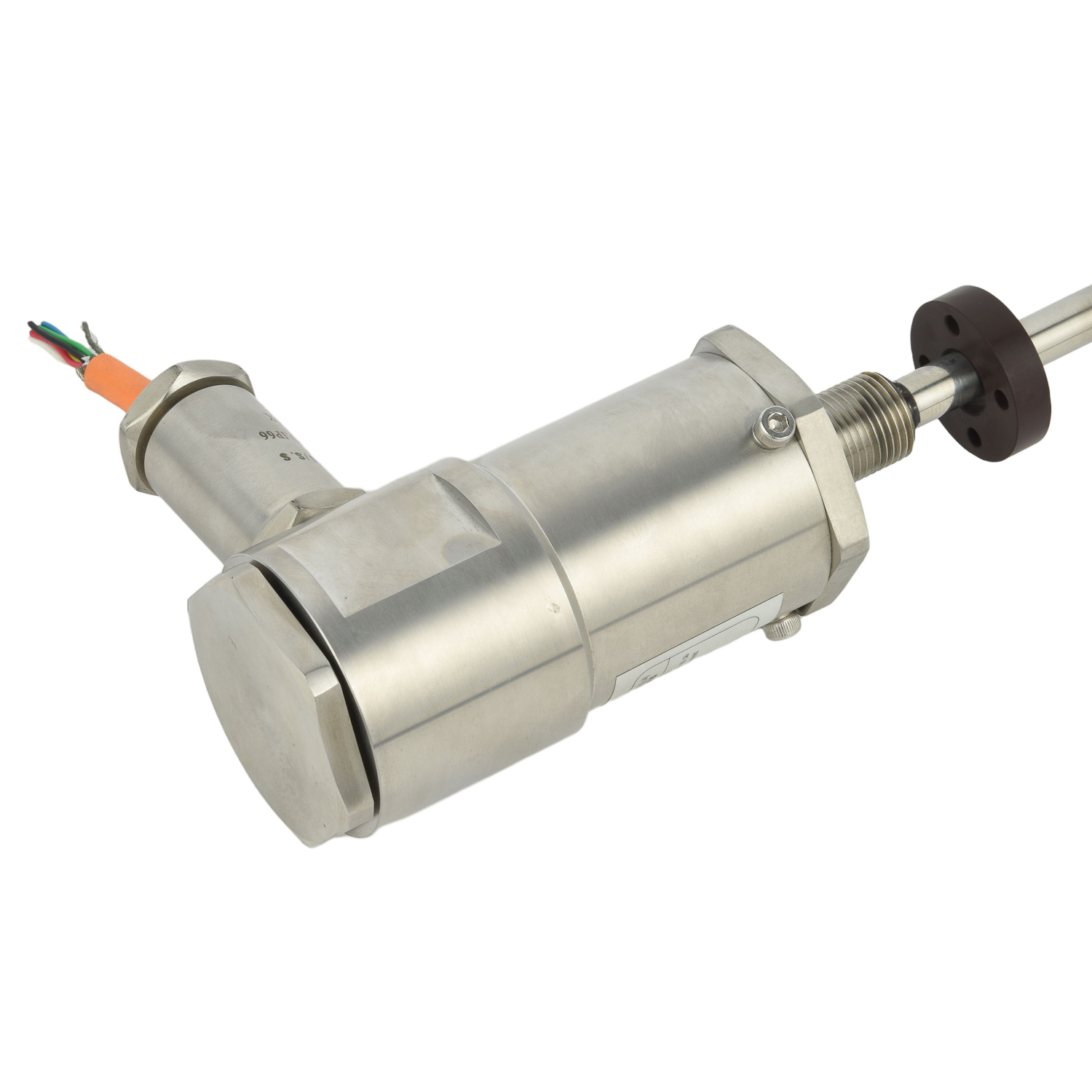
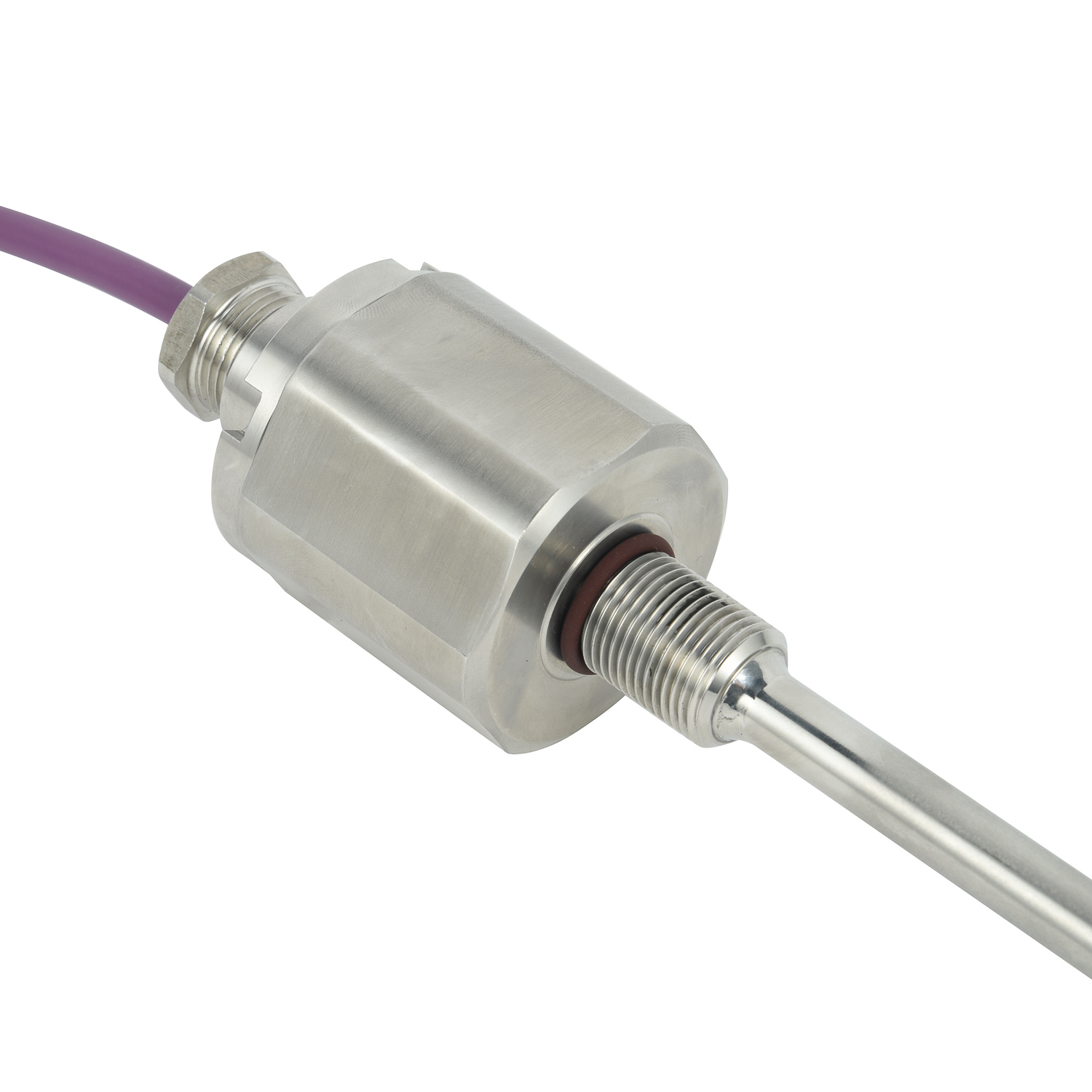
Physical design plays a crucial role. The latest magnetostrictive sensors feature housings with superior IP (Ingress Protection) ratings, such as IP67 or IP69K. This high-level sealing is not just for dust and water; it also prevents the entry of moisture that can create secondary paths for surge currents after a lightning strike. Additionally, sealed, corrosion-resistant connectors ensure that the connection points—common failure points for surges—are fully protected from environmental factors that could compromise the integrity of the surge protection system.
Redundant Circuit Design and Self-Diagnostics
Finally, innovation extends to the internal electronics with redundant circuit design and built-in self-diagnostics. Critical signal paths may be duplicated with separate protection mechanisms, ensuring that if one path fails, the other maintains basic functionality. Furthermore, advanced sensors can now monitor the health of their own protection components, such as indicating when an internal SPD has reached the end of its life and requires service. This predictive maintenance capability prevents unprotected operation and enhances overall system reliability against unpredictable lightning events.
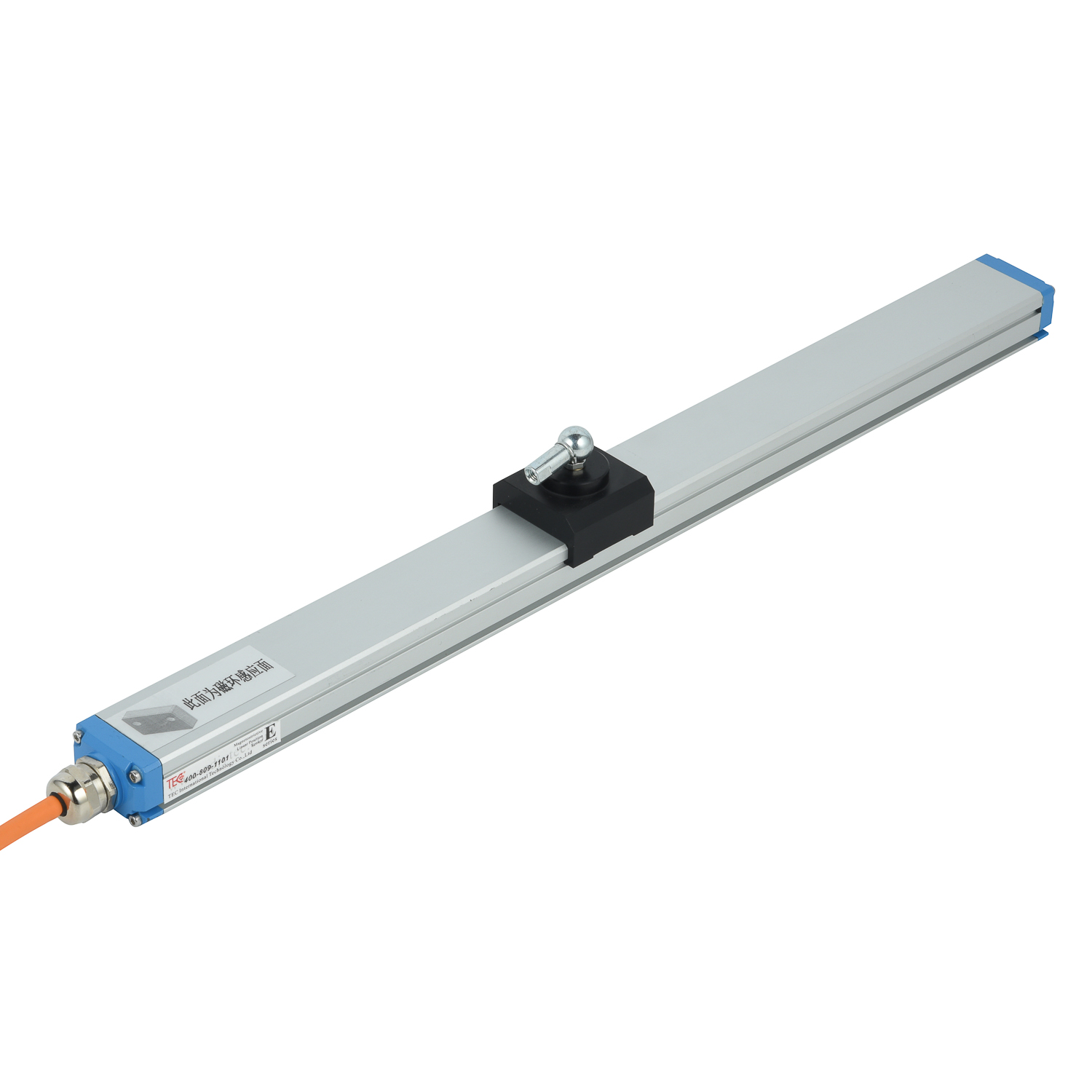
 Installation Method of Magneto
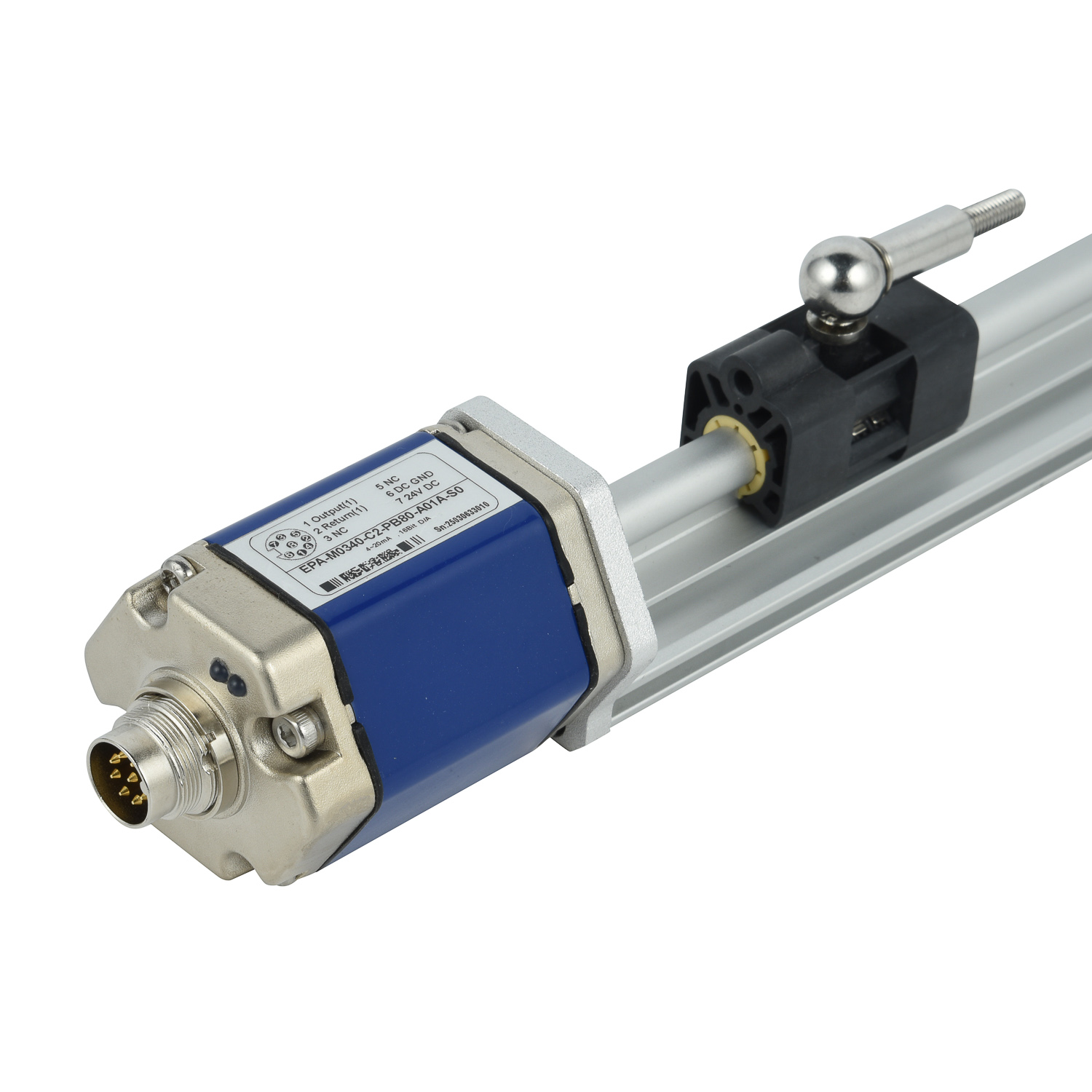 Working Principle of Magnetost
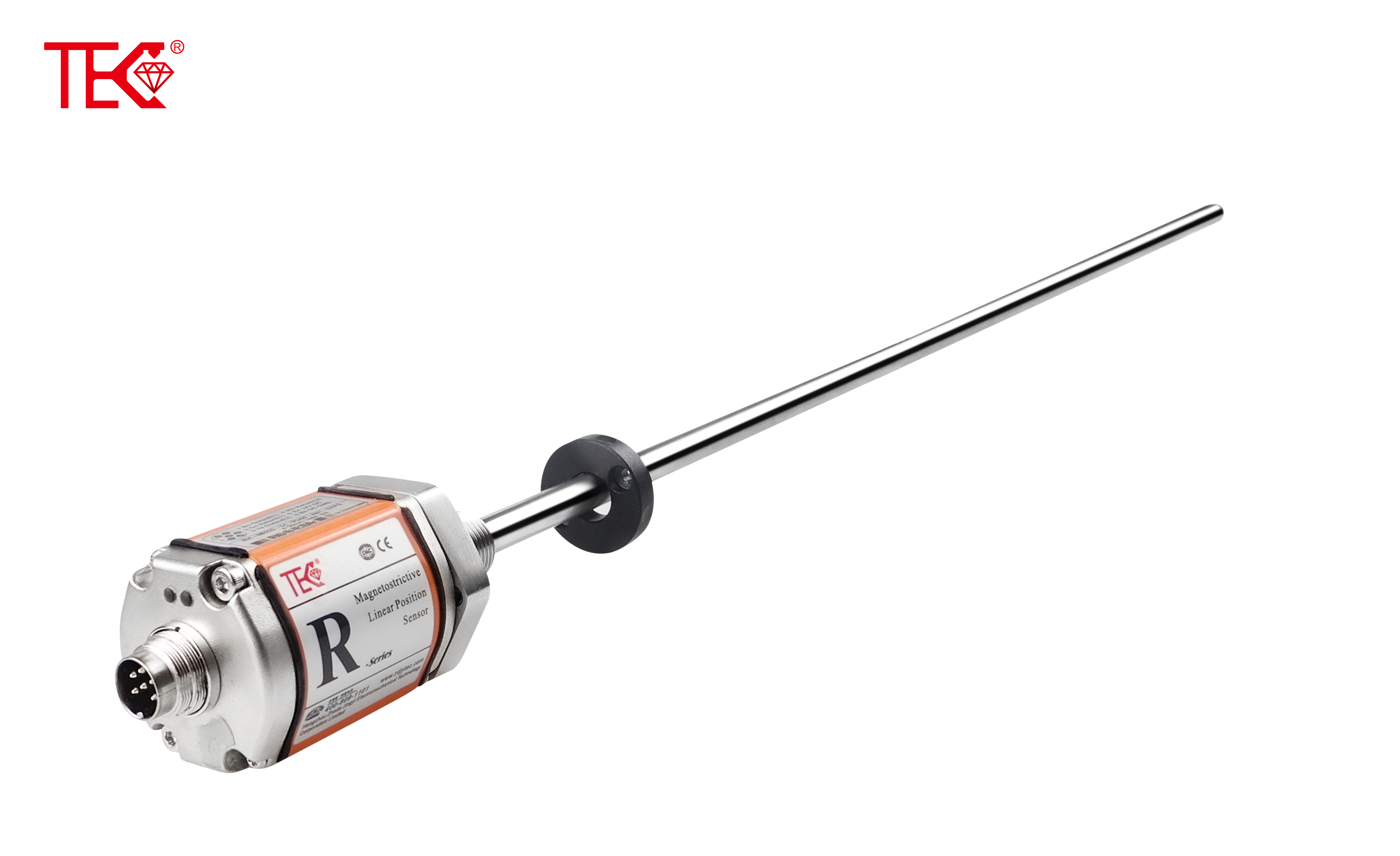 Technical Parameters of Magnet
 How Much is Magnetostrictive L