
Why are magnetostrictive sensors becoming new standards in lab measurements?
Unmatched Precision and Accuracy
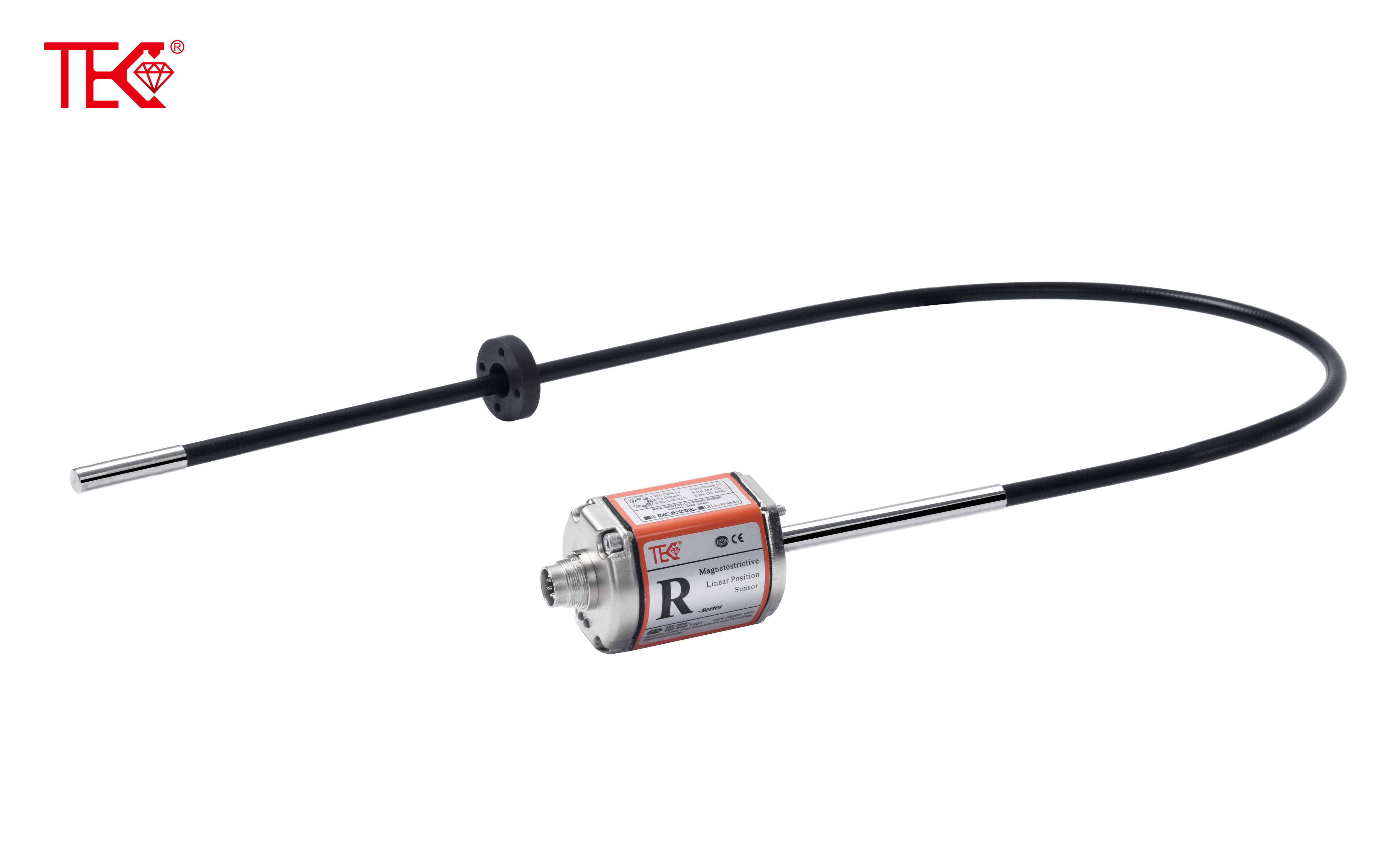
Magnetostrictive sensors are setting new benchmarks in laboratory measurements through their exceptional precision capabilities. Unlike traditional sensing technologies that struggle with minute measurements, these sensors utilize the magnetostrictive principle to achieve micron-level accuracy. The technology works by measuring the time delay between the generation of a magnetic pulse and the detection of a torsional strain wave, resulting in measurements that are both highly accurate and repeatable. This level of precision is particularly crucial in research laboratories where even the slightest measurement error can compromise experimental results. The inherent design eliminates mechanical wear and tear, ensuring consistent performance over extended periods without calibration drift.
Superior Reliability in Demanding Environments
Laboratory environments demand instrumentation that can maintain performance under various challenging conditions. Magnetostrictive sensors excel in this aspect due to their non-contact measurement methodology. Since there's no physical contact between the sensing element and the target, issues common to traditional sensors—such as mechanical wear, friction, and contamination—are completely eliminated. This makes them ideal for sterile laboratory settings, clean rooms, and applications involving corrosive substances. The robust construction typically includes stainless steel housings that protect against chemical exposure and electromagnetic interference, ensuring reliable operation where other sensors might fail.
Enhanced Versatility Across Applications
The adaptability of magnetostrictive sensors across diverse laboratory applications contributes significantly to their growing adoption. These sensors effectively measure various parameters including position, level, and displacement with equal proficiency. In pharmaceutical laboratories, they ensure precise liquid level monitoring in bioreactors. In materials science labs, they provide accurate position feedback for testing equipment. Their ability to interface seamlessly with digital control systems and laboratory information management systems (LIMS) makes them particularly valuable in modern automated laboratories. This versatility reduces the need for multiple specialized sensors, streamlining laboratory operations and reducing costs.
Digital Integration and Smart Capabilities
Modern laboratories increasingly rely on digitalization and Industry 4.0 principles, areas where magnetostrictive sensors demonstrate distinct advantages. These sensors naturally integrate with digital networks and IoT platforms, providing real-time data acquisition and remote monitoring capabilities. Advanced models feature self-diagnostic functions that alert technicians to potential issues before they affect measurements. The digital output eliminates signal degradation common in analog systems, maintaining data integrity throughout the measurement chain. This smart functionality supports predictive maintenance strategies and enhances overall laboratory efficiency by reducing downtime and manual intervention requirements.
Cost-Effectiveness and Long-Term Value
While the initial investment in magnetostrictive sensor technology may be higher than traditional alternatives, the total cost of ownership proves significantly lower over time. The exceptional durability and minimal maintenance requirements translate to reduced operational costs and longer service intervals. Laboratories benefit from decreased instrument replacement frequency and reduced calibration costs. Additionally, the improved measurement accuracy leads to better process control and higher quality outcomes, ultimately contributing to more successful research and development activities. The combination of technical superiority and economic efficiency makes magnetostrictive sensors an increasingly logical choice for forward-thinking laboratories.
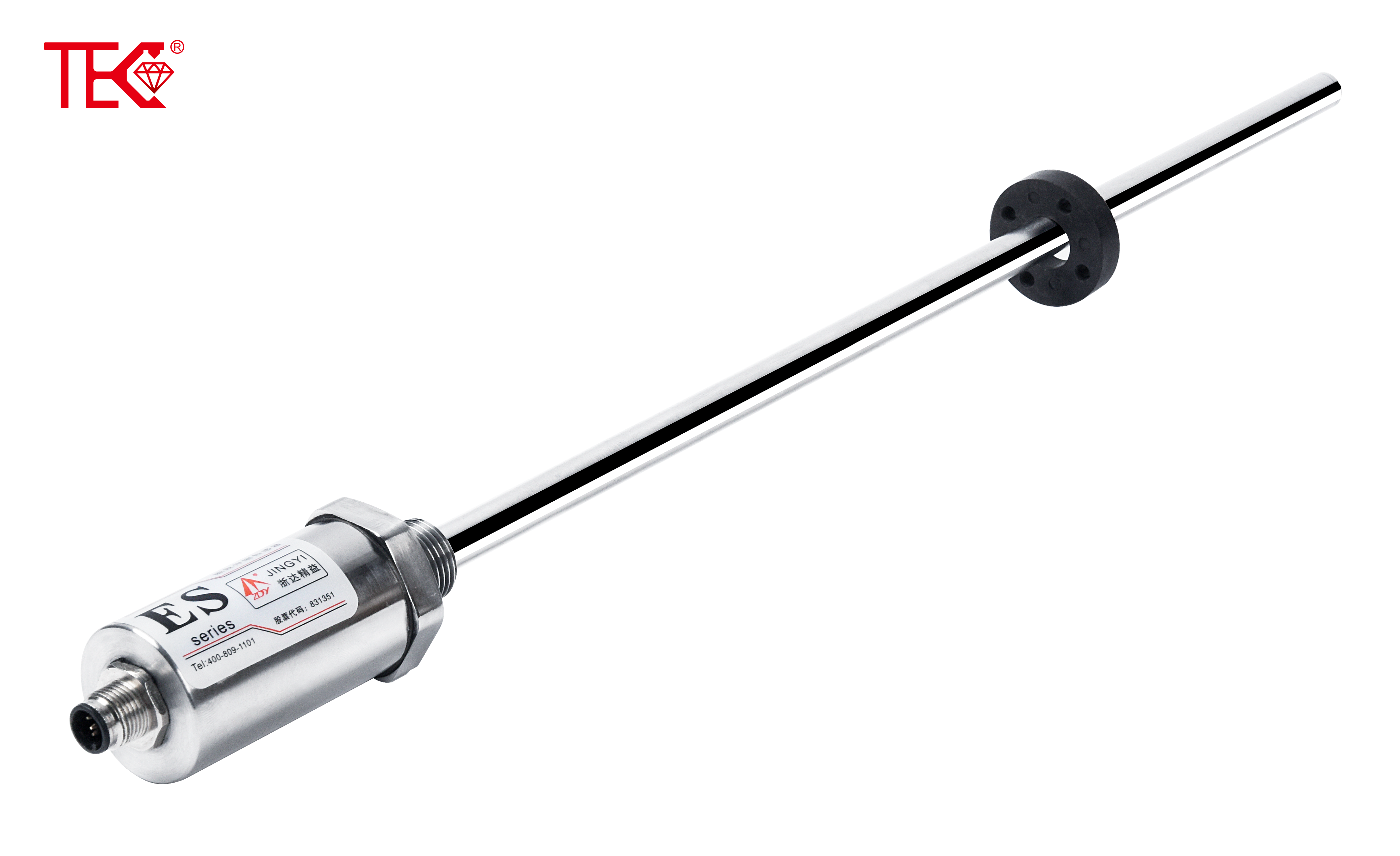
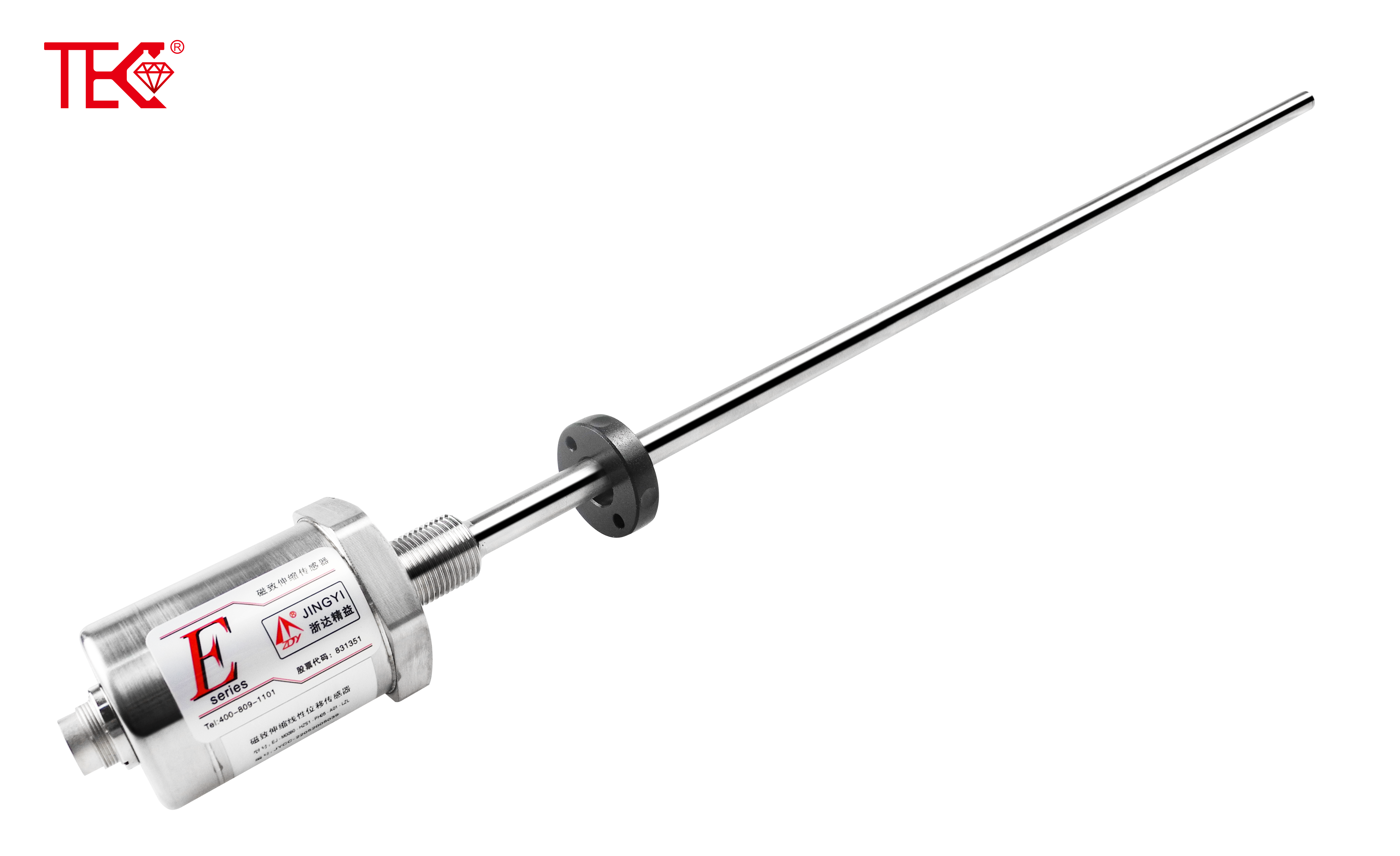 Linear Displacement Sensor
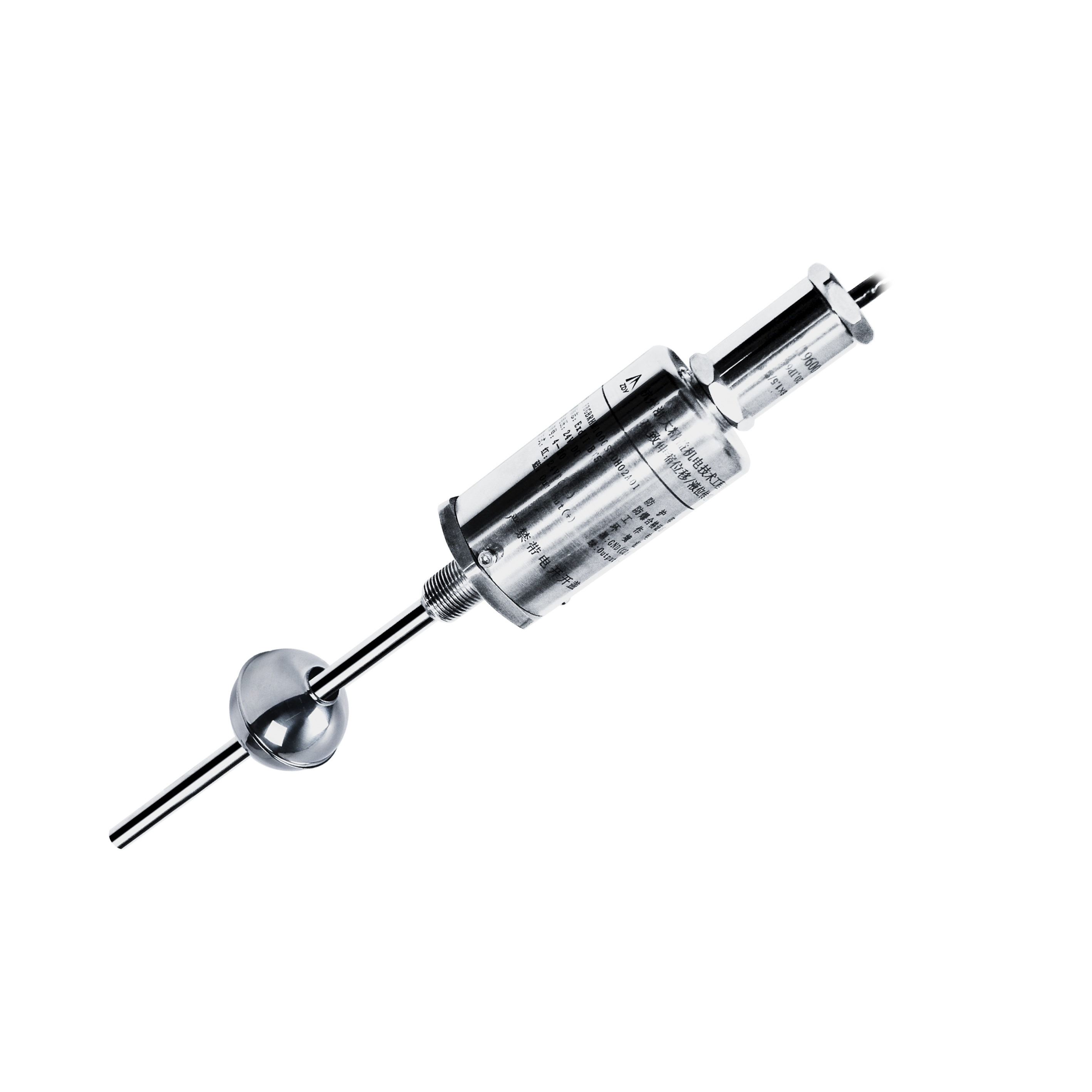 Magnetostrictive Level Gauge F
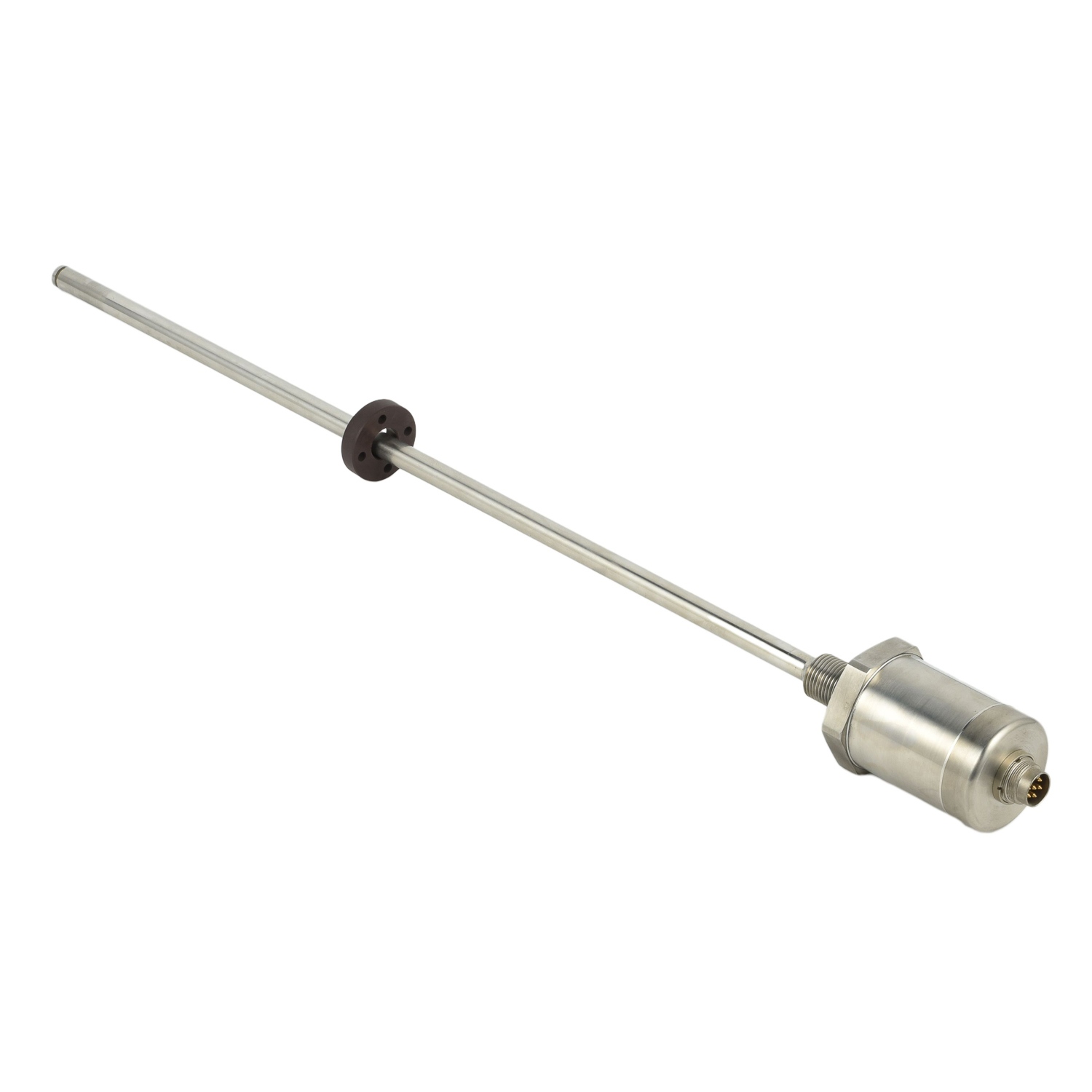 Field Application of Magnetost
 Model and Specification of Mag