
What's the critical role of magnetostrictive sensors in smart grid monitoring?
The Foundation of a Smarter Grid
The evolution towards smart grids represents a fundamental shift in how we generate, distribute, and consume electrical power. Unlike traditional grids, smart grids are bidirectional, data-rich networks designed for efficiency, resilience, and integration of renewable sources. At the heart of this intelligence lies the ability to monitor grid conditions with unprecedented accuracy and in real-time. This is where magnetostrictive sensors emerge as a critical, albeit often overlooked, enabling technology. They provide the precise, reliable data necessary to transform a passive infrastructure into an actively managed, intelligent system.
Unpacking the Magnetostrictive Principle
To appreciate their value, one must first understand how they work. Magnetostrictive sensors operate on a fascinating physical phenomenon: the tendency of certain ferromagnetic materials to change shape minutely when subjected to a magnetic field. In a typical current-sensing application, a conductor carrying current generates a magnetic field. A magnetostrictive waveguide inside the sensor interacts with this field, creating a torsional strain wave. The time it takes for this wave to travel to a detector is directly proportional to the magnitude of the current. This principle allows for non-contact, highly precise measurement of critical parameters like current and temperature without interfering with the power flow itself.
Delivering Unmatched Precision and Reliability
The primary contribution of magnetostrictive sensors to smart grid monitoring is their exceptional precision and long-term stability. In an environment where fluctuations of a few amperes can indicate a potential fault, accuracy is non-negotiable. These sensors provide highly accurate measurements of current load, which is essential for load balancing, energy accounting, and system protection. Their inherent design makes them resistant to environmental factors like temperature drift and electrical noise, ensuring that the data driving grid operations is consistently reliable over decades of service, far outperforming many conventional sensing technologies.
Enabling Real-Time Condition Monitoring
Beyond simple current measurement, advanced magnetostrictive sensors are capable of simultaneous multi-parameter sensing. They can precisely measure the temperature of the conductor they are monitoring. This dual capability is a game-changer for real-time condition monitoring. By correlating current load with the exact temperature of key components like transformers, switchgear, and transmission lines, grid operators can move beyond reactive responses to proactive management. This real-time insight is the cornerstone of predictive maintenance strategies.
Preventing Catastrophic Failures through Predictive Insights
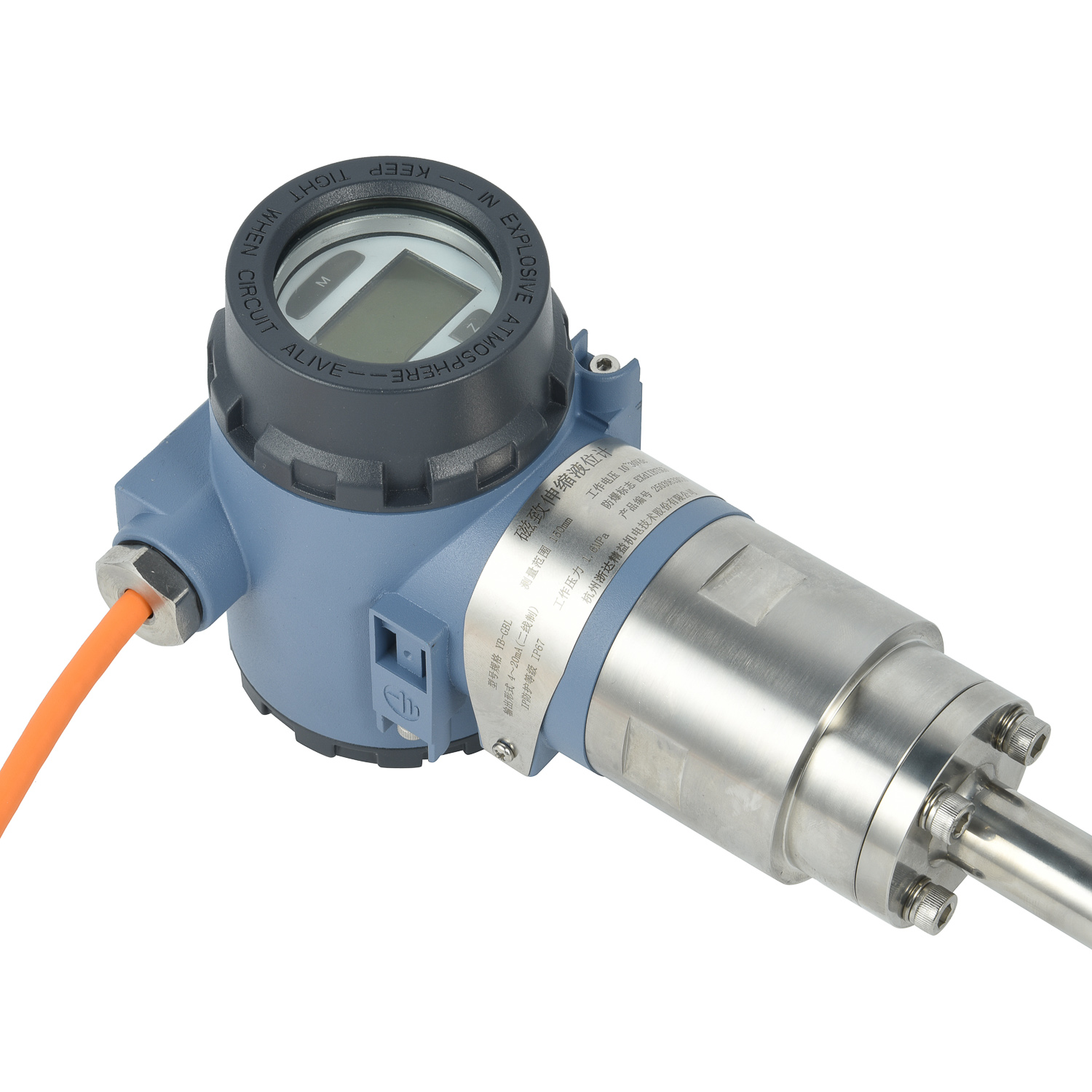
The real-time data from magnetostrictive sensors is a powerful tool for predictive analytics. A sudden, anomalous increase in temperature at a specific node, even under normal current load, can signal an impending connection failure or insulation breakdown. By analyzing these trends, the smart grid's control systems can generate early warnings, allowing maintenance crews to address issues before they escalate into costly blackouts or equipment explosions. This predictive capability directly enhances grid safety, reliability, and asset longevity, saving utilities millions in emergency repairs and outage-related costs.
The Indispensable Sensor for a Resilient Grid
In conclusion, magnetostrictive sensors play a critical and multifaceted role in the smart grid ecosystem. They are not merely data collectors but vital enablers of intelligence and resilience. By providing high-fidelity, real-time data on current and temperature, they form the sensory nervous system of the grid. This data empowers utilities to optimize power flow, implement predictive maintenance, and prevent failures, ultimately ensuring a more stable, efficient, and reliable electrical supply for the future. Their precision and durability make them an indispensable component in building the robust smart grids of tomorrow.
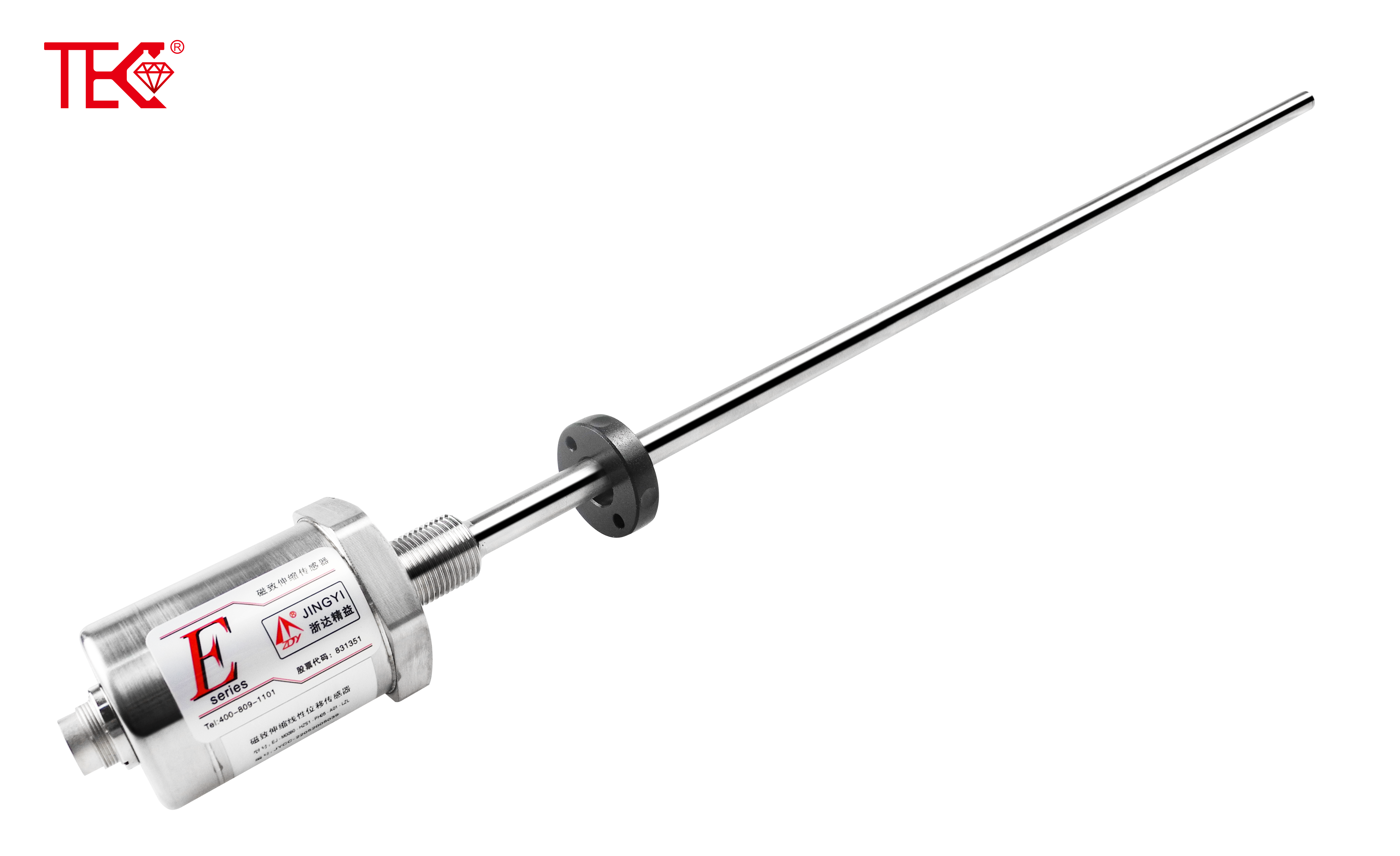 Linear Displacement Sensor
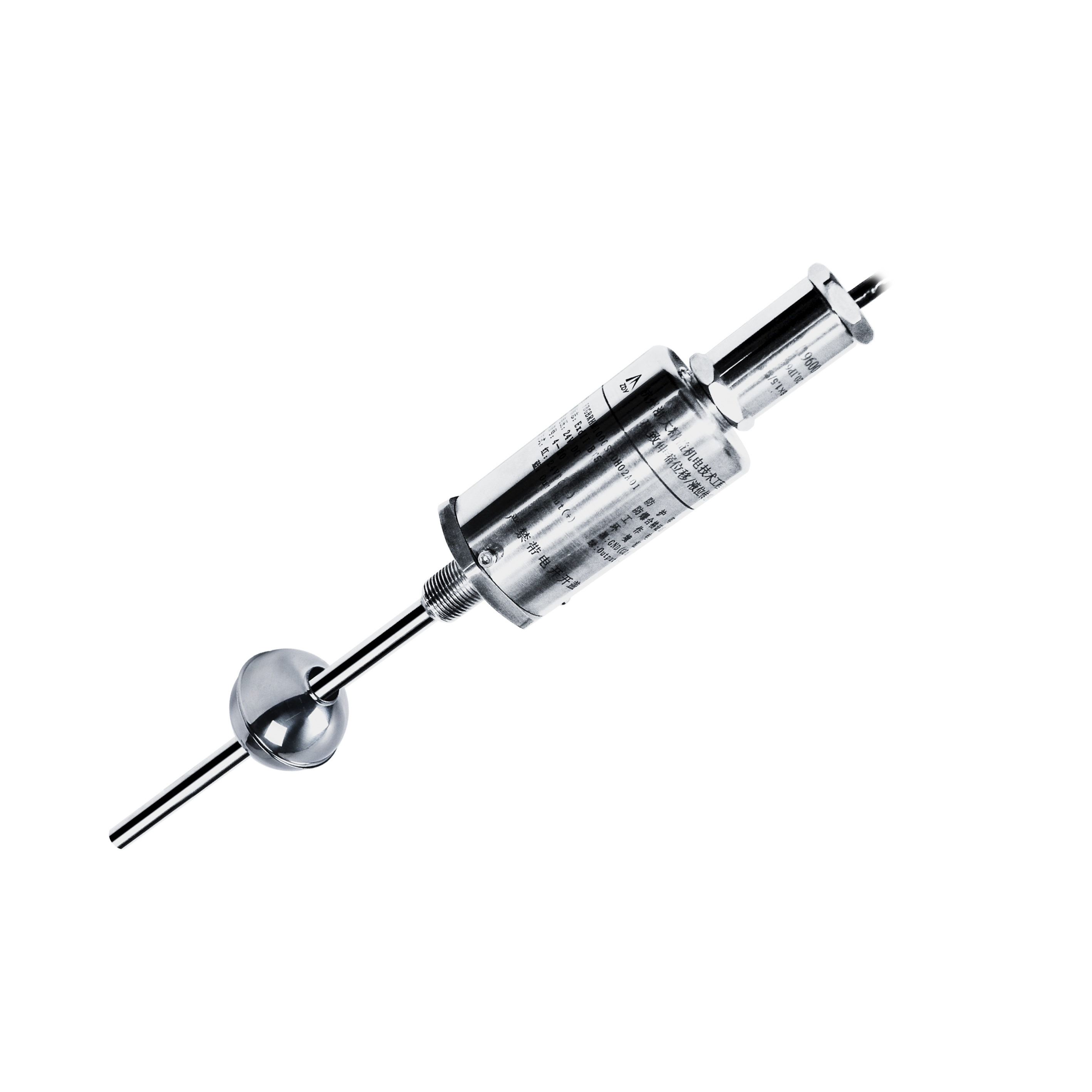 Magnetostrictive Level Gauge F
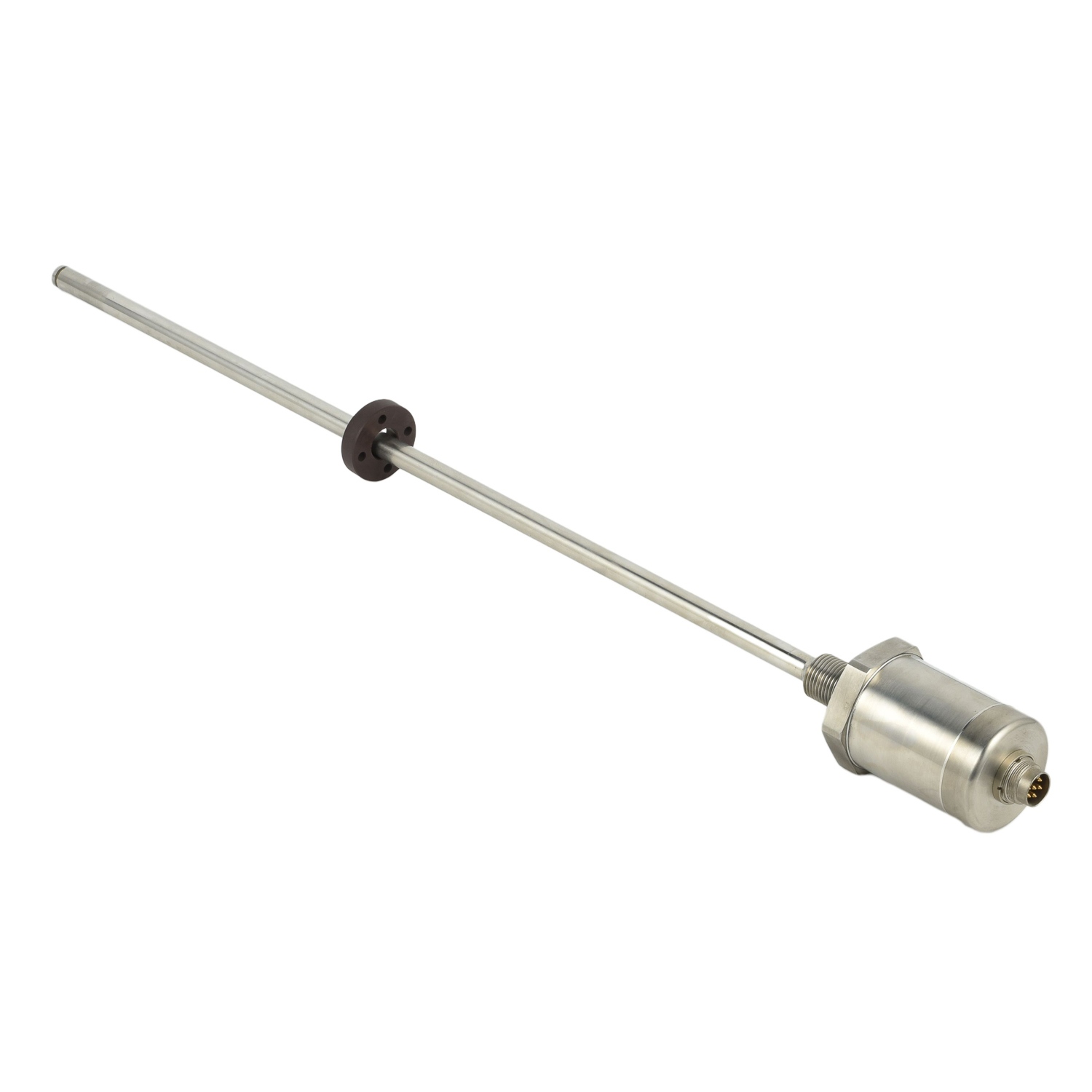 Field Application of Magnetost
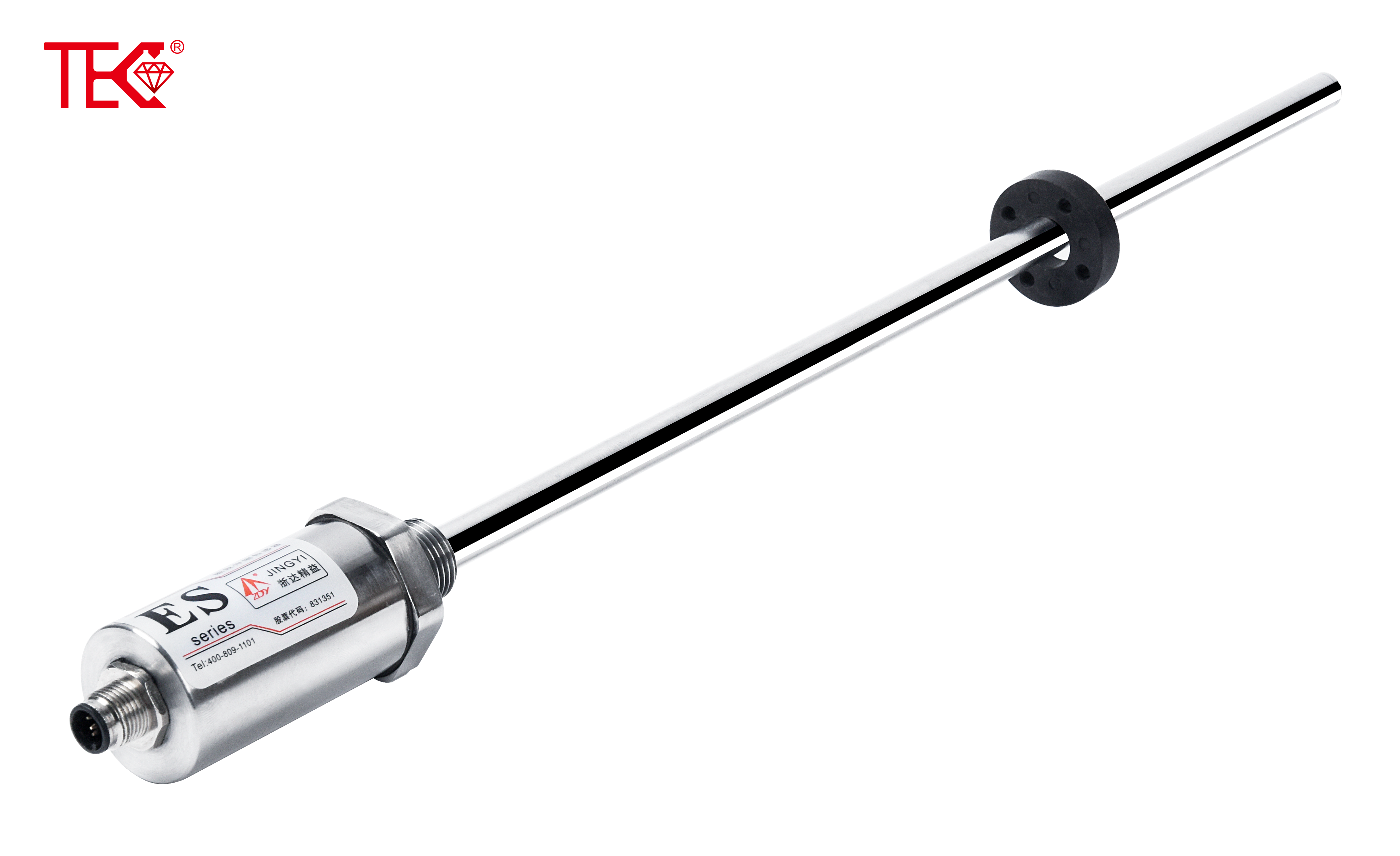 Model and Specification of Mag