
How to achieve miniaturization in magnetostrictive sensor design?
The Drive for Miniaturization in Sensing Technology
The relentless push towards smaller, more efficient electronic systems has made miniaturization a critical goal in magnetostrictive sensor design. As industries from aerospace to medical devices demand higher precision in increasingly compact packages, engineers face the challenge of maintaining performance while dramatically reducing sensor footprint. This trend isn't merely about convenience; it enables new applications in robotics, minimally invasive surgical tools, and portable industrial equipment where space constraints are paramount. The journey toward miniaturization requires a holistic approach, balancing material science, electronic integration, and mechanical design to achieve robust, high-accuracy sensing in a miniature form factor.
Material Innovations for Compact Sensor Design
Achieving miniaturization begins at the material level. Advanced magnetostrictive materials like Terfenol-D and Galfenol offer significantly higher magnetostriction coefficients, allowing for stronger signal generation from smaller material volumes. Thin-film magnetostrictive materials deposited via sputtering or pulsed laser deposition enable the creation of sensing elements mere micrometers thick. Furthermore, composite materials that combine magnetostrictive particles with polymer matrices can be tailored for specific size and performance requirements. The selection of waveguide materials is equally crucial; high-strength, low-density alloys can maintain structural integrity while reducing mass and volume, directly contributing to overall size reduction without compromising sensor longevity or signal clarity.
Advanced Micro-Machining and Fabrication Techniques
Precision manufacturing is the cornerstone of sensor miniaturization. Micro-machining techniques, including photochemical etching, laser micromachining, and micro-electrical discharge machining (μEDM), allow for the creation of intricate features with tolerances in the single-digit micron range. These processes enable the fabrication of tiny, precise waveguides and sensing elements that were previously impossible to produce. Additive manufacturing, or 3D printing, with metal powders opens new possibilities for creating complex internal geometries that optimize space utilization. Such advanced fabrication not only reduces the sensor's physical dimensions but also improves performance by allowing for more precise control over the critical components that interact with the magnetic field, leading to greater accuracy in position or velocity detection.
Optimizing Waveguide and Coil Architecture
The heart of a magnetostrictive sensor—its waveguide and surrounding coils—requires careful architectural optimization for miniaturization. Reducing the waveguide diameter is a direct approach, but this must be balanced against torsional strength and the ability to guide ultrasonic waves effectively. Innovative coil designs, such as printed circuit board (PCB) coils or micro-fabricated planar coils, can replace bulky traditional wire windings, significantly reducing cross-sectional area. Additionally, employing reflection-mode designs with a single transducer at the waveguide end, rather than separate transmit and receive elements along its length, can simplify the structure. Signal processing algorithms can then compensate for any signal-to-noise ratio challenges introduced by the smaller physical size, ensuring that miniaturization does not come at the cost of measurement reliability.
Integrating Compact Electronics and Signal Processing
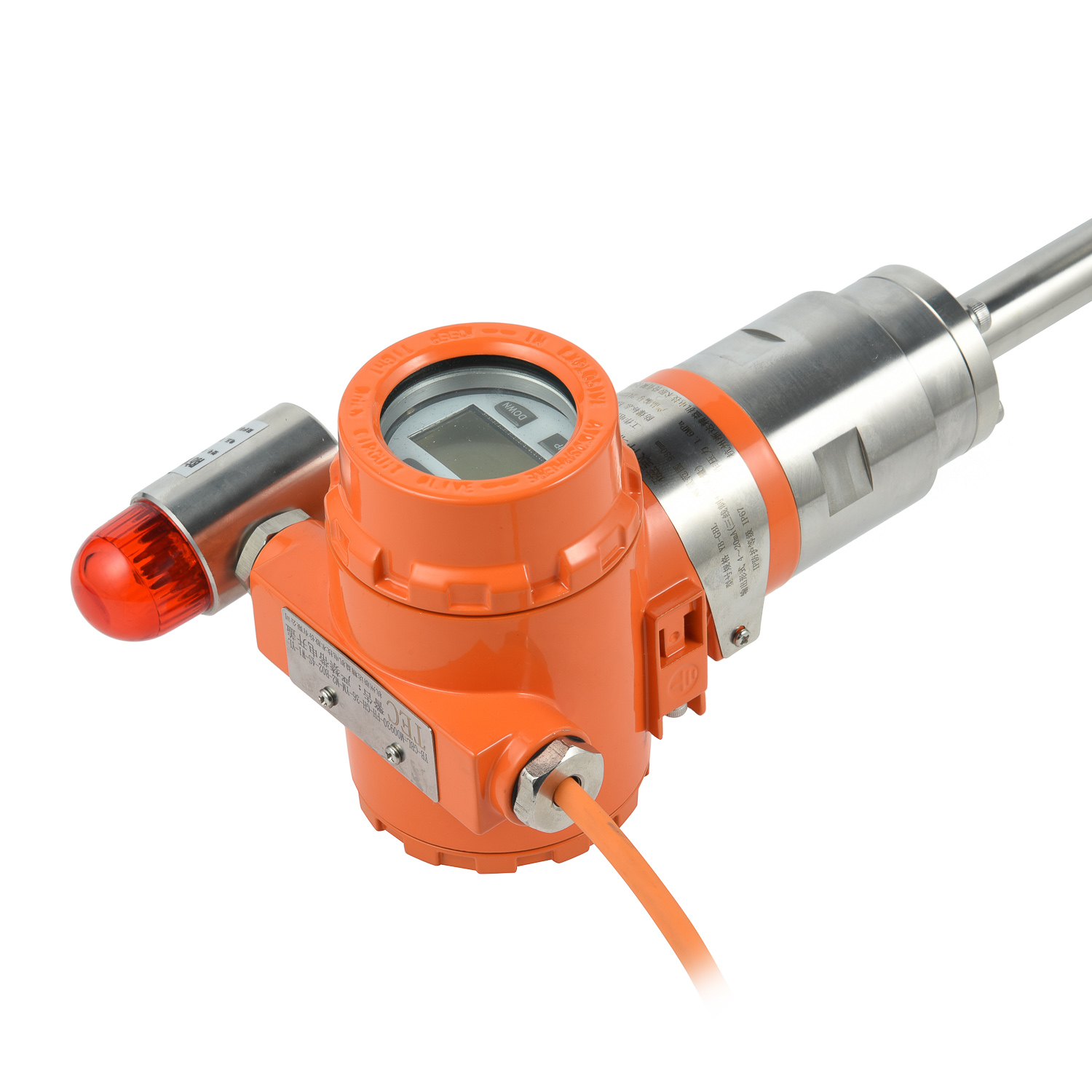
Miniaturization extends beyond the sensor's mechanical components to its electronic systems. Application-Specific Integrated Circuits (ASICs) can consolidate what was once a board full of discrete components into a single chip, drastically reducing the electronics footprint. Low-power microcontrollers with built-in analog-to-digital converters and signal processing capabilities enable sophisticated interrogation of the magnetostrictive signal right at the sensor head. This embedded processing reduces the need for external equipment and allows for a more compact overall system. Power management innovations, such as energy-harvesting techniques or pulsed operation modes, further support miniaturization by reducing battery size requirements, making the sensor truly self-contained and portable.
Overcoming Miniaturization Challenges and Trade-offs
The path to a smaller sensor is not without obstacles. A primary concern is the potential reduction in signal strength as the active magnetostrictive material volume decreases. Engineers combat this by developing more sensitive pickup coils and low-noise amplifiers. Thermal management also becomes more challenging in a compact package; strategic material selection for thermal conductivity and clever mechanical design are essential to dissipate heat effectively. Furthermore, miniaturization can sometimes affect the sensor's linearity or temperature stability, necessitating advanced calibration and temperature compensation algorithms. Recognizing and proactively addressing these trade-offs is essential for creating a miniaturized sensor that does not sacrifice the core performance characteristics that make magnetostrictive technology valuable.
The Future of Miniature Magnetostrictive Sensors
The frontier of magnetostrictive sensor miniaturization points toward integration with Micro-Electro-Mechanical Systems (MEMS). MEMS-based magnetostrictive sensors could bring this high-precision technology to applications in consumer electronics and implantable medical devices. Research into new giant magnetostrictive materials at the nanoscale promises even greater efficiency in tiny packages. The ultimate goal is the development of smart, wireless, and potentially even biodegradable miniaturized sensors for specialized applications. As these technologies mature, we can anticipate magnetostrictive sensors becoming ubiquitous in areas where their size previously made them impractical, driving innovation in Internet of Things (IoT) devices, advanced prosthetics, and micro-robotics.
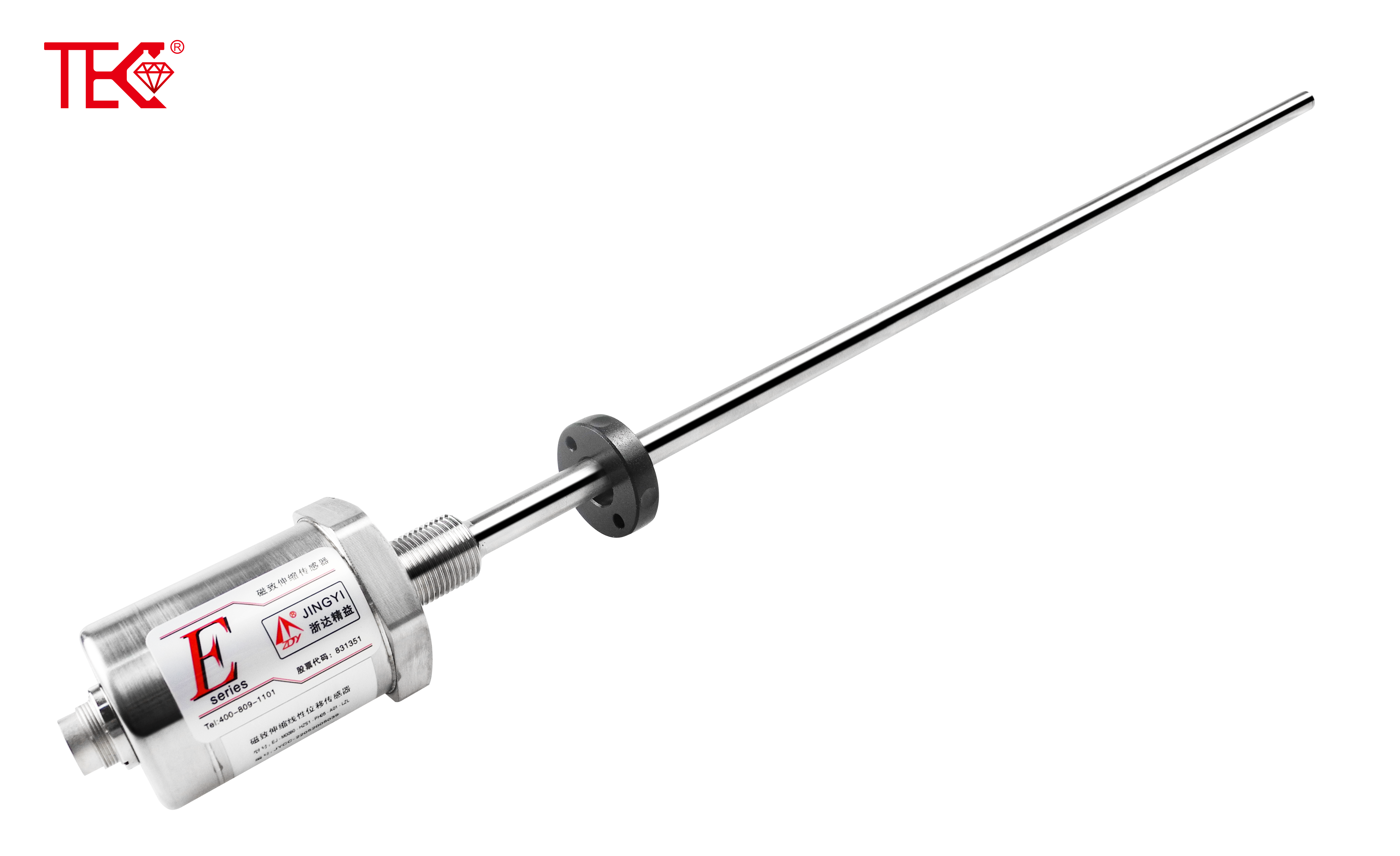 Linear Displacement Sensor
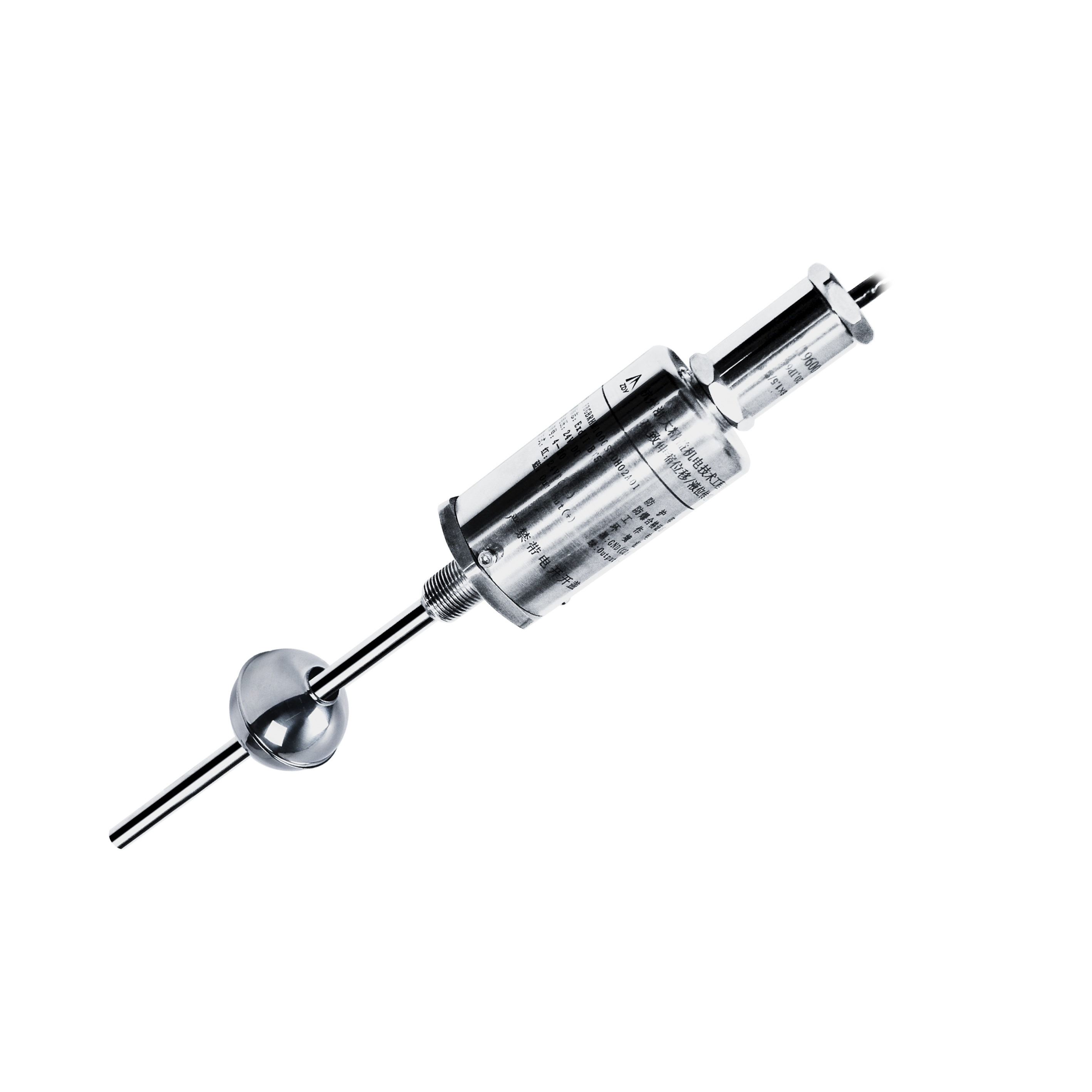 Magnetostrictive Level Gauge F
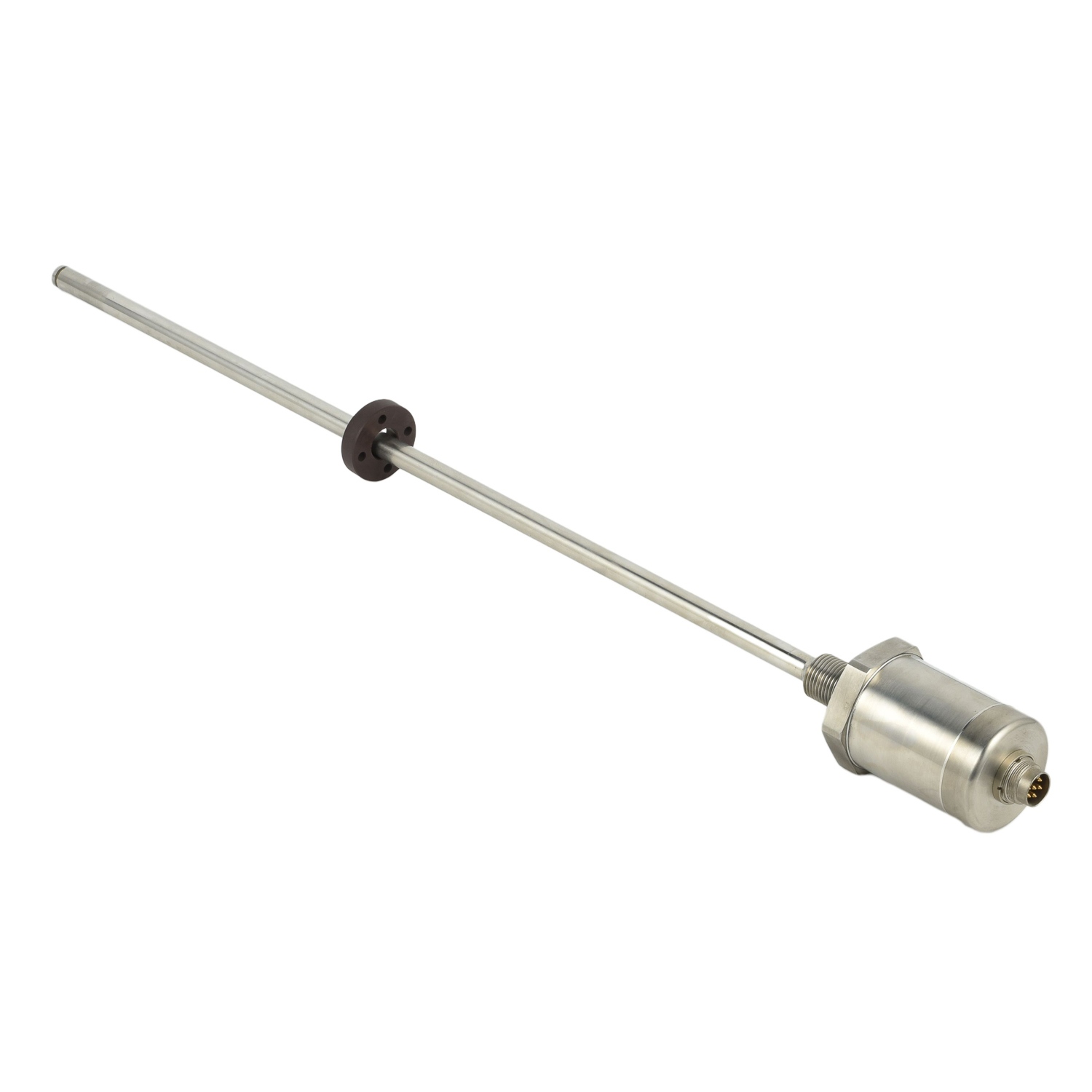 Field Application of Magnetost
 Model and Specification of Mag