
How to design ultra-long-life sensors using magnetostrictive technology?
Introduction to Magnetostrictive Sensing
Magnetostrictive technology represents a groundbreaking approach to sensor design, offering exceptional longevity and reliability. This physical phenomenon occurs when ferromagnetic materials change shape under magnetic fields, creating highly precise measurement capabilities. Unlike conventional sensors that rely on delicate electronic components, magnetostrictive sensors operate through robust physical principles that inherently resist degradation over time. The fundamental mechanism involves generating torsional stress waves that propagate along a waveguide, delivering accurate position or stress measurements without physical contact. This non-contact operation eliminates mechanical wear, establishing the foundation for sensors that can potentially operate for decades with minimal maintenance requirements.
Core Principles of Magnetostrictive Operation
The operational excellence of magnetostrictive sensors stems from their sophisticated yet durable working mechanism. When a current pulse interacts with a magnetic field along a magnetostrictive waveguide, it generates a mechanical twist that travels at sonic speed. This twist is detected by precise timing circuitry that calculates position based on the time-of-flight principle. The beauty of this system lies in its simplicity – there are no sliding contacts, optical components, or delicate sensing elements that typically fail over time. The technology inherently provides absolute position measurement, meaning it doesn't require recalibration or homing after power interruptions. This reliability makes magnetostrictive sensors ideal for critical applications where downtime is unacceptable, from industrial hydraulics to aerospace systems.
Material Selection for Maximum Longevity
Choosing appropriate magnetostrictive materials is crucial for achieving ultra-long-life performance. Advanced iron-cobalt alloys and nickel-ferrite compounds offer exceptional magnetostrictive properties while resisting environmental degradation. These materials are engineered to maintain their magnetic characteristics despite temperature fluctuations, mechanical stresses, and exposure to harsh chemicals. The waveguide itself typically consists of specially treated ferromagnetic ribbons that exhibit consistent performance over millions of operating cycles. Manufacturers often apply proprietary coatings that protect against corrosion while allowing efficient magnetic coupling. For the permanent magnets used in position sensing, rare-earth compounds like neodymium-iron-boron provide stable magnetic fields that don't degrade significantly over decades of operation.
Energy-Efficient Design Strategies
Ultra-long-life sensor design must address power consumption as a critical factor. Magnetostrictive technology naturally lends itself to energy-efficient operation through intermittent polling strategies rather than continuous power draw. Modern designs incorporate smart wake-up circuits that activate the sensor only when measurement is required, reducing average power consumption to microampere levels. Energy harvesting capabilities can be integrated, where the mechanical energy from the magnetostrictive effect itself contributes to powering the sensor electronics. Low-power ASICs (Application-Specific Integrated Circuits) optimized for brief burst operation further extend operational life, enabling battery-powered sensors to function for years without maintenance. These strategies combine to create sensing systems that can operate independently for extended periods in remote or inaccessible locations.
Structural Integration and Protection
The physical packaging and integration methods significantly impact sensor longevity. Hermetic sealing techniques protect sensitive electronics from moisture, dust, and chemical exposure while allowing magnetic fields to penetrate effectively. Strain relief mechanisms prevent cable fatigue failures at connection points, addressing a common point of failure in industrial sensors. The mechanical design must accommodate thermal expansion differences between components to prevent internal stresses that could compromise performance over time. For extreme environments, secondary protective housings with IP68 or higher ratings provide an additional barrier against environmental challenges. Proper installation considerations, including vibration damping and electrical isolation, ensure that external factors don't prematurely age the sensor system.
Maintenance-Free Operation Considerations
Designing for truly maintenance-free operation requires anticipating potential failure modes and addressing them proactively. Redundant sensing elements can be incorporated for critical applications, allowing continuous operation even if one component degrades. Self-diagnostic capabilities monitor sensor health and can alert users to potential issues before they affect performance. The elimination of regular calibration needs through stable signal processing algorithms significantly reduces lifetime maintenance requirements. Contactless signal transmission using RF or inductive coupling removes another potential wear mechanism. By designing systems that validate their own operation and compensate for minimal component drift, magnetostrictive sensors can achieve operational lifespans measured in decades rather than years.
Applications in Extreme Environments
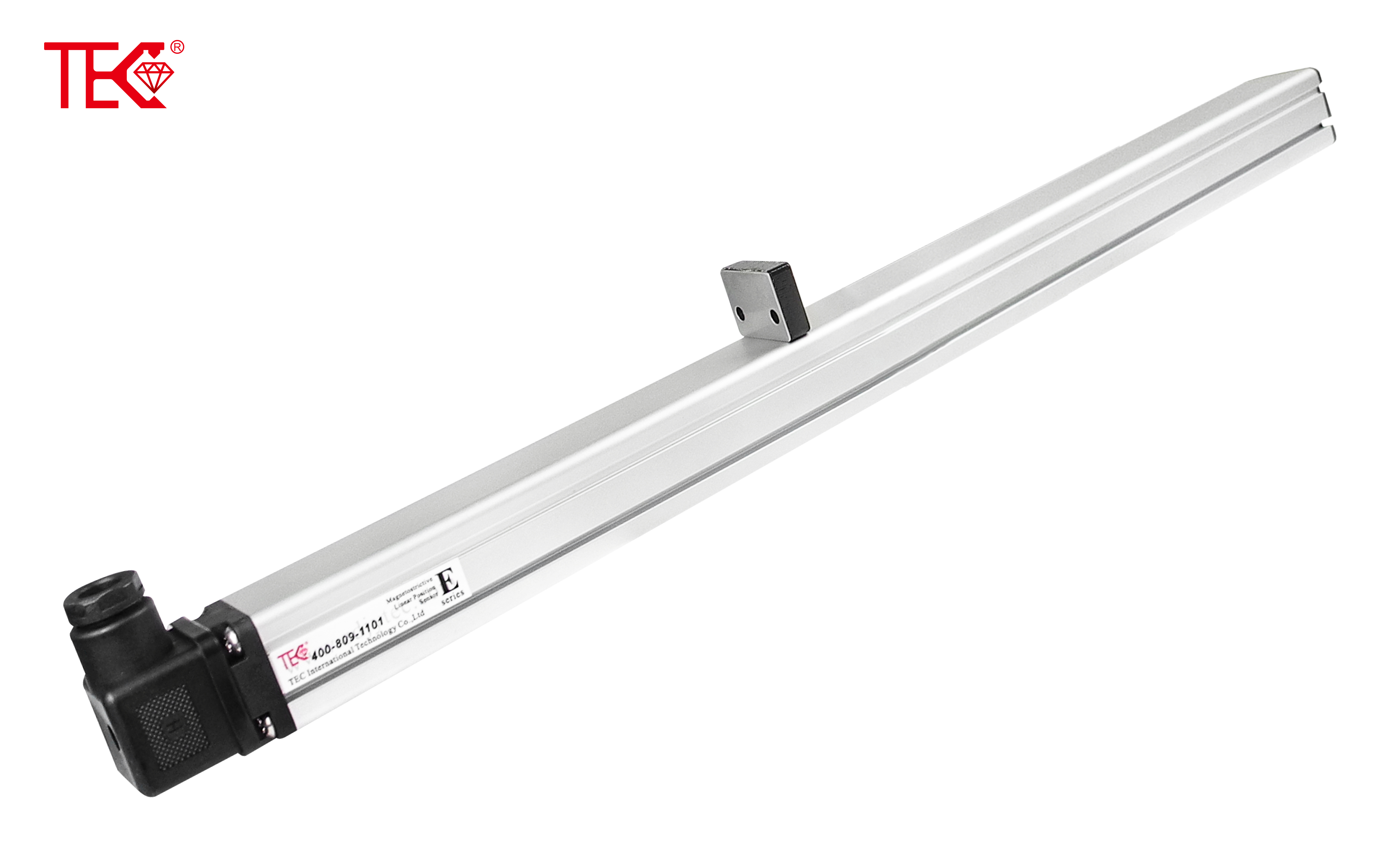
The robustness of magnetostrictive sensors makes them particularly valuable in challenging applications where replacement is difficult or impossible. Subsea oil and gas installations utilize these sensors for valve position monitoring at depths where maintenance dives are prohibitively expensive. Nuclear power plants employ magnetostrictive technology for control rod positioning because of its resistance to radiation-induced degradation. Aerospace applications benefit from the lightweight yet durable nature of these sensors for flight control systems. Even in consumer applications like automotive suspension monitoring, the long-life characteristics reduce warranty claims and improve reliability. The technology continues to find new applications as engineers recognize the economic benefits of reduced maintenance and increased system uptime.
Future Developments in Long-Life Sensing
Ongoing research promises to extend the capabilities of magnetostrictive sensors even further. Materials science advancements are developing composite magnetostrictive materials with enhanced properties and greater resistance to environmental factors. Integration with IoT platforms enables predictive maintenance based on sensor health monitoring rather than fixed schedules. Energy harvesting improvements may eventually create completely self-powered sensors that operate indefinitely from ambient energy sources. Miniaturization efforts are producing magnetostrictive sensors suitable for medical implants and micro-scale applications. As these developments mature, we can expect magnetostrictive technology to become the standard for applications where reliability and longevity are paramount, ultimately reducing electronic waste and improving sustainability through extended product lifecycles.
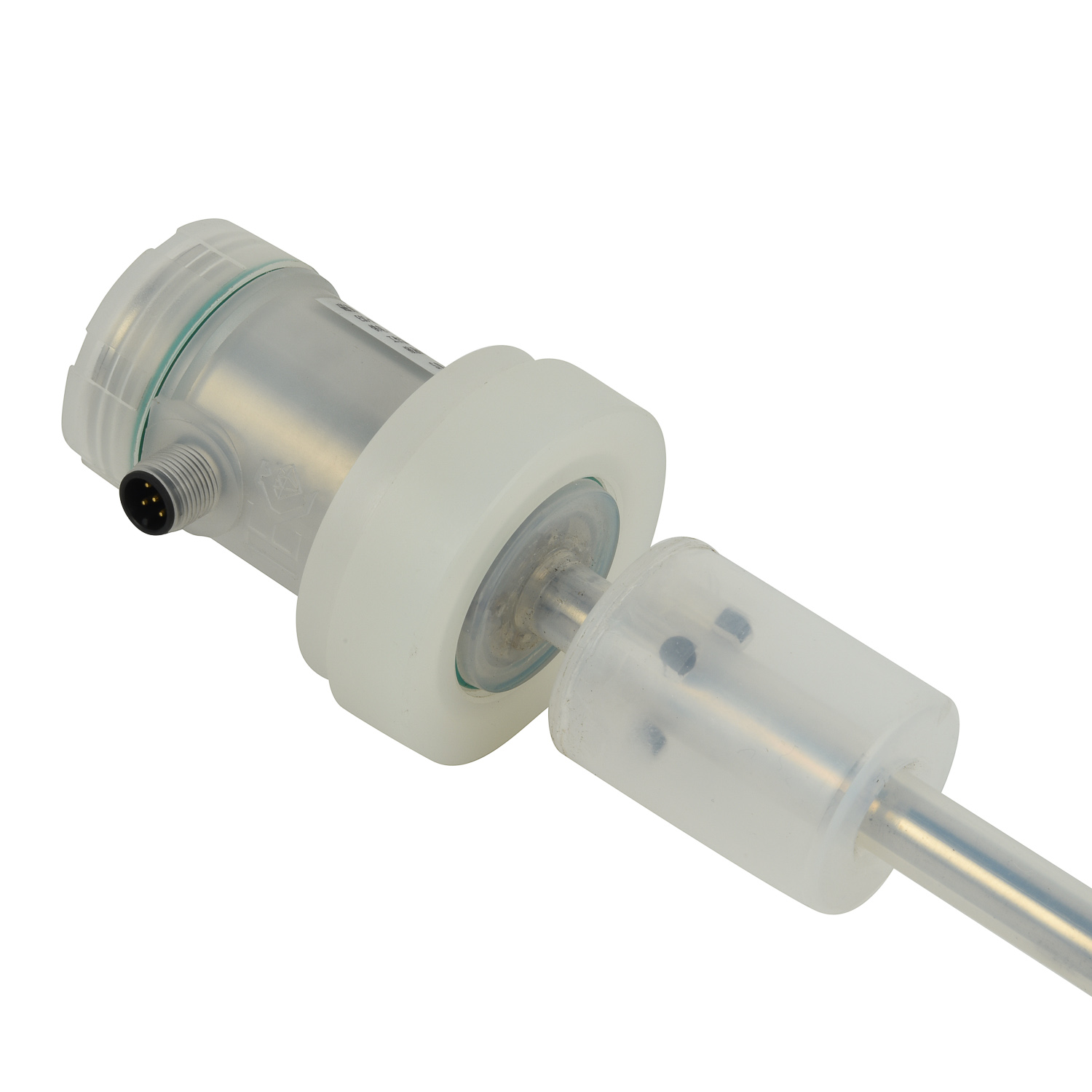 High-pressure Linear Displacem
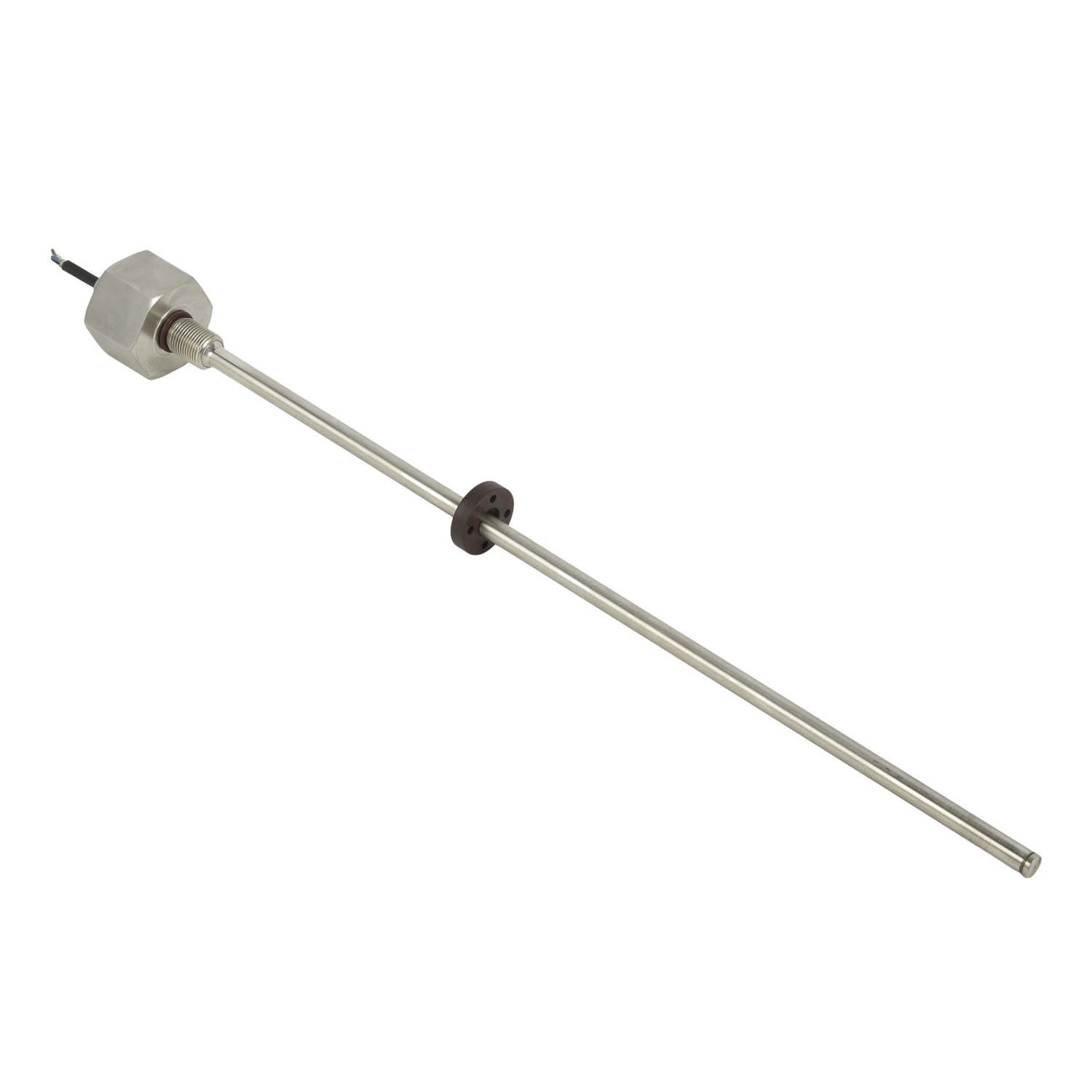 High-temperature Linear Displa
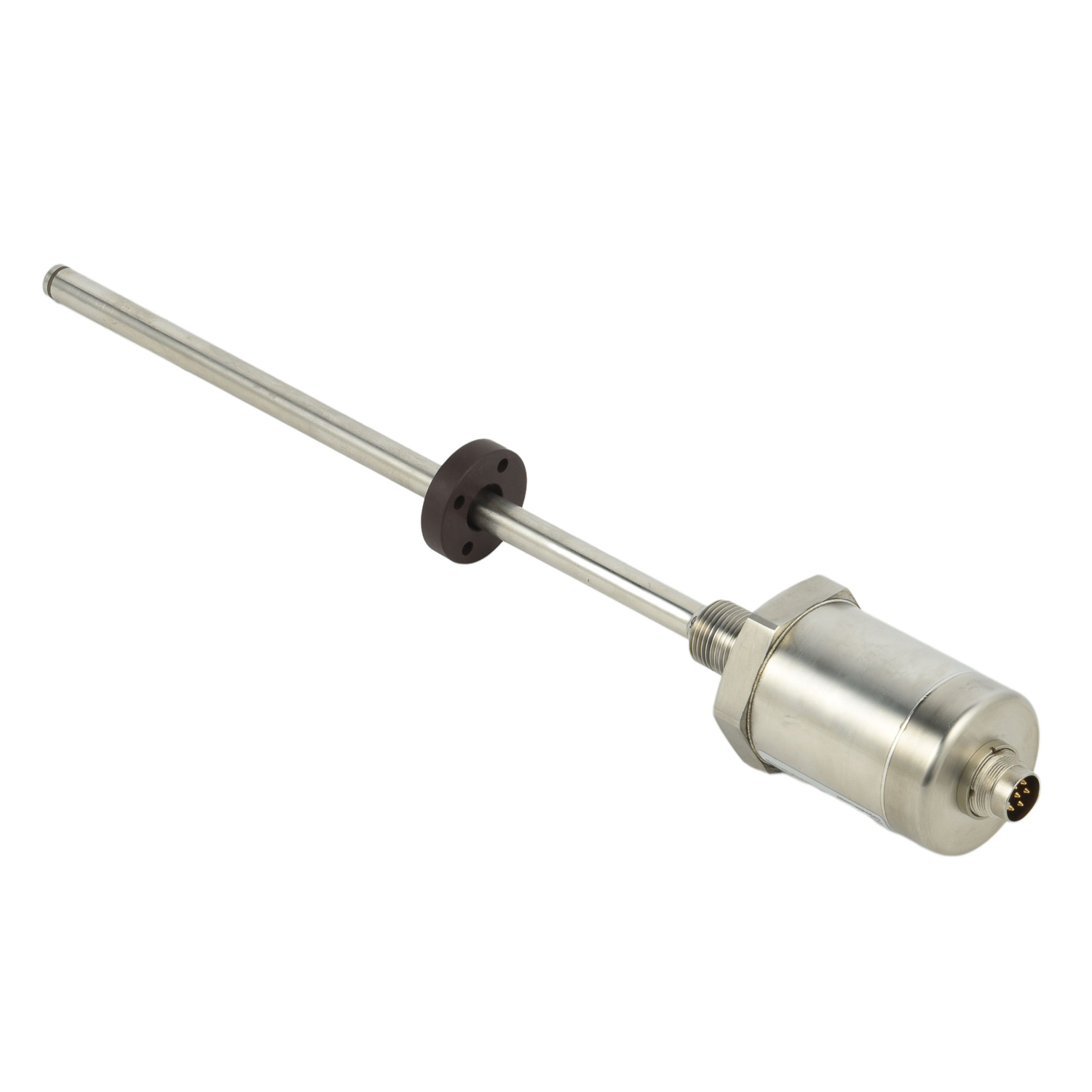 Waterproof Linear Displacement
 Intrinsically Safe Explosion-p