
What's the hygienic application of magnetostrictive sensors in food packaging machines?
Introduction to Magnetostrictive Sensor Technology
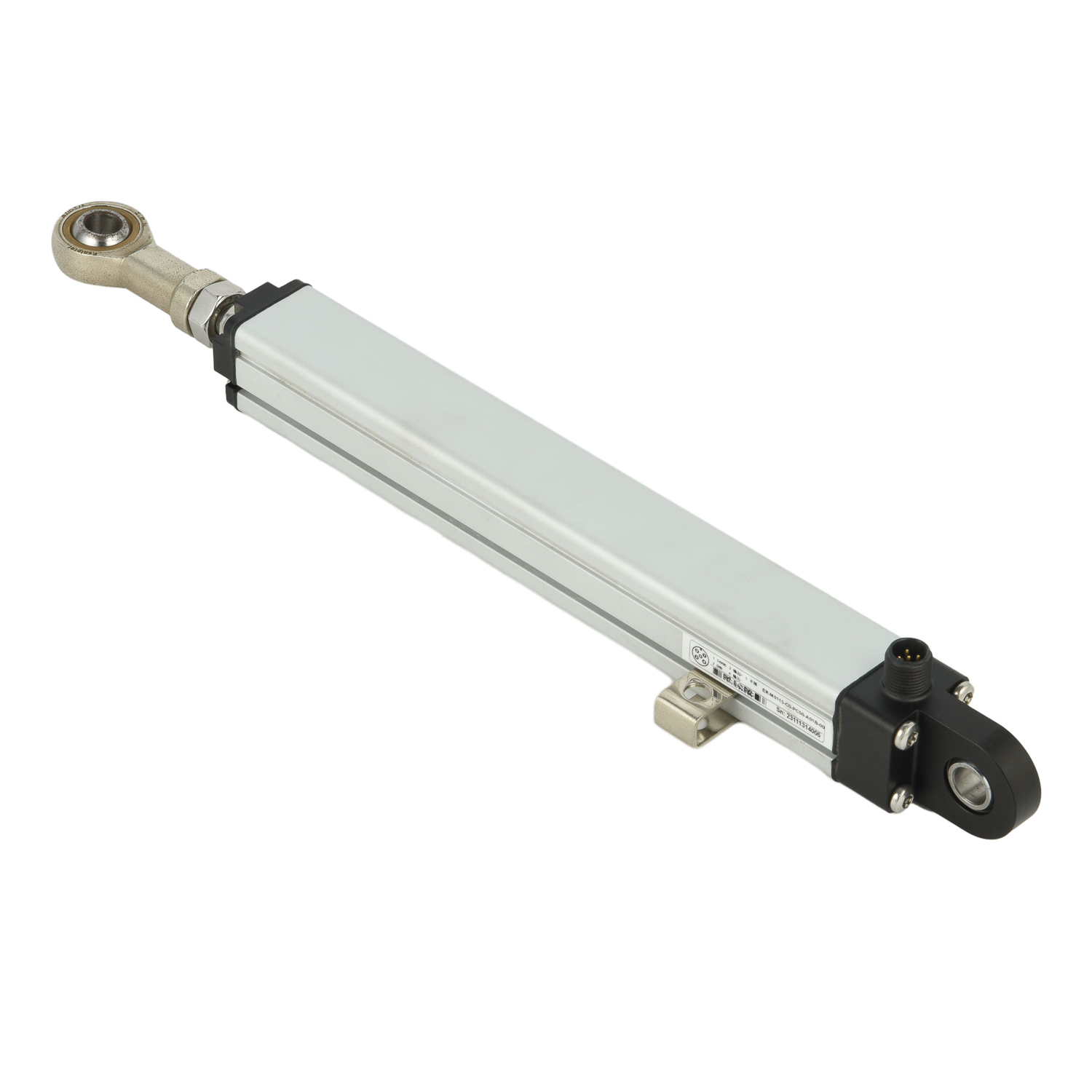
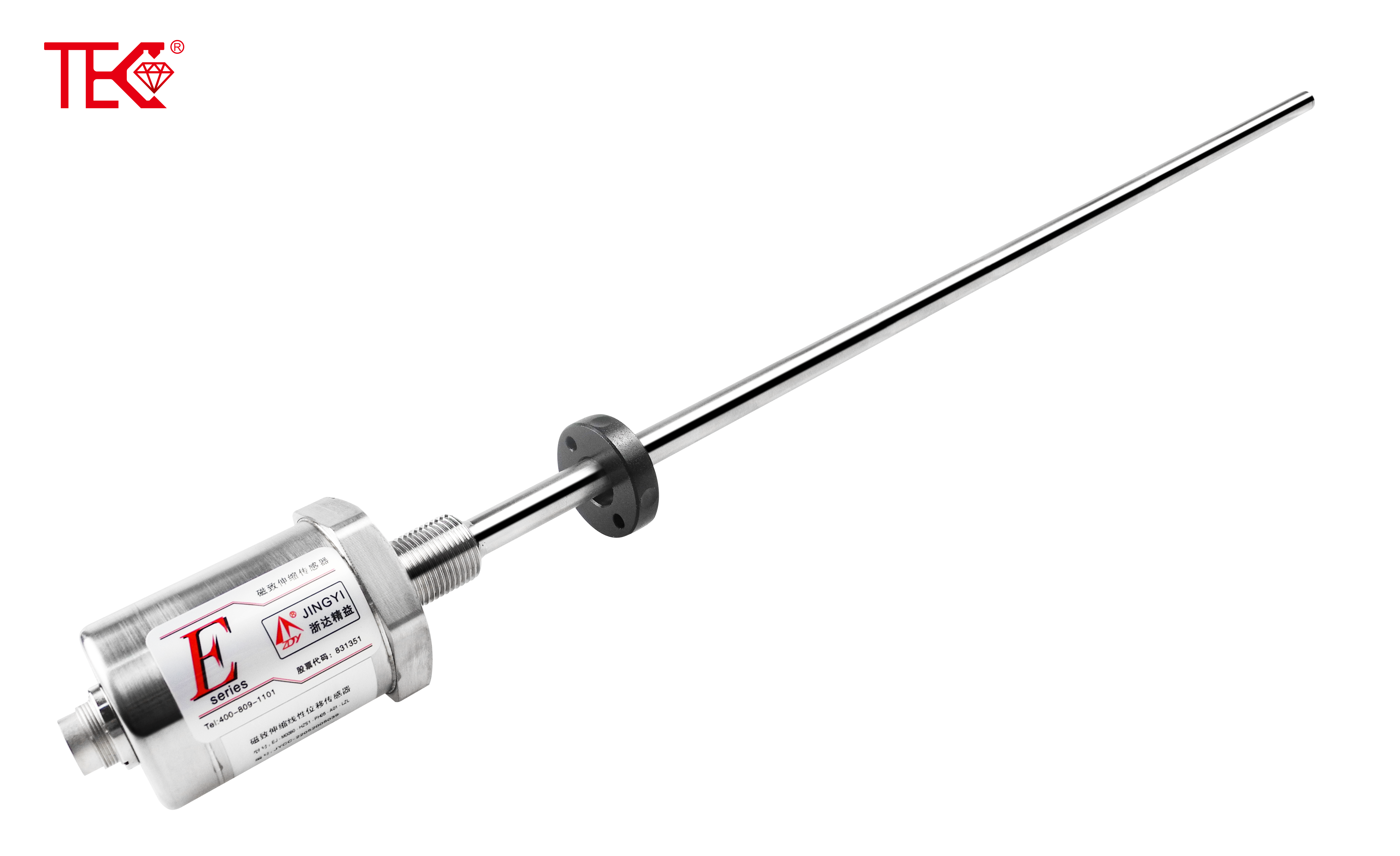
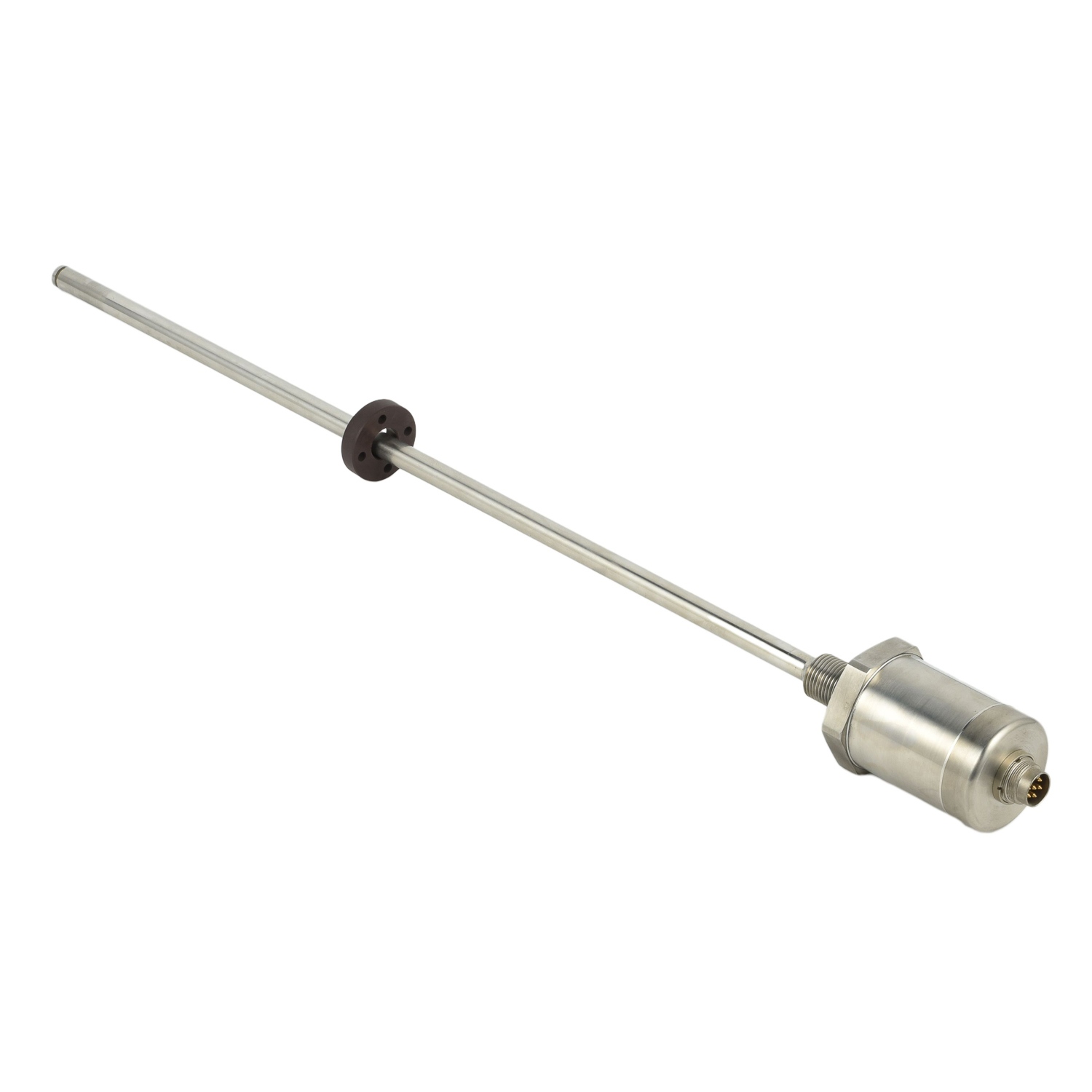
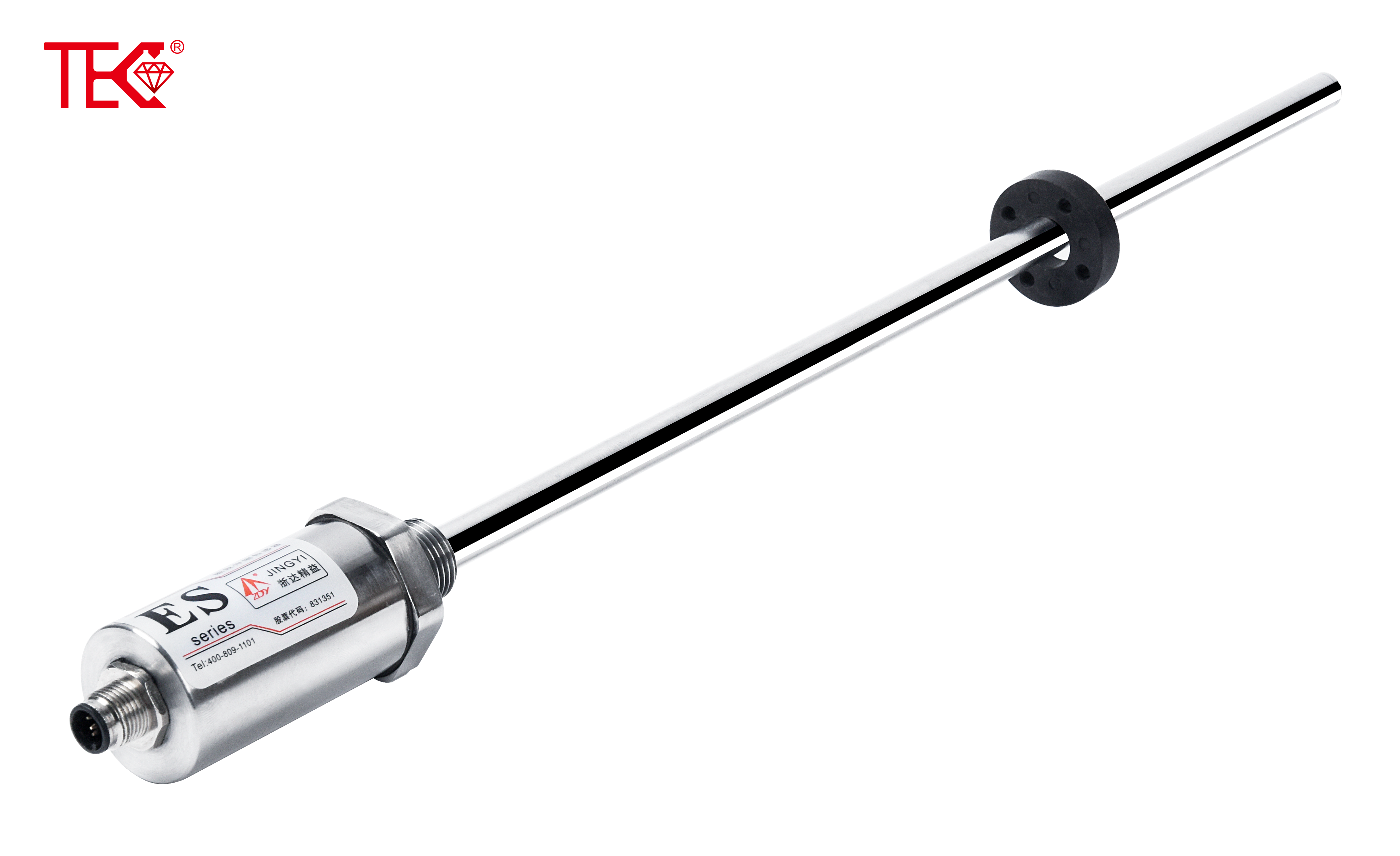
Magnetostrictive sensors represent a sophisticated class of position and level detection devices that operate on the principle of magnetostriction. This physical phenomenon involves the interaction between a magnetic field and a ferromagnetic material, causing a minute change in the material's shape. In practical terms, these sensors generate a torsional strain wave by briefly applying a current pulse to a waveguide. The position of a permanent magnet, which is attached to the target being measured, is determined by calculating the time difference between the pulse initiation and the wave's return. This non-contact, highly precise measurement method is exceptionally well-suited for environments where hygiene is paramount, such as food processing and packaging.
The Critical Need for Hygiene in Food Packaging
Maintaining impeccable hygiene standards is non-negotiable in the food packaging industry. Any contamination, whether biological, chemical, or physical, can lead to severe public health risks, product recalls, and significant brand damage. Traditional sensors with mechanical contacts or complex geometries can harbor bacteria, create dead zones that are difficult to clean, and lead to product accumulation. Therefore, packaging machinery must incorporate components designed for easy cleaning and sterilization. This demand drives the adoption of advanced technologies like magnetostrictive sensors, which are inherently designed to meet these stringent hygienic requirements without compromising on performance or accuracy.
Hygienic Design Advantages of Magnetostrictive Sensors
The design of magnetostrictive sensors offers several distinct hygienic advantages. Firstly, they enable true non-contact measurement. The sensing element (the waveguide) is typically housed within a sealed, smooth stainless-steel tube, while the position magnet moves along the outside. This eliminates the need for physical penetration or dynamic seals that could wear and become contamination points. The sensors feature smooth, crevice-free external surfaces with minimal gaps, complying with EHEDG and 3-A Sanitary Standards. Their simple geometry prevents product or cleaning fluid entrapment, making them ideal for applications requiring frequent washdowns with high-pressure water or aggressive cleaning chemicals.
Key Applications in Packaging Machine Automation
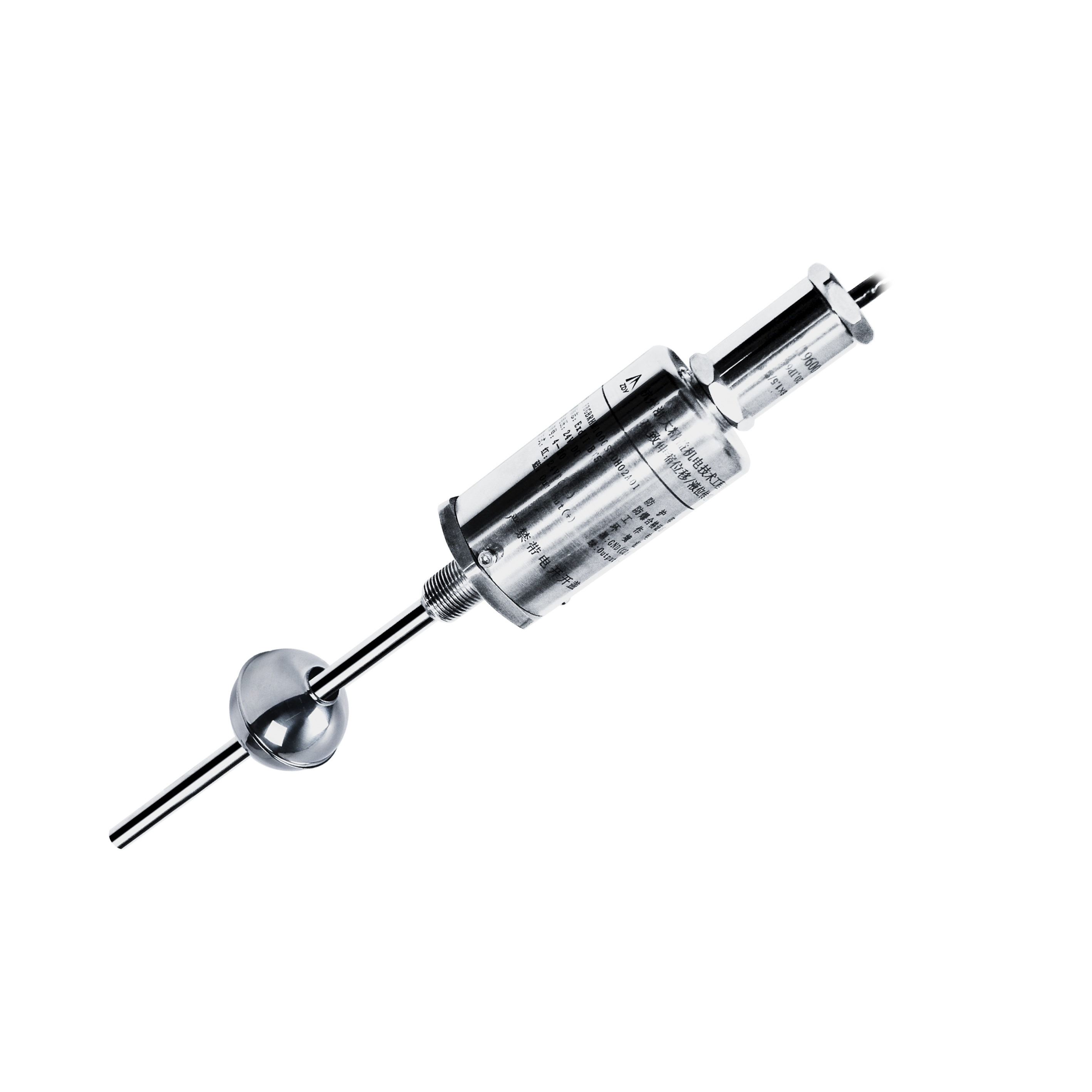
Within food packaging machines, magnetostrictive sensors are deployed for critical automation tasks that directly impact hygiene and efficiency. A primary application is the precise level sensing of liquid or viscous food products in filler hoppers or tanks. Accurate level control prevents overfilling and potential spillage, which are hygiene hazards. They are also extensively used for position feedback in hydraulic or pneumatic cylinders that control functions like sealing jaws, cutting mechanisms, and product placement. By providing real-time, repeatable position data, these sensors ensure processes like package sealing are consistently performed correctly, maintaining the integrity of the packaging and the safety of the food product inside.
Compatibility with CIP and SIP Processes
A standout feature of high-quality magnetostrictive sensors is their compatibility with Clean-in-Place (CIP) and Sterilize-in-Place (SIP) processes. CIP systems clean the interior surfaces of machinery without disassembly, using turbulent flows of detergents and sanitizers. SIP uses steam or other methods to achieve sterility. Sensors designed for these environments boast high IP ratings (e.g., IP67, IP69K), indicating resistance to high-pressure, high-temperature water and steam ingress. The materials used, such as 316L stainless steel, offer excellent corrosion resistance. This capability allows for thorough automated cleaning without removing the sensor, minimizing downtime and eliminating a potential source of contamination from manual handling.
Enhancing Overall Food Safety and Operational Efficiency
By integrating magnetostrictive sensors, food packaging operations achieve a dual benefit: enhanced food safety and improved operational efficiency. The sensors' reliability and precision contribute to reduced product giveaway and waste by ensuring exact fill levels and precise mechanical movements. Their robust construction minimizes unplanned downtime due to sensor failure, even in harsh cleaning environments. Most importantly, their hygienic design is a proactive measure in a facility's Hazard Analysis Critical Control Point (HACCP) plan, providing verifiable data and reducing the risk of microbial contamination. This makes them a smart investment for any food manufacturer committed to producing safe, high-quality products.
 Linear Displacement Sensor
 Magnetostrictive Level Gauge F
 Field Application of Magnetost
 Model and Specification of Mag