
How does the anti-corrosion coating technology of magnetostrictive sensors work?
In industrial settings where harsh chemicals, moisture, and extreme temperatures are commonplace, magnetostrictive sensors face significant challenges to their operational integrity. These precision instruments, crucial for accurate position and level measurement, require robust protection against corrosive elements that could compromise their functionality and lifespan. Anti-corrosion coating technology serves as the primary defense mechanism, creating a barrier between the sensor's sensitive components and aggressive environmental factors. This protective approach ensures reliable performance even in the most demanding applications, from chemical processing plants to offshore drilling operations.
Understanding Magnetostrictive Sensor Vulnerability
Magnetostrictive sensors contain precisely engineered components that are highly susceptible to corrosion damage. The waveguide, typically made of specialized ferromagnetic materials, and the electronic components within the sensor housing can deteriorate rapidly when exposed to corrosive substances. Even minor corrosion can affect the sensor's ability to accurately detect the torsional strain wave that forms the basis of its measurement principle. Common corrosive threats include saltwater, acidic fumes, alkaline solutions, and various industrial chemicals that gradually degrade unprotected metal surfaces. Without adequate protection, corrosion leads to measurement inaccuracies, signal degradation, and eventual sensor failure, resulting in costly downtime and replacement expenses.
Advanced Coating Materials and Composition
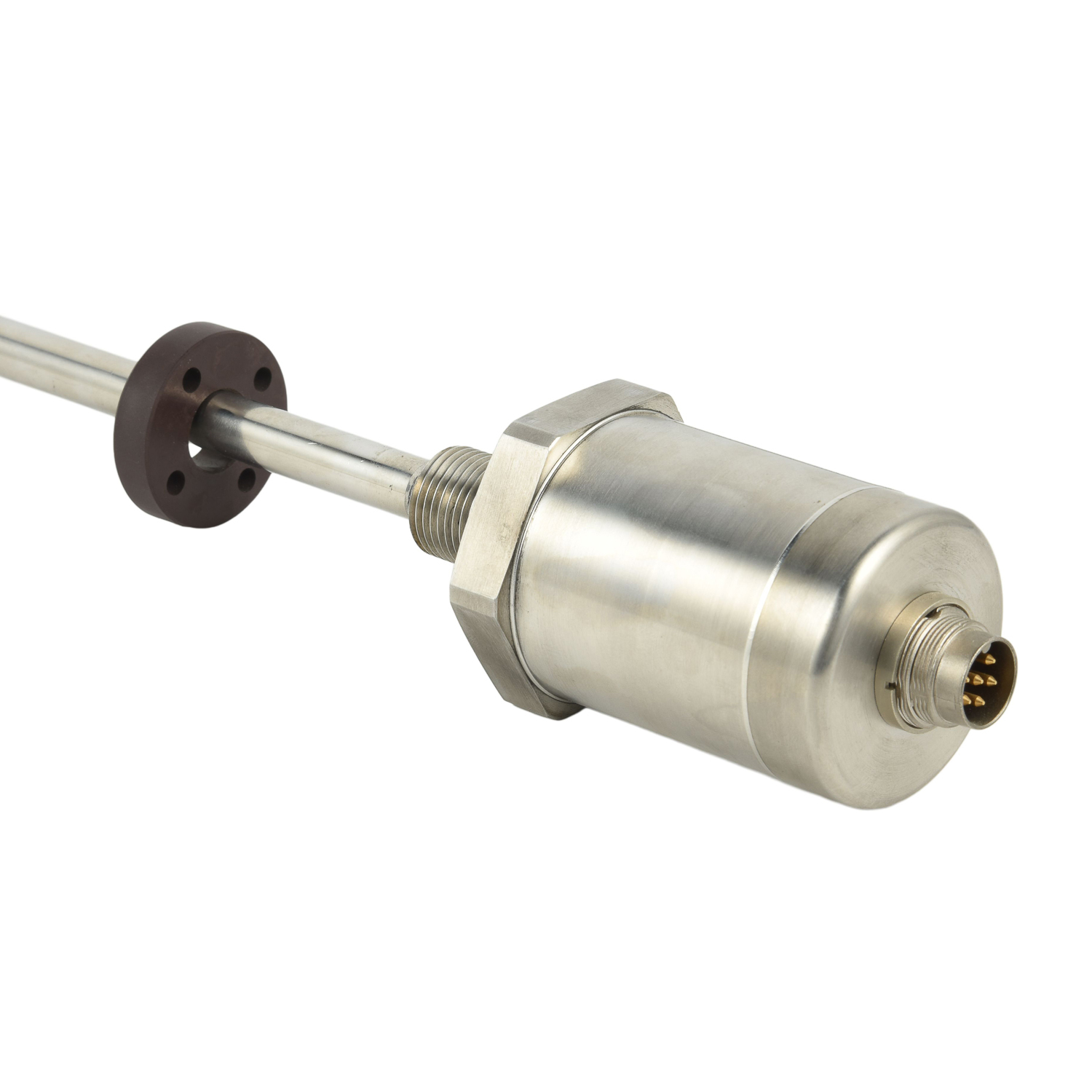
Modern anti-corrosion coatings for magnetostrictive sensors utilize sophisticated materials engineered specifically for industrial protection. Epoxy-based coatings offer excellent chemical resistance against a wide range of solvents and acids, while polyurethane coatings provide superior abrasion resistance and flexibility. For extreme temperature applications, ceramic-filled coatings maintain their protective properties even under thermal stress. Many high-performance coatings incorporate multiple layers, including a primer for enhanced adhesion and a topcoat for environmental resistance. Some advanced formulations contain corrosion-inhibiting pigments that actively neutralize corrosive elements, providing an additional layer of protection beyond mere barrier function.
Application Techniques for Optimal Protection
The effectiveness of anti-corrosion coatings depends significantly on proper application methodologies. Surface preparation is critical, involving thorough cleaning and often abrasive blasting to create an ideal surface profile for coating adhesion. Application methods vary from conventional spraying for uniform coverage to electrostatic spraying for complex geometries. Some manufacturers employ dip coating processes to ensure complete encapsulation of sensor components, including hard-to-reach areas. Curing processes, whether thermal, UV, or ambient, must be carefully controlled to achieve the desired coating properties. The thickness of the applied coating is precisely monitored to maintain sensor performance while providing adequate protection.
Performance Testing and Quality Verification
Rigorous testing protocols validate the effectiveness of anti-corrosion coatings on magnetostrictive sensors. Accelerated corrosion tests, such as salt spray testing per ASTM B117 standards, simulate years of environmental exposure in a condensed timeframe. Cyclic corrosion testing subjects coated sensors to varying conditions including humidity, salt fog, and drying phases. Additional tests evaluate coating adhesion, impact resistance, and flexibility to ensure the protection remains intact under operational stresses. Electrical integrity testing confirms that the coating doesn't interfere with the sensor's magnetic field or signal transmission capabilities. These comprehensive verification processes guarantee that the coated sensors will perform reliably throughout their specified service life.
Industry-Specific Coating Solutions
Different industrial applications require tailored coating solutions for magnetostrictive sensors. Marine environments demand coatings with exceptional resistance to saltwater immersion and salt-laden atmospheres. Food and pharmaceutical applications utilize FDA-compliant coatings that withstand frequent cleaning with aggressive sanitizers while preventing contamination. Oil and gas applications require coatings that resist sulfur compounds, hydrocarbons, and high-pressure conditions. Manufacturers often develop application-specific coating formulations, balancing protection requirements with factors such as temperature range, chemical exposure, mechanical stress, and regulatory compliance to deliver optimized performance for each use case.
Maintenance and Long-Term Protection Strategies
While anti-corrosion coatings significantly extend magnetostrictive sensor lifespan, proper maintenance ensures ongoing protection. Regular visual inspections identify early signs of coating damage before underlying corrosion develops. Minor coating imperfections can often be repaired with touch-up procedures specified by the manufacturer. Environmental monitoring helps anticipate conditions that might accelerate coating degradation. Some advanced coating systems incorporate indicator technologies that change appearance when protection is compromised. Understanding the expected service life of specific coating systems enables proactive replacement before protection diminishes, ensuring continuous reliable operation in corrosive environments.
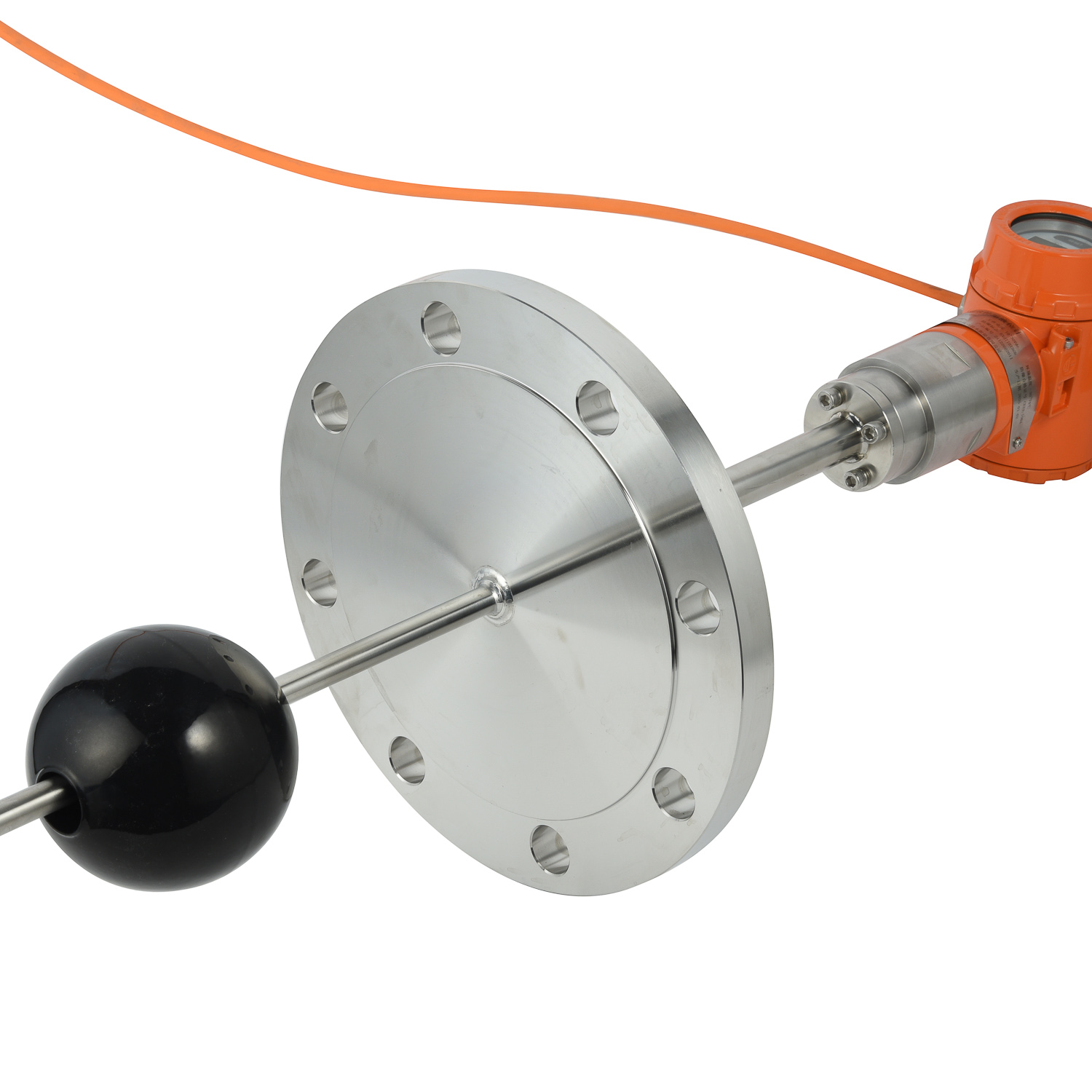 Corrosion-resistant Linear Dis
 Rod-type Linear Displacement S
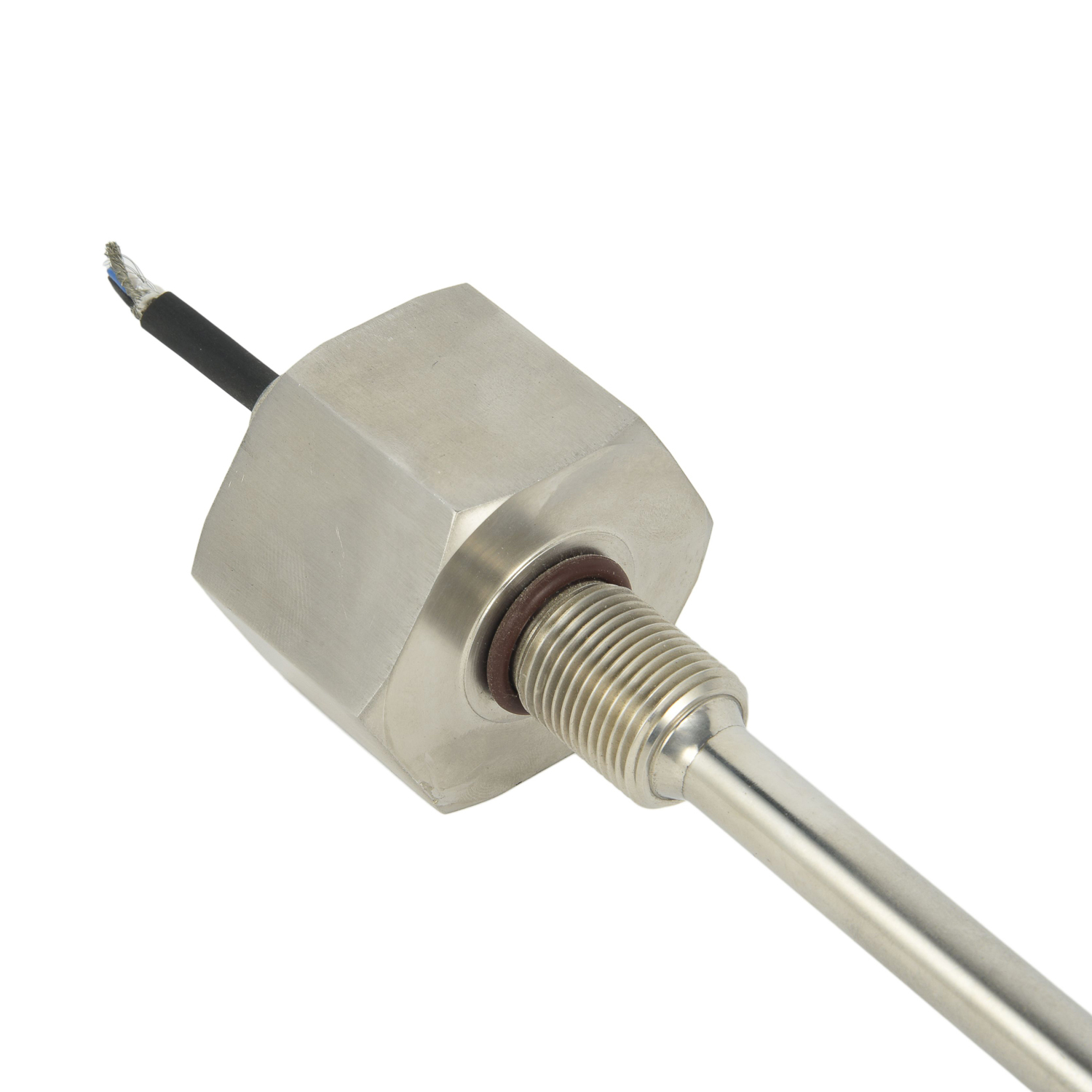 Flange-mounted Linear Displace
 Non-contact Linear Displacemen