
Why are magnetostrictive sensors more suitable for dusty environments?
In the challenging world of industrial automation, environmental factors like dust and particulate matter pose significant threats to sensor performance and longevity. While many sensing technologies struggle under these conditions, magnetostrictive sensors have emerged as a superior solution for position measurement in dusty settings. Their unique operating principle and robust construction make them exceptionally well-suited for applications where other sensors would fail prematurely.
The Fundamental Advantage of Non-Contact Sensing
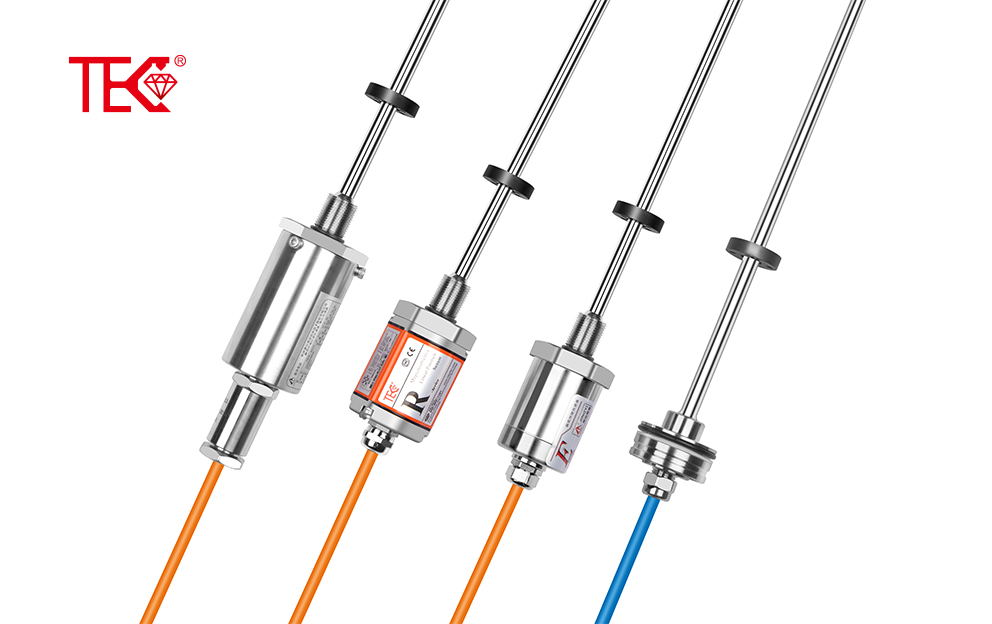
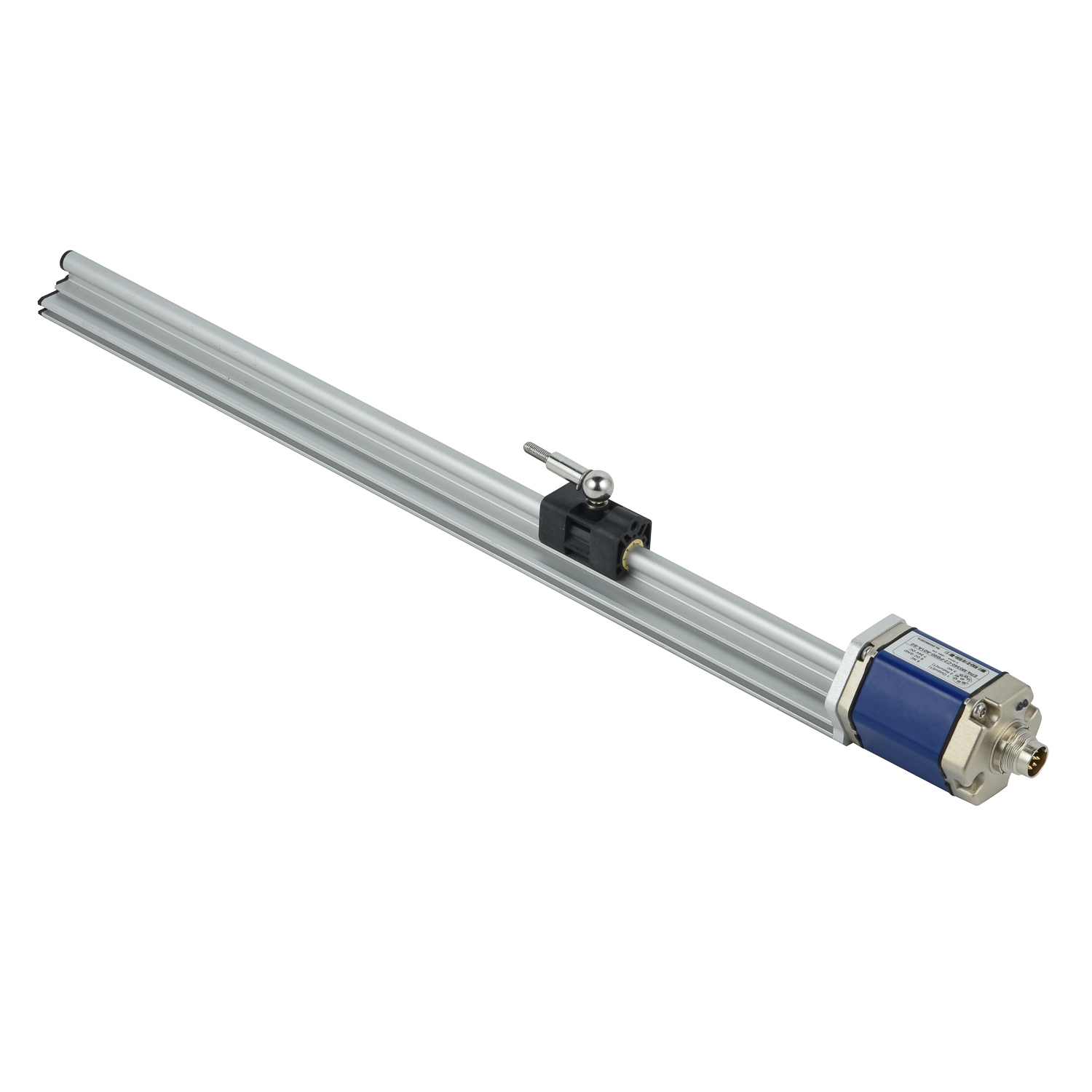
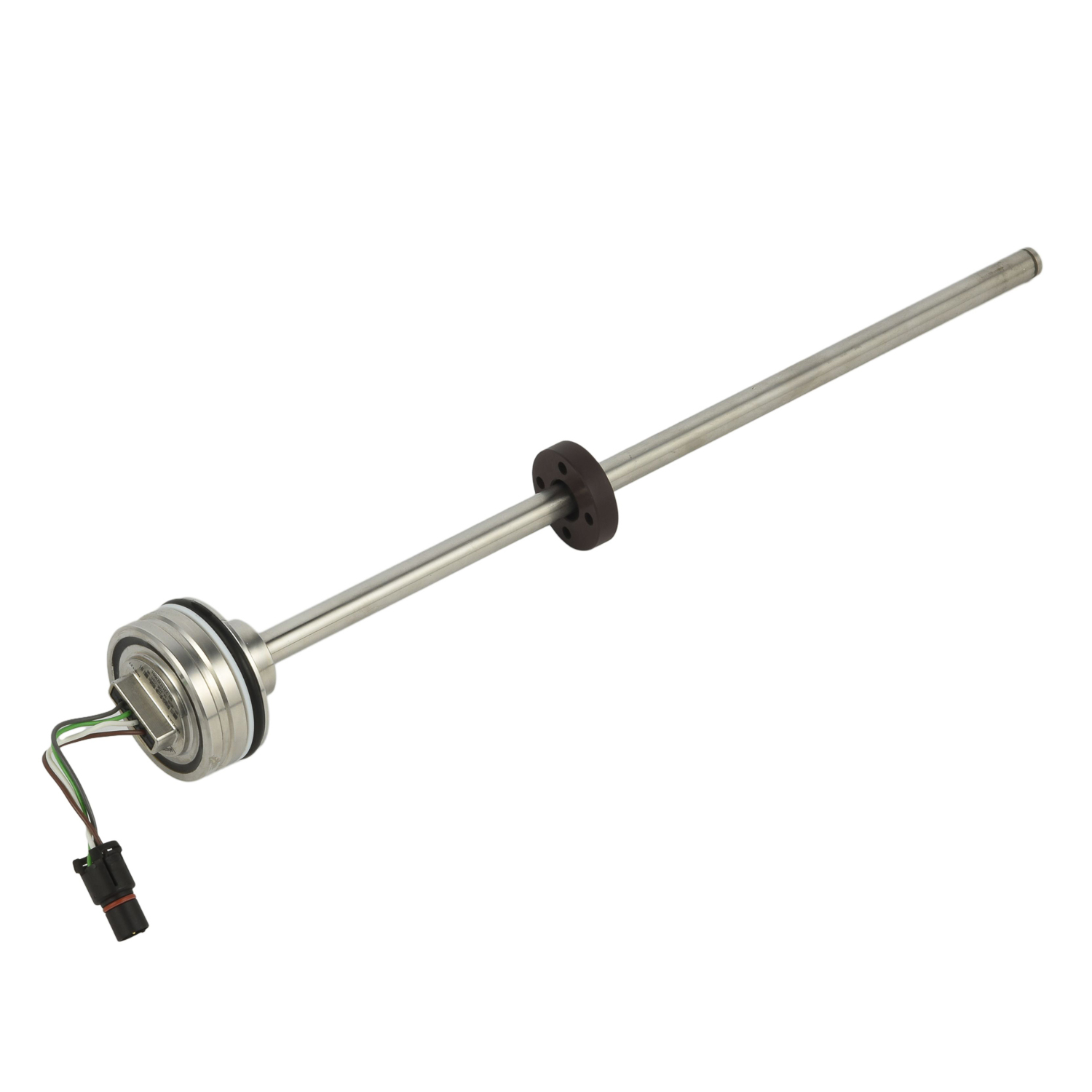
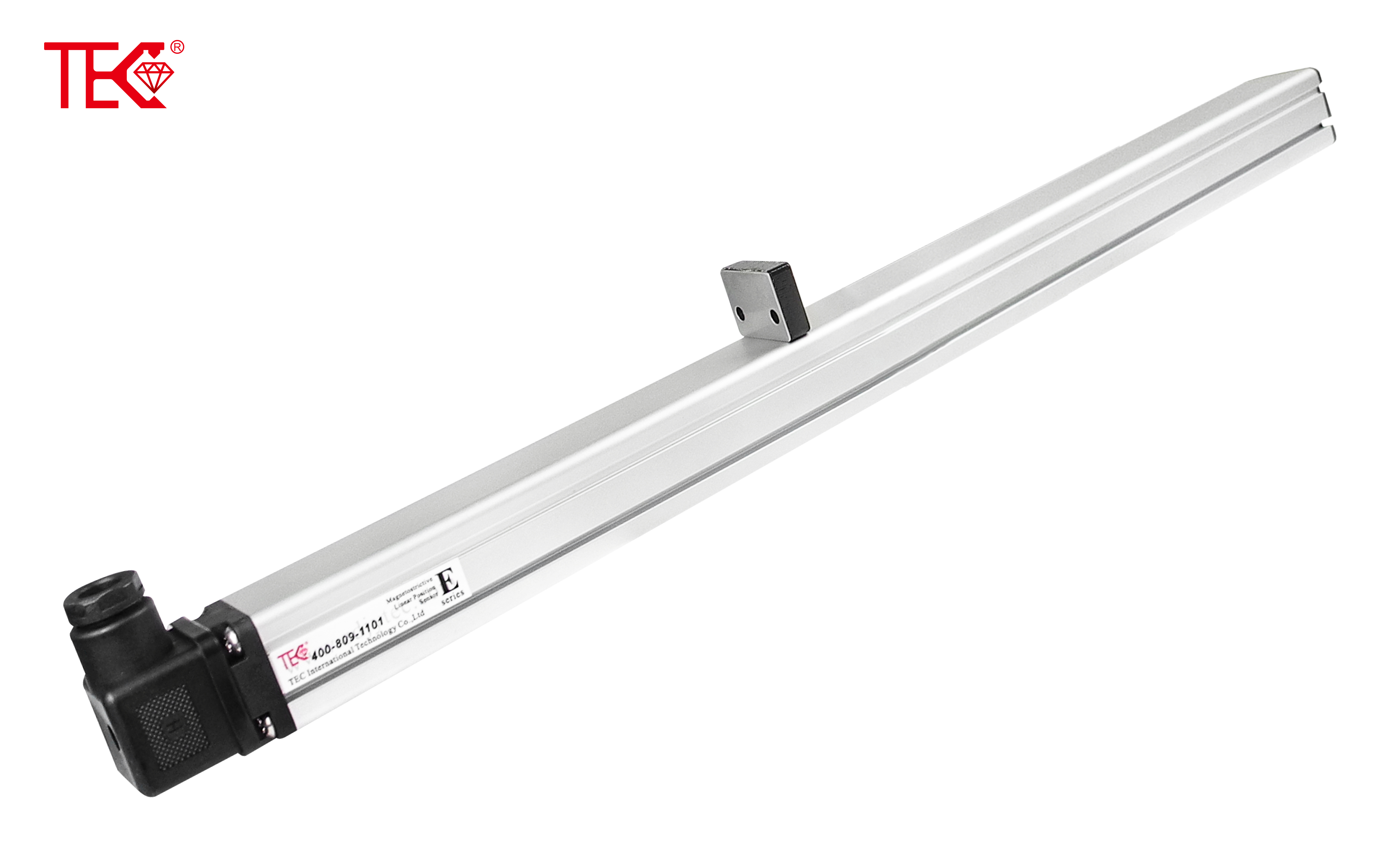
At the heart of a magnetostrictive sensor's resilience is its non-contact measurement principle. The sensor itself is a sealed, stationary probe, while the only moving component is a magnet housed within a separate, passive position magnet. This magnet moves along the outside of the probe without any physical contact. Since there is no mechanical linkage or need for openings that could allow dust ingress, the internal electronics remain completely isolated from the external environment. This inherent design eliminates a primary failure mode common in other position sensors that rely on physical contact or exposed components.
Robust Sealing and Hermetic Protection
Manufacturers build magnetostrictive sensors to withstand harsh conditions. The sensing rod (waveguide) is typically enclosed within a sealed stainless steel tube. Critical electronics are further protected by a hermetic weld, creating a barrier that is impervious to fine dust particles, moisture, and other contaminants. This level of protection often meets or exceeds IP67 or even IP69K ratings, signifying complete protection against dust and the ability to withstand high-pressure washdowns. This robust sealing ensures that the sensitive internal components continue to operate accurately, even when completely submerged in or covered by abrasive or conductive dust.
Immunity to Contaminant Buildup
Unlike optical sensors, whose performance can be crippled by a thin layer of dust on a lens, magnetostrictive sensors are unaffected by the accumulation of non-ferrous materials on their outer housing. The sensing technology relies on the interaction between a magnetic field and a torsional stress wave within the waveguide. Dust, dirt, oil, or other non-magnetic debris coating the sensor tube does not interfere with this magnetic coupling or the timing of the wave's return signal. This immunity to contaminant buildup translates to minimal maintenance and consistent, reliable readings over extended periods.
Superior Performance in Abrasive and Conductive Dust
Dust isn't just a visibility problem; it can be abrasive or conductive. Abrasive dust can wear down mechanical components in contact-based sensors like potentiometers or LVDTs. Magnetostrictive sensors, with their non-contact design, are immune to this abrasive wear. Furthermore, in environments with conductive metal dust, sensors requiring electrical fields can experience signal interference. The magnetostrictive principle, based on magneto-mechanical effects, is far less susceptible to disruption from conductive particulates, providing a more stable and trustworthy signal.
Conclusion: The Ideal Choice for Demanding Applications
For applications in woodworking, metalworking, mining, food processing, and other industries plagued by heavy dust, magnetostrictive sensors offer a compelling combination of accuracy, durability, and reliability. Their sealed, non-contact nature makes them fundamentally more suitable than many alternatives. By choosing a magnetostrictive sensor for dusty environments, engineers can significantly reduce downtime, lower maintenance costs, and ensure precise position control where it matters most.
 Technical Parameters of Linear
 How Much is Linear Displacemen
 Linear Displacement Sensor Pri
 Linear Displacement Sensor Sel