
What's the role of magnetostrictive sensors in structural health monitoring?
In an era where the safety and longevity of our infrastructure are paramount, Structural Health Monitoring (SHM) has emerged as a vital discipline. At the heart of many advanced SHM systems lies a powerful technology: the magnetostrictive sensor. These sensors play a transformative role by providing a highly accurate and reliable means of detecting structural changes, enabling proactive maintenance and preventing catastrophic failures. This article delves into the specific functions and significant advantages of magnetostrictive sensing within the SHM landscape.
What are Magnetostrictive Sensors?
Magnetostrictive sensors are sophisticated devices that leverage the magnetostrictive effect—a property of certain materials to change shape or dimension in the presence of a magnetic field. Essentially, when a magnetic field is applied, the sensor material experiences a minute strain. Conversely, when the material is mechanically strained, its magnetic properties change. This reversible phenomenon allows these sensors to act as both actuators and receivers of guided waves, making them exceptionally adept at measuring parameters like stress, strain, and torque deep within a structure without direct contact.
The Core Function: Damage Detection and Localization
The primary role of magnetostrictive sensors in SHM is the precise detection and localization of damage. They achieve this by generating and receiving ultrasonic guided waves that travel along the structure. When these waves encounter a discontinuity, such as a crack or corrosion, they reflect back. The sensor detects these reflected signals, and sophisticated algorithms analyze the time-of-flight and signal amplitude to pinpoint the damage's exact location and severity. This capability is crucial for monitoring large and complex structures like pipelines, bridges, and aircraft wings, where visual inspection is impractical.
Advantages Over Conventional Sensing Technologies
Magnetostrictive sensors offer several distinct advantages that make them superior to other SHM techniques. Unlike piezoelectric sensors, they are not susceptible to degradation from moisture or temperature fluctuations and do not require a couplant. Their ability to generate strong, directional waves allows for long-range inspection from a single point, reducing the number of sensors needed. Furthermore, they are highly sensitive, capable of detecting sub-millimeter cracks, and provide quantitative data on the severity of defects, enabling engineers to make informed decisions about repair priorities.
Real-Time Monitoring and Predictive Maintenance
A significant benefit of integrating magnetostrictive sensors into an SHM system is the enablement of real-time, continuous monitoring. These sensors can be permanently installed on critical structural components, providing a constant stream of data on the health of the asset. This shift from periodic, manual inspections to continuous monitoring facilitates a predictive maintenance strategy. By analyzing trends in the data, engineers can forecast potential failures long before they become critical, scheduling repairs during planned downtime and avoiding costly emergency interventions and unplanned outages.
Applications in Critical Infrastructure
The practical applications of magnetostrictive sensors are vast and impactful. They are extensively used in the oil and gas industry to monitor the integrity of long-distance pipelines for cracks and leaks. In civil engineering, they are embedded in bridges and buildings to assess the effects of fatigue and environmental loading. The aerospace sector employs them to monitor the structural health of aircraft fuselages and wings. Essentially, anywhere structural integrity is non-negotiable, magnetostrictive sensors provide a reliable sentinel.
Conclusion: An Indispensable Tool for Safer Structures
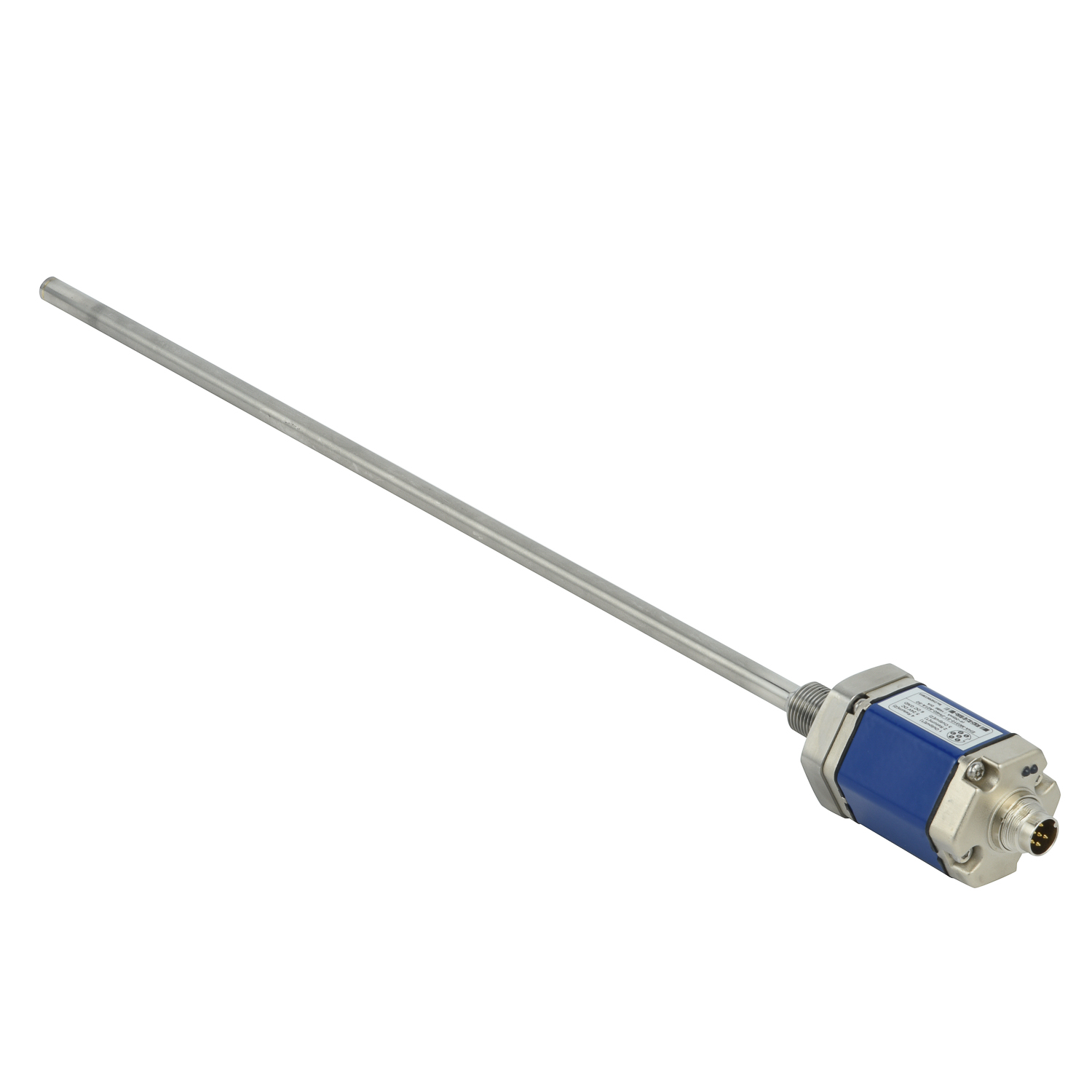
In conclusion, magnetostrictive sensors are an indispensable tool in the field of Structural Health Monitoring. Their unique principle of operation, combined with advantages like long-range capability, durability, and high sensitivity, positions them as a leading solution for ensuring the safety and durability of critical infrastructure. As technology advances, the integration of these sensors with the Internet of Things (IoT) and big data analytics will further enhance their role, paving the way for smarter, safer, and more resilient cities and systems for future generations.
 Domestic Linear Displacement S
 Linear Displacement Sensor Man
 Corrosion-resistant Linear Dis
 Rod-type Linear Displacement S