
How do magnetostrictive sensors control precision in solar tracking systems?
In the rapidly evolving landscape of renewable energy, solar power stands out as a frontrunner. The efficiency of solar energy harvesting directly correlates with the ability of photovoltaic panels to maintain optimal alignment with the sun's trajectory. This is where solar tracking systems become indispensable, and at the heart of their precision lies a critical component: the magnetostrictive sensor. These advanced sensors provide the accurate, real-time positional feedback necessary for systems to make micro-adjustments, ensuring maximum energy capture throughout the day.
The Fundamental Role of Precision in Solar Tracking
Precision is not merely a desirable feature in solar tracking; it is a fundamental requirement for economic viability and energy efficiency. Even minor deviations in the angle of incidence between sunlight and the photovoltaic panel surface can lead to significant losses in energy output. High-precision tracking systems can increase energy yield by up to 30% or more compared to fixed-tilt systems. Magnetostrictive sensors deliver the non-contact, high-resolution feedback needed to achieve this level of accuracy, enabling controllers to command actuators with exceptional fidelity and maintain the perfect angle for energy absorption.
Understanding the Working Principle of Magnetostrictive Sensors
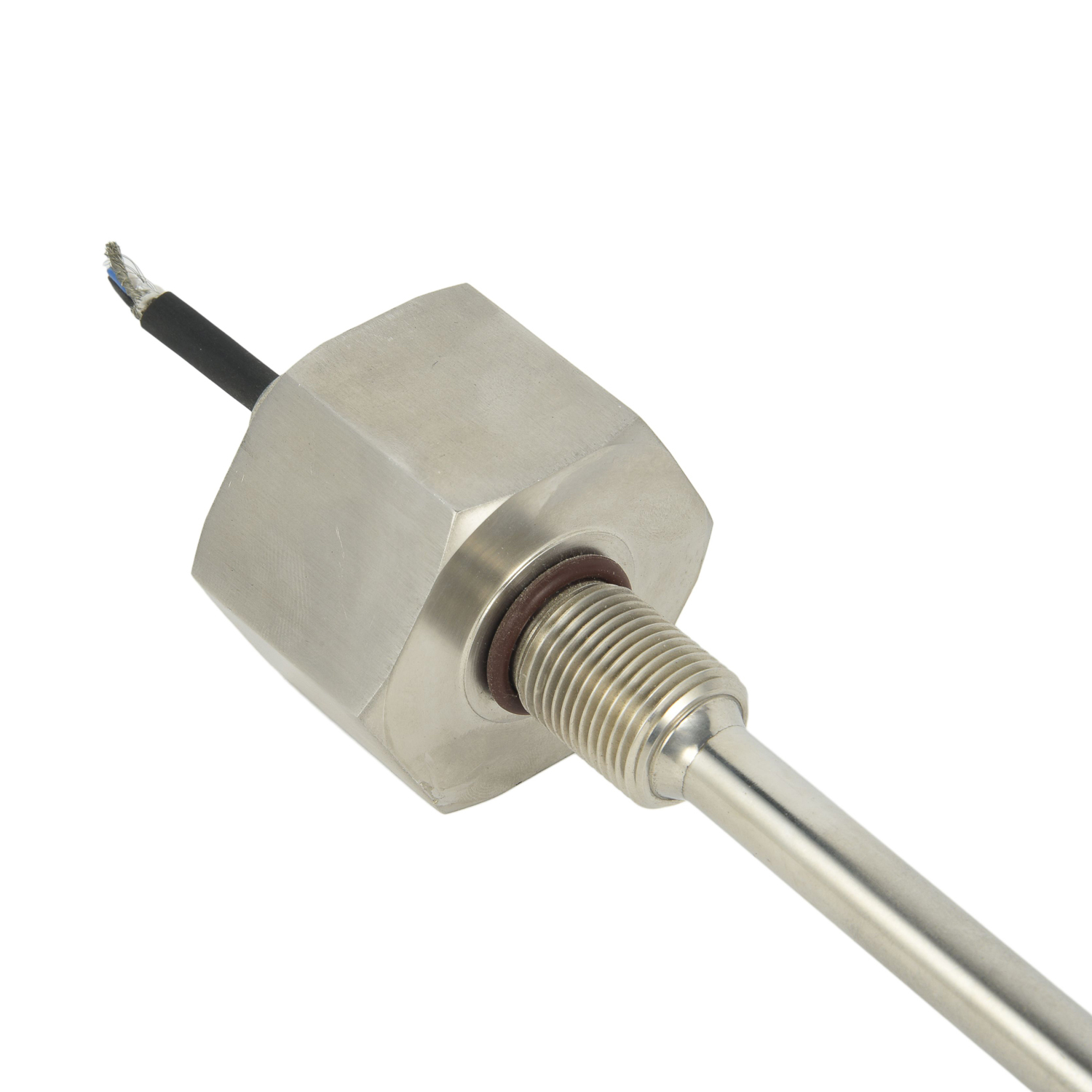
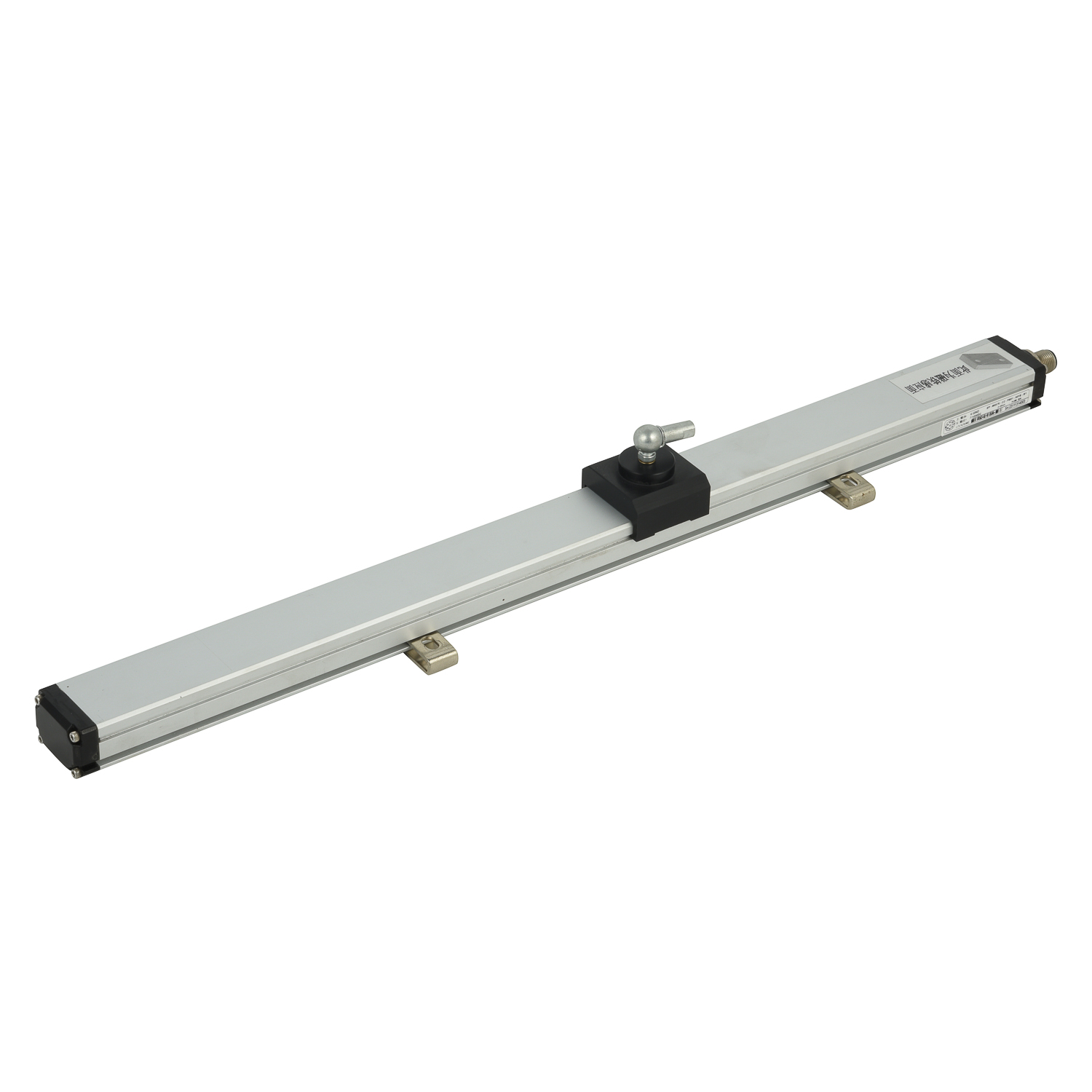
The operation of a magnetostrictive sensor is based on a physical phenomenon known as magnetostriction. Inside the sensor, a waveguide wire is housed within a protective tube. A current pulse sent down this wire generates a circumferential magnetic field. A permanent magnet, positioned externally on the moving part of the solar tracker (like the actuator arm), creates a second magnetic field. The interaction of these two fields produces a torsional strain wave, or "twist," that travels at the speed of sound along the waveguide. The sensor precisely measures the time interval between the current pulse initiation and the arrival of the strain wave, converting it into an absolute, high-resolution position measurement of the magnet's location.
Key Advantages Over Alternative Sensing Technologies
When compared to other position sensing technologies like potentiometers or LVDTs, magnetostrictive sensors offer distinct advantages for solar tracking applications. Their non-contact nature means there is no physical wear, resulting in a long operational lifespan and minimal maintenance—a critical factor in large-scale solar farms. They provide absolute position feedback, eliminating the need for homing sequences after a power outage. Furthermore, they are highly resistant to environmental contaminants like dust and moisture and offer exceptional accuracy and repeatability, which are paramount for consistent, long-term performance.
Integration and Control in Solar Tracking Systems
In a typical solar tracking system, a magnetostrictive sensor is integrated directly with the linear actuator responsible for panel movement. The sensor continuously feeds the actuator's exact position back to the system's Programmable Logic Controller (PLC). The PLC compares this real-time data with a pre-calculated astronomical algorithm of the sun's position. Any discrepancy triggers a corrective command, adjusting the actuator until the sensor confirms the panel has reached the precise desired angle. This closed-loop control system, powered by the reliable data from the magnetostrictive sensor, ensures continuous optimization.
Enhancing Reliability and Efficiency for Maximum ROI
The ultimate benefit of employing magnetostrictive sensors in solar tracking systems is the enhancement of both reliability and efficiency, which directly translates to a higher return on investment. By maximizing energy capture, these sensors boost the power output of the entire installation. Their ruggedness and durability reduce downtime and maintenance costs. This combination of increased revenue and decreased operational expenses makes magnetostrictive sensor-equipped trackers a superior choice for utility-scale, commercial, and industrial solar projects aiming for long-term profitability and sustainability.

 Rod-type Linear Displacement S
 Flange-mounted Linear Displace
 Non-contact Linear Displacemen
 Built-in Hydraulic Cylinder Li