
What breakthroughs exist in compact design of magnetostrictive sensors?
The evolution of magnetostrictive sensors has reached a pivotal moment with recent advancements in compact design methodologies. These innovations are transforming how industries implement precision measurement systems while maintaining the exceptional accuracy that magnetostrictive technology is renowned for. The drive toward miniaturization addresses critical needs for space-constrained applications without compromising performance parameters.
Advanced Materials Engineering
Breakthroughs in material science have been fundamental to sensor miniaturization. The development of novel magnetostrictive alloys with enhanced properties allows for significantly reduced sensor dimensions while maintaining or even improving performance characteristics. These advanced materials exhibit superior magnetostrictive coefficients, enabling stronger signal generation from smaller active elements. The integration of composite materials and nanostructured alloys has further optimized the energy conversion efficiency, permitting substantial size reduction without sacrificing measurement accuracy or range.
Microfabrication and MEMS Integration
The adoption of Micro-Electro-Mechanical Systems (MEMS) technology represents a quantum leap in compact sensor design. Through sophisticated microfabrication techniques, manufacturers can now produce magnetostrictive elements at microscopic scales. This approach enables the integration of multiple sensor components onto single chips, dramatically reducing overall footprint. MEMS-based magnetostrictive sensors achieve unprecedented miniaturization while benefiting from batch manufacturing processes that enhance consistency and reduce production costs.
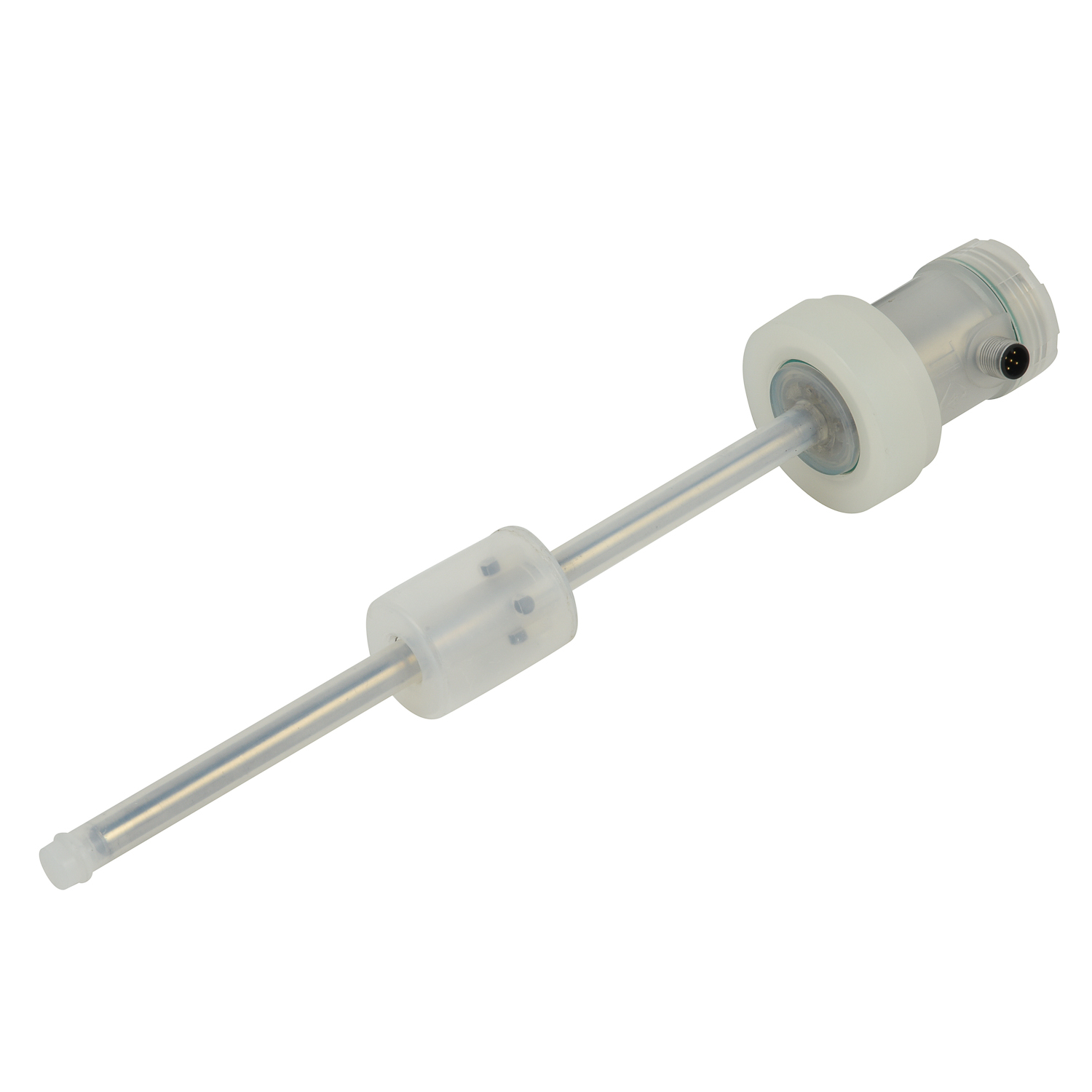
Waveguide Optimization Techniques
Innovations in waveguide design have been crucial for compact sensor development. Engineers have developed tapered and helical waveguide configurations that maximize interaction length within minimal spatial constraints. These optimized geometries enhance the magnetostrictive effect while reducing the physical dimensions required for accurate position detection. The implementation of advanced waveguide materials with improved acoustic properties has further contributed to size reduction while maintaining signal integrity and measurement precision.
Integrated Electronics and Signal Processing
The miniaturization of supporting electronics has played an equally important role in compact sensor design. Modern magnetostrictive sensors incorporate application-specific integrated circuits (ASICs) that combine multiple functions into single chips. These integrated solutions handle signal generation, processing, and output within dramatically reduced space requirements. Advanced signal processing algorithms compensate for size-related limitations, ensuring that compact sensors deliver performance comparable to their larger predecessors.
Packaging and Thermal Management
Breakthroughs in packaging technology have enabled robust protection for miniaturized sensor components while addressing thermal management challenges. Multi-layer packaging approaches provide effective electromagnetic shielding and environmental protection without increasing dimensions. Innovative thermal interface materials and heat dissipation structures maintain optimal operating temperatures despite higher power densities in compact designs. These packaging innovations ensure reliability and longevity while supporting the trend toward smaller form factors.
The convergence of these breakthroughs has positioned compact magnetostrictive sensors as ideal solutions for modern industrial automation, medical devices, and aerospace applications where space constraints and precision requirements coexist. As research continues, further miniaturization advancements are expected to open new possibilities for integration and application across diverse technological fields.
 Field Application of Linear Di
 Model and Specification of Lin
 Import Substitute Linear Displ
 Installation Method of Linear