
Why are magnetostrictive sensors gaining popularity in metallurgy?
Introduction to Magnetostrictive Sensing Technology
Magnetostrictive sensors represent a breakthrough in precision measurement technology, particularly valuable in challenging industrial environments. These innovative devices operate on the principle of magnetostriction - a property where ferromagnetic materials change shape when exposed to magnetic fields. In metallurgical applications, this technology provides unprecedented accuracy in position and level detection, outperforming traditional measurement methods. The sensors generate an ultrasonic wave that travels along a waveguide, enabling precise time-of-flight calculations for exact measurements. This fundamental operating principle makes them exceptionally suitable for metallurgy's demanding conditions, where temperature extremes and harsh materials often compromise conventional sensors.
Superior Performance in Extreme Metallurgical Environments
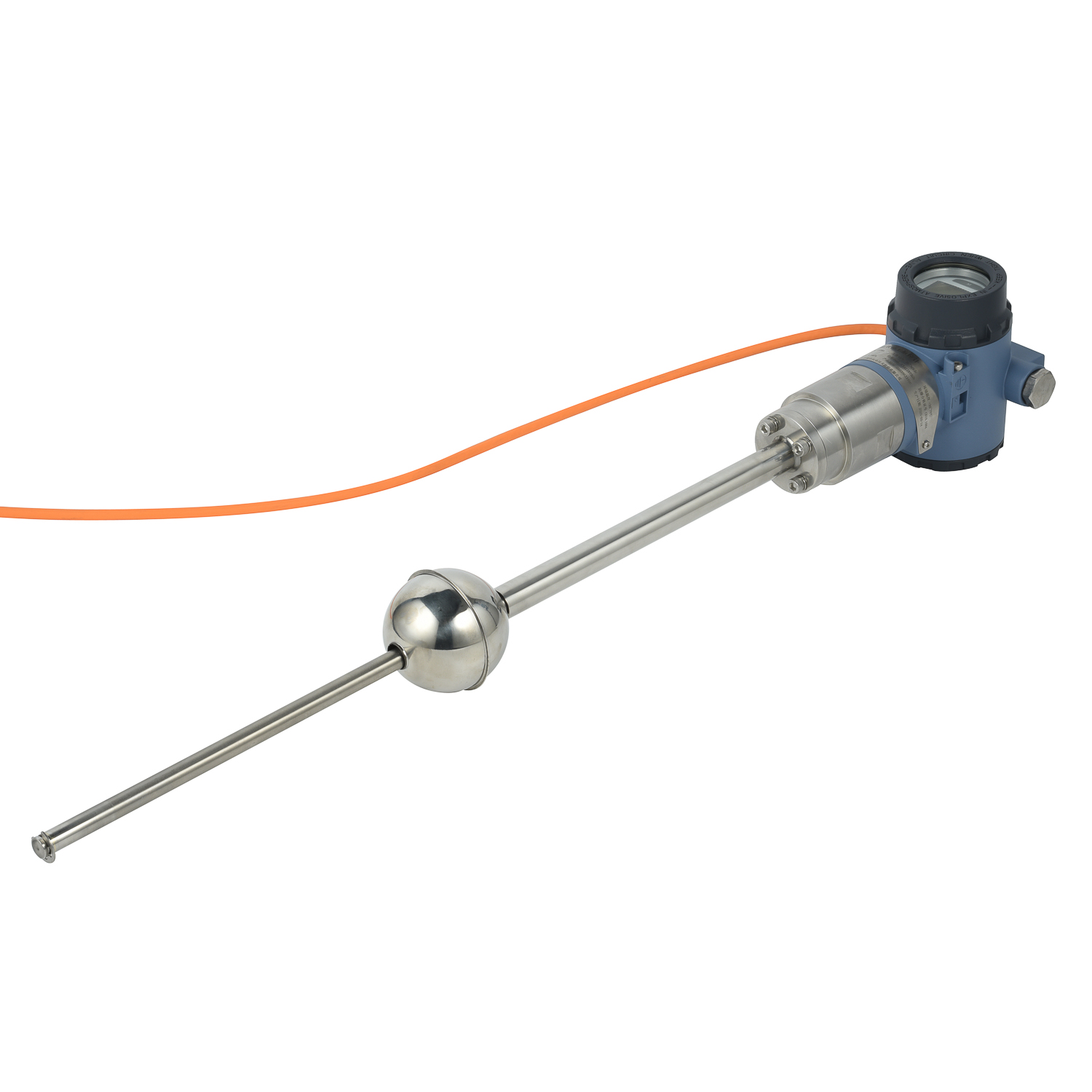
The metallurgy industry presents some of the most challenging conditions for measurement equipment, with temperatures frequently exceeding 1000°C and exposure to corrosive materials. Magnetostrictive sensors excel where other technologies fail, maintaining accuracy in high-temperature environments that would destroy conventional sensors. Their robust construction typically features high-grade stainless steel and specialized alloys that resist thermal degradation and chemical corrosion. Unlike optical or capacitive sensors that suffer from dust interference, magnetostrictive devices provide reliable performance even in particulate-heavy metallurgical settings. This resilience translates to reduced downtime and maintenance costs, as these sensors continue delivering precise measurements through extreme thermal cycles and aggressive chemical exposures common in metal processing facilities.
Non-Contact Measurement Advantages
One of the most significant benefits driving magnetostrictive sensor adoption is their non-contact measurement capability. In metallurgical applications involving molten metals, traditional contact-based sensors face rapid wear and contamination issues. Magnetostrictive technology eliminates physical contact with measured materials, using magnetic fields to detect position through containment barriers. This feature proves invaluable in continuous casting processes, ladle level monitoring, and furnace operations where direct contact would compromise both sensor integrity and material purity. The non-contact nature also eliminates mechanical wear, ensuring consistent accuracy over extended operational periods without requiring frequent recalibration or replacement.
Enhanced Precision for Quality Control
Modern metallurgical operations demand increasingly precise measurements to maintain product quality and process efficiency. Magnetostrictive sensors deliver exceptional resolution, often achieving accuracy within micrometers - crucial for applications like roll gap control in rolling mills or precise positioning in automated forging systems. This level of precision enables metallurgists to maintain tighter tolerances throughout production processes, resulting in higher-quality end products with improved mechanical properties. The technology's fast response time allows real-time adjustments during dynamic processes, preventing defects before they occur. As quality standards become more stringent across automotive, aerospace, and construction industries, magnetostrictive sensors provide the measurement certainty needed to meet these elevated requirements.
Integration with Industry 4.0 and Smart Manufacturing
The rise of Industry 4.0 has accelerated magnetostrictive sensor adoption throughout metallurgical facilities. These intelligent sensors seamlessly integrate with digital control systems, providing critical data for predictive maintenance and process optimization algorithms. Their compatibility with industrial IoT platforms enables continuous monitoring of equipment health and process parameters, facilitating data-driven decision-making. Modern magnetostrictive sensors feature advanced diagnostics capabilities, alerting operators to potential issues before they cause production interruptions. This connectivity supports the transition toward fully automated smart factories, where real-time sensor data optimizes everything from energy consumption to production scheduling, ultimately enhancing overall operational efficiency.
Cost-Effectiveness and Long-Term Reliability
While the initial investment in magnetostrictive sensors may exceed traditional alternatives, their long-term economic benefits are driving widespread adoption. The exceptional durability of these sensors significantly reduces replacement frequency and maintenance requirements, leading to substantial cost savings over equipment lifespan. Their reliability minimizes production interruptions caused by sensor failure, which proves particularly valuable in continuous metallurgical processes where downtime costs thousands per minute. Additionally, the precision measurements contribute to material savings and reduced energy consumption by optimizing process parameters. As metallurgical operations face increasing pressure to improve sustainability and reduce operational costs, magnetostrictive sensors offer a compelling return on investment through both performance improvements and economic efficiencies.
Future Outlook and Emerging Applications
The trajectory of magnetostrictive sensor technology points toward continued growth and innovation in metallurgical applications. Ongoing research focuses on enhancing temperature tolerance beyond current limits and developing miniaturized versions for space-constrained installations. Emerging applications include additive manufacturing of metals, where precise powder level monitoring and print head positioning benefit from magnetostrictive precision. As metallurgy embraces increasingly advanced materials and processes, these sensors will play a crucial role in enabling next-generation manufacturing techniques. The technology's adaptability suggests it will remain at the forefront of metallurgical measurement solutions, continually evolving to meet the industry's future challenges and opportunities.
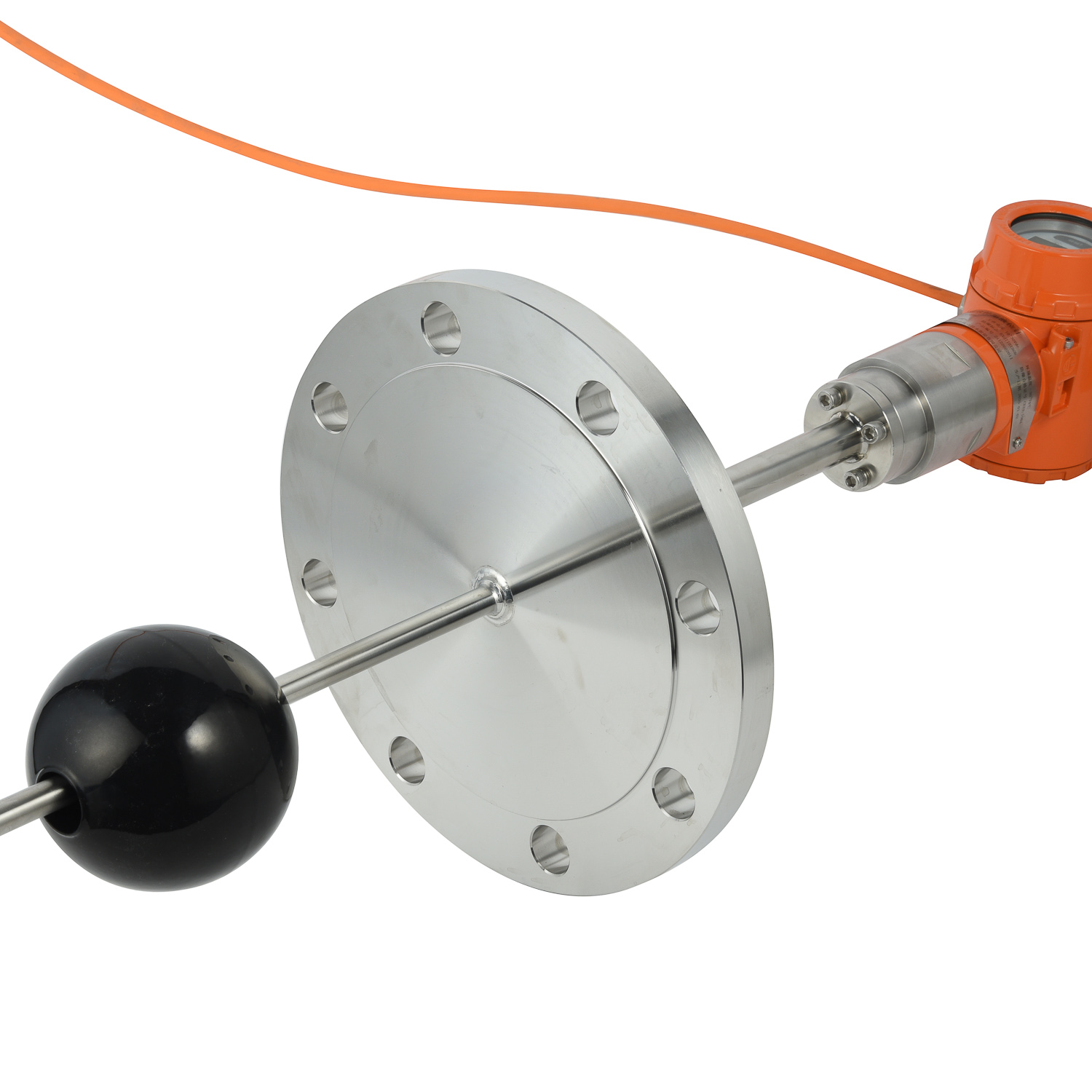 Corrosion-resistant Linear Dis
 Rod-type Linear Displacement S
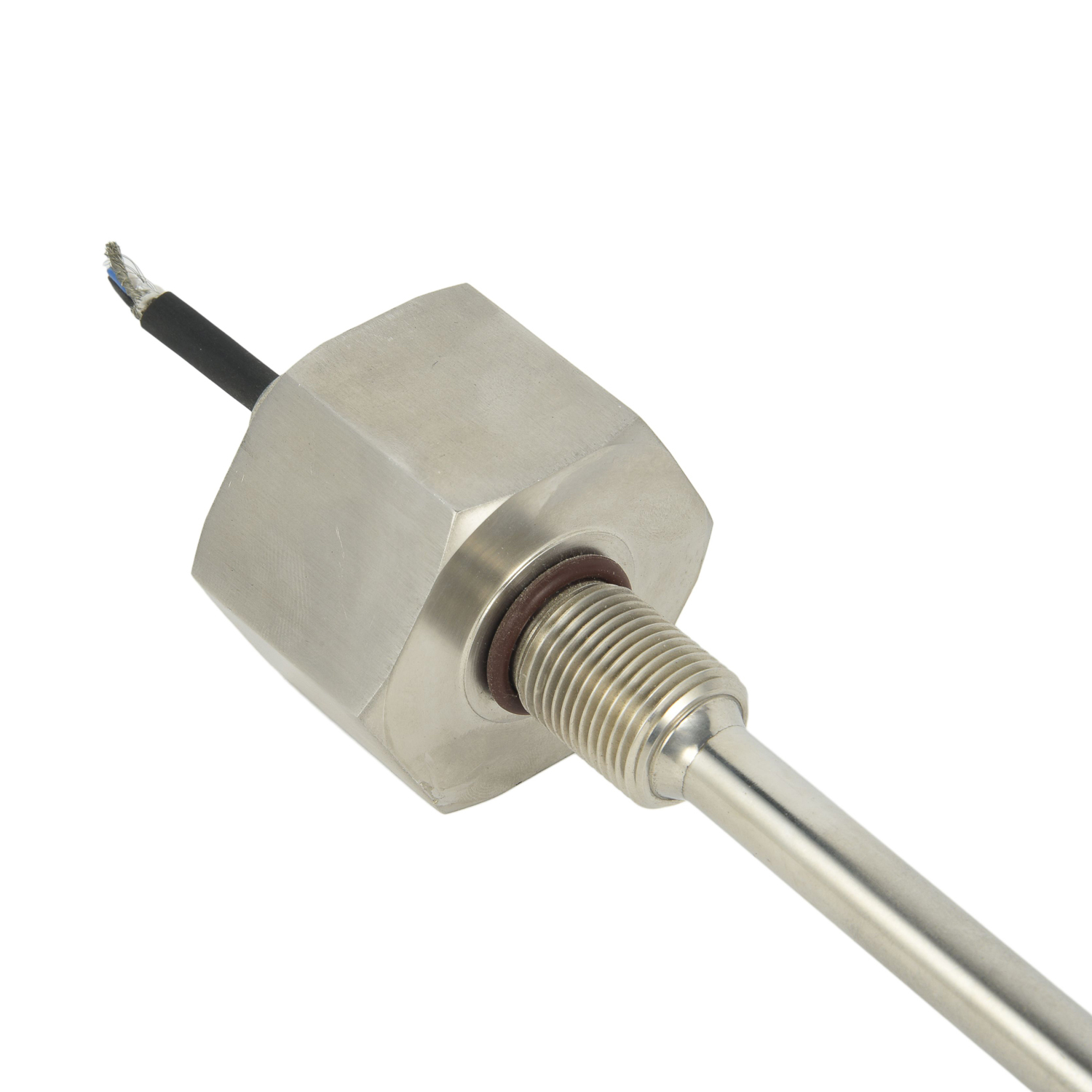 Flange-mounted Linear Displace
 Non-contact Linear Displacemen