
How do magnetostrictive sensors achieve self-powered design?
Magnetostrictive sensors represent a significant advancement in measurement technology, particularly when integrated with self-powering capabilities. This innovative approach eliminates the need for external power sources, making these sensors ideal for remote or hard-to-reach applications where continuous monitoring is essential.
The Fundamental Principle of Magnetostriction
At the core of self-powered magnetostrictive sensors lies the magnetostrictive effect, where certain materials change their shape or dimensions when subjected to a magnetic field. This phenomenon works in reverse as well – when these materials experience mechanical stress, their magnetic properties change accordingly. This bidirectional relationship forms the foundation for both sensing and energy generation capabilities. Materials like terfenol-D and galfenol are particularly effective for these applications due to their strong magnetostrictive properties.
Energy Harvesting Through Mechanical Vibrations
The self-powered design primarily utilizes ambient mechanical vibrations as an energy source. When the sensor experiences vibrations from its environment, the magnetostrictive material within the sensor undergoes cyclic mechanical stress. This stress variation induces corresponding changes in the material's magnetic flux, which can be captured by surrounding coils. According to Faraday's law of electromagnetic induction, this changing magnetic field generates an electrical current in the coil, effectively converting mechanical energy into usable electrical power.
Piezoelectric Integration for Enhanced Efficiency
Many advanced self-powered magnetostrictive sensors incorporate piezoelectric materials to boost energy conversion efficiency. The combination creates a hybrid energy harvesting system where magnetostrictive elements respond to magnetic field changes while piezoelectric components convert mechanical strain directly into electrical energy. This synergistic approach significantly increases power output, enabling the sensor to operate consistently even in low-vibration environments. The integrated system can generate sufficient power for both sensing operations and data transmission.
Power Management and Storage Systems
Effective power management circuitry is crucial for maintaining consistent sensor operation. The harvested energy, though intermittent, is stored in supercapacitors or small rechargeable batteries that provide stable power during periods of low energy input. Advanced power management systems include voltage regulators, energy monitoring circuits, and sleep-mode activation to optimize energy usage. These systems ensure that the sensor remains operational while efficiently managing the limited harvested energy resources.
Applications in Wireless Sensor Networks
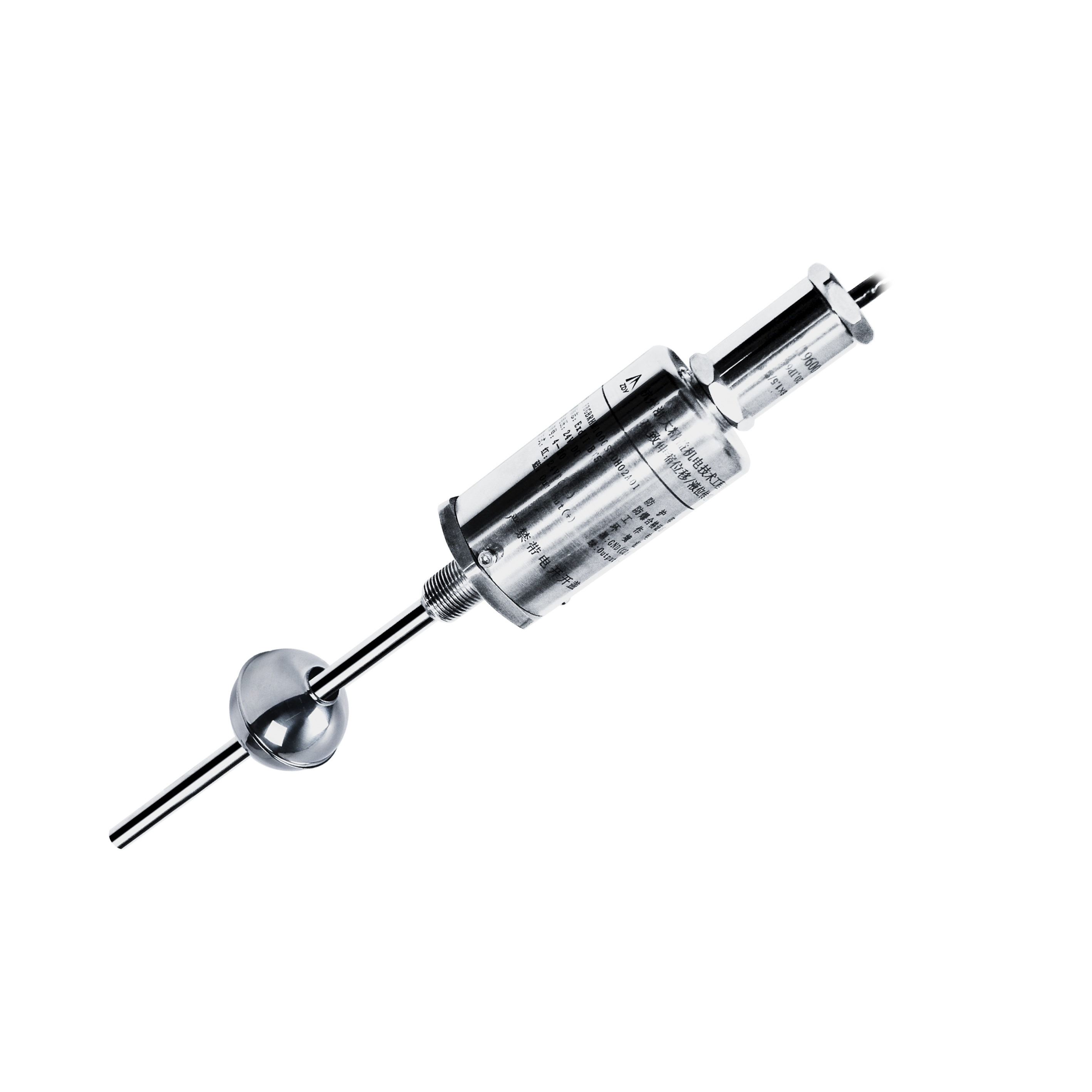
The self-powering capability makes magnetostrictive sensors particularly valuable for wireless sensor networks and Internet of Things applications. They can be deployed in structural health monitoring systems, industrial equipment condition monitoring, and smart infrastructure without requiring wiring for power or data transmission. This autonomy significantly reduces installation and maintenance costs while enabling long-term monitoring in locations where battery replacement would be impractical or impossible.
Future Developments in Self-Powered Sensing Technology
Ongoing research focuses on improving energy conversion efficiency through new material combinations and optimized structural designs. Developments in nanomaterials and composite structures show promise for enhancing both sensing sensitivity and power generation capabilities. Future iterations may incorporate multiple energy harvesting sources, such as thermal gradients or solar energy, to create truly autonomous sensing systems that can operate indefinitely in various environmental conditions.
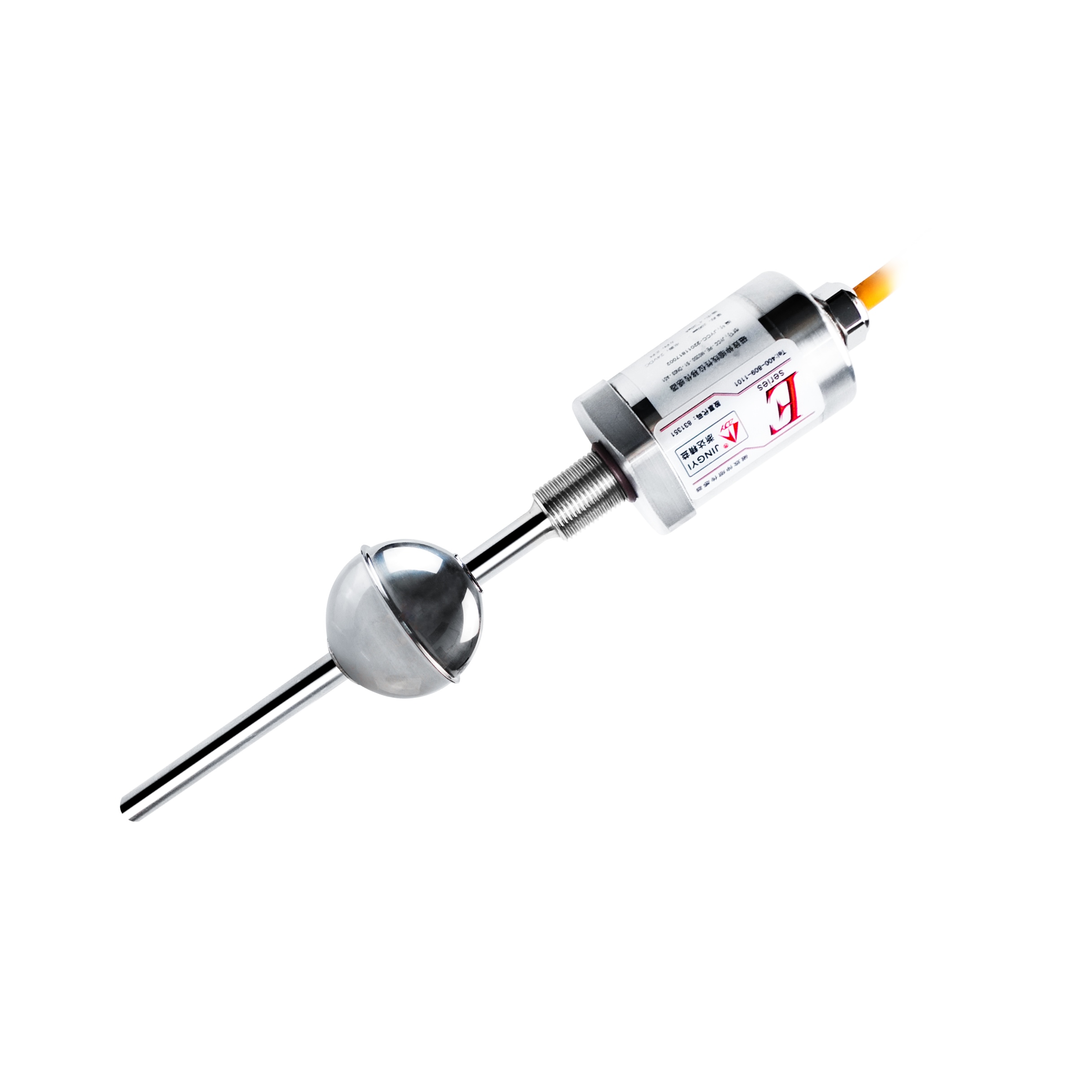 Domestic Linear Displacement S
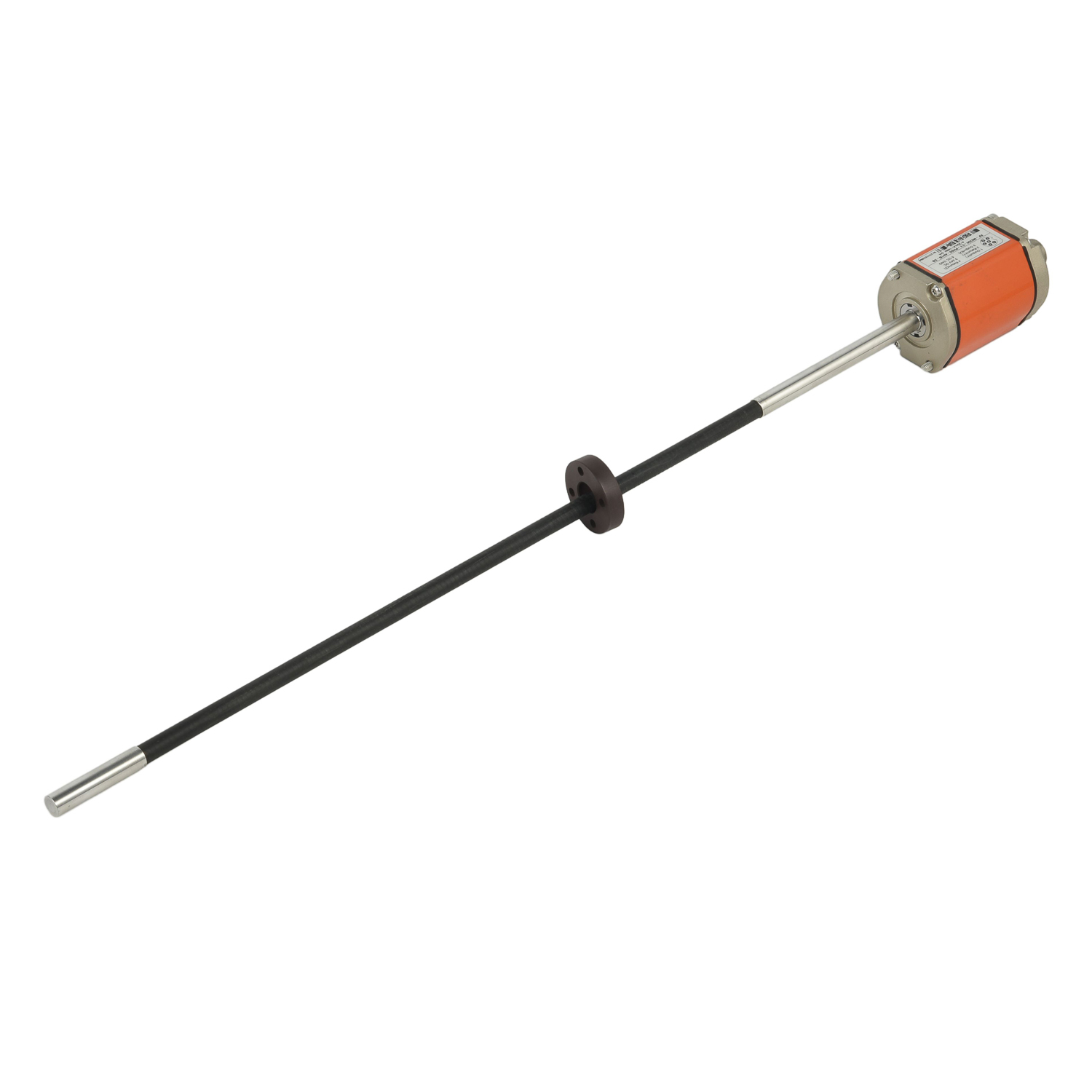 Linear Displacement Sensor Man
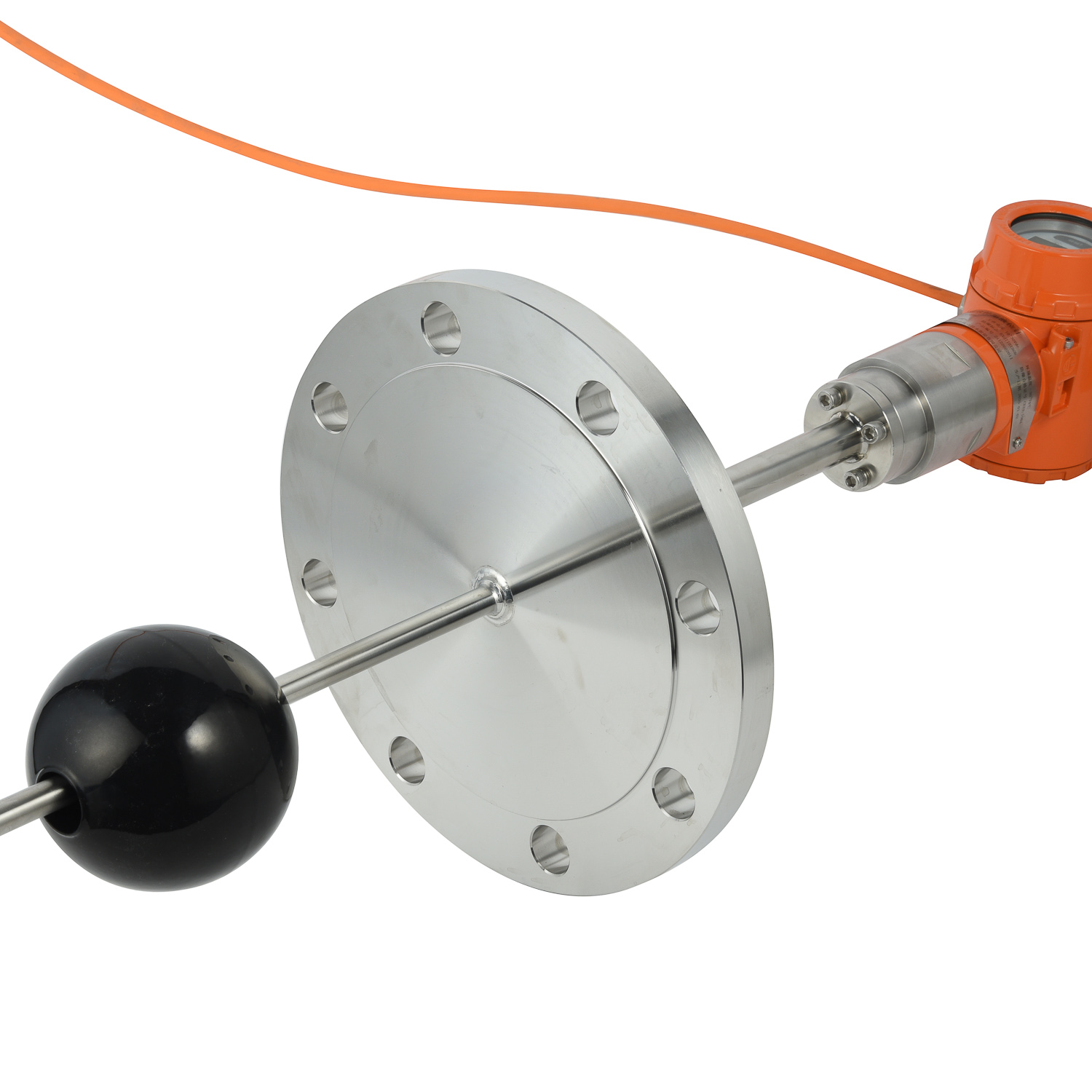 Corrosion-resistant Linear Dis
 Rod-type Linear Displacement S