
How to enable multi-target synchronous tracking with magnetostrictive technology?
In today's advanced industrial landscape, achieving precise, simultaneous tracking of multiple moving components is crucial for optimizing complex machinery. Magnetostrictive technology has emerged as a leading solution for this challenge, offering unparalleled accuracy and reliability. This guide will delve into the fundamental principles and practical steps required to implement a robust multi-target synchronous tracking system.
Understanding the Core of Magnetostrictive Sensing
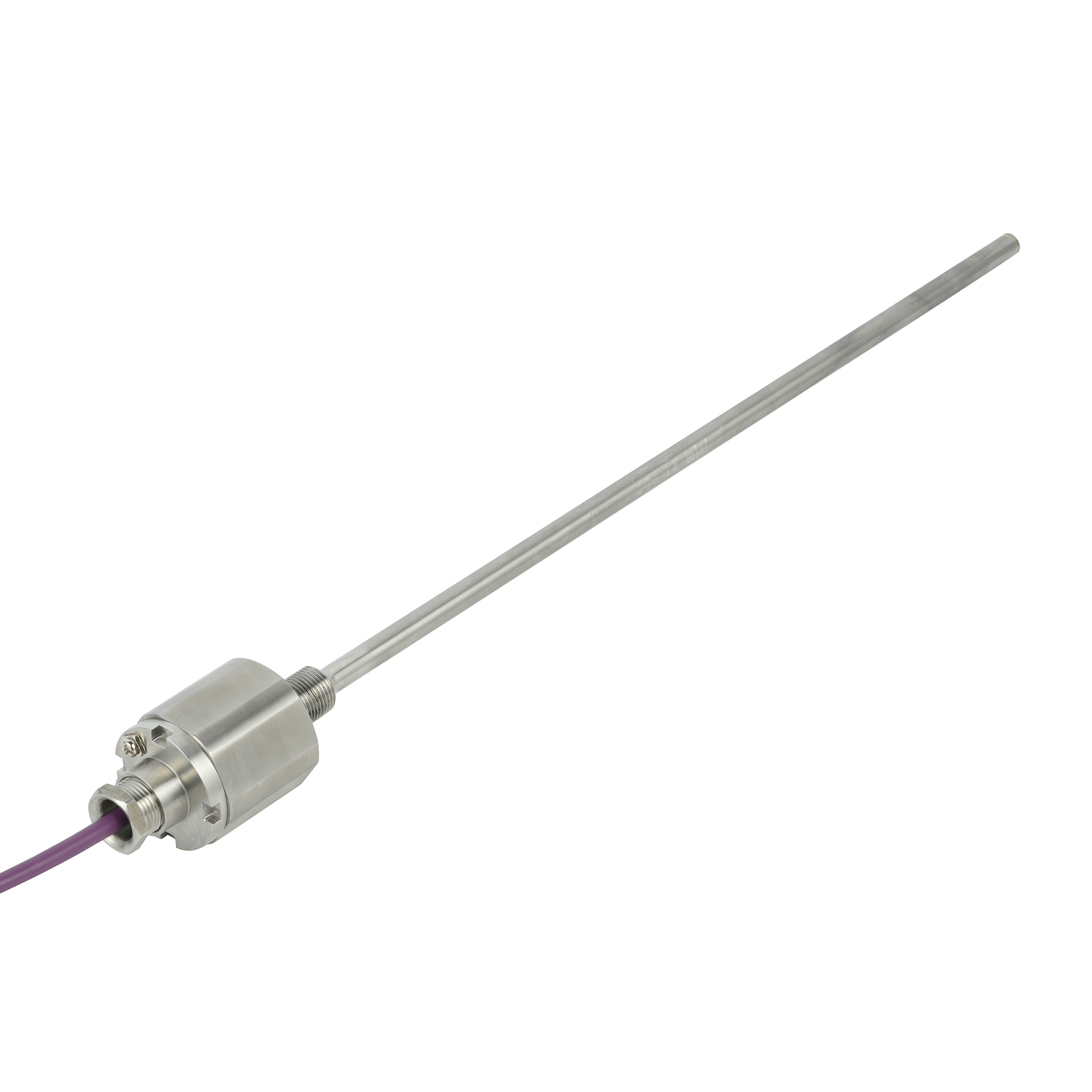
At its heart, magnetostrictive sensing relies on a physical phenomenon called magnetostriction. This principle involves the interaction between a magnetic field and a special ferromagnetic waveguide. When a current pulse, known as the interrogation pulse, is sent down this waveguide, it creates a circular magnetic field around it. If a permanent magnet (the position magnet) is placed along the waveguide, its magnetic field interacts with the current pulse's field. This interaction generates a torsional strain wave, or a "twist," in the waveguide that travels back to a pickup sensor at a known, constant speed. By precisely measuring the time delay between sending the current pulse and receiving the returning strain wave, the absolute position of the magnet can be calculated with extreme accuracy.
The Architecture for Multi-Target Synchronous Tracking
Enabling synchronous tracking for multiple targets requires a specific system architecture. Unlike single-magnet systems, a multi-target setup incorporates several position magnets, each associated with a different moving part (e.g., different carriages on a linear axis). The key lies in how the system differentiates between these magnets. Advanced magnetostrictive sensors achieve this by using a single waveguide but assigning a unique identification feature to each position magnet. This can be done by designing magnets with slightly different magnetic field strengths or by using a coded pulse sequence. The sensor's electronics send out interrogation pulses and then listen for the distinct return signals from each magnet, allowing it to calculate all positions simultaneously within a single scan cycle, providing true synchronous data.
Key Implementation Steps for Your System
Successfully deploying this technology involves a methodical approach. First, clearly define your application requirements: the number of targets, required resolution, update rate, and environmental conditions. Next, select a magnetostrictive sensor specifically designed for multi-target tracking, ensuring it has the necessary channel capacity and communication protocol (e.g., Ethernet/IP, PROFINET). Then, mechanically mount the waveguide rod securely, avoiding areas of high vibration or extreme heat. Finally, attach the position magnets to the moving targets, ensuring their orientation and alignment with the waveguide are correct as per the manufacturer's specifications. Proper calibration through the sensor's software interface is the final critical step to ensure accurate position readings.
Overcoming Common Integration Challenges
While powerful, integration can present hurdles that are easily managed with foresight. Electrical noise from motor drives or welders can interfere with the sensitive analog signals. To mitigate this, use shielded cables throughout and ensure proper grounding. Mechanical stress on the waveguide can also cause measurement errors; therefore, use appropriate mounting brackets that allow for thermal expansion. For applications with many targets, ensure the sensor's update rate is fast enough to track all movements without aliasing. Consulting with the sensor manufacturer during the planning phase can help you avoid these common pitfalls and select the optimal product for your specific needs.
The Tangible Benefits in Industrial Automation
Implementing magnetostrictive multi-target tracking delivers significant operational advantages. It provides true absolute positioning, meaning the system knows the exact position immediately upon power-up without needing a homing routine. The non-contact nature of the sensing ensures virtually infinite resolution and a long operational life with no mechanical wear. The synchronous data allows for sophisticated, coordinated motion control, leading to higher throughput, improved product quality, and reduced cycle times. This makes it ideal for applications like automated storage and retrieval systems, precision printing presses, and complex material handling equipment where multiple actuators must work in perfect harmony.
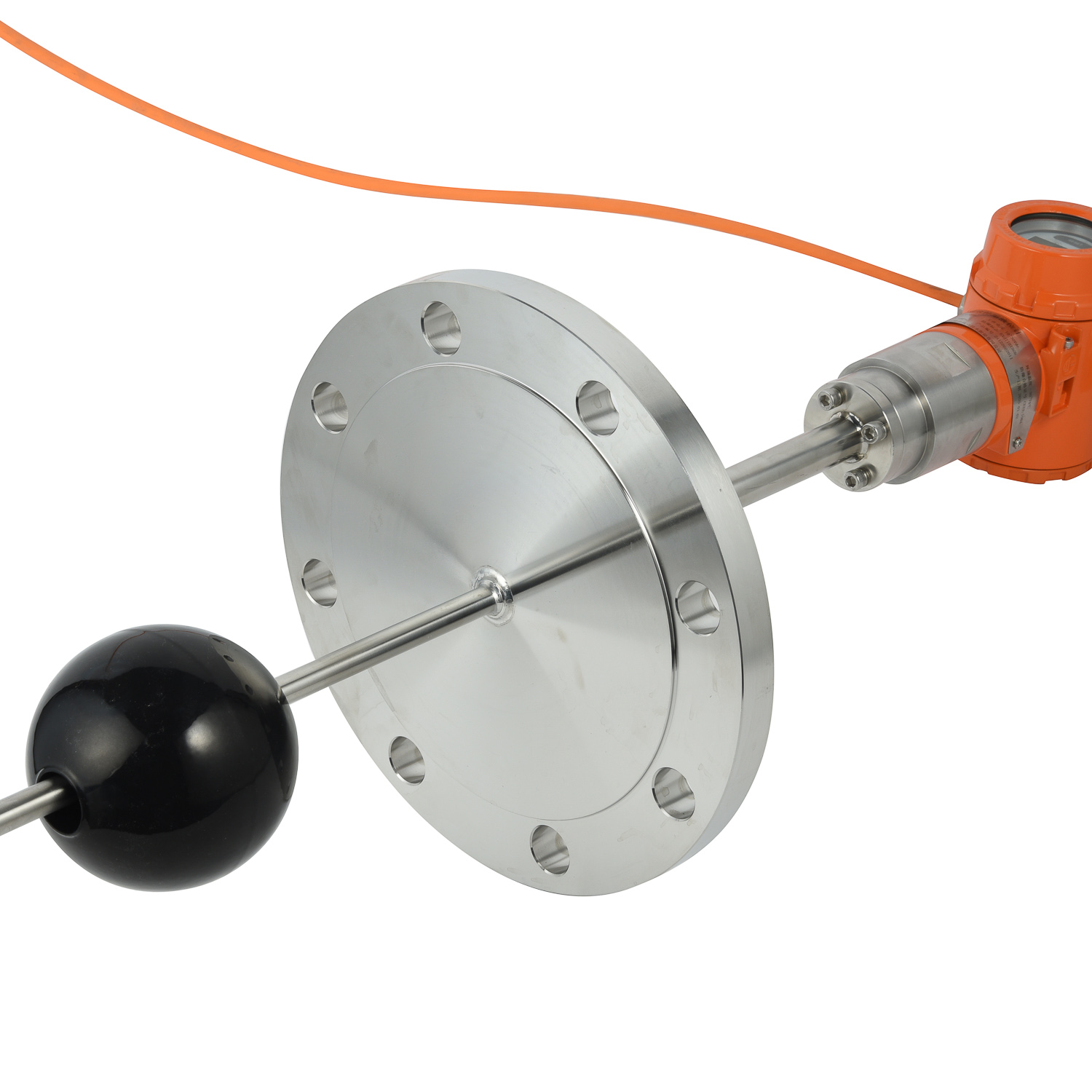 Corrosion-resistant Linear Dis
 Rod-type Linear Displacement S
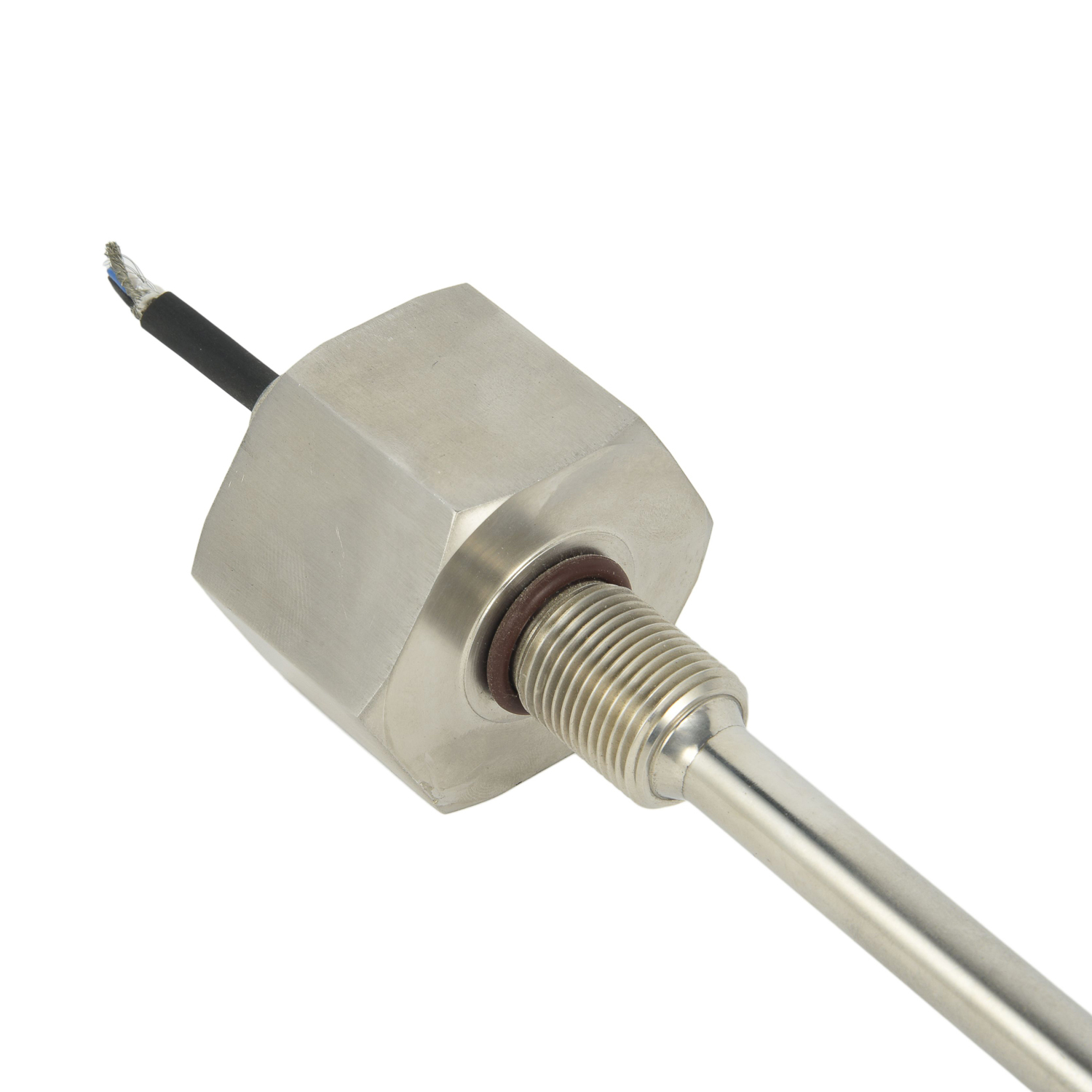 Flange-mounted Linear Displace
 Non-contact Linear Displacemen