
What's the special value of magnetostrictive sensors in deep-sea exploration?
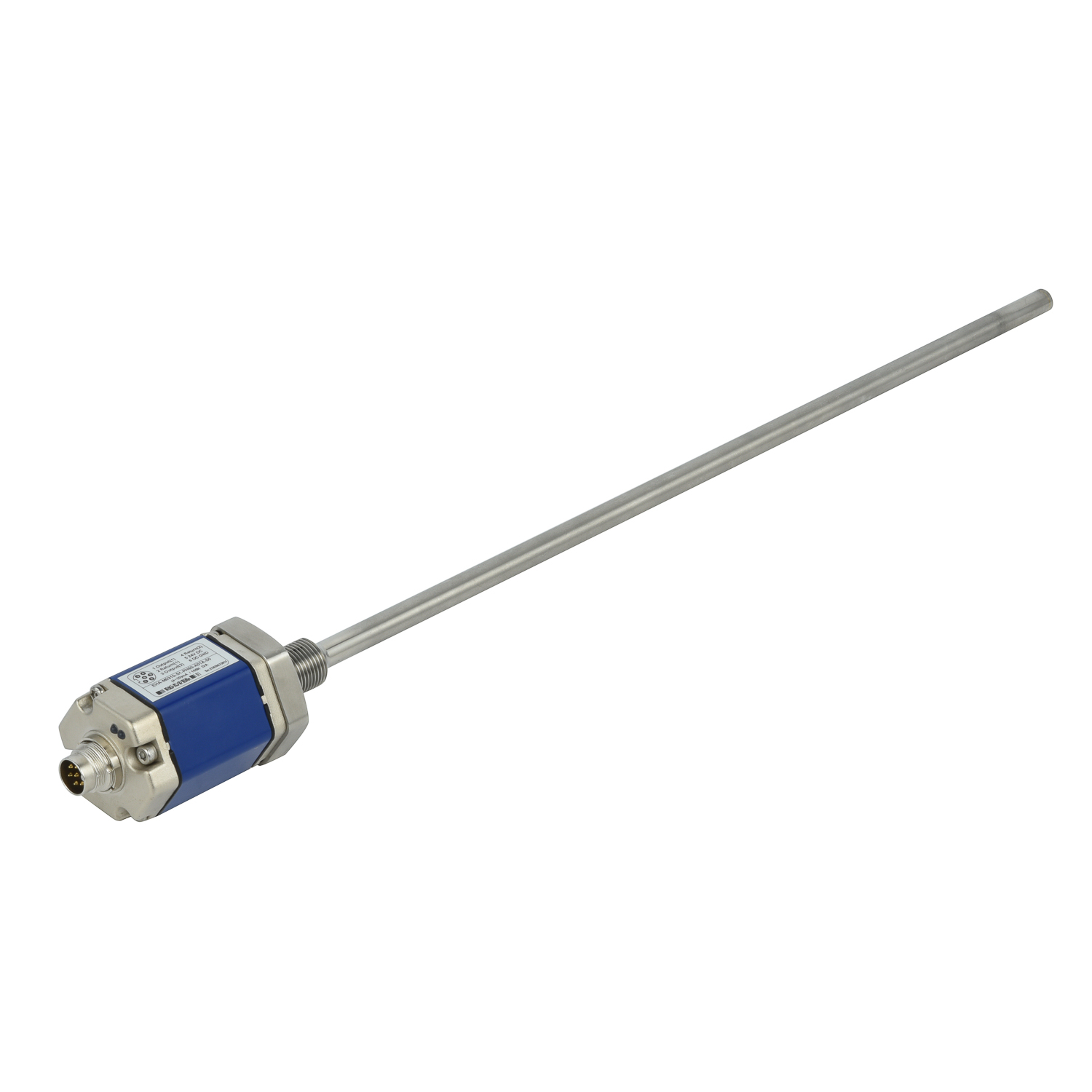
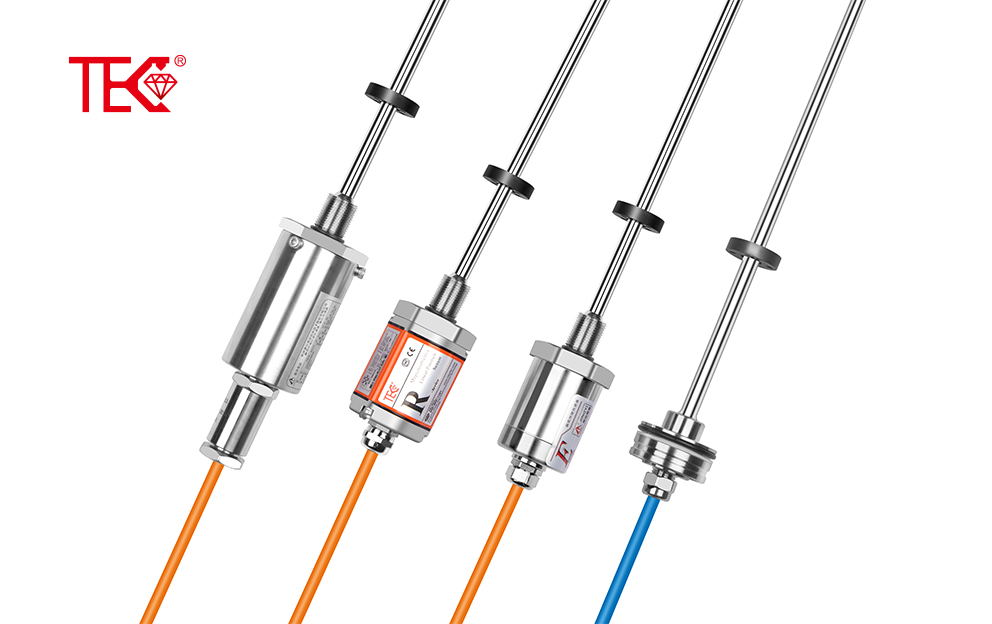
In the challenging realm of deep-sea exploration, where extreme pressure and corrosive environments render conventional sensors ineffective, magnetostrictive sensors emerge as a technological marvel. These sophisticated devices operate on the principle of magnetostriction - the phenomenon where ferromagnetic materials change their shape or dimensions during the magnetization process. This fundamental characteristic enables them to deliver exceptional performance where other sensing technologies fail, making them indispensable for modern oceanographic research and industrial applications beneath the waves.
Precision Measurement in Extreme Conditions
The exceptional value of magnetostrictive sensors begins with their remarkable ability to maintain accuracy under crushing hydrostatic pressure. Unlike traditional sensors that require complex pressure compensation systems, magnetostrictive elements function reliably at depths exceeding 6,000 meters without calibration drift. Their non-contact measurement principle eliminates mechanical wear, while their inherent immunity to water conductivity variations ensures consistent performance across different oceanic zones. This reliability translates to precise data collection for critical parameters including temperature, pressure, and structural integrity monitoring of submerged equipment.
Robust Performance in Corrosive Environments
Deep-sea exploration demands equipment that can withstand highly corrosive saltwater conditions over extended periods. Magnetostrictive sensors excel in this aspect through their hermetically sealed construction and corrosion-resistant materials. The sensing elements are typically encapsulated in specialized alloys or ceramics that prevent saltwater infiltration, while the non-contact operation eliminates points of failure common in mechanical sensors. This durability significantly reduces maintenance requirements and extends operational lifespan, making them ideal for long-term deployment on permanent underwater observatories and autonomous underwater vehicles.
Enabling Advanced Marine Research Applications
The unique capabilities of magnetostrictive technology have opened new frontiers in oceanographic research. Scientists utilize these sensors for precise positioning of sampling equipment, accurate measurement of underwater structural displacements, and monitoring of marine life behavior through non-invasive detection methods. Their high-resolution capabilities allow researchers to detect minute changes in underwater volcanic activity, track sediment movement, and measure precise water current variations that were previously undetectable with conventional sensing technologies.
Revolutionizing Industrial Underwater Operations
Beyond scientific research, magnetostrictive sensors have transformed industrial operations in deep-water environments. The oil and gas industry relies on them for precise valve positioning in subsea production systems, while offshore wind farm operators use them for structural health monitoring of turbine foundations. Their ability to provide real-time feedback in remote operated vehicles (ROVs) enables complex underwater construction and maintenance tasks with unprecedented precision, significantly enhancing safety and operational efficiency in challenging subsea projects.
Future Prospects in Deep-Sea Technology Development
As ocean exploration advances to greater depths and more complex missions, magnetostrictive sensors continue to evolve. Recent developments include miniaturized versions for swarm robotics applications, enhanced multi-parameter sensing capabilities, and integration with artificial intelligence for predictive maintenance. These advancements position magnetostrictive technology as a cornerstone for future deep-sea exploration initiatives, including sustainable resource extraction, climate change monitoring, and the development of permanent underwater habitats.
 Technical Parameters of Linear
 How Much is Linear Displacemen
 Linear Displacement Sensor Pri
 Linear Displacement Sensor Sel