
How does the adaptive calibration technology of magnetostrictive sensors work?
Magnetostrictive sensors represent a pinnacle of precision in position and level measurement, crucial for modern industrial automation. Their ability to provide accurate, non-contact feedback makes them indispensable in harsh environments.
Understanding Magnetostrictive Sensor Fundamentals
At the core of this technology is the magnetostrictive effect. A waveguide made of a ferromagnetic material is housed within the sensor. When a current pulse, known as the interrogation pulse, is sent down this waveguide, it creates a circular magnetic field along its length. A permanent magnet, called the position magnet, is attached to the moving object being measured. This magnet produces a longitudinal magnetic field. At the precise point where these two fields interact, a torsional strain wave is generated in the waveguide due to the magnetostrictive effect.
The Critical Need for Adaptive Calibration
Over time, environmental factors like temperature fluctuations, mechanical stress, and component aging can cause sensor drift, leading to inaccurate readings. Traditional sensors require manual recalibration, which results in costly downtime. Adaptive calibration technology is the engineered solution to this problem, enabling the sensor to automatically maintain its accuracy without human intervention, ensuring continuous operational integrity.
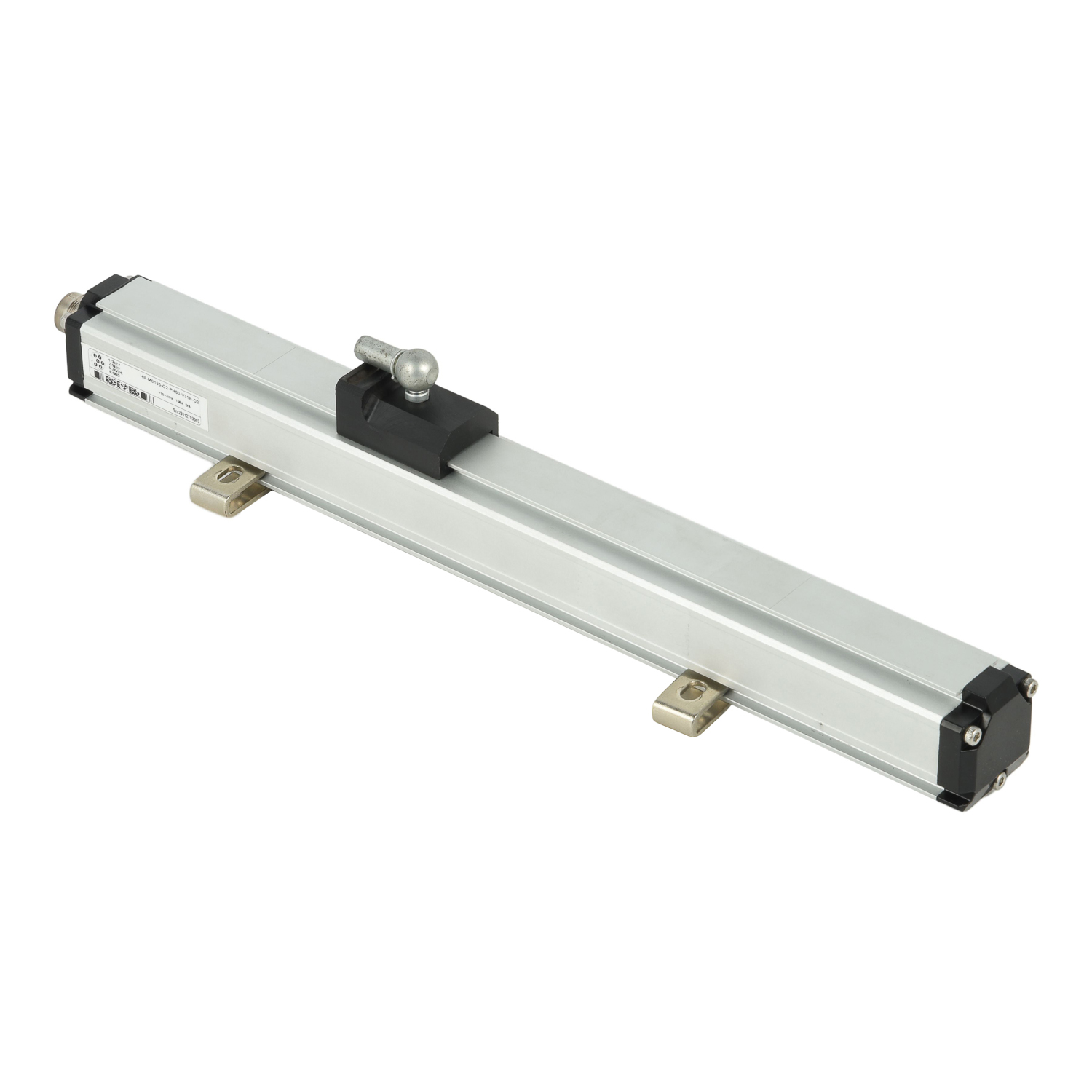
The Mechanism of Self-Correction: How Adaptive Calibration Operates
The adaptive calibration system works by continuously monitoring the sensor's own output signals and internal parameters. It establishes a baseline performance profile during initial setup. During operation, it compares real-time signal characteristics, such as wave velocity and amplitude, against this baseline. If deviations are detected, the system's embedded microprocessor applies sophisticated algorithms to calculate and implement correction factors, effectively compensating for any detected drift in real-time.
Key Components Enabling the Adaptive Process
This self-correcting capability is powered by several key components. A high-speed microprocessor acts as the brain, analyzing data and executing calibration algorithms. Integrated temperature sensors provide critical environmental data for thermal compensation. Non-volatile memory stores the calibration parameters and historical performance data, allowing the system to learn and predict drift patterns, enhancing the precision of its corrections over time.
Real-World Applications and Performance Benefits
The implementation of adaptive calibration is transformative in applications demanding high reliability. In hydraulic cylinder position sensing for industrial machinery, it ensures consistent precision despite wide temperature swings. In liquid level tanks, it compensates for fluid density changes. The primary benefits are immense: reduced maintenance costs, elimination of unplanned downtime, extended sensor lifespan, and guaranteed measurement accuracy, which directly improves process quality and safety.
Conclusion: The Future of Precision Sensing
Adaptive calibration technology elevates magnetostrictive sensors from being merely precise instruments to becoming intelligent, self-maintaining systems. This innovation not only maximizes operational efficiency but also paves the way for more autonomous industrial processes, where reliable data is paramount for success in the era of Industry 4.0.
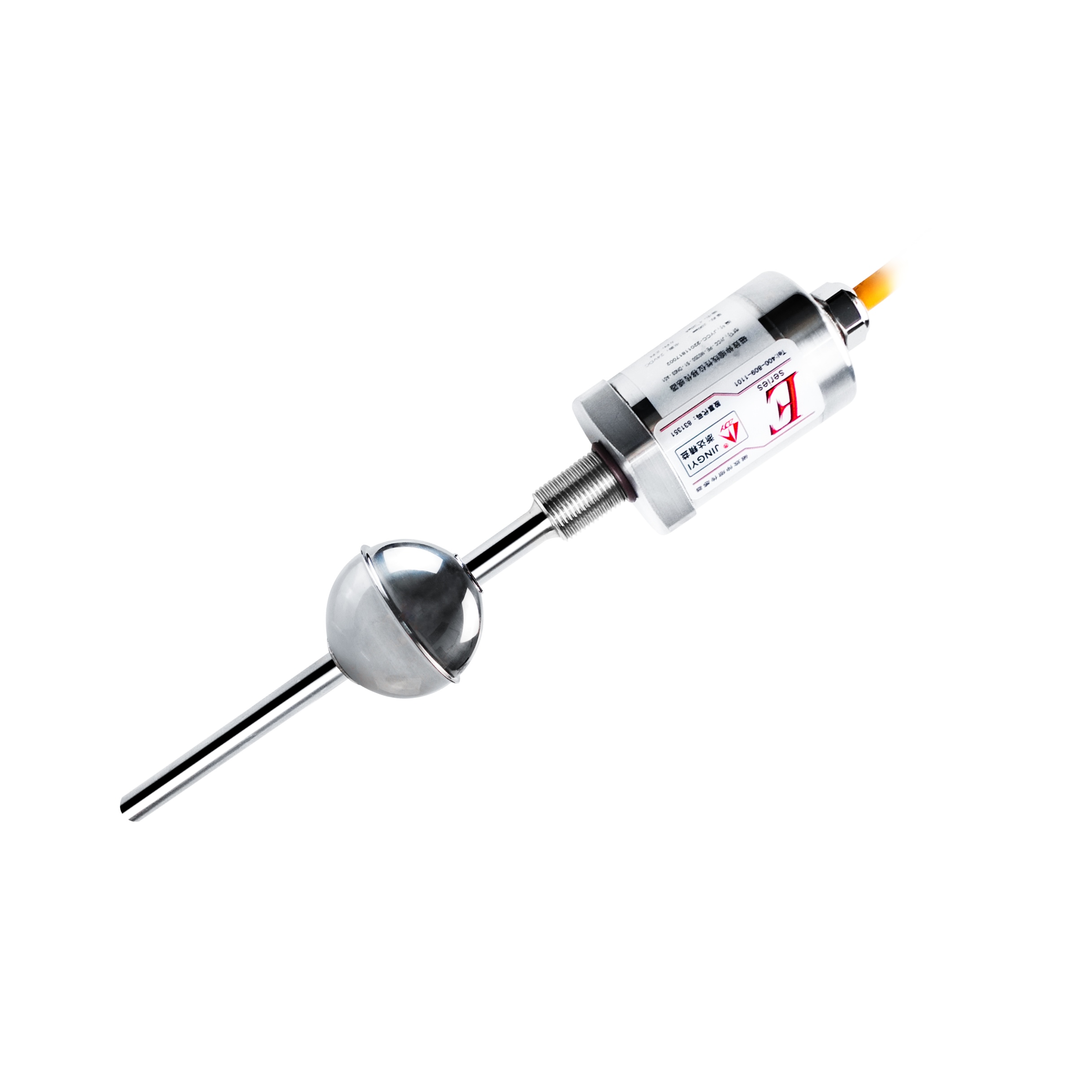 Domestic Linear Displacement S
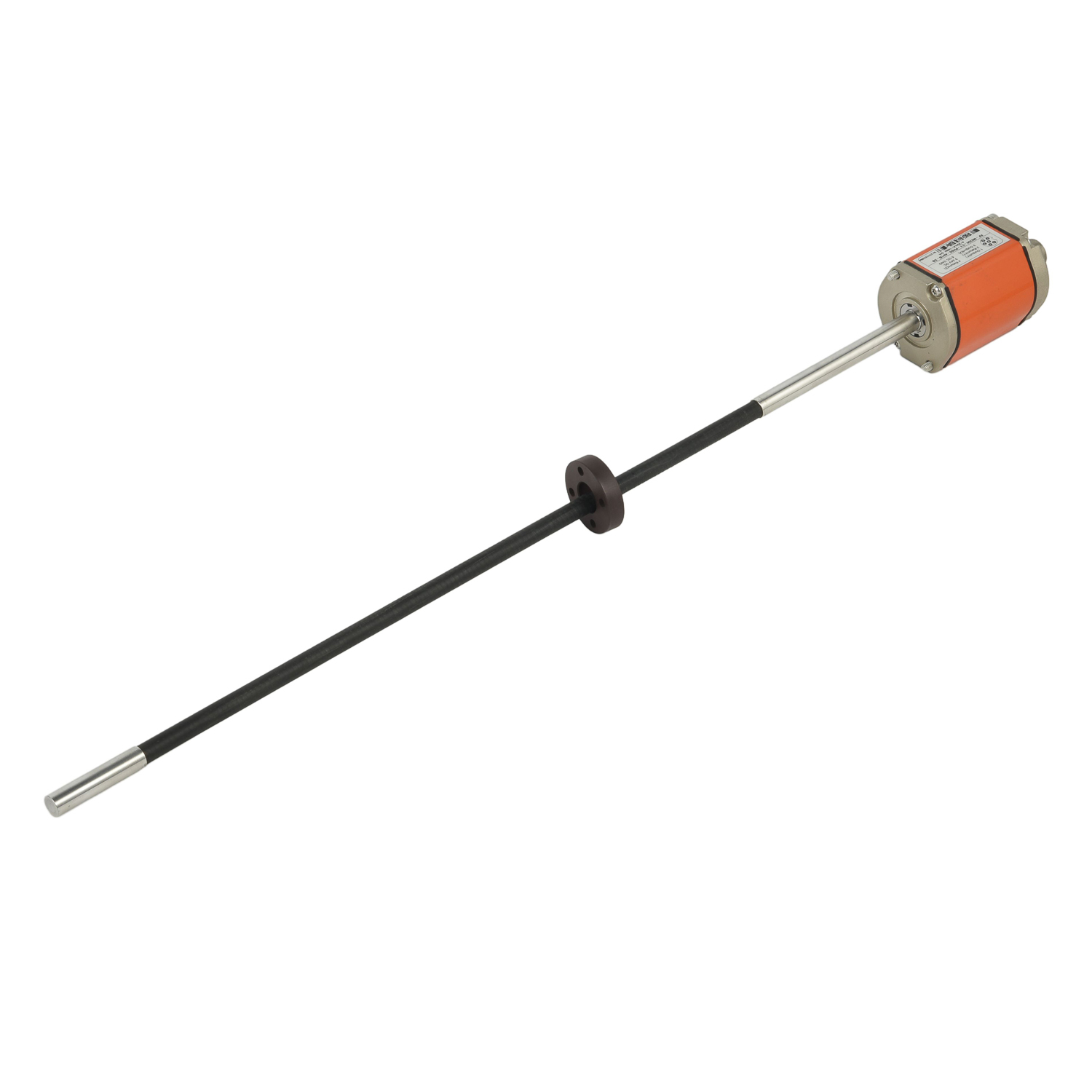 Linear Displacement Sensor Man
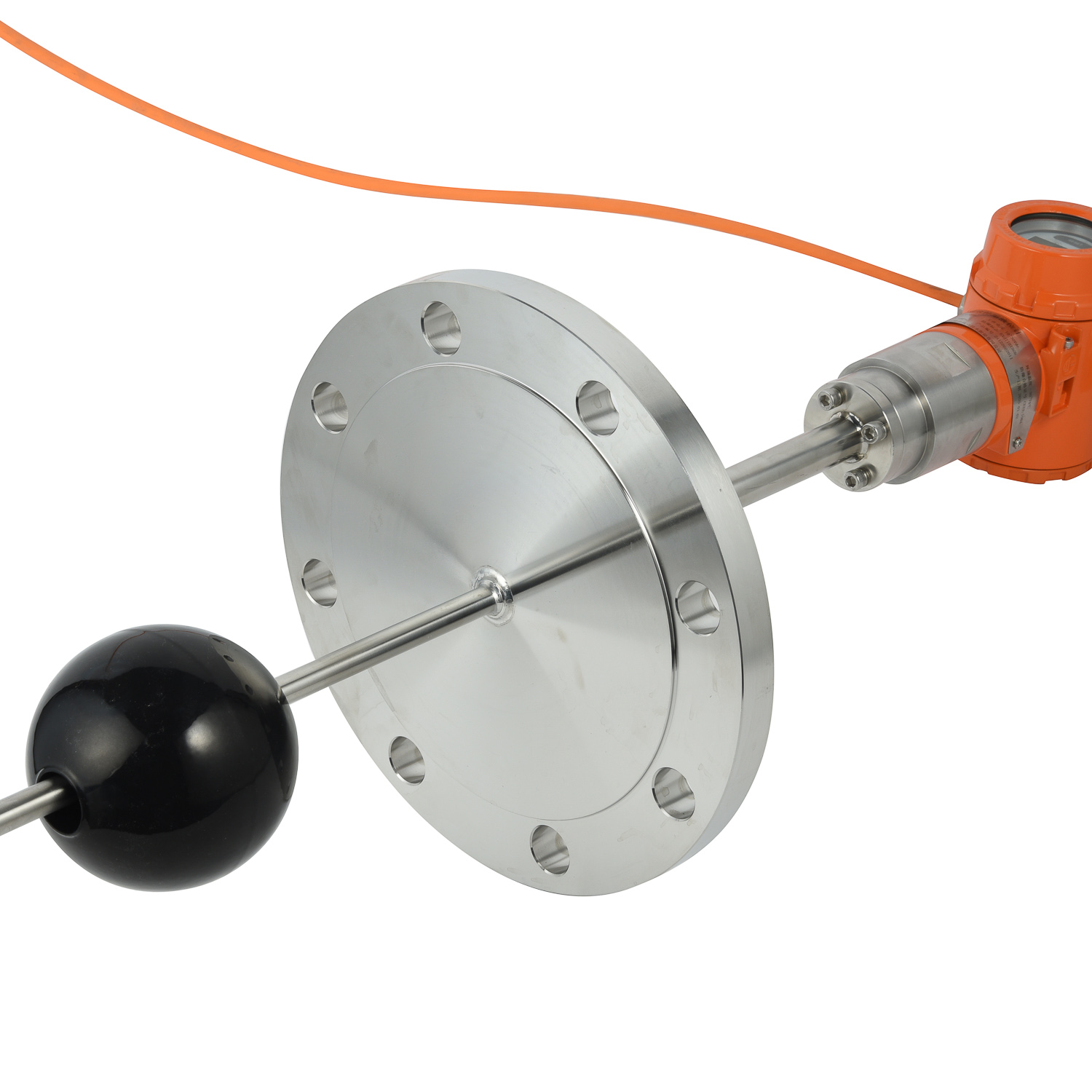 Corrosion-resistant Linear Dis
 Rod-type Linear Displacement S