
What's the key role of magnetostrictive sensors in high-speed rail track monitoring?
In the realm of high-speed rail, safety and precision are non-negotiable. The relentless pursuit of efficiency and passenger security has driven the adoption of advanced technologies, with magnetostrictive sensors emerging as a cornerstone for modern track monitoring systems. These sophisticated devices provide the critical data needed to maintain the structural integrity of the railway, ensuring that trains can operate safely at breathtaking speeds.
Precision Measurement of Track Geometry
The primary function of magnetostrictive sensors in this context is the precise measurement of track geometry. Unlike conventional methods, these sensors utilize the magnetostrictive effect—where a ferromagnetic material changes shape in a magnetic field—to deliver non-contact, high-accuracy measurements. They are strategically installed on inspection trains to continuously assess parameters like gauge, alignment, and vertical profile. This real-time data is vital, as even minor deviations in track geometry can lead to significant safety hazards, including derailments, when trains are traveling over 300 kilometers per hour.
Enabling Real-Time Data Acquisition for Immediate Response

A key advantage of magnetostrictive sensors is their ability to facilitate real-time data acquisition. As the inspection vehicle moves along the track, the sensors instantly capture and transmit data to onboard analysis systems. This capability allows for the immediate detection of anomalies such as sudden subsidence, track misalignment, or wear and tear. Railway operators can therefore respond proactively, scheduling maintenance before a minor issue escalates into a major failure, thereby minimizing downtime and enhancing the overall reliability of the rail network.
The Foundation of Predictive Maintenance Strategies
Beyond immediate fault detection, the data harvested by magnetostrictive sensors forms the foundation of predictive maintenance strategies. By analyzing long-term trends from the continuous stream of sensor data, maintenance teams can predict when specific sections of track will require attention. This shift from reactive to predictive maintenance optimizes resource allocation, reduces lifecycle costs, and significantly extends the operational lifespan of the railway infrastructure. It transforms maintenance from a costly necessity into a strategic, data-driven operation.
A Cornerstone for Uncompromising Railway Safety
Ultimately, the integration of magnetostrictive sensors is a testament to the railway industry's commitment to safety. Their unparalleled accuracy and reliability in monitoring dynamic forces and track conditions provide an essential safety net. By ensuring that the track geometry remains within strict tolerances, these sensors play an indispensable role in preventing accidents and safeguarding both passengers and cargo, making them an unsung hero in the world of high-speed transportation.
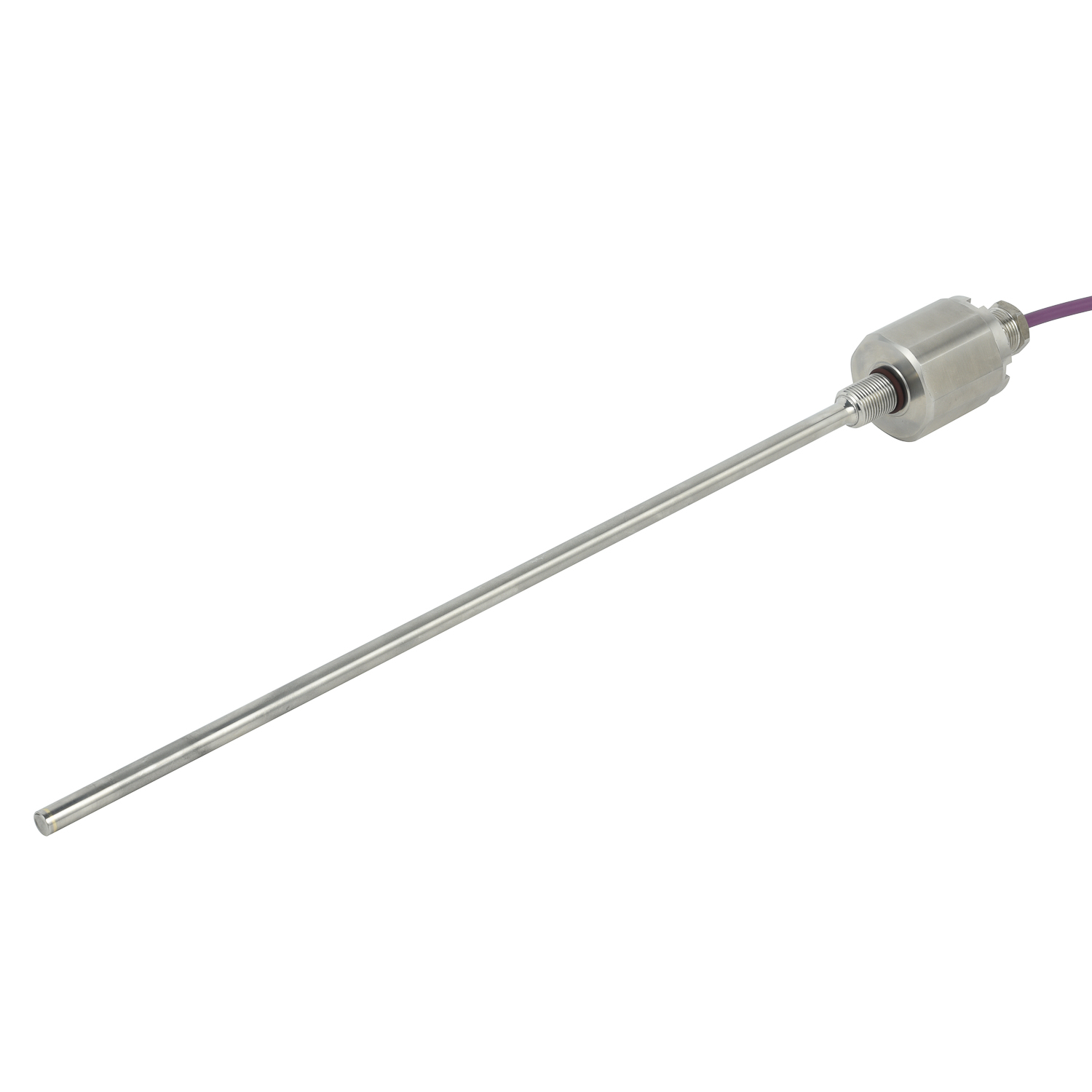 Field Application of Linear Di
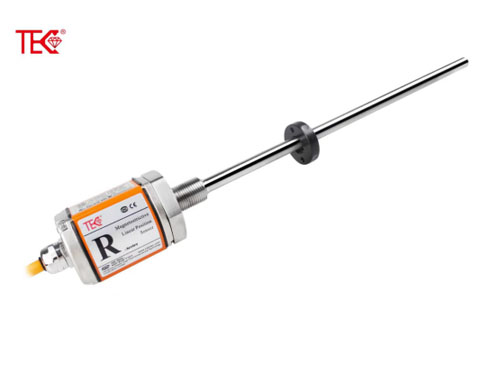 Model and Specification of Lin
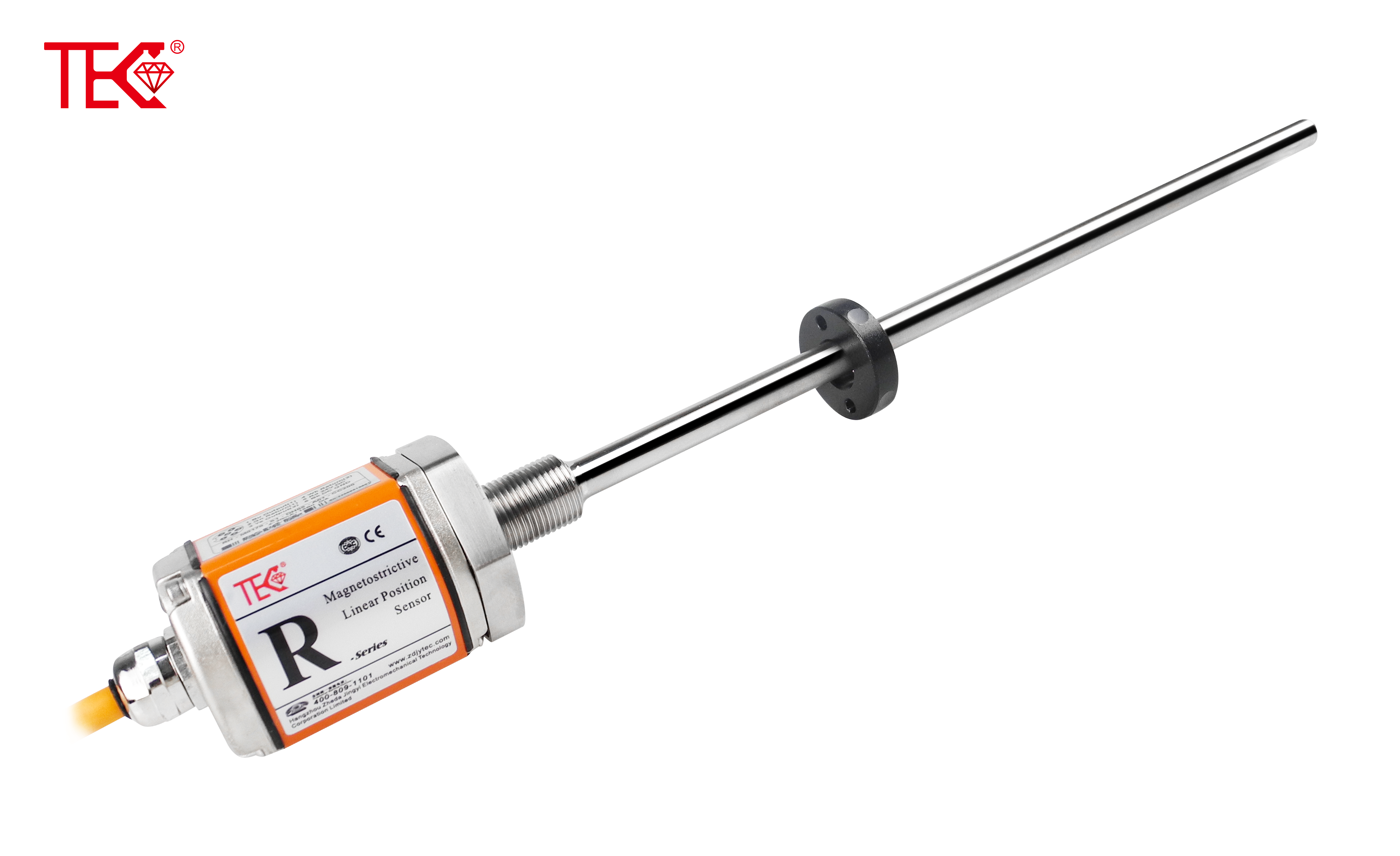 Import Substitute Linear Displ
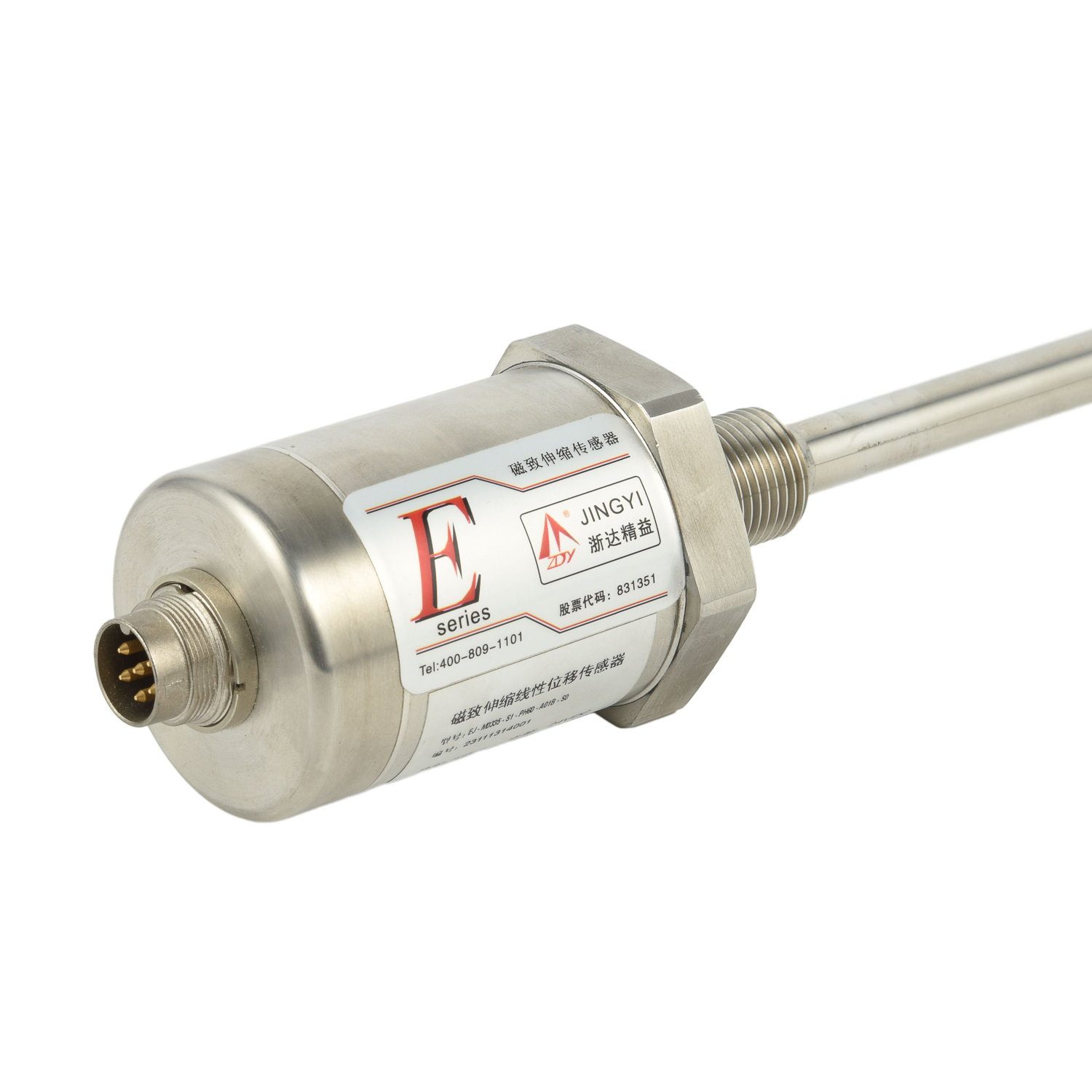 Installation Method of Linear