
How to implement explosion-proof sensors using magnetostrictive technology?
Understanding Magnetostrictive Technology Fundamentals
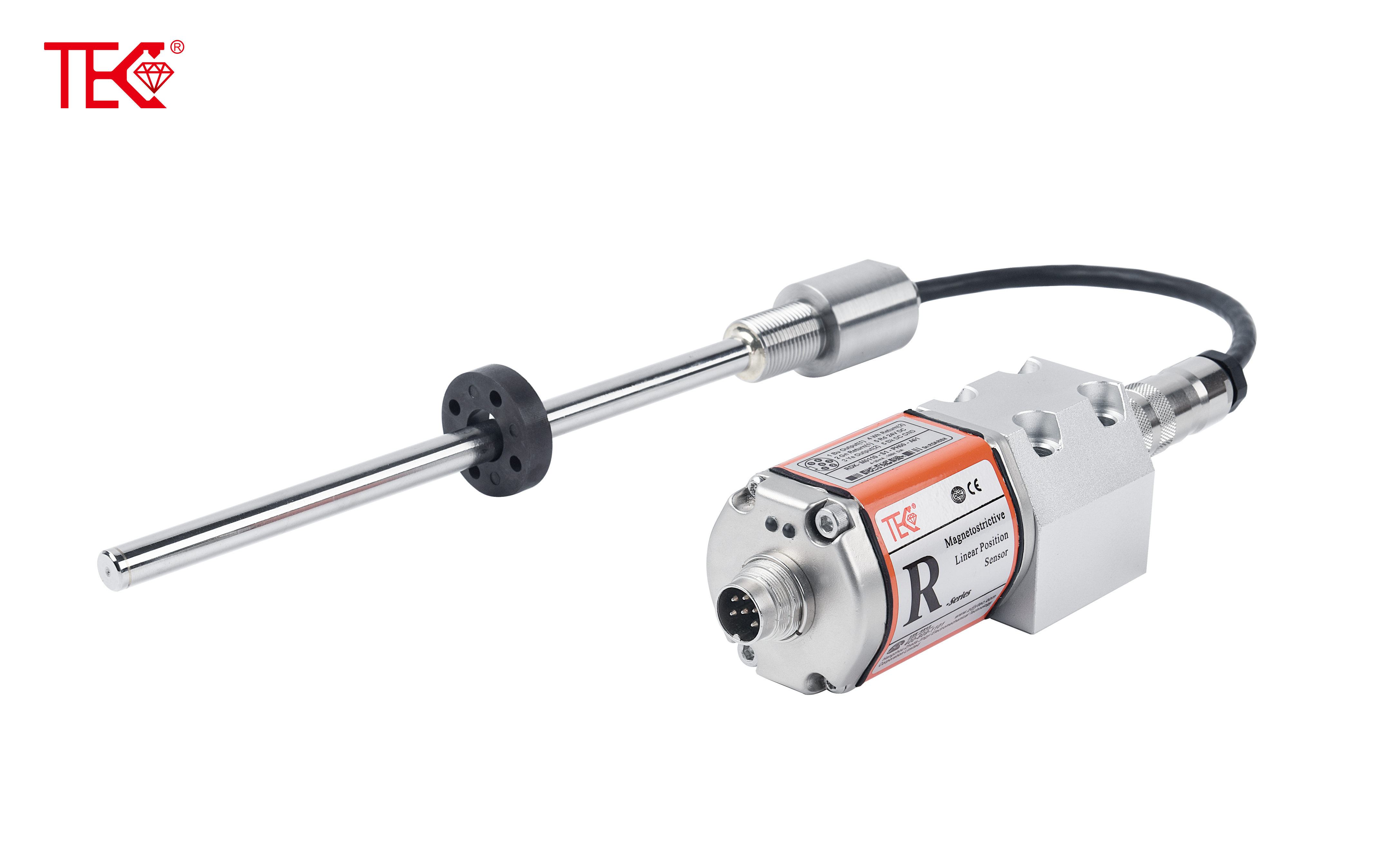
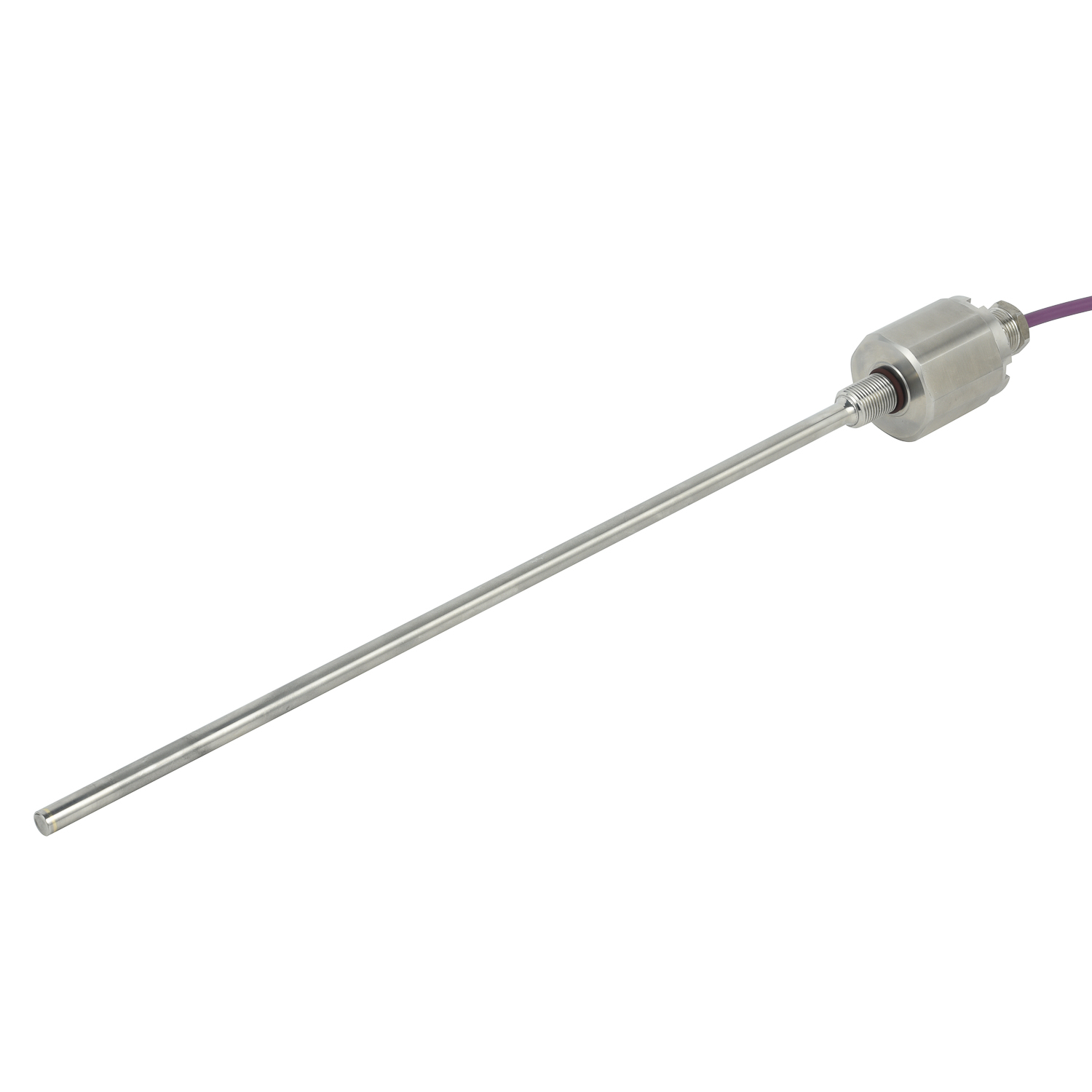
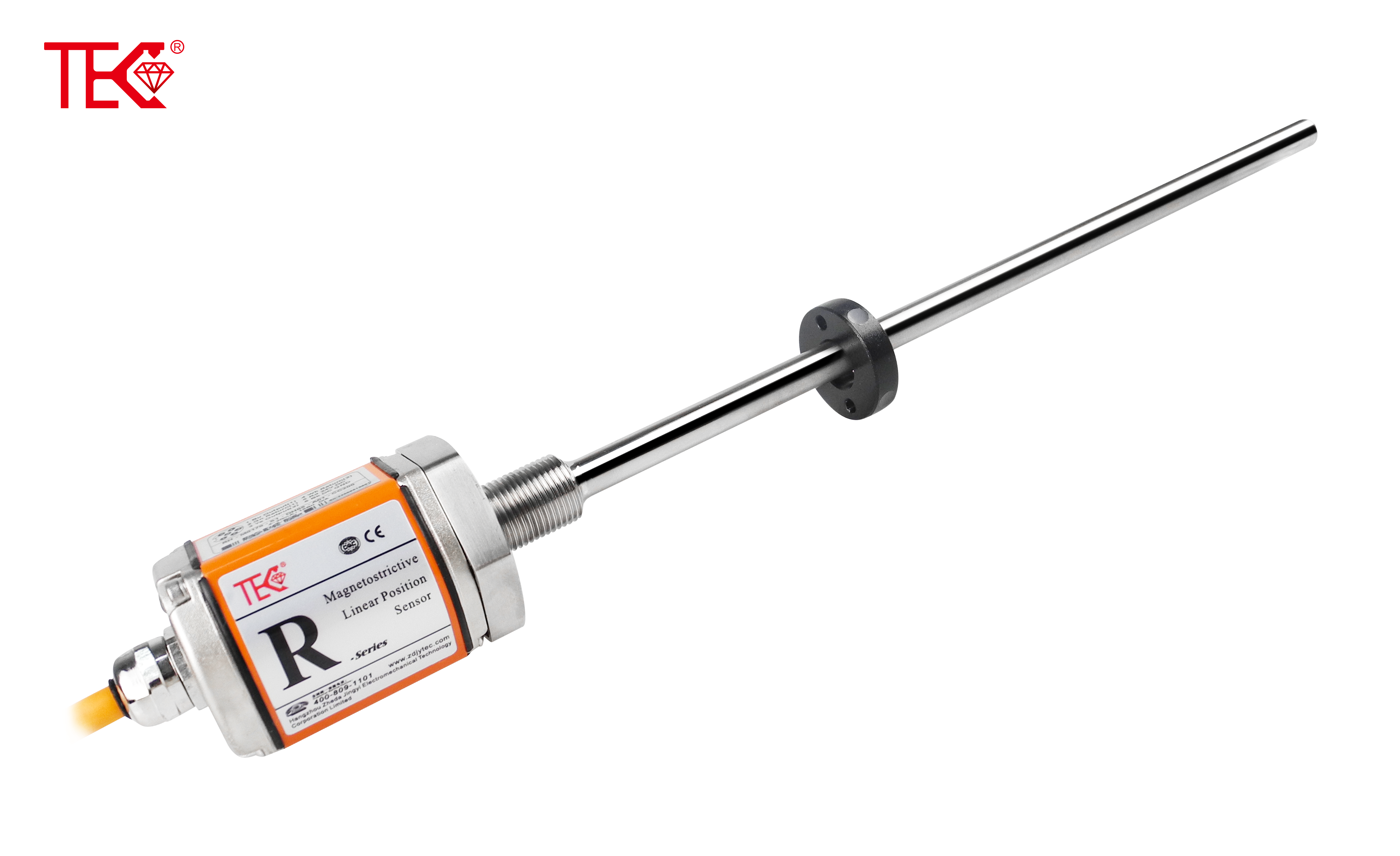
Magnetostrictive sensors operate on a precise physical principle where a ferromagnetic material changes shape when exposed to a magnetic field. This phenomenon, known as magnetostriction, forms the basis for highly accurate level and position measurements. The core component is a waveguide wire made of a specialized alloy. When a current pulse is sent down this waveguide and interacts with a magnetic field from a permanent magnet (typically housed in a float), a torsional stress wave is generated. The sensor electronics precisely measure the time delay between the current pulse initiation and the wave's return to calculate position with exceptional resolution, often within micrometers. This non-contact measurement method provides outstanding reliability and longevity, making it ideal for demanding industrial applications where precision is paramount.
Defining Explosion-Proof Requirements for Hazardous Areas
Implementing any electrical device in a potentially explosive atmosphere requires strict adherence to explosion-proof standards. Hazardous areas are classified based on the presence of flammable gases, vapors, dusts, or fibers. Key protection concepts include containment, isolation, and prevention. Explosion-proof enclosures are designed to withstand an internal explosion without allowing it to propagate to the external atmosphere. Intrinsic safety (IS) focuses on limiting the electrical energy to levels incapable of igniting a specific hazardous atmospheric mixture. Understanding the Zone or Division classification (e.g., Zone 1, Division 1), temperature classes (T1-T6), and gas groups (IIC, IIB, IIA) for your specific application is the critical first step. Selecting a sensor with the correct certifications, such as ATEX, IECEx, or UL, is mandatory for legal compliance and personnel safety.
Designing the Sensor for Intrinsic Safety and Durability
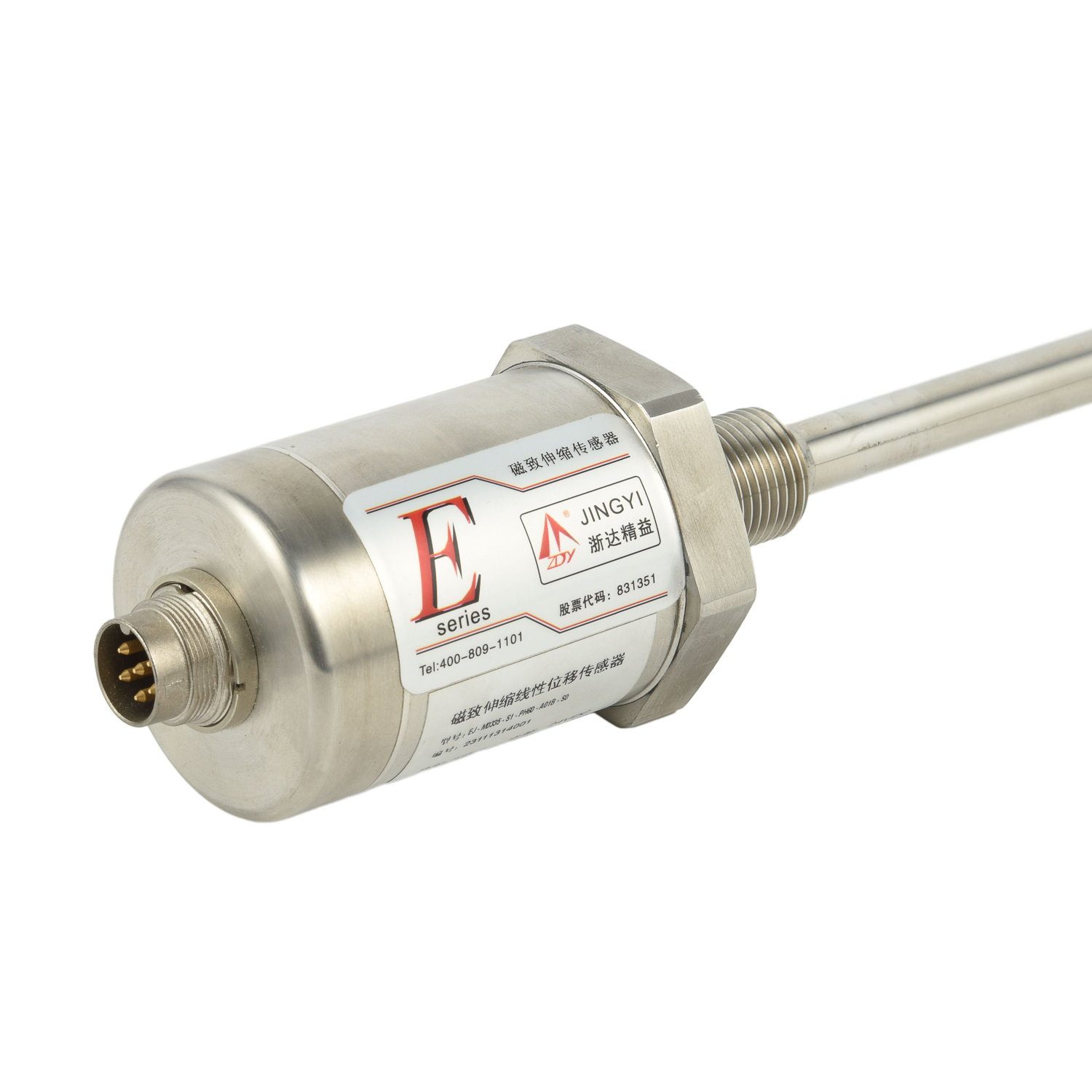
The design of an explosion-proof magnetostrictive sensor integrates multiple safety layers. The enclosure is typically constructed from robust, corrosion-resistant materials like stainless steel and is engineered with flame paths. These precisely machined gaps cool any hot gases escaping from a contained internal explosion below the ignition temperature of the surrounding atmosphere. For intrinsic safety, the internal electronics are designed to operate at very low power levels. This often involves incorporating Zener barriers or galvanic isolators within the sensor or the associated control system to limit voltage and current. Furthermore, the waveguide and float assembly must be compatible with the process fluid and rated for the expected pressure and temperature ranges. The mechanical design must also prevent static charge buildup and ensure a complete seal against environmental ingress, typically meeting at least IP67 ratings.
Installation and Wiring Best Practices in Hazardous Zones
Proper installation is as crucial as the sensor's design itself. Always de-energize the system before beginning work in a hazardous area. Follow the manufacturer's guidelines meticulously for mounting orientation, torque specifications for process connections, and grounding requirements. Effective grounding is essential to dissipate any stray currents or static electricity. When running cabling, use conduits and seals approved for the area classification to maintain the integrity of the explosion-proof system. For intrinsically safe systems, ensure the field wiring is physically separated from non-IS wiring to prevent energy transfer. Verify that the associated safety barriers or isolators are correctly installed and calibrated. Document the installation thoroughly, including loop diagrams and certification details, for future maintenance and audits.
Calibration, Maintenance, and Compliance Procedures
After installation, perform an initial calibration to ensure measurement accuracy. While magnetostrictive sensors are known for long-term stability, periodic verification is recommended. Establish a maintenance schedule that includes visual inspections for physical damage, corrosion, and integrity of seals. Check for loose connections during powered-down, safe conditions. It is vital to never compromise the explosion-proof integrity; any repair or modification that involves breaking the enclosure must be followed by a verification of its flame path and sealing properties. Keep all certification documents readily available for safety audits. Regularly review the hazardous area classification to ensure it hasn't changed, as this could impact the suitability of the installed sensor.
 Field Application of Linear Di
 Model and Specification of Lin
 Import Substitute Linear Displ
 Installation Method of Linear