
How do magnetostrictive sensors achieve maintenance-free design?
The Foundation of Reliability: Non-Contact Sensing Principle
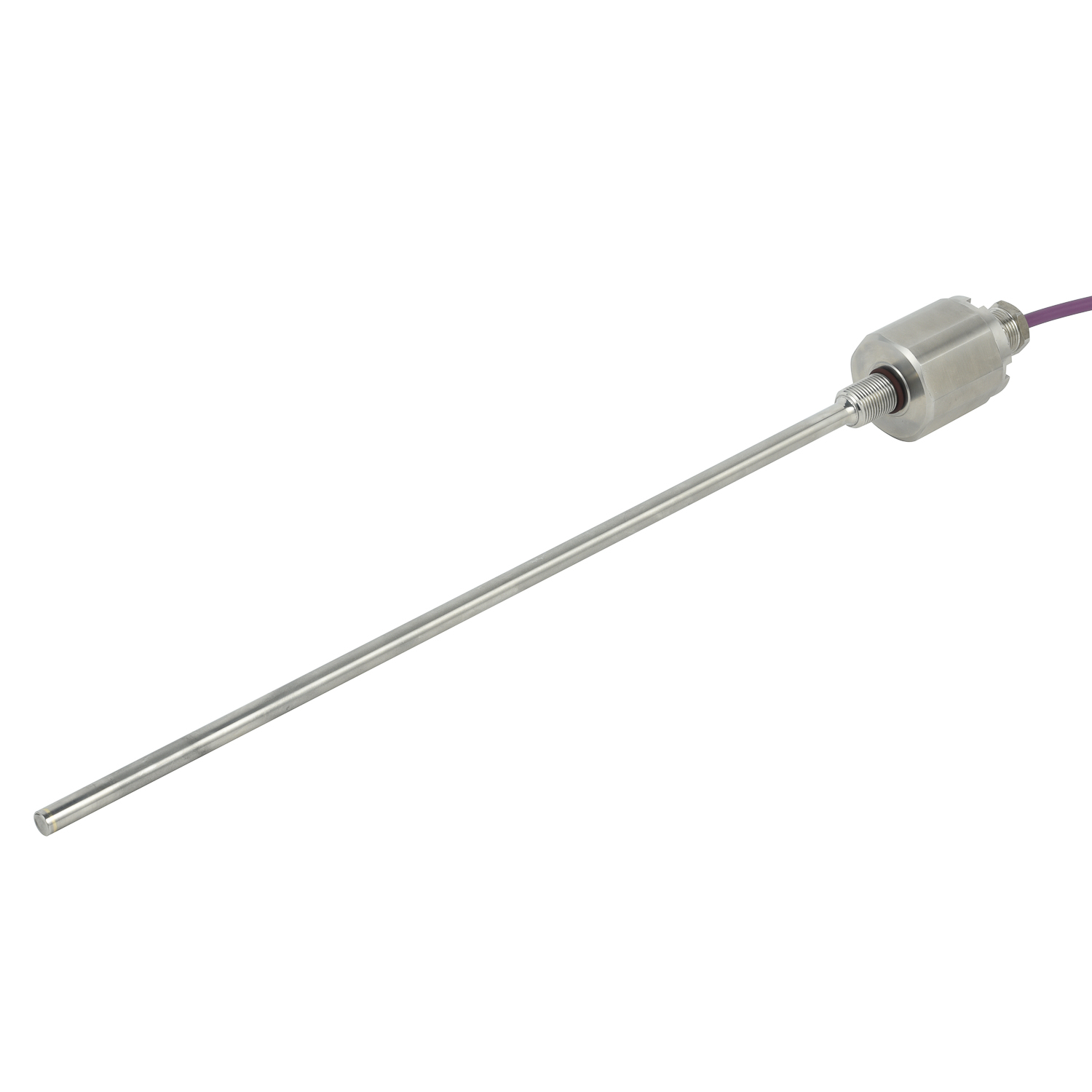
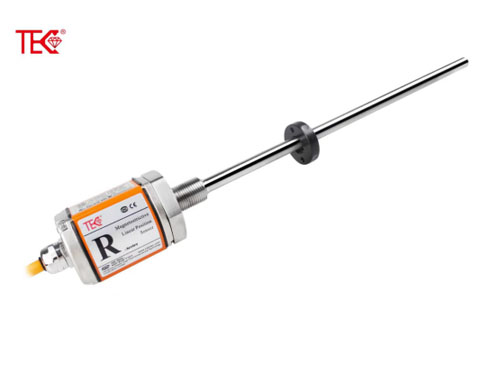
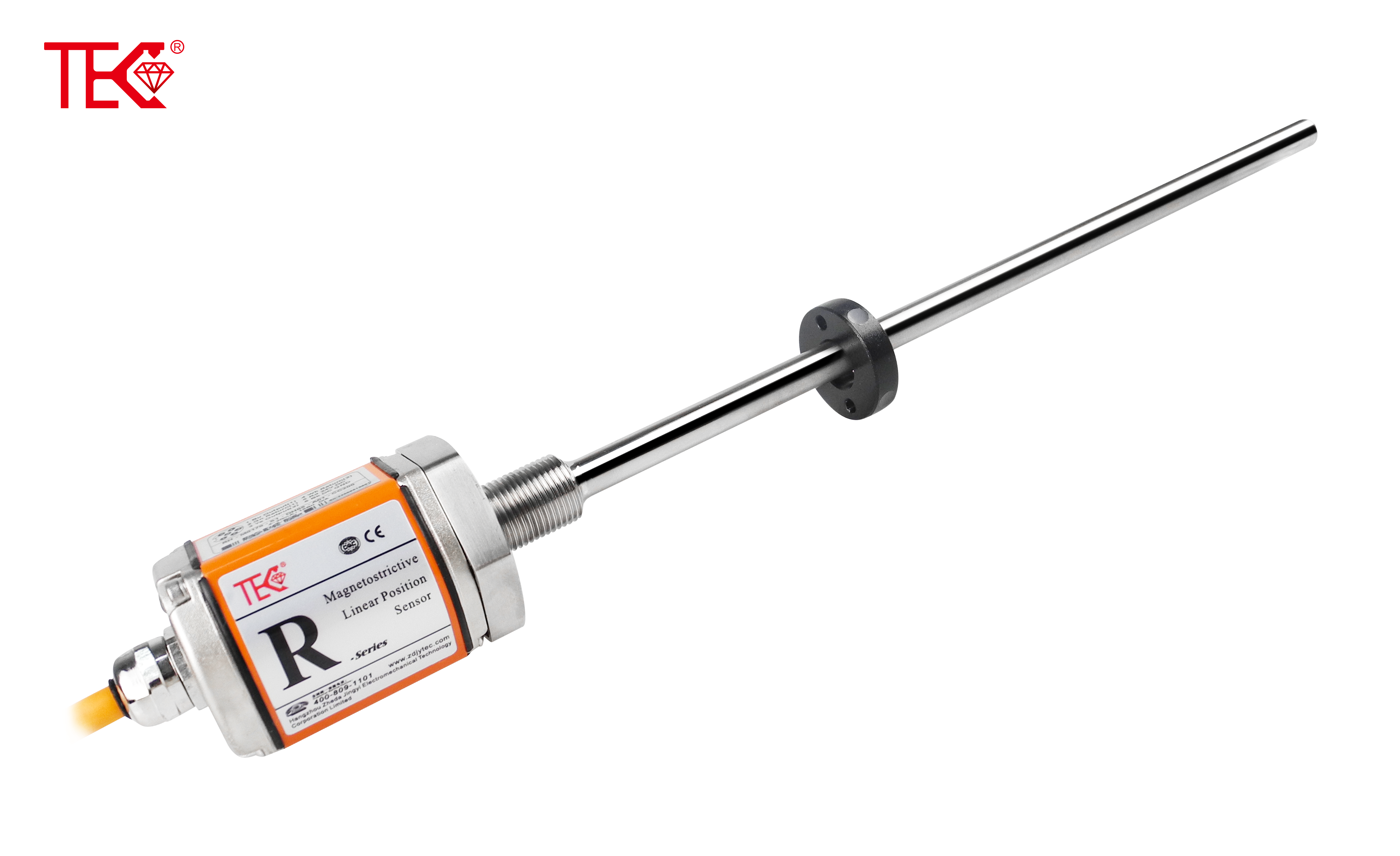
At the heart of a magnetostrictive sensor's maintenance-free design is its fundamental non-contact sensing principle. Unlike mechanical sensors that rely on physical contact and wear out over time, magnetostrictive sensors operate by generating a torsional stress wave in a specially designed waveguide. A position magnet, attached to the moving target, creates a magnetic field that interacts with the waveguide without ever touching it. This complete elimination of physical contact removes the primary cause of failure in traditional sensors: mechanical wear and tear. The absence of friction, lubrication requirements, or mechanical degradation points ensures a significantly longer operational lifespan, setting the stage for a truly maintenance-free solution.
Robust Construction for Harsh Environments
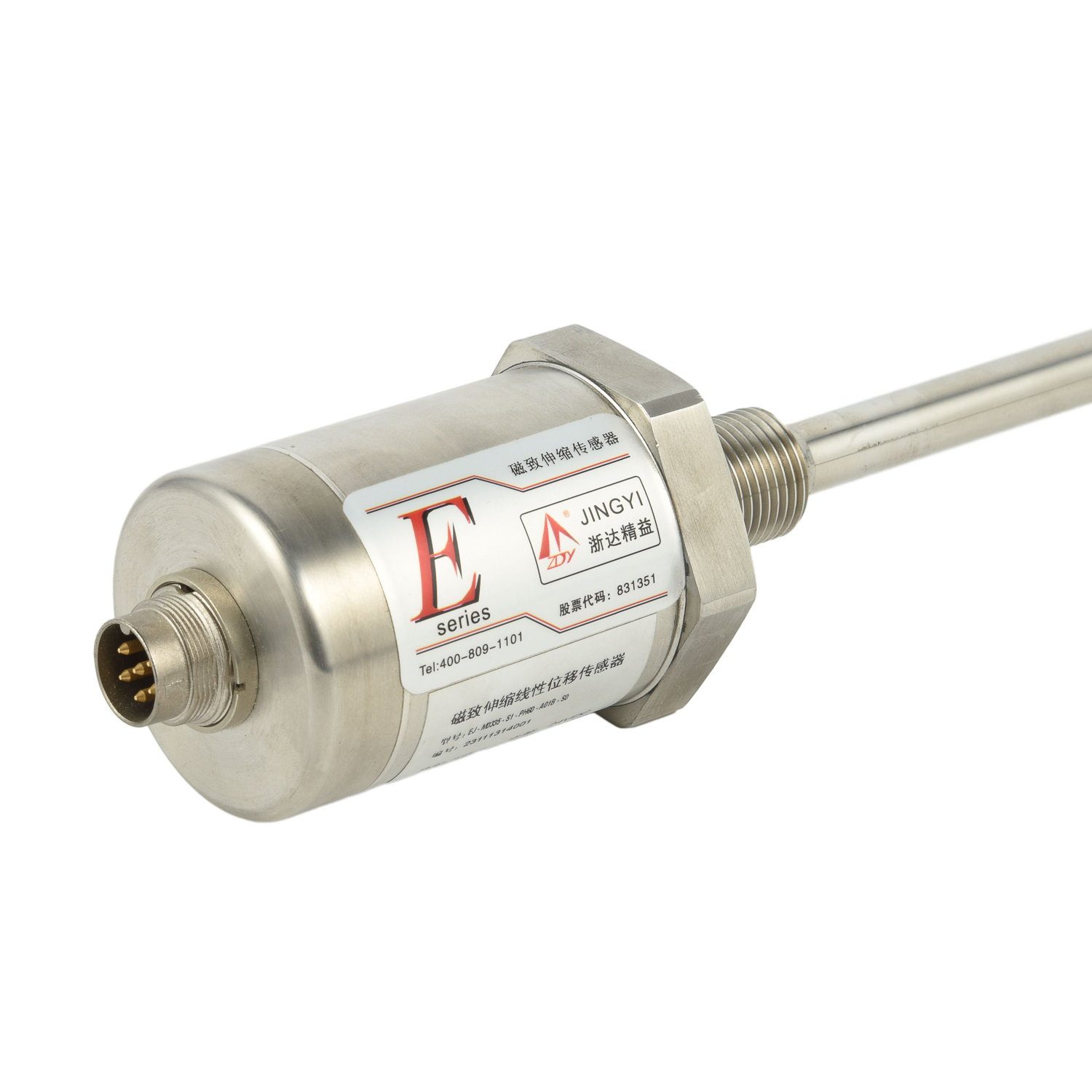
Achieving maintenance-free status requires exceptional resilience against environmental challenges. Magnetostrictive sensors are engineered with this in mind, featuring hermetically sealed housings typically constructed from high-grade stainless steel. This robust enclosure provides superior protection against contaminants like dust, moisture, and corrosive chemicals commonly found in industrial settings such as manufacturing plants and hydraulic systems. The internal electronic components are potted with specialized compounds to withstand extreme vibrations and shock loads that would disable lesser sensors. This ruggedized design philosophy ensures that the sensor can endure operational stresses for years without requiring protective maintenance, recalibration, or replacement.
Advanced Self-Diagnostic Capabilities
Modern magnetostrictive sensors incorporate sophisticated self-monitoring and diagnostic functions that contribute directly to their maintenance-free operation. These intelligent systems continuously assess key parameters like signal strength, temperature, and power supply integrity. If an anomaly is detected, such as a weak signal caused by an out-of-range magnet, the sensor can trigger an alarm or output a specific error code via its communication interface (e.g., IO-Link). This proactive diagnostics capability allows for predictive maintenance scheduling and prevents unexpected downtime. Operators are alerted to potential issues before they lead to failure, transforming the sensor from a simple component into an intelligent node that actively manages its own health.
Inherent Long-Term Stability and Calibration
A critical aspect of being maintenance-free is long-term measurement stability. Magnetostrictive technology boasts exceptional intrinsic stability because its operation is based on the precise physical properties of magnetostriction and the constant speed of sound in the waveguide material. Once calibrated at the factory, these sensors do not suffer from drift or require periodic recalibration under normal operating conditions. This inherent stability eliminates a significant maintenance burden associated with other sensing technologies that need regular adjustments to maintain accuracy. The result is consistent, reliable performance over the entire service life, reducing the total cost of ownership.
Optimized for Industry 4.0 and Smart Systems
The evolution towards Industry 4.0 and the Industrial Internet of Things (IIoT) demands sensors that are not only maintenance-free but also data-rich. High-end magnetostrictive sensors are designed with digital communication protocols like IO-Link, which enables bidirectional data exchange. This allows for remote configuration, continuous parameter monitoring, and the seamless integration of diagnostic data into higher-level control and asset management systems. By providing valuable insights into machine health and process conditions, these sensors facilitate a shift from reactive to predictive and even prescriptive maintenance strategies for the entire system, further solidifying their role as a cornerstone of modern, maintenance-minimized industrial automation.

 Field Application of Linear Di
 Model and Specification of Lin
 Import Substitute Linear Displ
 Installation Method of Linear