
What advantages does modular design offer for magnetostrictive sensors?
In the rapidly evolving landscape of industrial automation and precision measurement, magnetostrictive sensors have established themselves as critical components for position and level sensing. These sensors operate on the principle of magnetostriction, where a ferromagnetic material changes shape in the presence of a magnetic field. This unique physical phenomenon enables highly accurate, non-contact detection of a target magnet's position. However, the traditional approach of manufacturing these sensors as single, monolithic units has presented significant limitations for end-users. This is where the paradigm of modular design offers a transformative solution, fundamentally changing how these sensors are implemented and maintained across various industries.
Enhanced Flexibility and Customization for Diverse Applications
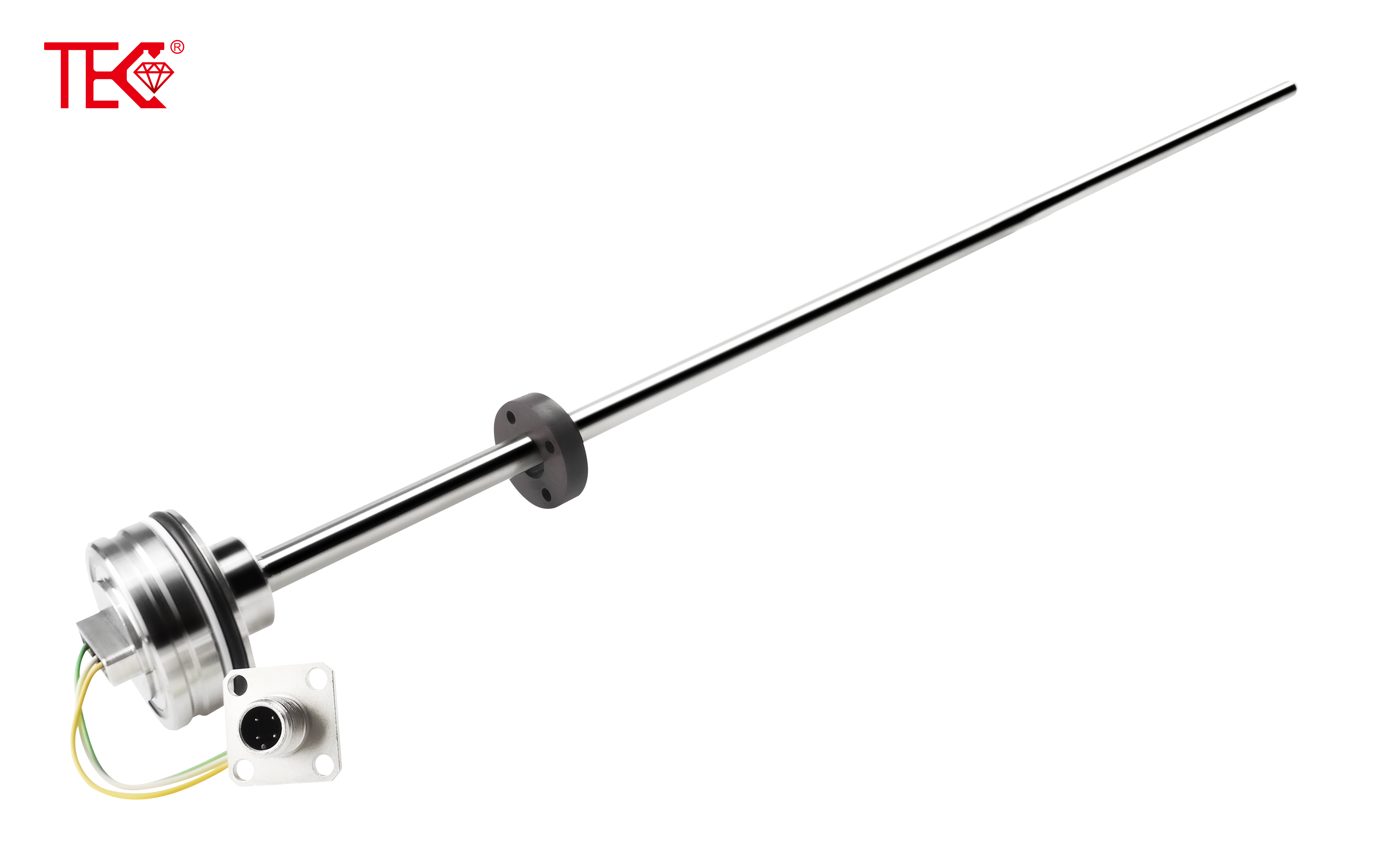
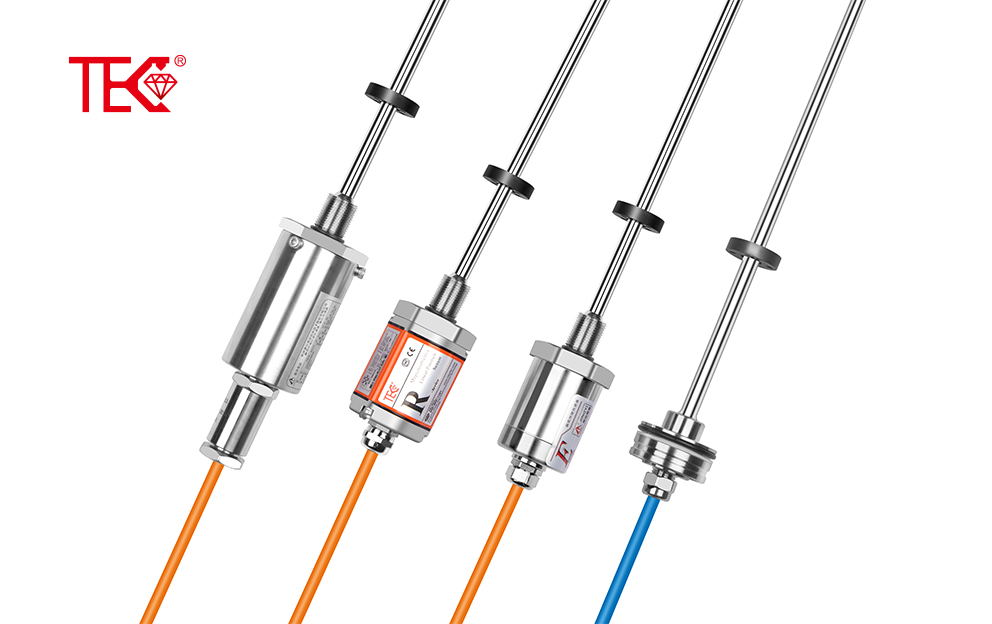
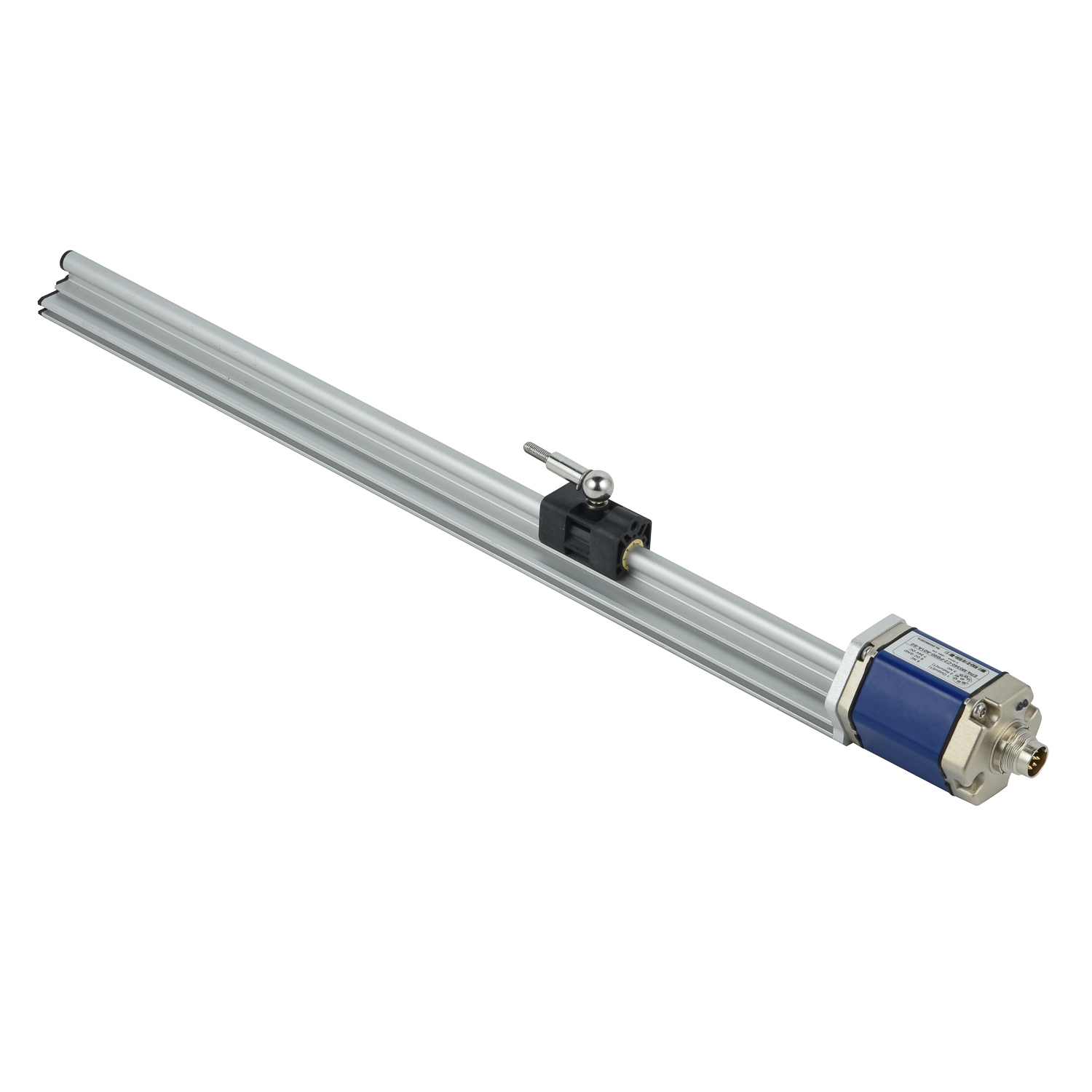
Modular design fundamentally reimagines the magnetostrictive sensor as a system of interoperable components rather than a fixed device. This approach allows engineers and system integrators to select and assemble specific modules—such as the sensing rod, electronics housing, signal output module, and connection head—to create a sensor tailored to a unique set of operational requirements. For instance, an application requiring extreme hygiene, like food and beverage processing, might combine a stainless-steel sensing rod with a sealed IP69K-rated housing. In contrast, a heavy-duty hydraulic cylinder application would prioritize a robust rod and high-pressure seals. This flexibility ensures that the sensor is not just installed but optimally configured for its specific environment, leading to improved performance and longevity without the need for a completely custom, and often expensive, sensor design from the ground up.
Significant Cost Reduction and Improved Scalability
One of the most compelling advantages of a modular architecture is its positive impact on the total cost of ownership. From a procurement standpoint, maintaining an inventory of standardized modules is far more economical than stocking numerous models of complete sensors. This simplifies supply chain management and reduces inventory costs. Furthermore, scalability is dramatically enhanced. When a process change or system expansion demands a different sensor specification—such as switching from an analog to a digital output or extending the measuring range—the modular system allows for a simple module swap instead of a full sensor replacement. This scalability future-proofs investments and provides a clear path for system upgrades, minimizing both capital expenditure and operational downtime associated with large-scale sensor replacements.
Simplified Maintenance and Reduced Downtime
In industrial settings, downtime is the enemy of productivity. Modular magnetostrictive sensors are inherently easier to maintain and repair, which is a critical operational advantage. If a specific component fails, such as the electronics module, it can be quickly disconnected and replaced without disturbing the entire sensor installation, including the often-critical sensing rod mounted inside a machine or tank. This modular repair capability translates directly into minimized production interruptions. Maintenance teams can keep critical spare modules on hand instead of complete sensors, enabling faster response times and simpler troubleshooting procedures. The ability to isolate and replace a faulty subsection of the sensor not only speeds up repairs but also makes diagnosis more straightforward, contributing to a more efficient and reliable maintenance regime.
Accelerated Innovation and Technology Upgrades
The modular approach decouples the lifecycle of the core sensing technology from that of the associated electronics and software. As new technologies emerge, such as advanced signal processing algorithms, new communication protocols like IO-Link, or enhanced diagnostic capabilities, these innovations can be incorporated into a new electronics module. This allows users to upgrade their existing sensor infrastructure with the latest technology without replacing the fundamental mechanical components already installed in their equipment. This dramatically accelerates the adoption of new features and ensures that sensing systems can continuously evolve, protecting long-term investments and keeping operations at the forefront of technological capability without the need for complete system overhauls.
In conclusion, the shift towards a modular design philosophy represents a significant leap forward for magnetostrictive sensor technology. By offering unparalleled flexibility, driving down costs, simplifying maintenance, and future-proofing systems, modularity transforms these sensors from static components into dynamic, adaptable assets. This design strategy aligns perfectly with the needs of modern industry, where efficiency, scalability, and rapid adaptation are key to maintaining a competitive edge. As applications grow more complex, the inherent advantages of modular magnetostrictive sensors will undoubtedly make them the preferred choice for innovative engineering solutions.
 Installation Method of Linear
 Working Principle of Linear Di
 Technical Parameters of Linear
 How Much is Linear Displacemen