
What's the application of magnetostrictive sensors in smart logistics sorting systems?
Introduction to Magnetostrictive Sensing Technology
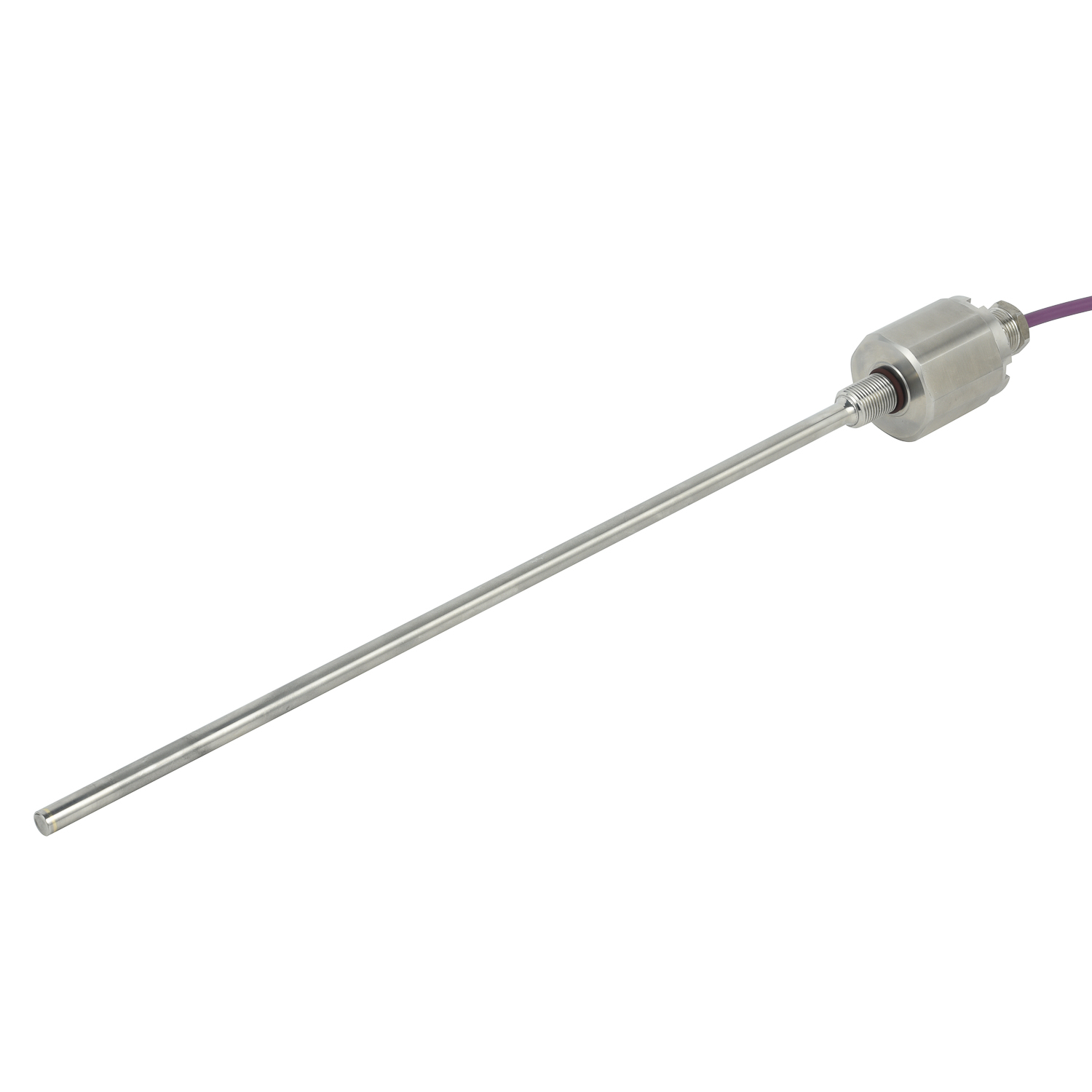
Magnetostrictive sensors represent a pinnacle of precision measurement in industrial automation. These sophisticated devices operate on a fundamental physical principle: the magnetostrictive effect. When a magnetic field interacts with a ferromagnetic waveguide, it induces a torsional strain wave. The sensor precisely measures the time delay between the generation of this wave and its return after interacting with a movable permanent magnet. This non-contact technology delivers exceptional accuracy in determining linear position, making it indispensable for applications demanding micron-level precision. In the high-stakes world of smart logistics, where speed and accuracy are paramount, this reliability is a game-changer.
The Demand for Precision in Modern Logistics Sorting
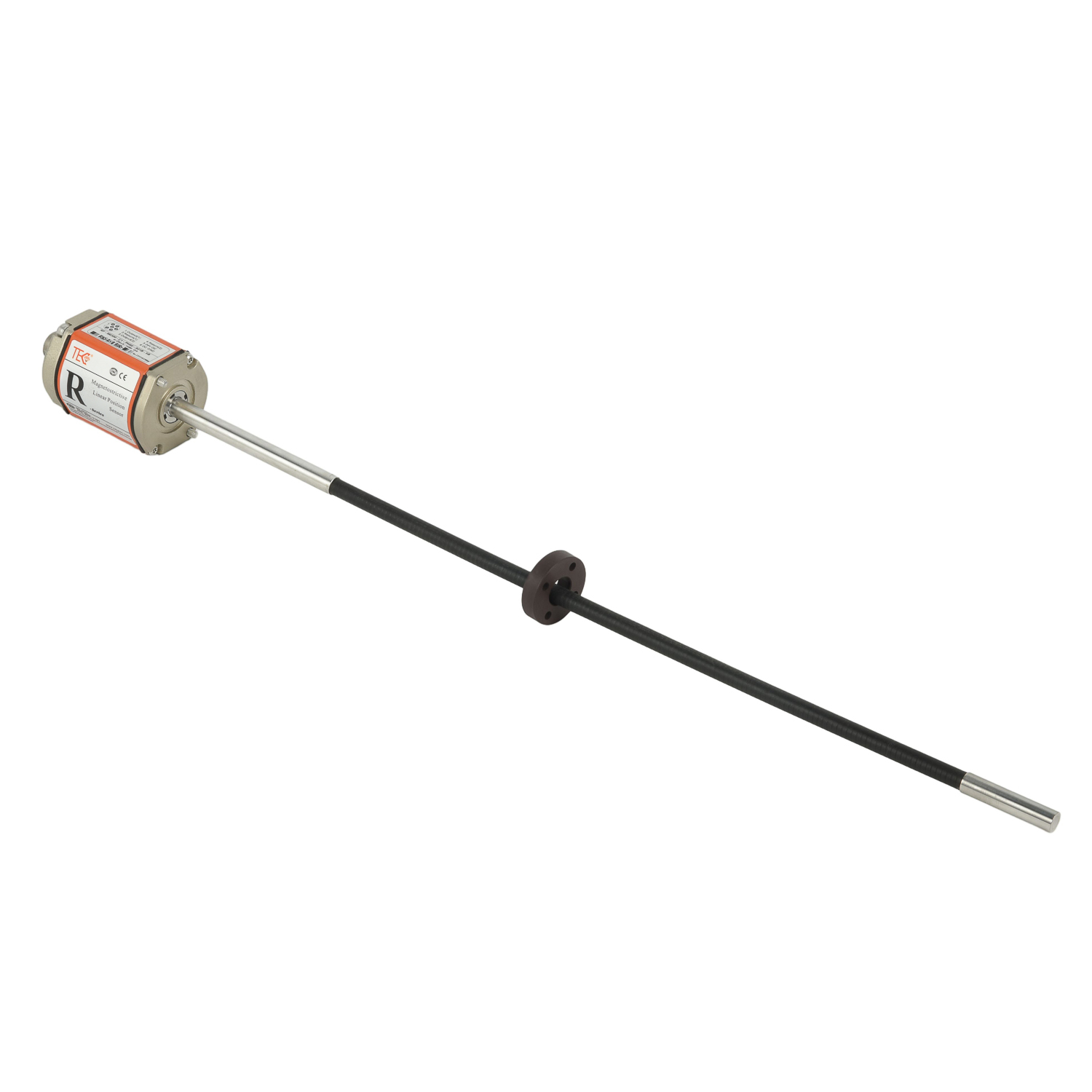
The exponential growth of e-commerce and global supply chains has placed unprecedented pressure on logistics operations. Modern sorting facilities are no longer simple conveyor belts; they are complex, high-speed orchestration systems. The primary challenge lies in accurately identifying, tracking, and diverting thousands of packages per hour with minimal error. Traditional mechanical or optical sensors often fall short, struggling with varying package sizes, shapes, and orientations. This is where the need for absolute, repeatable, and reliable positioning arises. Smart logistics systems require data integrity to ensure that every parcel is routed correctly to its destination, minimizing mis-sorts, reducing damage, and maximizing throughput.
Key Application: High-Speed Package Positioning and Tracking
One of the most critical applications of magnetostrictive sensors is in the precise positioning of sorting elements. In automated cross-belt sorters or tilt-tray systems, these sensors are integrated into the moving carts or carriers. They provide continuous, real-time feedback on the exact position of each carrier as it travels along the loop. This high-resolution data is crucial for synchronizing the discharge mechanism. When a barcode scanner identifies a package, the system knows the carrier's precise location and can command a push or tilt action at the exact millisecond required to drop the package into the correct chute. This eliminates timing errors and ensures that even at speeds exceeding 2 meters per second, sorting accuracy remains exceptionally high.
Enhancing Automated Guided Vehicle (AGV) Navigation
Beyond fixed conveyor systems, magnetostrictive sensors play a vital role in the navigation of Automated Guided Vehicles (AGVs) within warehouses. They are often used in conjunction with linear actuators that control steering or lifting mechanisms. The sensor provides absolute feedback on the extension of a lift fork or the angle of a steering column, enabling precise and repeatable movements. This allows AGVs to navigate narrow aisles, align perfectly with loading docks, and place pallets with millimeter accuracy. This level of control enhances safety, optimizes space utilization, and prevents costly collisions or product damage during material handling tasks.
System Reliability and Predictive Maintenance
The robust nature of magnetostrictive sensors contributes significantly to the overall reliability of smart logistics sorting systems. As non-contact devices with no mechanical linkages to wear out, they offer an exceptionally long service life. Furthermore, the continuous data stream they provide can be leveraged for predictive maintenance analytics. By monitoring the performance characteristics of the sensor signals over time, the system can detect subtle anomalies that may indicate wear in other components, such as bearings or drive mechanisms. This allows maintenance to be scheduled proactively, preventing unplanned downtime and ensuring the sorting operation remains a smooth, uninterrupted flow.
Conclusion: A Foundational Technology for Smart Logistics
In conclusion, magnetostrictive sensors are far more than just a component; they are a foundational technology enabling the intelligence and efficiency of modern logistics sorting. Their unparalleled precision in linear positioning directly translates into higher accuracy, faster throughput, and enhanced operational reliability. As logistics networks evolve towards greater autonomy and data-driven decision-making, the role of reliable, high-feedback sensors like magnetostrictive types will only become more pronounced. They are a key enabler in building the resilient, agile, and highly automated supply chains of the future.
 Explosion-proof LVDT Displacem
 LVDT Displacement Sensor
 Linear Displacement Sensor Fau
 Field Application of Linear Di