
How do magnetostrictive sensors solve drift issues of traditional sensors?
In the world of industrial automation and precision measurement, sensor drift has long been a persistent challenge that compromises accuracy and reliability. Traditional sensors, including potentiometric, inductive, and even some optical types, are susceptible to environmental factors and material degradation that cause their output to slowly deviate from true values over time. This drift phenomenon necessitates frequent recalibration, increases maintenance costs, and can lead to costly production errors in critical applications.
Understanding Sensor Drift in Traditional Technologies
Sensor drift occurs when a sensor's output gradually changes even when the measured quantity remains constant. Traditional sensors suffer from various drift mechanisms including thermal drift from temperature fluctuations, mechanical wear in contacting sensors, and material property changes in sensing elements. Potentiometric sensors experience wiper arm wear and contact resistance changes. Inductive sensors face core material hysteresis and winding instability. These limitations become particularly problematic in applications requiring long-term stability and precision.
The Fundamental Principle of Magnetostrictive Sensing
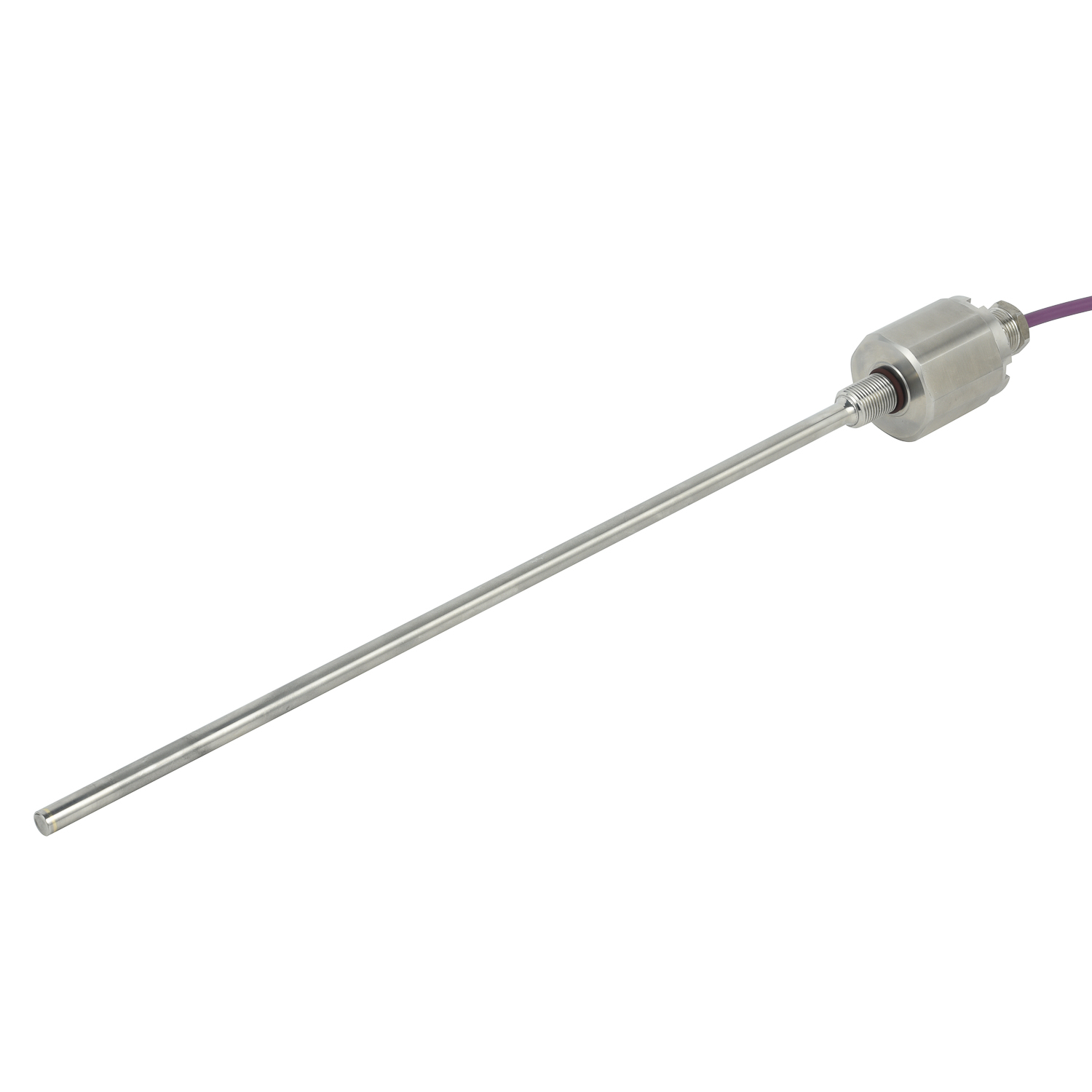
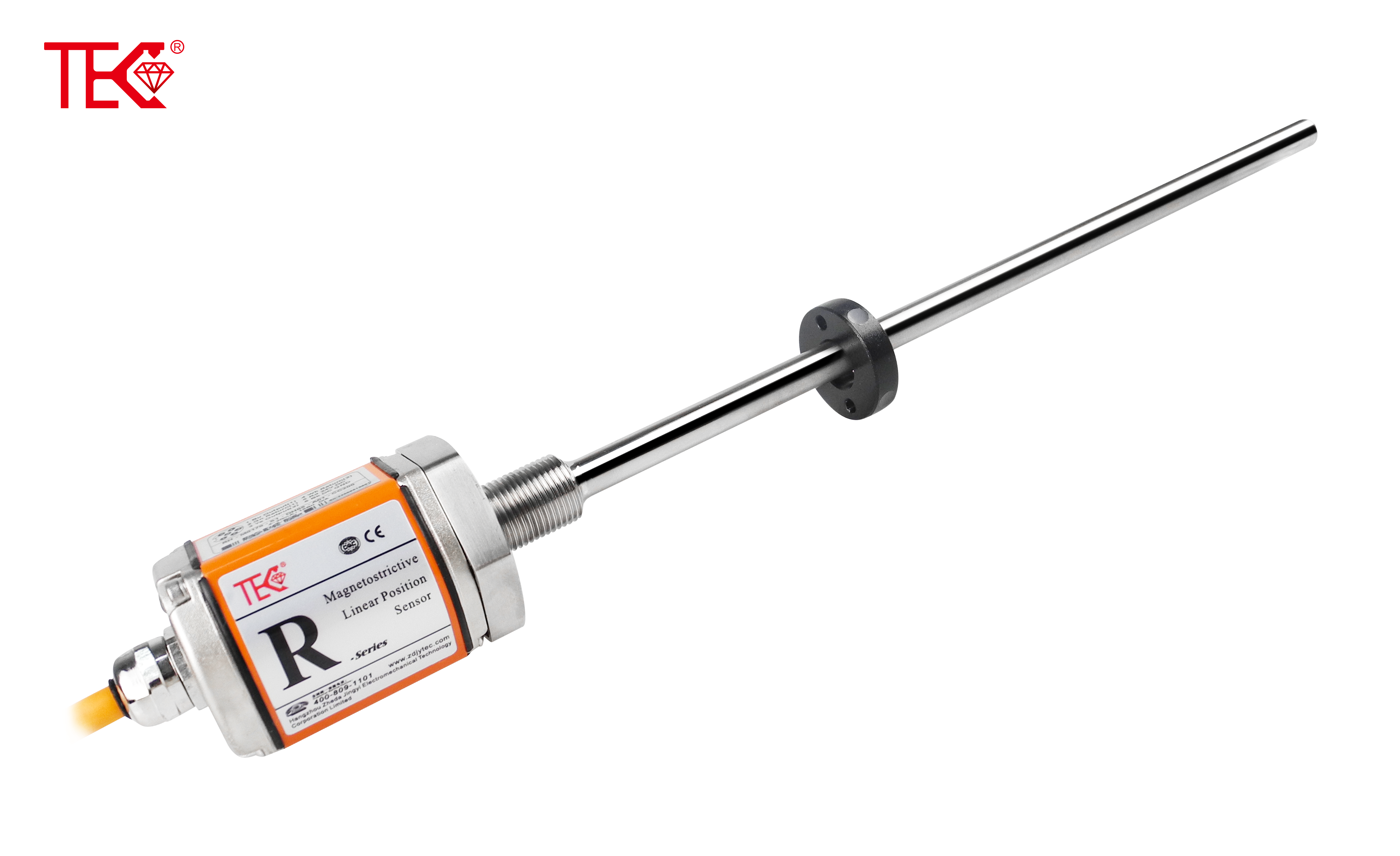
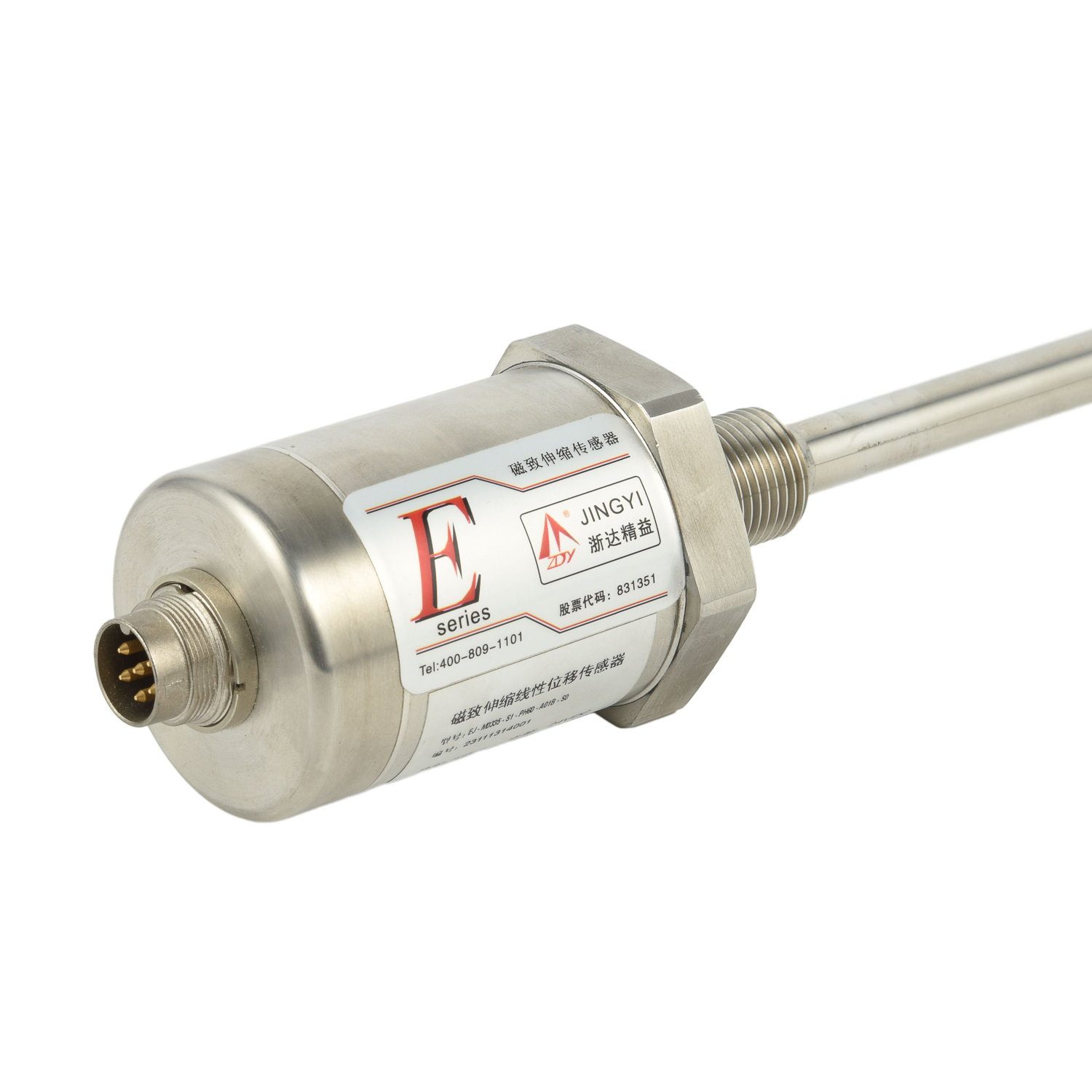
Magnetostrictive sensors operate on a fundamentally different principle that inherently resists drift. They utilize the magnetostrictive effect - the property of certain materials to change shape when subjected to a magnetic field. A magnetostrictive sensor consists of a waveguide wire made of magnetostrictive material, a position magnet that moves along the waveguide, and electronics that measure the time interval between the generation and detection of torsional waves. This time-of-flight measurement provides exceptional stability since it relies on the constant velocity of wave propagation through the waveguide material.
Superior Stability Through Non-Contact Operation
The non-contact nature of magnetostrictive sensing eliminates mechanical wear, a primary source of drift in traditional contacting sensors. The position magnet moves without physical contact with the waveguide, ensuring no friction-induced degradation occurs over time. This non-contact operation, combined with the inherent stability of the magnetostrictive effect in specialized alloys, results in exceptional long-term stability with typical drift rates measured in parts per million per year, far surpassing traditional sensor technologies.
Temperature Compensation and Environmental Immunity
Advanced magnetostrictive sensors incorporate sophisticated temperature compensation mechanisms that further enhance their drift resistance. Since the velocity of the torsional wave varies slightly with temperature, high-quality magnetostrictive sensors include temperature sensors and compensation algorithms that adjust readings in real-time. Additionally, these sensors are typically housed in robust, sealed enclosures that protect against moisture, dust, and chemical exposure - environmental factors that commonly accelerate drift in conventional sensors.
Applications Where Drift Resistance Matters Most
The exceptional drift resistance of magnetostrictive sensors makes them ideal for applications where long-term accuracy is critical. In hydraulic cylinder position feedback, they maintain precise control without frequent recalibration. In industrial automation, they provide reliable feedback for positioning systems. In precision manufacturing and testing equipment, their stability ensures consistent product quality. These applications benefit significantly from the reduced maintenance requirements and improved reliability offered by magnetostrictive technology.
Performance Comparison: Magnetostrictive vs. Traditional Sensors
When compared directly with traditional sensing technologies, magnetostrictive sensors demonstrate clear advantages in drift performance. While potentiometric sensors might require monthly recalibration in demanding environments, magnetostrictive sensors often maintain accuracy for years without adjustment. Their typical long-term stability of ±0.02% of full scale over five years far exceeds what most traditional technologies can achieve, making them the preferred choice for applications where measurement integrity cannot be compromised by gradual accuracy loss.
Future Developments in Drift-Resistant Sensing
As technology advances, magnetostrictive sensors continue to evolve with improved materials, signal processing algorithms, and integration capabilities. Emerging developments include digital interface options that simplify integration with modern control systems, miniaturized designs for space-constrained applications, and enhanced diagnostic capabilities that predict maintenance needs. These innovations will further solidify the position of magnetostrictive technology as the solution of choice for drift-critical applications across industries.
 Field Application of Linear Di
 Model and Specification of Lin
 Import Substitute Linear Displ
 Installation Method of Linear