
How do magnetostrictive sensors contribute to Industry 4.0 transformation?
In the era of smart manufacturing, the demand for precise, reliable, and interconnected data is paramount. Magnetostrictive sensors have emerged as a critical technology, providing the high-accuracy feedback necessary for intelligent automation. These sensors are fundamentally changing how industries operate by delivering unparalleled data integrity.
Enabling Real-Time Precision in Smart Factories
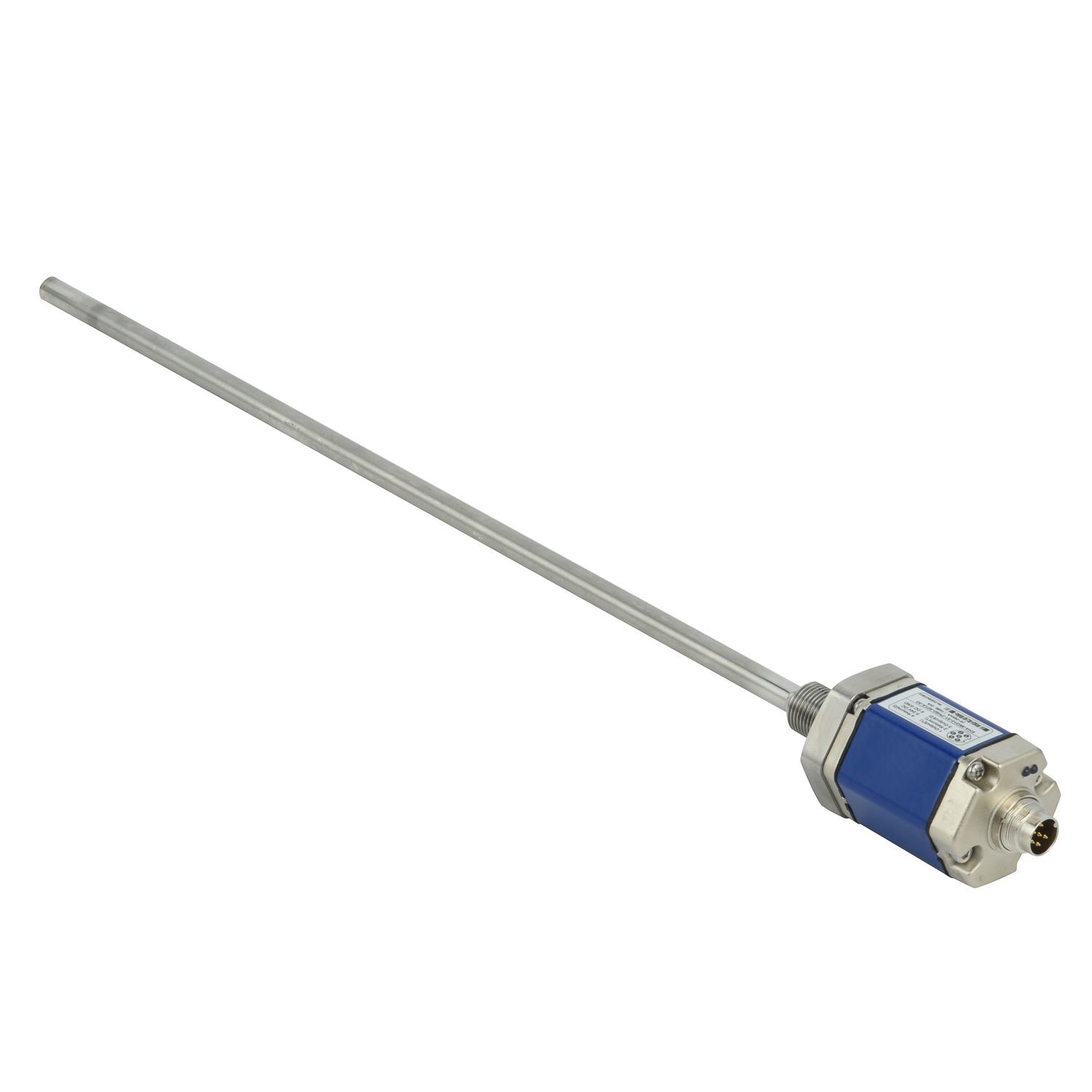
At the heart of Industry 4.0 is the concept of the smart factory, where machines and systems communicate seamlessly. Magnetostrictive sensors contribute by providing non-contact, absolute position feedback for hydraulic cylinders and linear actuators with micron-level accuracy. This real-time data on the position, velocity, and direction of moving parts is essential for closed-loop control systems, ensuring processes operate with optimal efficiency and minimal waste.
The Backbone of Predictive Maintenance Strategies
Unplanned downtime is a significant cost in manufacturing. Magnetostrictive sensors are pivotal for implementing predictive maintenance, a core pillar of Industry 4.0. By continuously monitoring the condition and performance of machinery, these sensors can detect subtle anomalies that signal impending failures. This data allows maintenance to be scheduled proactively, preventing costly breakdowns and maximizing asset uptime.
Seamless Integration with IIoT and Data Analytics
The true power of magnetostrictive sensors is unlocked through integration with the Industrial Internet of Things (IIoT). They act as reliable data acquisition points on the factory floor, feeding critical operational data into cloud platforms and data analytics systems. This continuous stream of information enables advanced analytics, machine learning, and the creation of digital twins for process optimization and simulation.
Driving Efficiency and Sustainability
Beyond operational efficiency, magnetostrictive sensors contribute to sustainability goals within Industry 4.0. By enabling precise control over material usage and energy consumption, they help reduce waste. For instance, in injection molding or press automation, exact position control ensures no excess material is used and energy is not wasted on unnecessary machine cycles.
Future-Proofing Industrial Automation
As Industry 4.0 evolves towards even greater autonomy, the role of robust sensing technologies will only expand. Magnetostrictive sensors, with their proven reliability in harsh industrial environments, are poised to be a foundational element in the factories of the future. Their ability to provide trustworthy data makes them indispensable for building resilient, adaptive, and intelligent manufacturing systems.
 Import Substitute Radar Sensor
 Installation Method of Radar S
 Working Principle of Radar Sen
 Technical Parameters of Radar