
What wireless transmission options exist for magnetostrictive displacement sensors?
The integration of wireless technology into industrial automation has revolutionized data acquisition, offering unprecedented flexibility and reducing installation costs. Magnetostrictive displacement sensors, known for their high precision in measuring linear position, are now embracing this wireless revolution. By eliminating the need for extensive cabling, wireless variants simplify installation in hard-to-reach areas and on moving machinery, while also reducing long-term maintenance. This transition empowers engineers to gather critical machine data with greater ease, paving the way for enhanced condition monitoring and predictive maintenance strategies. The core principle of magnetostrictive measurement remains unchanged, but the method of data delivery has been fundamentally transformed.
IO-Link Wireless: The Robust Industrial Standard
For demanding factory environments, IO-Link Wireless emerges as a leading contender. This standard is specifically designed for industrial applications, offering deterministic latency and high reliability. It operates on the 2.4 GHz band with frequency hopping to avoid interference, ensuring robust communication. A wireless magnetostrictive sensor with IO-Link Wireless integrates seamlessly into existing industrial IoT ecosystems, providing not only position data but also parameterization and diagnostic information wirelessly. This makes it ideal for replacing traditional wired setups on rotating platforms, automated guided vehicles (AGVs), and large-scale machinery where cable carriers are impractical.
Bluetooth and Wi-Fi: Common Protocols for Flexibility
Leveraging ubiquitous communication protocols like Bluetooth (particularly Bluetooth Low Energy) and Wi-Fi provides significant advantages in terms of component availability and integration ease. These options are well-suited for applications requiring easy access to sensor data for configuration or monitoring via tablets and smartphones. While they may not offer the same deterministic performance as IO-Link Wireless for critical control loops, they are excellent for less time-sensitive tasks like manual calibration, data logging, and diagnostic checks. The choice between them often hinges on the required range and data throughput, with Wi-Fi typically offering longer range and higher bandwidth.
Proprietary Wireless Protocols: Tailored for Specific Needs
Many sensor manufacturers develop their own proprietary wireless protocols. These solutions are often optimized for specific use cases, such as ultra-low power consumption for battery-operated sensors or exceptionally long-range communication. A proprietary wireless magnetostrictive transmitter might be the best choice for unique applications where standard protocols are unsuitable, such as in remote monitoring of hydraulic systems or in environments with extreme electromagnetic noise. The trade-off can be a lack of interoperability with equipment from other vendors, making system integration more complex compared to open standards.
Key Considerations for Implementing Wireless Solutions
Selecting the optimal wireless transmission technology requires a careful analysis of several factors. The required update rate and latency are paramount for real-time control applications. Power consumption is critical for battery-powered devices, influencing the choice of protocol and battery life. The operating range and the presence of physical obstructions or potential sources of radio frequency interference in the industrial environment must also be evaluated. Finally, security features to protect data integrity and prevent unauthorized access are non-negotiable in modern networked industrial systems.
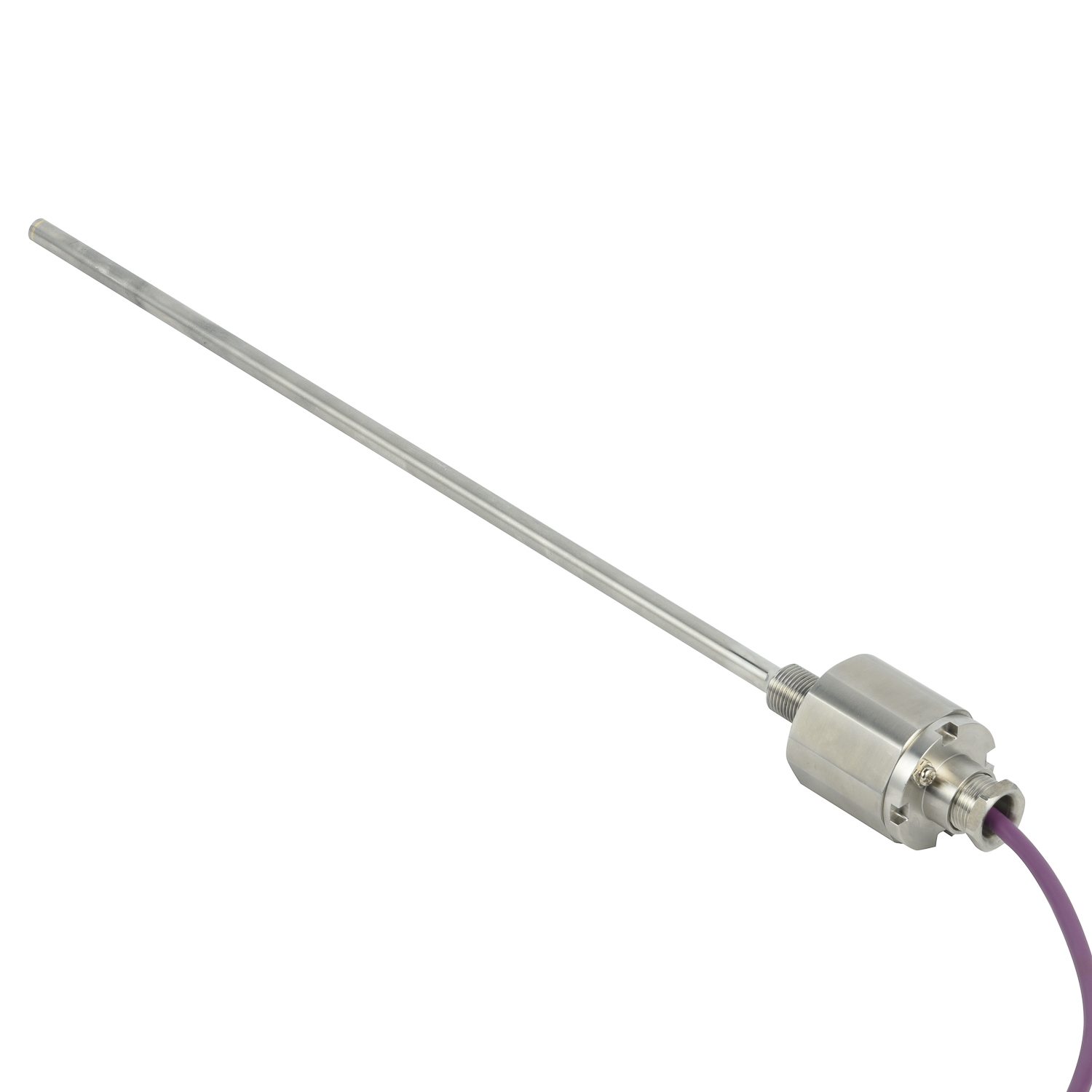
The Future is Wireless for Industrial Sensing
The adoption of wireless communication for magnetostrictive displacement sensors is a significant step forward in industrial digitization. The flexibility, cost savings, and new possibilities for data collection offered by technologies like IO-Link Wireless, Bluetooth, and proprietary systems are driving their increased adoption. As these technologies continue to mature, offering greater reliability, security, and power efficiency, wireless will become the default choice for an ever-expanding range of position sensing applications, from factory floors to mobile equipment.
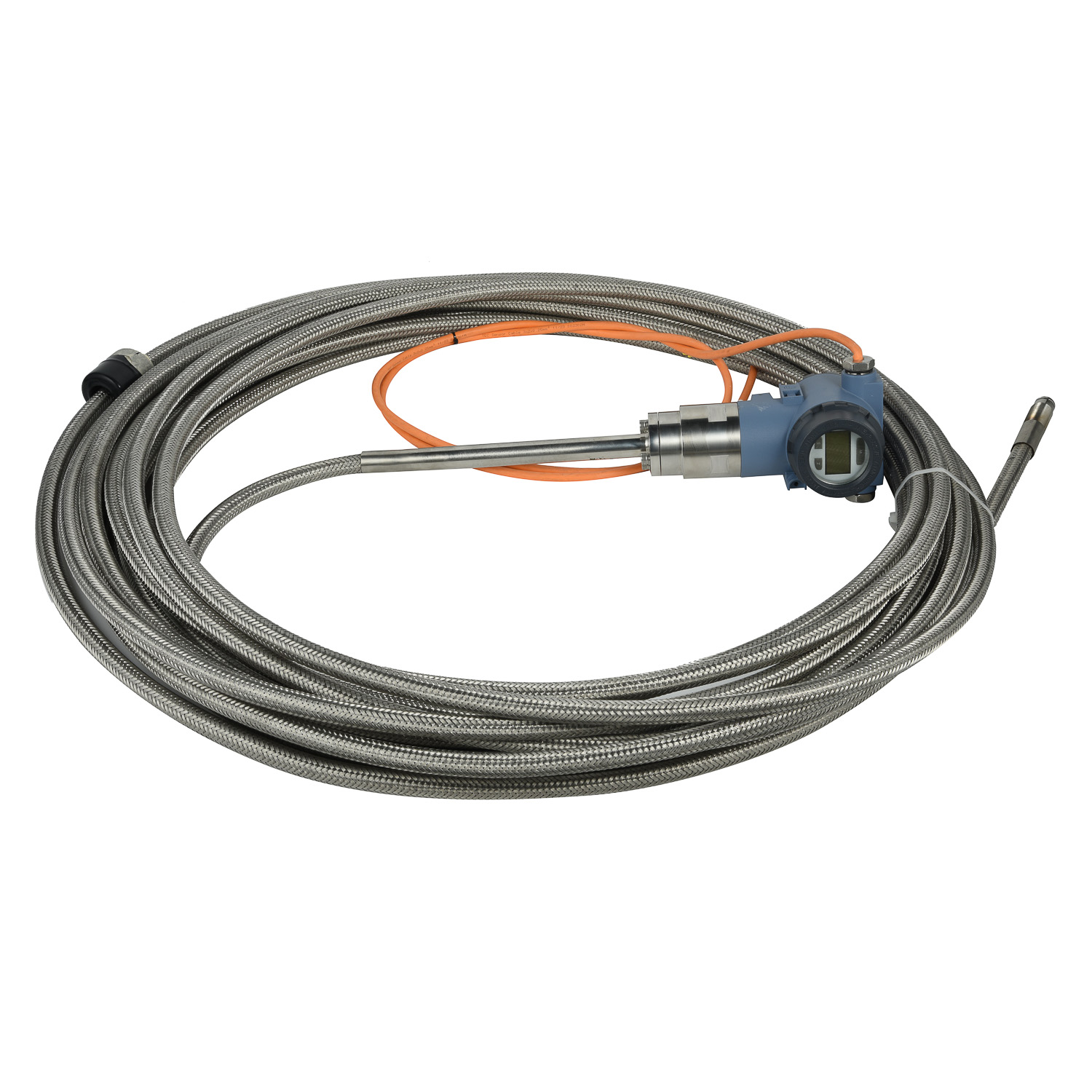 High-temperature LVDT Displace
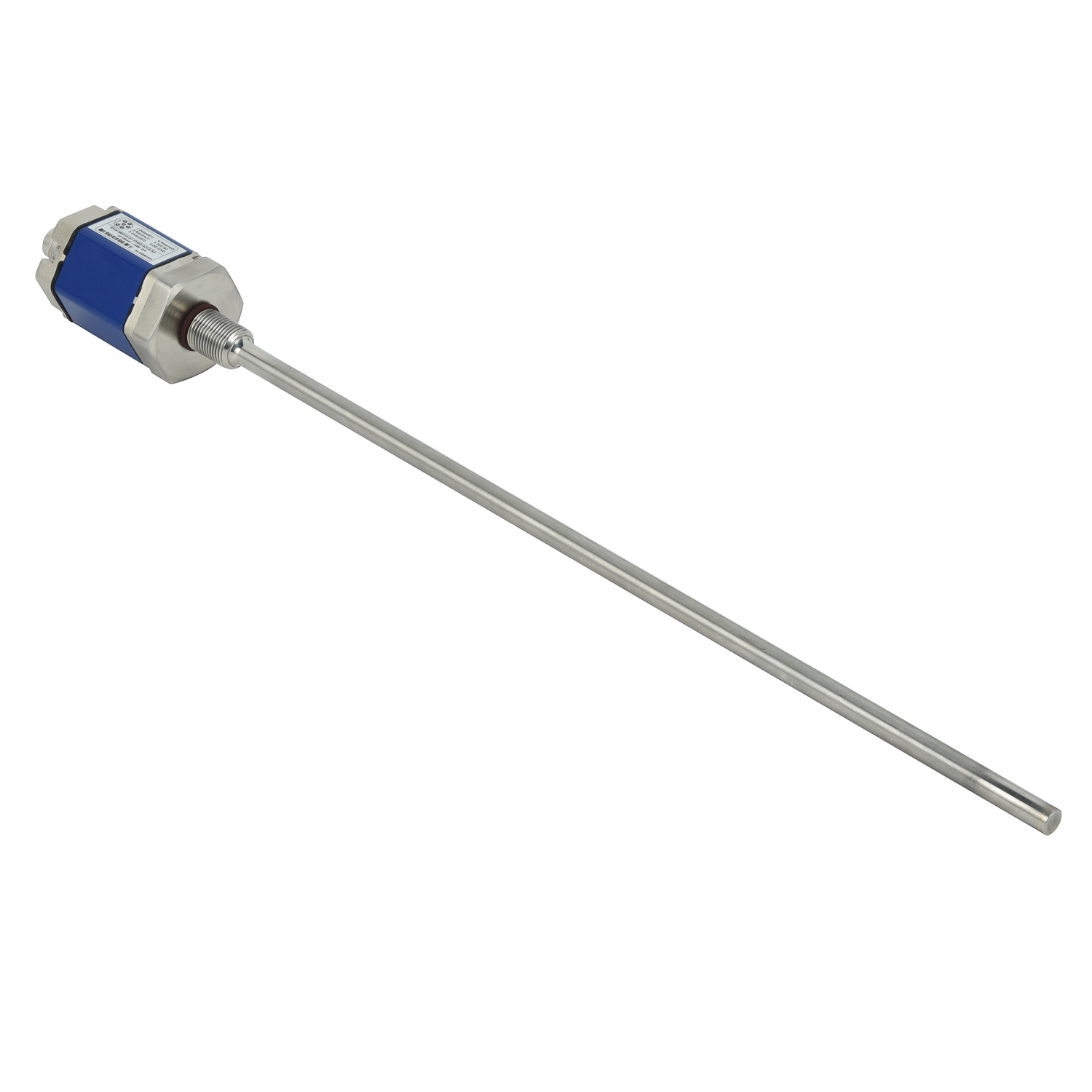 Waterproof LVDT Displacement S
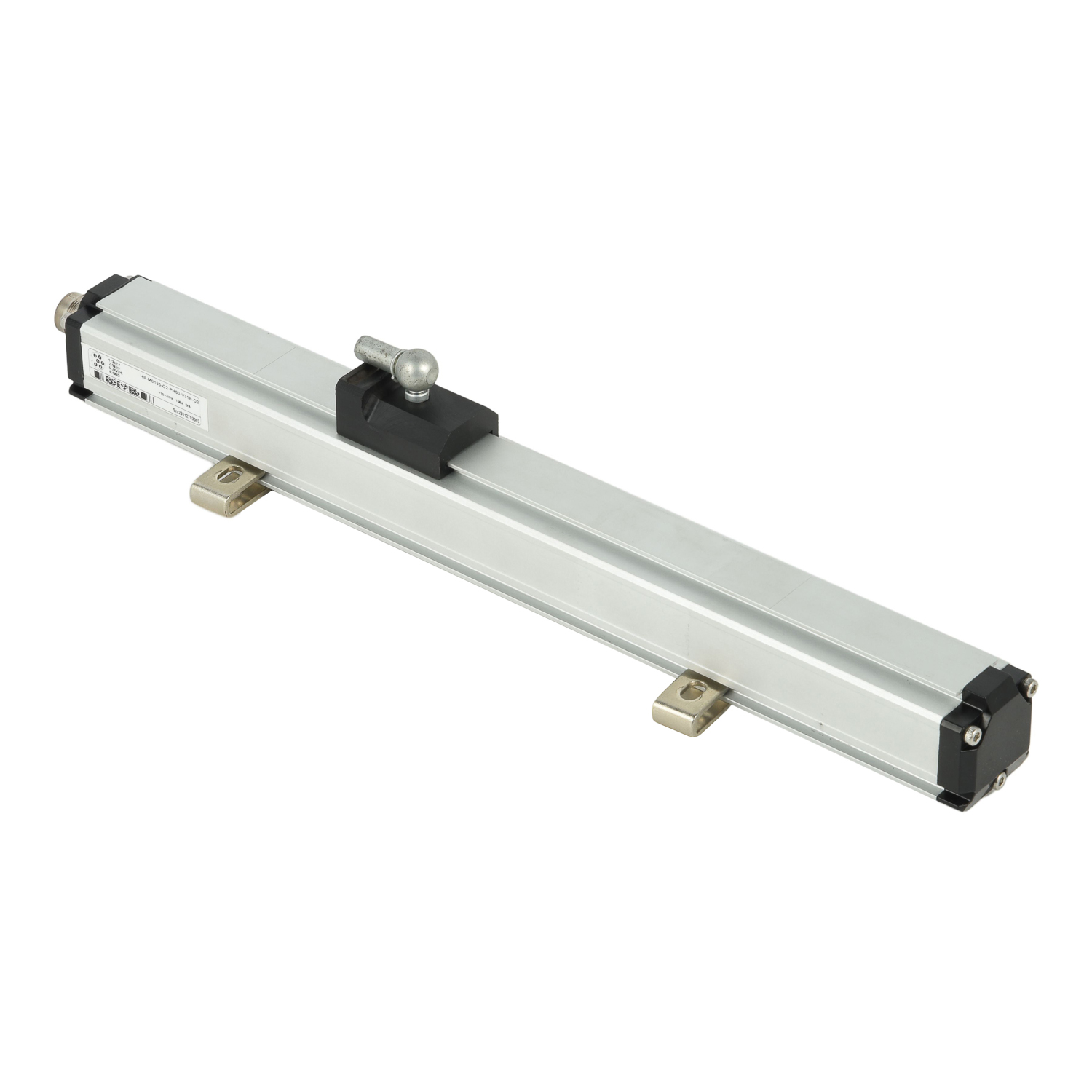 Intrinsically Safe Explosion-p
 Explosion-proof LVDT Displacem