
How to achieve cost-effective measurement solutions with magnetostrictive technology?
Understanding Magnetostrictive Technology
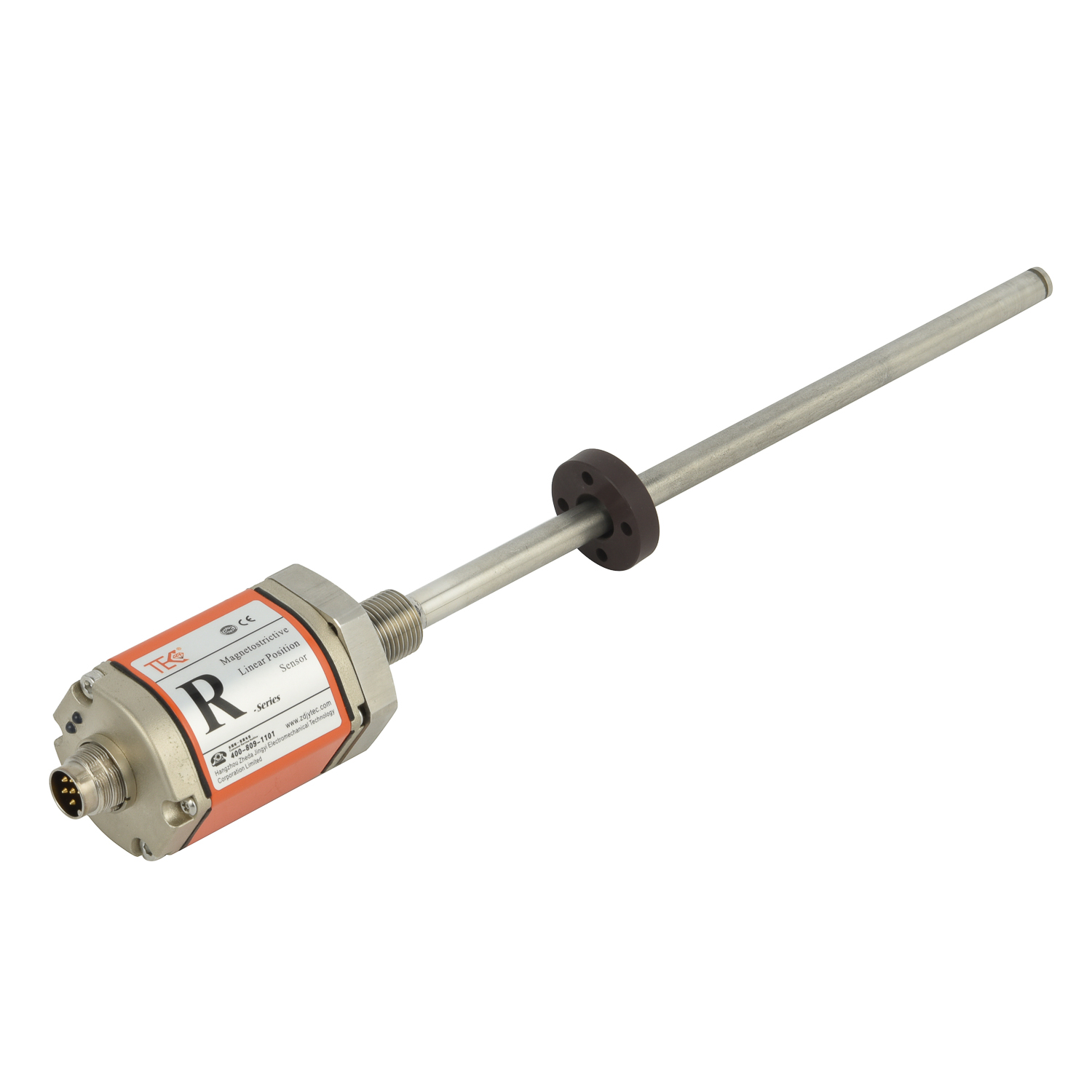
Magnetostrictive technology operates on a fascinating physical principle: the interaction between magnetic fields and ferromagnetic materials. At its core, a sensor consists of a waveguide, typically a thin wire, and a movable position magnet. When a current pulse is sent down the waveguide, it generates a circular magnetic field. The position magnet, attached to the object being measured, creates a second magnetic field. The interaction of these two fields produces a torsional stress wave, known as a magnetostrictive effect, that travels back along the waveguide at a constant speed. By precisely measuring the time interval between the current pulse initiation and the wave's return, the system can calculate the exact position of the magnet with exceptional accuracy. This non-contact, wear-free principle is the foundation of its reliability and long service life, making it a superior choice for demanding industrial environments where precision is paramount.
The Core Advantages for Cost-Effectiveness
The true value of magnetostrictive measurement lies in its outstanding cost-effectiveness over the long term. While the initial investment might be higher than some alternative technologies, the total cost of ownership is significantly lower. This is primarily due to minimal maintenance requirements, as the non-contact sensing mechanism eliminates mechanical wear and tear. Furthermore, these sensors boast exceptional accuracy and repeatability, reducing product giveaway and improving process control, which directly translates to material savings and higher quality output. Their inherent robustness leads to reduced downtime and lower lifecycle costs. By delivering high precision with unparalleled reliability, magnetostrictive solutions prevent costly errors and process interruptions, ensuring a rapid return on investment and sustained operational savings for years to come.
Applications in Level and Position Measurement
Magnetostrictive technology excels in a wide array of level and position sensing applications across various industries. In industrial automation, they are indispensable for providing precise feedback on hydraulic or pneumatic cylinder piston position, enabling sophisticated motion control. For tank level measurement, they are widely used to monitor liquids, fuels, and chemicals in storage tanks, offering high accuracy for inventory management and process control. Their ability to perform reliably in harsh conditions makes them ideal for mobile equipment, machine tools, and factory automation systems. Whether it's determining the level of corrosive fluids or the exact position of a robotic arm, magnetostrictive sensors provide the critical data needed for efficient and safe operation, proving their versatility and dependability where measurement matters most.
Selecting the Right Magnetostrictive Sensor
Choosing the appropriate magnetostrictive sensor is crucial for maximizing cost-effectiveness. Key selection criteria include measurement range, required accuracy, output signal type, and the specific environmental conditions of the application. For instance, a high-pressure washdown environment would necessitate a sensor with a high IP rating and robust housing material like stainless steel. Understanding the media being measured is also vital; for aggressive chemicals, specific seal materials must be specified. It is equally important to partner with a reputable manufacturer known for quality and reliability, as this ensures consistent performance and access to technical support. A correctly specified sensor, matched to the application's demands, will deliver optimal performance and longevity, fully realizing the technology's promise of low total cost of ownership and dependable operation.
Future Trends and Integration
The future of magnetostrictive technology is closely tied to the evolution of Industry 4.0 and the Industrial Internet of Things (IIoT). Modern magnetostrictive sensors are increasingly featuring digital communication protocols like IO-Link, which facilitates easy integration into smart factory networks. This allows for remote configuration, real-time diagnostics, and predictive maintenance capabilities, further enhancing their cost-effectiveness by enabling proactive rather than reactive maintenance. As systems become more interconnected, the precise data from these sensors becomes a valuable asset for optimizing entire production processes. The ongoing development of more compact, intelligent, and network-ready magnetostrictive sensors ensures they will remain a cornerstone of efficient and data-driven industrial measurement for the foreseeable future.
 YourUltimatePrimeronMagnetostr
TheCoreofInnovation:RecentBrea
DemystifyingLinearity:WhyIt'sC
TheLifecycleStory:Installation
YourUltimatePrimeronMagnetostr
TheCoreofInnovation:RecentBrea
DemystifyingLinearity:WhyIt'sC
TheLifecycleStory:Installation