
Why are magnetostrictive sensors more reliable than traditional encoders?
In the demanding world of industrial automation, the reliability of position and velocity feedback is paramount. While traditional optical and magnetic encoders have been widely used, magnetostrictive sensors are increasingly recognized for their exceptional durability and long-term stability. This article explores the fundamental reasons behind their superior performance in harsh operating environments.
Non-Contact Sensing Technology Eliminates Mechanical Wear
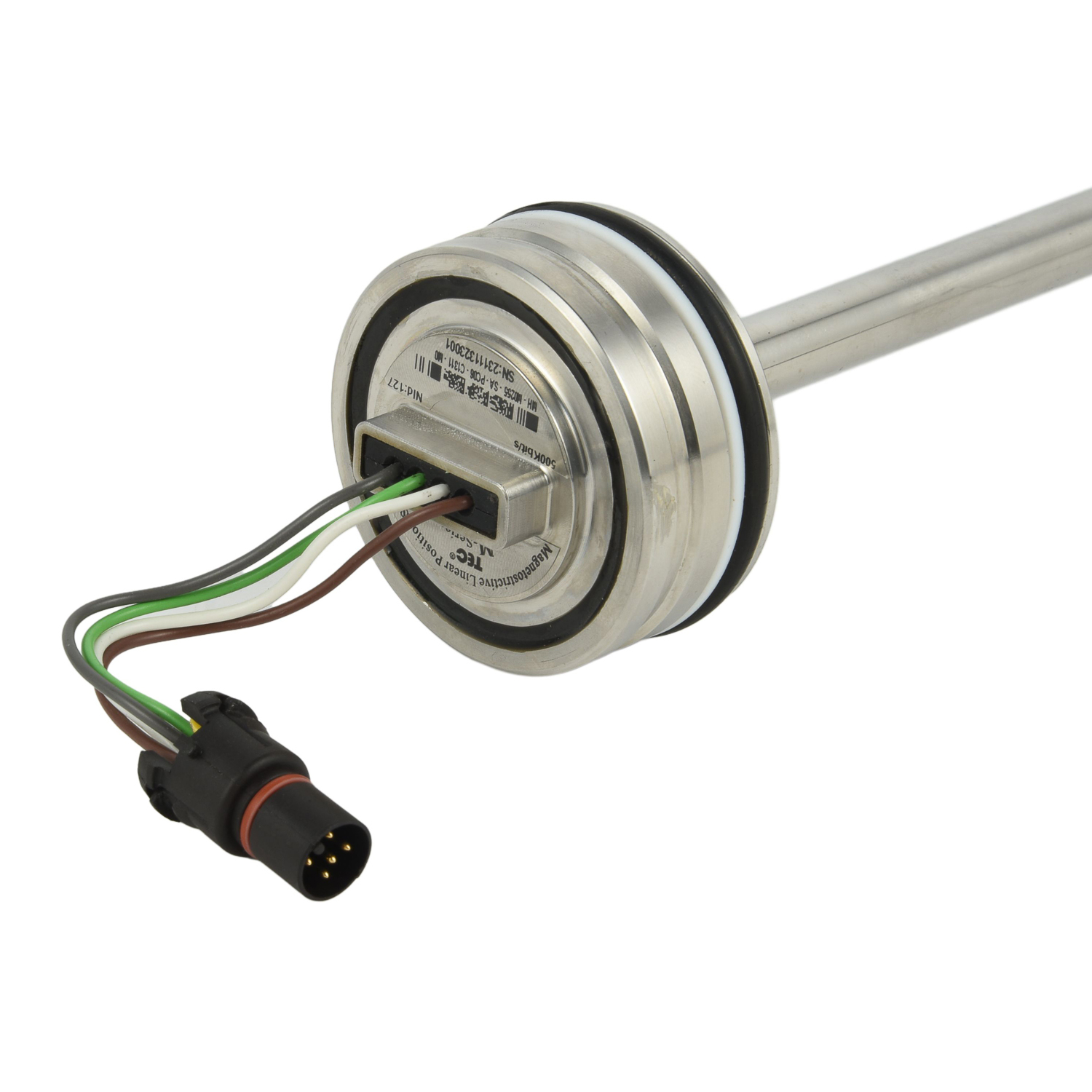
The core advantage of magnetostrictive sensors lies in their non-contact operating principle. A position magnet moves along a waveguide without any physical contact with the sensor body. This eliminates the mechanical wear and tear that plagues traditional encoders, which rely on physical couplings, gears, or optical discs that degrade over time. The absence of physical contact translates to a significantly longer operational lifespan and consistent accuracy, making magnetostrictive sensors ideal for applications requiring millions of cycles.
Robust Construction for Harsh Industrial Environments
Magnetostrictive sensors are engineered to withstand extreme conditions that would typically compromise traditional encoders. Their hermetically sealed sensing element is highly resistant to contaminants such as dust, moisture, oils, and vibrations. Unlike optical encoders, which can fail due to dirt obscuring the light source, magnetostrictive technology remains unaffected. This inherent robustness ensures reliable performance in challenging settings like metalworking, mobile hydraulics, and heavy machinery, minimizing unplanned downtime.
Exceptional Accuracy and Repeatability Over Time
Precision is a hallmark of magnetostrictive sensors. They provide highly accurate absolute position measurement with excellent repeatability. Since the sensing mechanism is not subject to mechanical slippage or backlash—common issues with incremental encoders—the readings remain precise throughout the sensor's life. This long-term accuracy is critical for processes where even minor deviations can lead to significant quality control issues or production errors.
Simplified Installation and Reduced Maintenance Needs
The design simplicity of magnetostrictive sensors contributes directly to their reliability. Installation is often more straightforward compared to aligning a traditional encoder shaft. Furthermore, with no moving parts to lubricate or replace, maintenance requirements are drastically reduced. This simplicity lowers the total cost of ownership and enhances overall system uptime, as there are fewer components that can fail.
Conclusion: A Clear Choice for Critical Applications
When reliability is the primary concern, magnetostrictive sensors present a compelling case over traditional encoders. Their non-contact operation, rugged design, sustained accuracy, and minimal maintenance needs make them a more dependable solution for critical industrial applications. By choosing magnetostrictive technology, engineers can build more resilient and efficient automated systems.
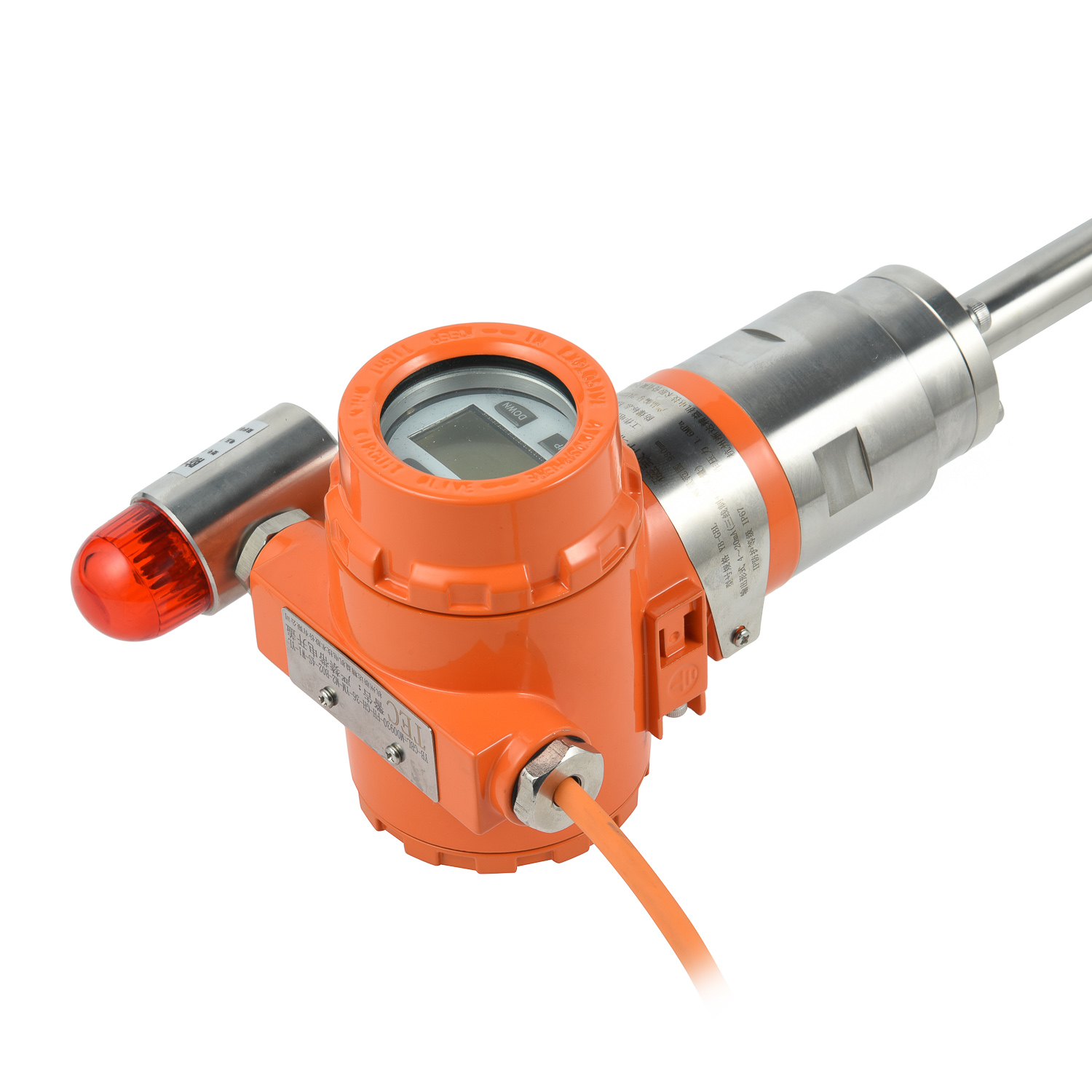 Intrinsically Safe Explosion-p
 Explosion-proof Magnetostricti
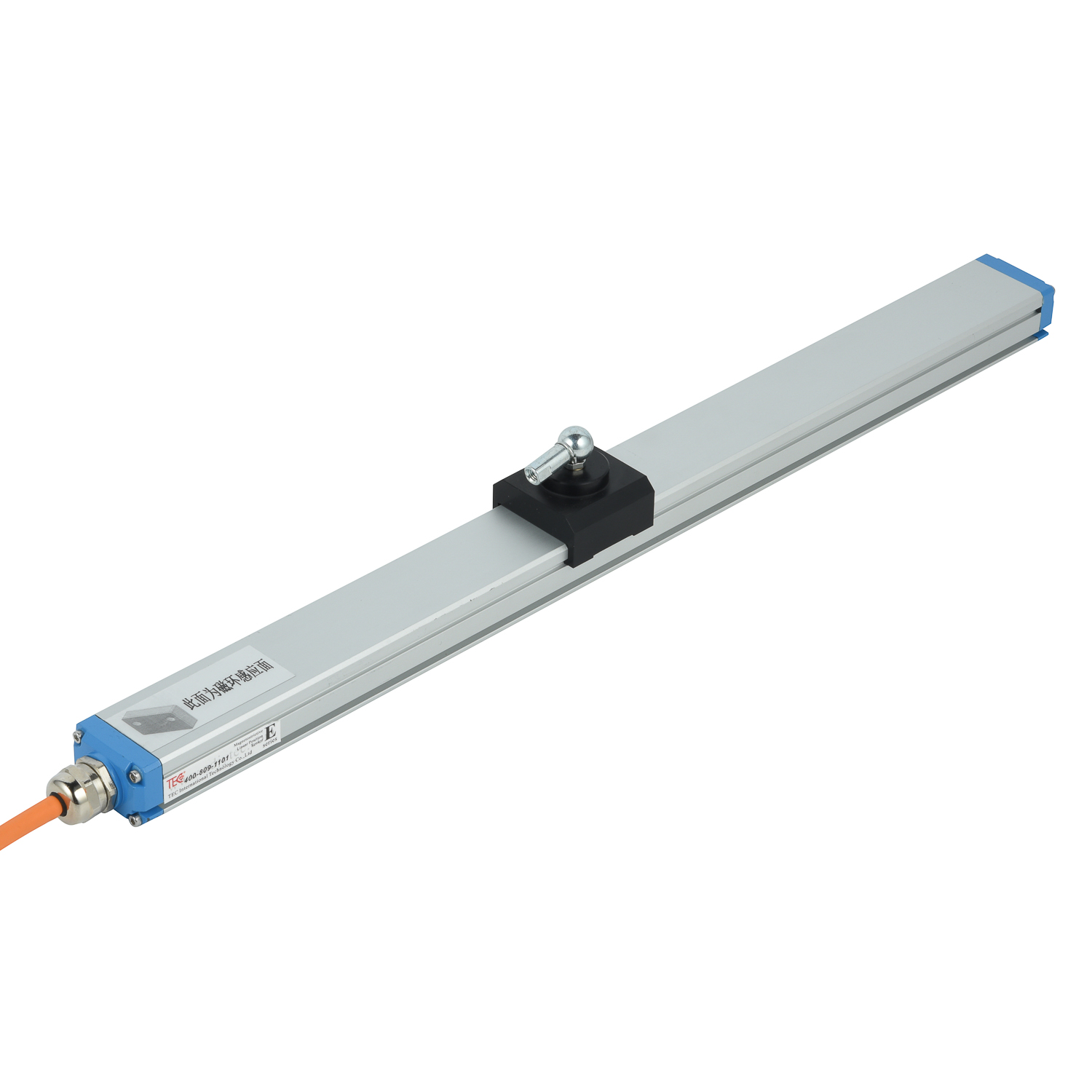 Magnetostrictive Displacement
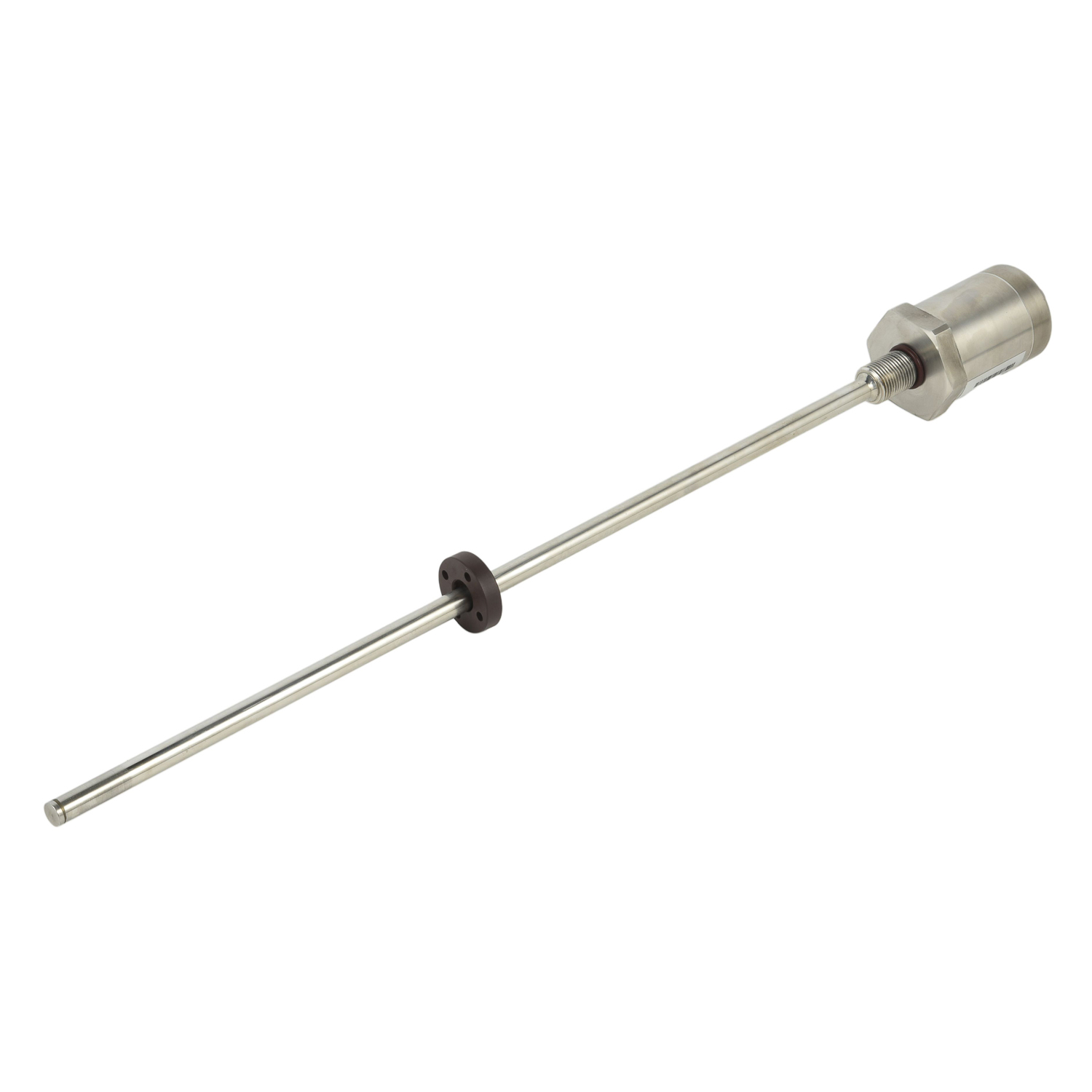 Mining High-temperature Electr