
What's the critical role of magnetostrictive sensors in nuclear plant safety monitoring?
Introduction to Sensor Technology in Nuclear Safety
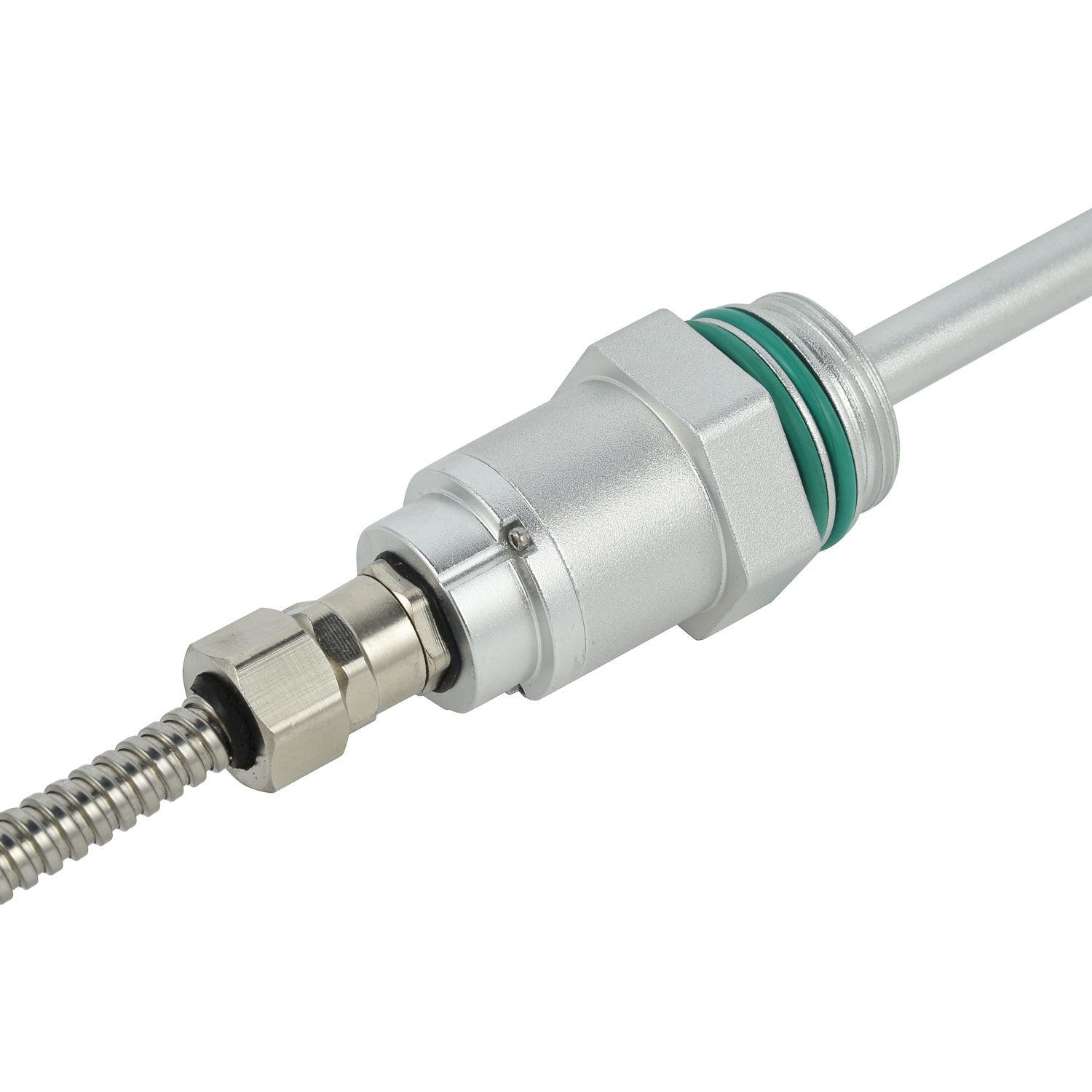
The pursuit of absolute safety in nuclear power generation necessitates the most advanced monitoring technologies available. Among these, magnetostrictive sensors have emerged as a cornerstone for ensuring structural integrity and preventing catastrophic failures. Unlike conventional methods, these sensors offer unparalleled precision in measuring strain, stress, and displacement within critical reactor components. Their ability to provide real-time data is indispensable for the proactive management of plant safety, forming an invisible yet vital shield against potential hazards. This technology represents a significant leap beyond traditional monitoring techniques.
Fundamental Principles of Magnetostrictive Sensing
At its core, magnetostrictive technology leverages the "joule effect," a phenomenon where certain ferromagnetic materials change their physical dimensions when exposed to a magnetic field. A sensor typically consists of a waveguide made from a magnetostrictive material and a permanent magnet. When a current pulse is sent through the waveguide, it generates a circular magnetic field. The interaction between this field and the one from the permanent magnet creates a torsional strain wave that travels along the waveguide. The time taken for this wave to return is directly proportional to the position of the magnet, allowing for highly accurate, non-contact measurement of parameters like position, force, and torque.
Monitoring Structural Integrity in Real-Time
The primary application of magnetostrictive sensors in a nuclear facility is the continuous monitoring of key structural components. They are strategically deployed to measure micro-deformations in the reactor pressure vessel, steam generator tubes, and primary coolant loop piping. These components are subjected to extreme temperatures, high pressure, and neutron irradiation over time, leading to potential material fatigue. Magnetostrictive sensors detect minute changes in strain long before they become critical, providing plant operators with an early warning system. This real-time data is crucial for scheduling maintenance and preventing unexpected downtime or, worse, a breach of containment.
Enhancing Safety Systems and Accident Prevention
Beyond simple monitoring, the data from magnetostrictive sensors are integrated directly into the plant's safety instrumented systems. For instance, precise readings on control rod position—vital for reactor shutdown—are ensured using these sensors. In the event of an anomaly, such as a pressure boundary strain exceeding safe limits, the sensor data can trigger automatic safety protocols. This could include initiating emergency core cooling systems or actuating isolation valves. This direct link between sensing and safety action significantly reduces the probability of accidents caused by human error or delayed response, creating a more robust and autonomous defense-in-depth strategy.
Advantages Over Traditional Monitoring Methods
The superiority of magnetostrictive sensors lies in their unique combination of features. They are highly resistant to the harsh environmental conditions inside a nuclear plant, including radiation, which can degrade other sensor types. Their non-contact nature means there is no mechanical wear, ensuring long-term reliability and accuracy without frequent recalibration. Furthermore, they provide absolute position measurement, meaning they do not lose their reference point after a power outage—a critical feature for safety systems. Compared to traditional potentiometric or LVDT sensors, magnetostrictive technology offers higher precision, better durability, and lower lifecycle costs.
Future Outlook and Evolving Applications
The role of magnetostrictive sensing is poised to expand with the advent of next-generation nuclear reactors and a greater emphasis on digitalization. Research is ongoing to develop sensors capable of withstanding even higher temperatures for advanced reactor designs. The integration of magnetostrictive data with plant-wide digital twins—virtual models of the physical plant—will enable predictive maintenance with unprecedented accuracy. This evolution will transform nuclear safety from a reactive to a profoundly predictive discipline, where potential issues are identified and resolved long before they pose any risk, solidifying the technology's status as a critical guardian of nuclear safety.
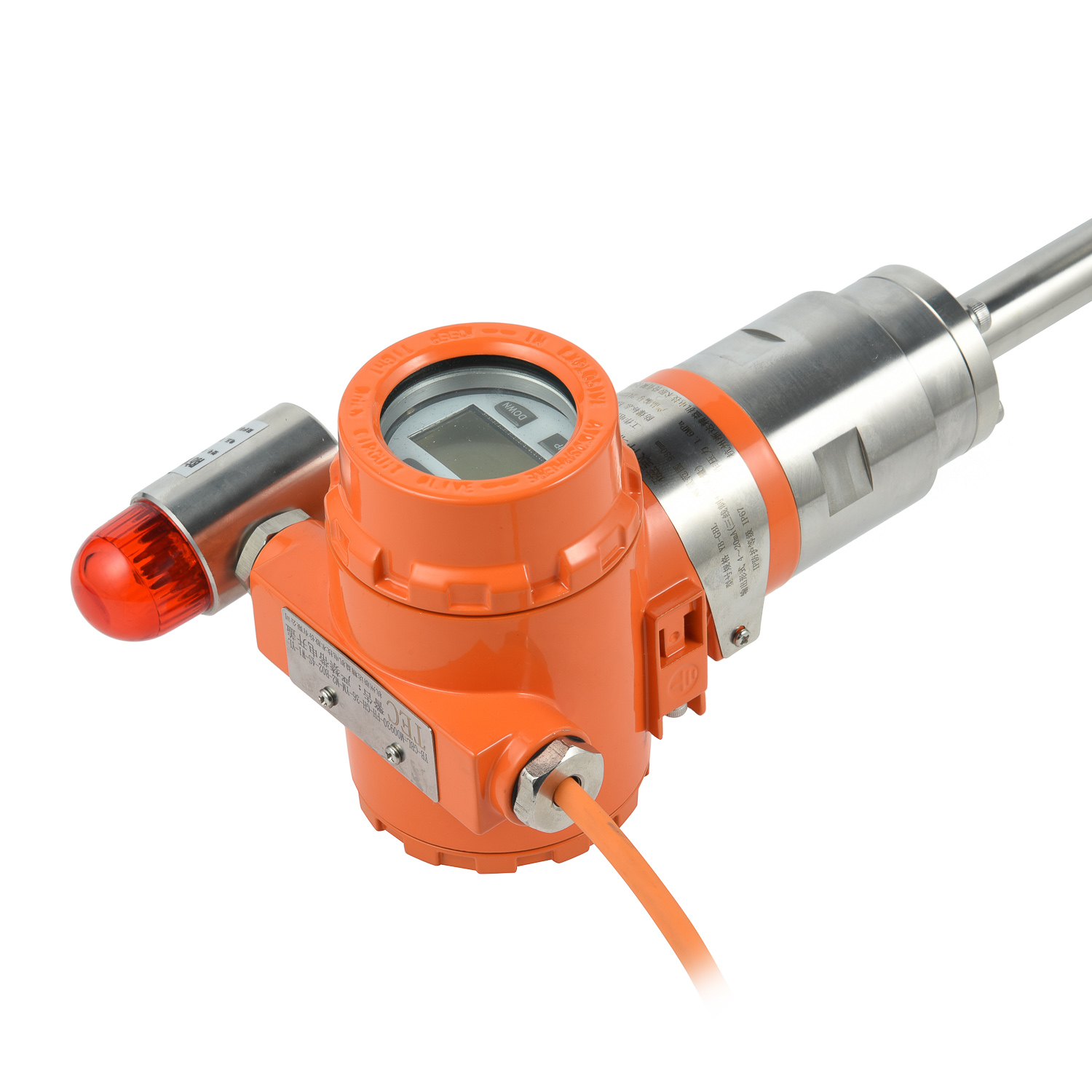 Intrinsically Safe Explosion-p
 Explosion-proof Magnetostricti
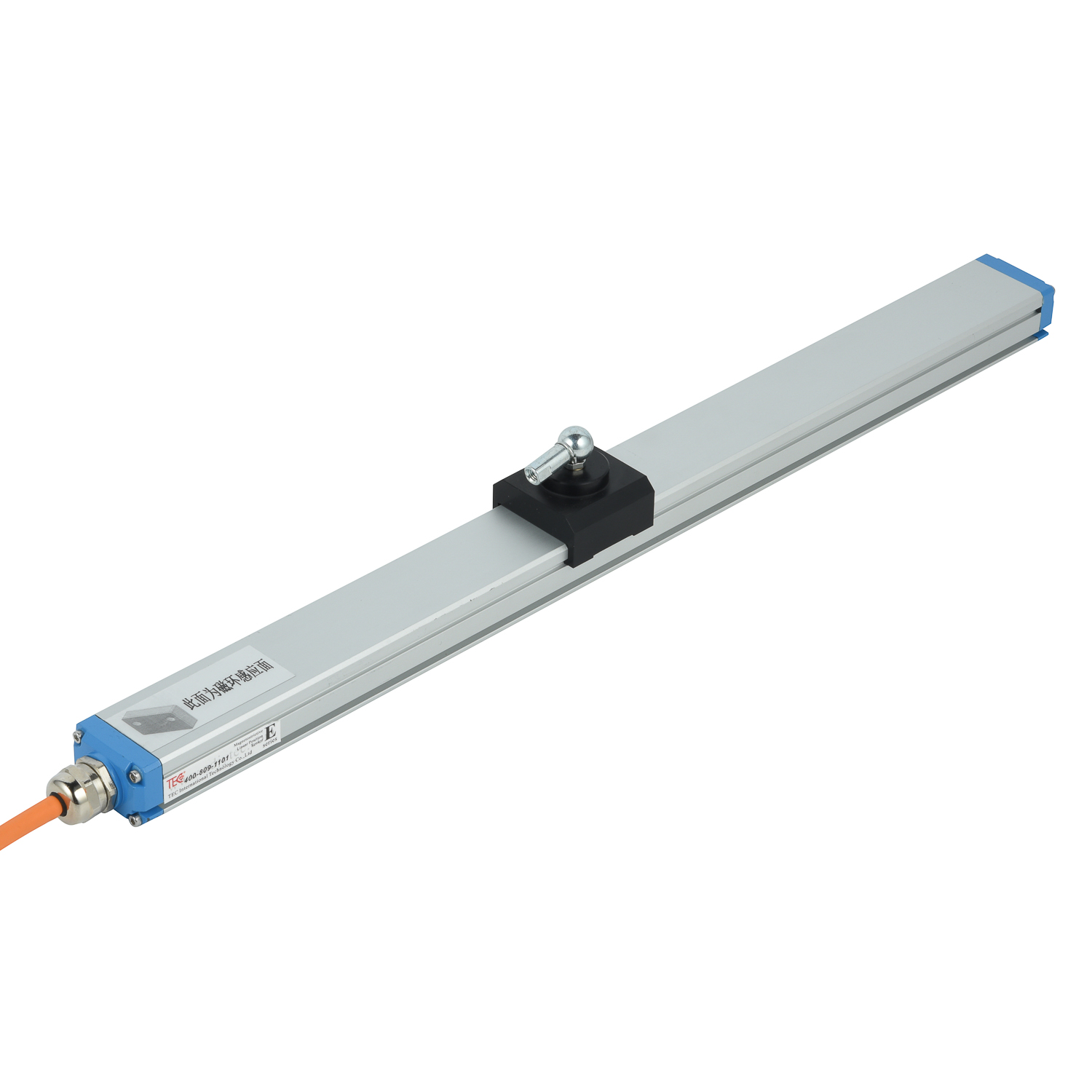 Magnetostrictive Displacement
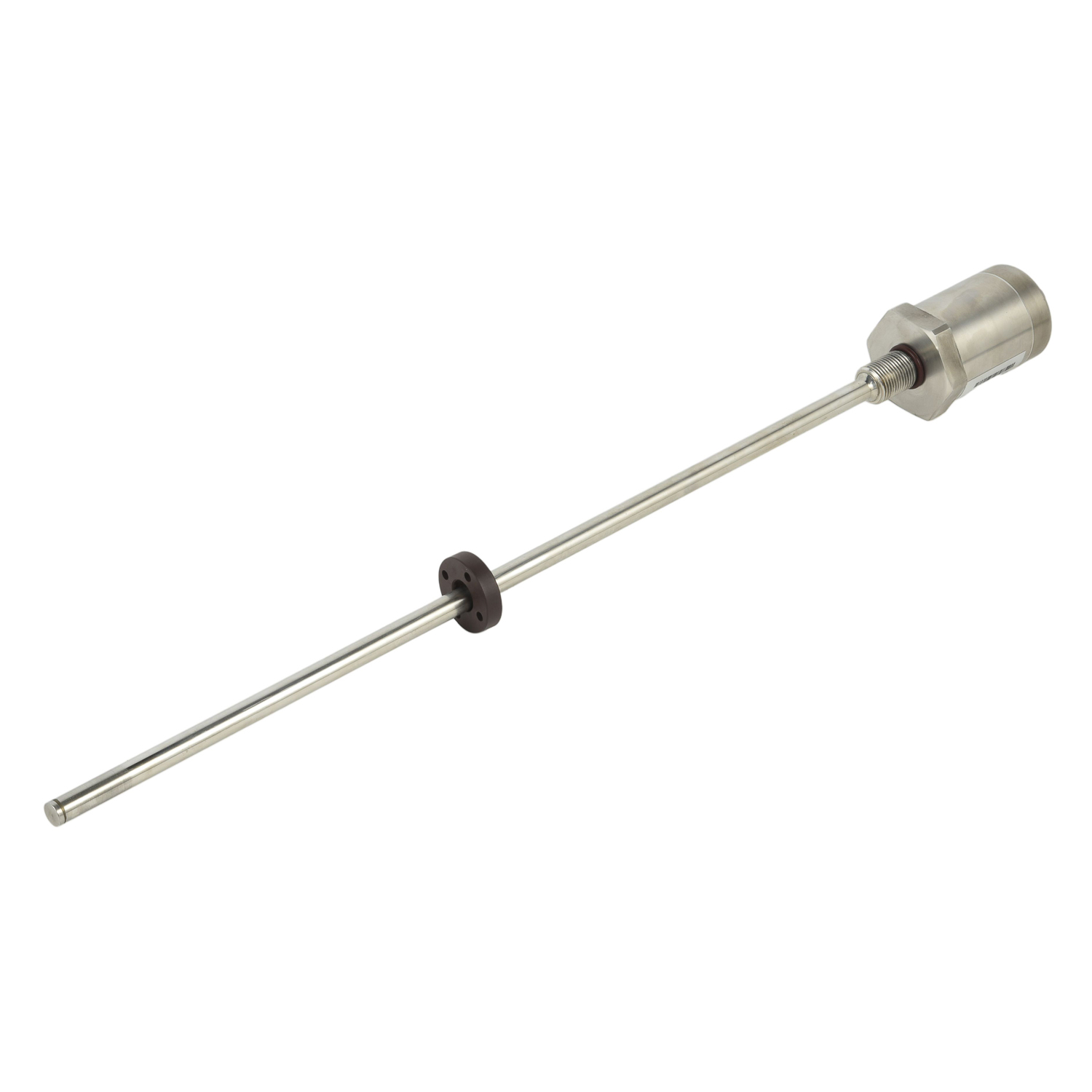 Mining High-temperature Electr