
How is magnetostrictive technology revolutionizing traditional displacement measurement?
In the realm of precision measurement, the quest for accuracy, reliability, and durability is never-ending. Traditional methods of displacement measurement, while functional, often face limitations in harsh environments and high-precision applications. This is where magnetostrictive technology emerges as a transformative force, offering a superior alternative that is redefining industry standards.
The Limitations of Conventional Displacement Measurement
Traditional displacement sensors, such as potentiometers and Linear Variable Differential Transformers (LVDTs), have long been the workhorses of industry. Potentiometers, which rely on physical contact between a wiper and a resistive element, are prone to wear and tear, leading to a limited operational lifespan. LVDTs, though contactless, can be sensitive to electromagnetic interference and are often complex to install and calibrate. These inherent drawbacks make them less than ideal for applications requiring long-term reliability, high speed, or operation in extreme conditions like high temperatures, pressure, or vibration.
Understanding the Core Principles of Magnetostrictive Sensing
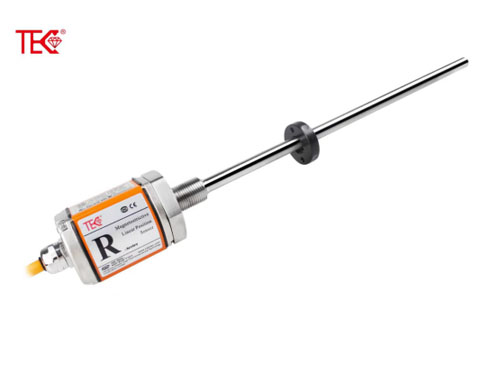
Magnetostrictive technology operates on a sophisticated yet highly reliable physical principle. The core component is a waveguide—a specially designed ferromagnetic wire or tube sealed within a protective housing. A movable permanent magnet, attached to the target whose position needs measuring, surrounds this waveguide. The measurement process begins with a short current pulse, called an interrogation pulse, sent down the waveguide. This pulse generates a circular magnetic field along its entire length. Where this field intersects with the axial magnetic field of the position magnet, a torsional stress wave (or strain pulse) is instantaneously generated in the waveguide due to the magnetostrictive effect—the property of certain materials to change shape in a magnetic field. This strain pulse travels at the speed of sound back to a pickup sensor at the head of the device. By precisely measuring the time interval between the initiation of the current pulse and the arrival of the strain pulse, the exact position of the magnet can be calculated with remarkable accuracy.
Unparalleled Precision and Reliability in Harsh Environments
One of the most significant advantages of magnetostrictive sensors is their exceptional precision, often reaching micron-level resolution. Since the sensing is achieved through a non-contact method—the magnet never touches the waveguide—there is absolutely mechanical wear, ensuring virtually infinite mechanical life and long-term calibration stability. This makes them perfectly suited for harsh industrial environments. They are inherently resistant to contamination from oil, dirt, and moisture. Furthermore, their robust design allows them to perform reliably under extreme pressures, high vibrations, and wide temperature ranges, conditions that would quickly degrade or destroy traditional contact-based sensors.
Driving Efficiency and Innovation Across Industries
The revolutionary impact of magnetostrictive technology is evident across numerous sectors. In industrial automation and robotics, these sensors provide critical feedback for hydraulic cylinder position control, enabling precise movement and repeatability. In injection molding machines, they ensure accurate control of the injection screw position, directly impacting product quality and material efficiency. The technology is also vital in test and measurement stands, valve position feedback, and level sensing in tanks. By delivering unwavering accuracy and reducing downtime associated with sensor failure, magnetostrictive displacement sensors are a cornerstone of modern smart manufacturing and Industry 4.0 initiatives.
The Future of Measurement is Magnetostrictive
In conclusion, magnetostrictive technology represents a paradigm shift in displacement measurement. It effectively overcomes the critical limitations of traditional methods by offering a unique combination of high precision, absolute positioning, non-contact operation, and rugged durability. As industries continue to push the boundaries of performance and automation, the adoption of this advanced sensing technology is set to accelerate, solidifying its role as a key enabler for the next generation of industrial innovation and efficiency.
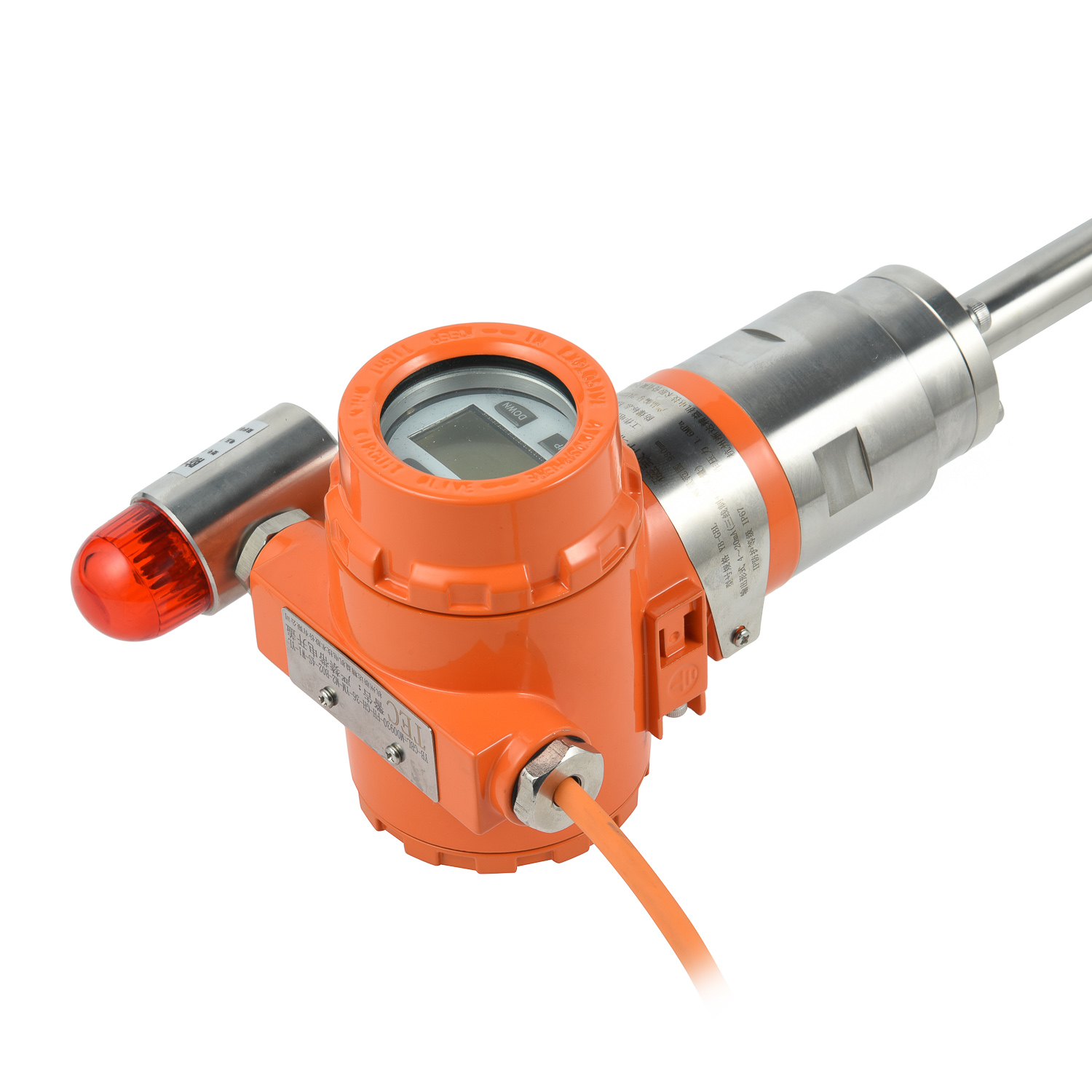 Intrinsically Safe Explosion-p
 Explosion-proof Magnetostricti
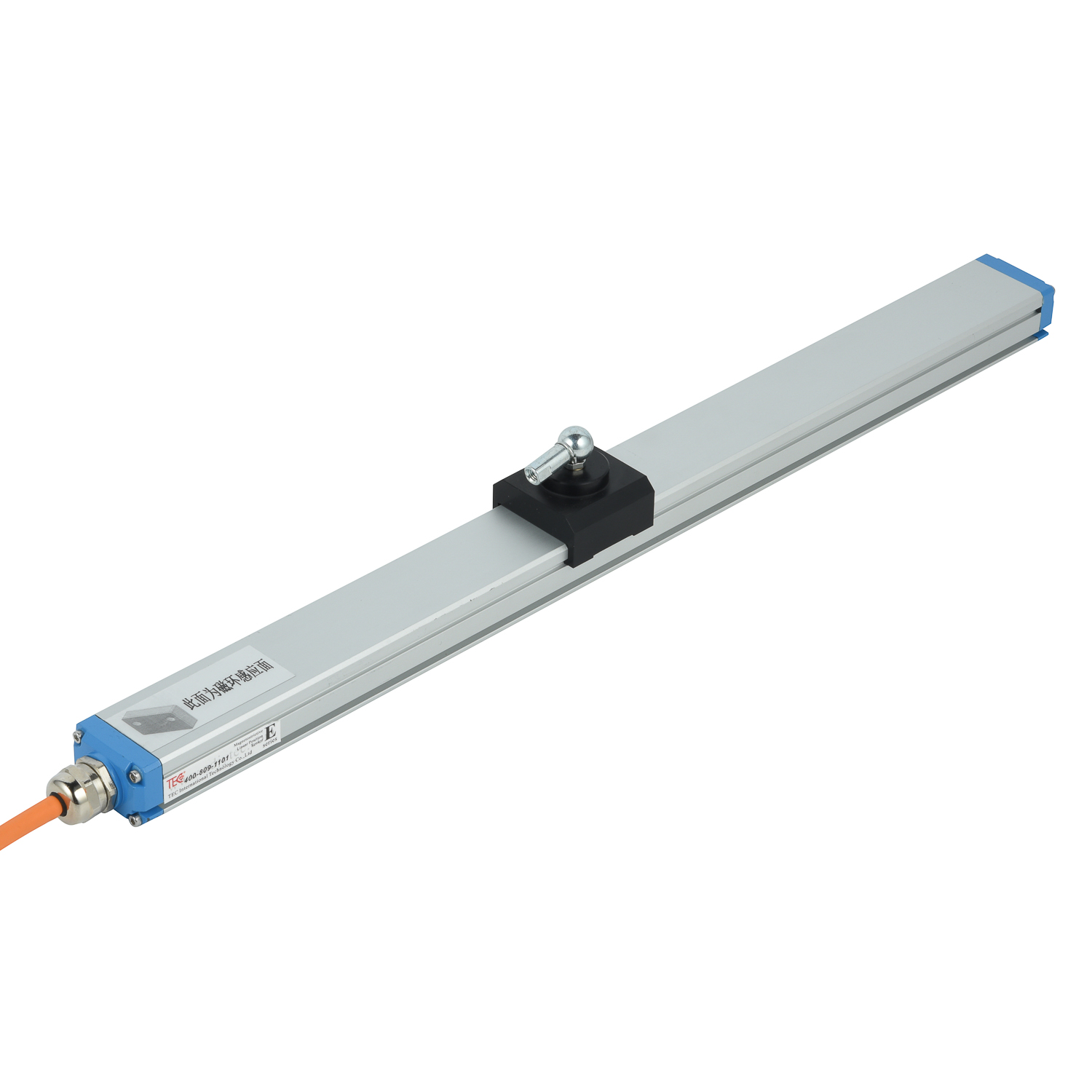 Magnetostrictive Displacement
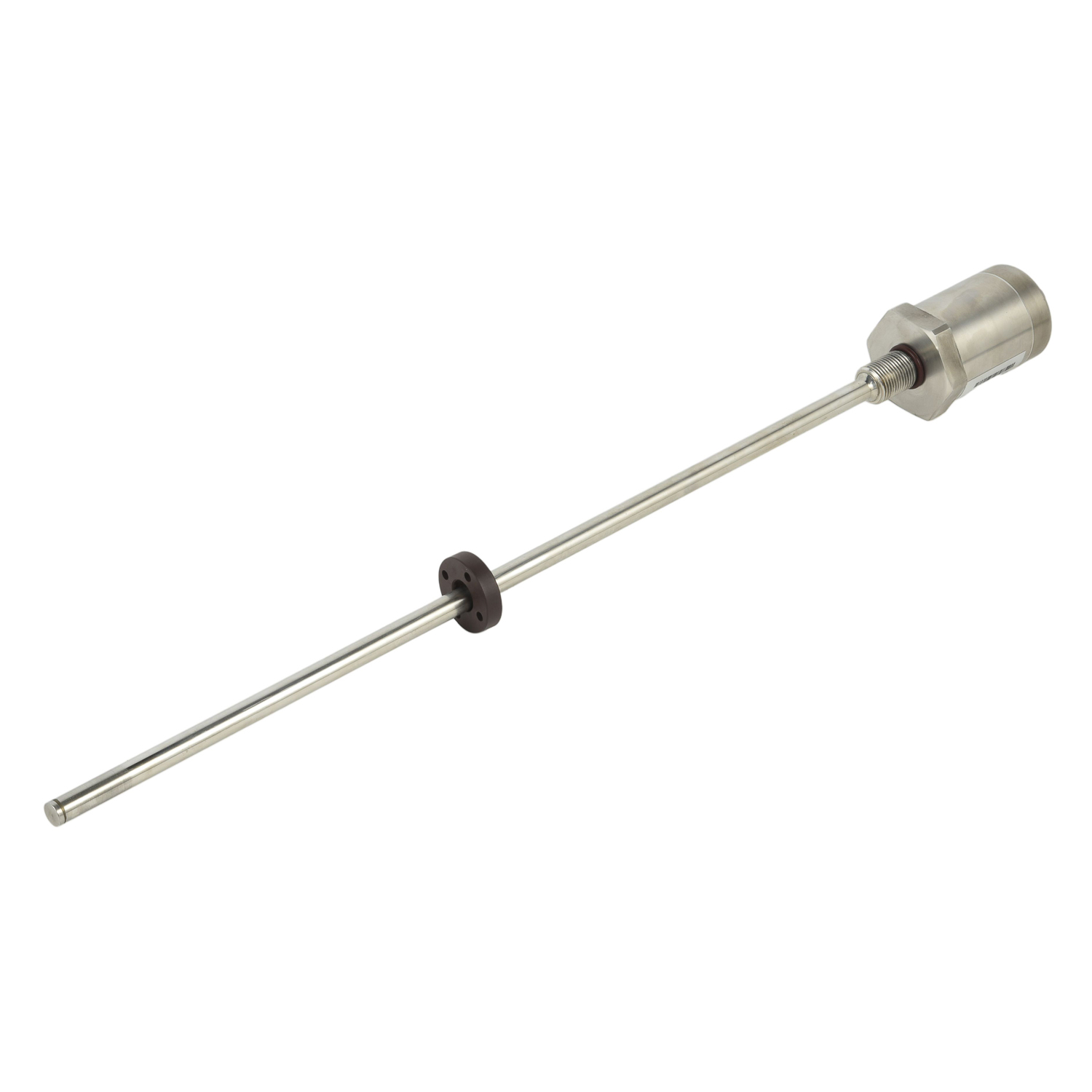 Mining High-temperature Electr