
How strong is the vibration resistance of magnetostrictive displacement sensors?
Introduction to Vibration Resistance in Industrial Sensors
In the demanding world of industrial automation and machinery, vibration is a constant and formidable challenge. Equipment operates under strenuous conditions where continuous shaking and mechanical stress can cripple conventional measurement devices. For position sensing, this reliability is paramount. Magnetostrictive displacement sensors have earned a reputation for their exceptional robustness, with their vibration resistance being a key factor in their widespread adoption across various sectors, from heavy hydraulic presses to precision test stands.
The Non-Contact Principle: A Foundation for Strength
The core technology that grants magnetostrictive sensors their vibration immunity is their non-contact measurement principle. Unlike sensors that rely on physical contact, such as potentiometers or LVDTs with moving cores, the magnetostrictive sensor's sensing element—a waveguide wire—remains static. The position is determined by the interaction between a magnetic field from a moving magnet and a torsional strain wave in the waveguide. This fundamental design means there is no mechanical wear or degradation caused by vibration, ensuring long-term stability and accuracy that contact-based sensors simply cannot match.
Engineering for Harsh Environments: Key Design Features
Manufacturers specifically engineer magnetostrictive sensors to withstand extreme vibrational loads. The waveguide is securely tensioned and damped within a robust housing, typically constructed from stainless steel. This housing protects the internal components from external impacts and high-frequency vibrations. Furthermore, critical electronic components are often protected with shock-absorbing mounts or potting compounds. These design considerations ensure that the sensor maintains its performance characteristics, including linearity and resolution, even when subjected to the significant G-forces commonly found in industrial settings.
Quantifying the Performance: Vibration Testing Standards
The vibration resistance of these sensors is not merely a claim; it is rigorously quantified against international standards such as IEC 60068-2-6. High-performance magnetostrictive sensors can typically withstand vibration levels of 20 G or more over a broad frequency range (e.g., 10 Hz to 2000 Hz). This rating indicates the sensor can endure accelerations 20 times that of gravity without failure or significant deviation in its output signal. This proven resilience makes them suitable for applications on vibrating platforms, rotating machinery, and mobile equipment where reliability is non-negotiable.
Application Advantages in High-Vibration Scenarios
The practical benefits of this strong vibration resistance are immense. In hydraulic cylinder position feedback, for instance, the sensor is immune to the shocks and vibrations inherent in cylinder operation. On injection molding machines or press brakes, they provide precise, drift-free measurement despite the powerful cyclic forces. This reliability translates directly into reduced machine downtime, lower maintenance costs, and improved product quality, as the sensor continues to deliver accurate data where other technologies would falter.
Conclusion: A Robust Solution for Demanding Measurements

In conclusion, the vibration resistance of magnetostrictive displacement sensors is a defining characteristic that sets them apart. Their non-contact operating principle, coupled with rugged mechanical design and proven performance against stringent standards, makes them an exceptionally strong and reliable choice for position measurement in the most challenging environments. When operational integrity is critical, selecting a sensor with demonstrated vibration immunity is not just an option—it is a necessity for ensuring continuous and accurate system performance.
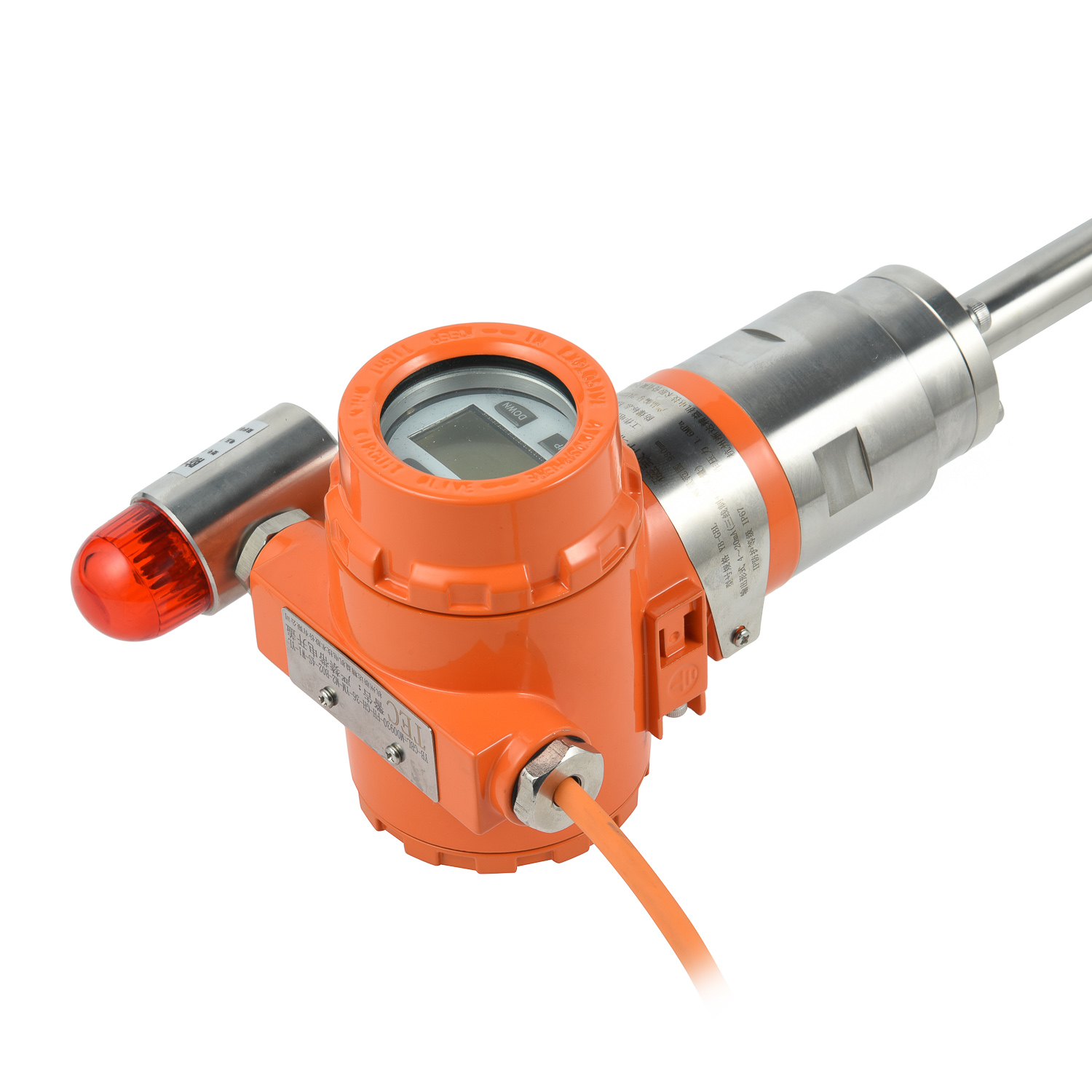 Intrinsically Safe Explosion-p
 Explosion-proof Magnetostricti
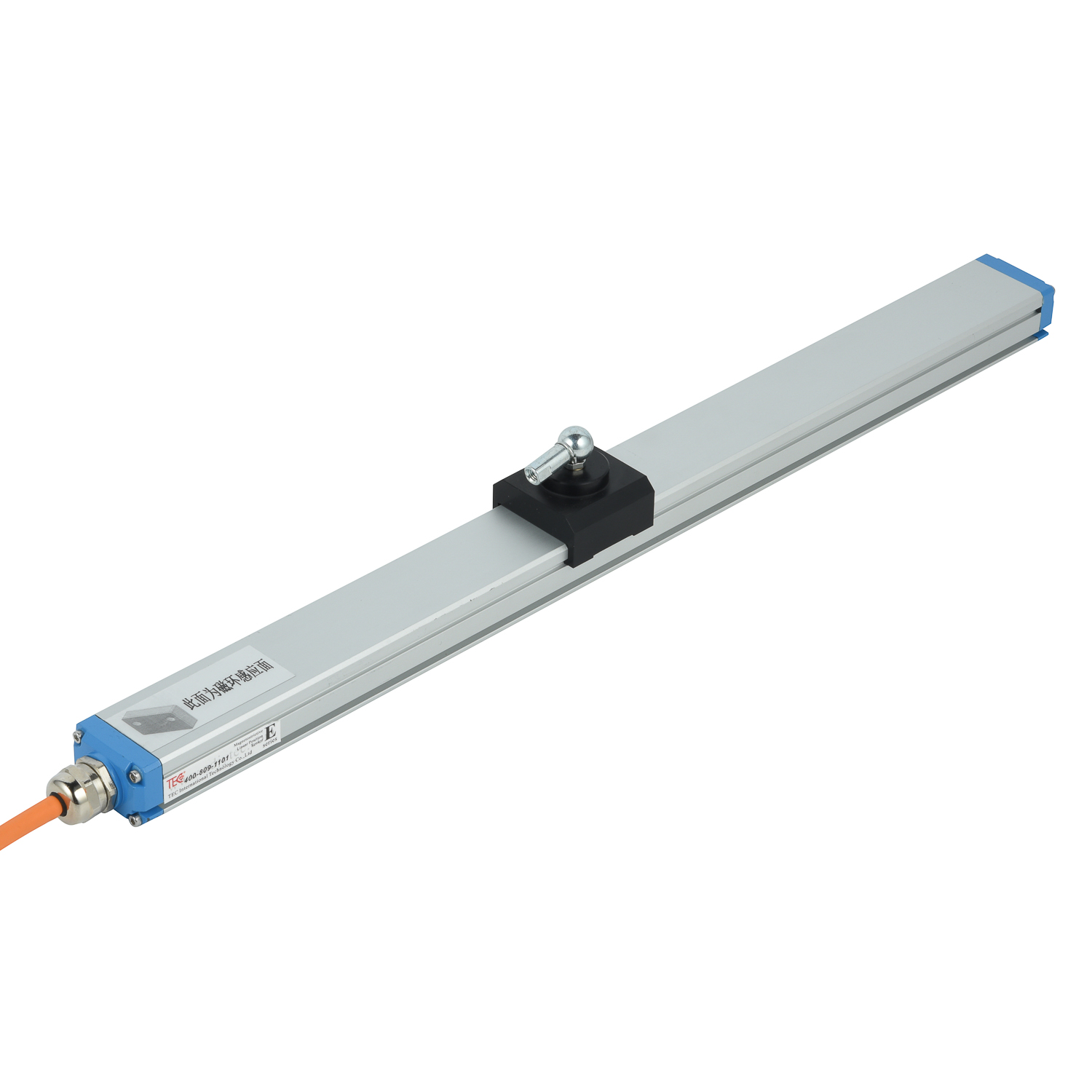 Magnetostrictive Displacement
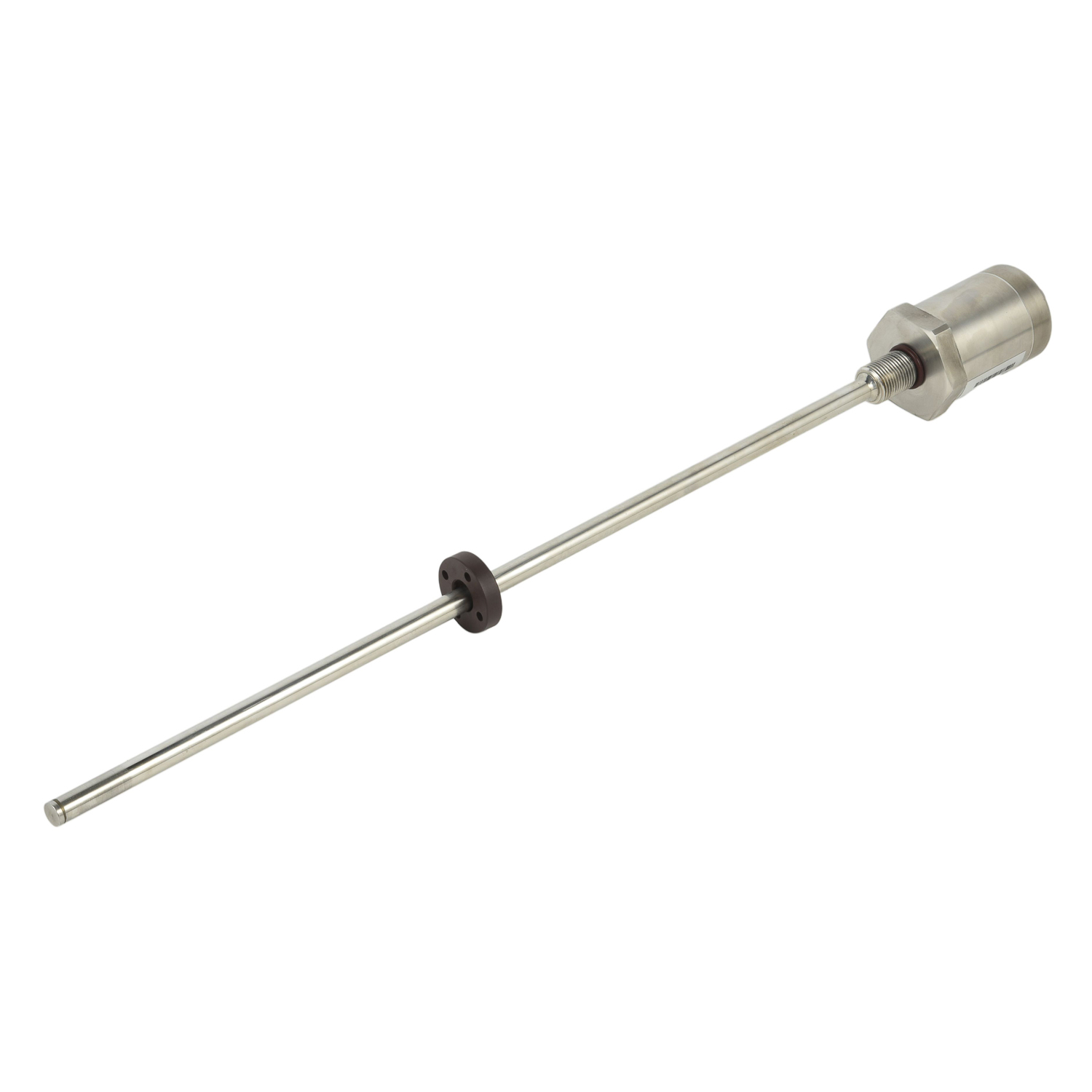 Mining High-temperature Electr