
How to improve robotic arm positioning accuracy with magnetostrictive sensors?
In the world of industrial automation, precision is paramount. The ability of a robotic arm to repeatedly and accurately reach a target position directly impacts product quality, throughput, and operational efficiency. While various technologies exist for providing positional feedback, magnetostrictive sensors have emerged as a superior solution for applications demanding micron-level accuracy. This article delves into the mechanics of these sensors and provides a comprehensive guide on leveraging them to significantly enhance the positioning accuracy of robotic arms.
Understanding Magnetostrictive Sensor Technology
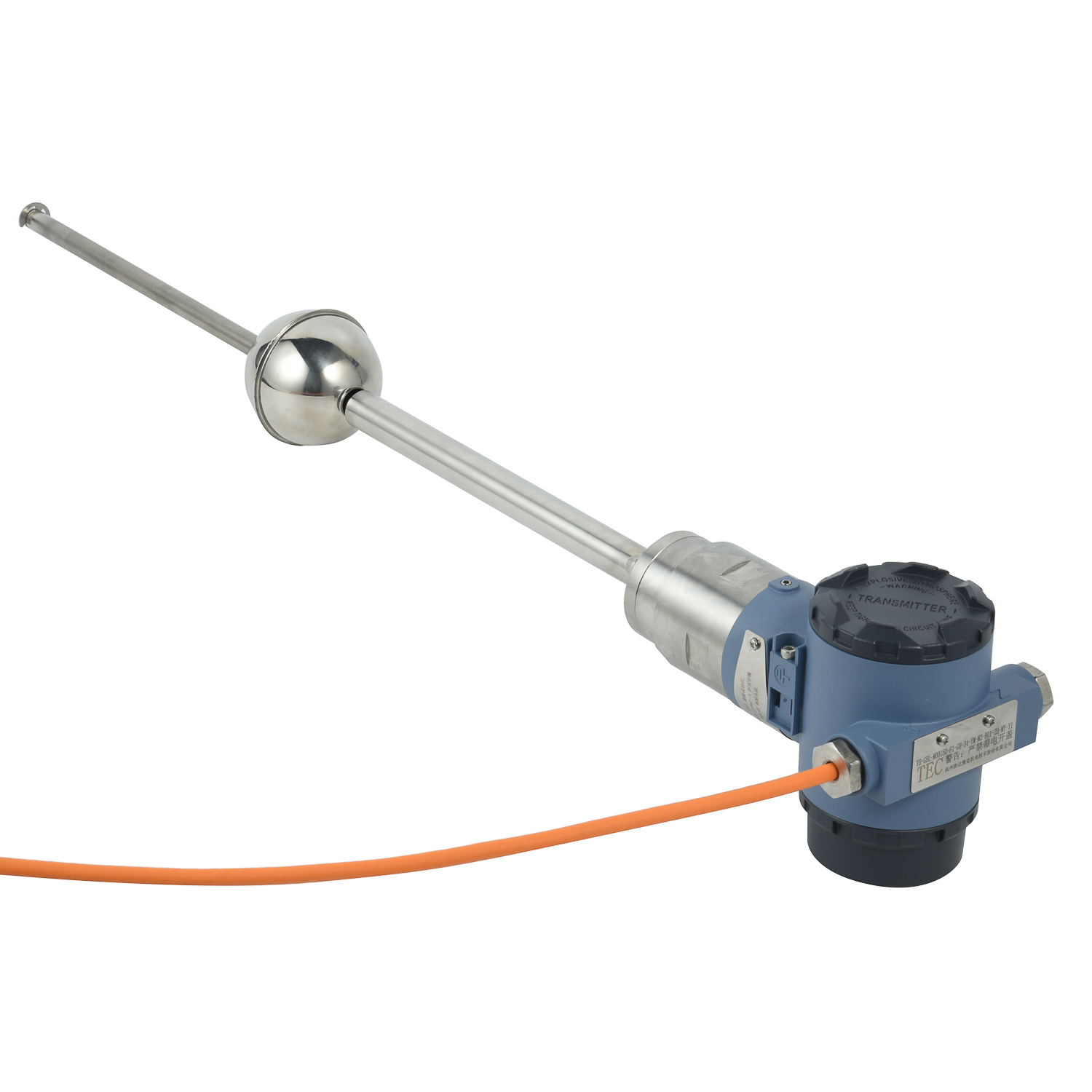
At its core, a magnetostrictive sensor operates on a fascinating physical principle called magnetostriction. This effect causes a ferromagnetic material to change shape minutely when exposed to a magnetic field. In a typical magnetostrictive linear position sensor, a waveguide is housed within a protective tube. A current pulse, known as the interrogation pulse, is sent down this waveguide. A permanent magnet is positioned on the outside of the tube, connected to the moving part of the robotic arm, such as its actuator. When the current pulse passes the magnet's location, the interaction of the two magnetic fields creates a torsional strain wave that travels back along the waveguide at a constant speed. An electronic pickup measures the precise time interval between the initiation of the current pulse and the arrival of the strain wave. Since the speed of sound in the waveguide is known, the position of the magnet can be calculated with extreme accuracy. This non-contact measurement method is key to its high reliability and long life.
Key Advantages for Robotic Precision
The unique operating principle of magnetostrictive sensors confers several critical advantages for robotic arm applications. First and foremost is their exceptional accuracy and resolution, capable of detecting movements as small as a few micrometers. This is essential for tasks like precision assembly, micro-welding, or sample handling. Secondly, they offer absolute position measurement. Unlike incremental encoders that can lose position after a power cycle, magnetostrictive sensors know the exact position immediately upon startup, eliminating the need for a homing routine and reducing downtime. Their non-contact nature ensures there is no mechanical wear between the sensing element and the magnet, leading to exceptional long-term reliability and minimal maintenance. Furthermore, they are inherently robust, often featuring high IP ratings that make them resistant to dust, moisture, and vibrations commonly found in industrial environments.
System Integration and Installation Best Practices
Successfully integrating a magnetostrictive sensor into a robotic arm system requires careful planning. The sensor is typically mounted parallel to the axis of movement you wish to measure, such as a linear actuator. The position magnet is attached to the moving part of the arm. It is crucial to ensure proper alignment and a consistent, small air gap between the magnet and the sensor body as specified by the manufacturer. Electrically, the sensor connects to the robot's programmable logic controller (PLC) or motion controller via an analog or digital interface, such as SSI or IO-Link. The choice of interface affects the update rate and resolution of the data. Proper shielding of the sensor cable is essential to protect the low-voltage signals from electromagnetic interference generated by motor drives and other industrial equipment, which could otherwise degrade signal integrity and accuracy.
Calibration and Compensation Techniques
Even the most accurate sensor requires proper calibration to achieve optimal performance. After installation, the robotic system must be taught the relationship between the sensor's raw output and the actual physical position of the arm. This often involves moving the arm to a series of known reference points and recording the sensor values to create a lookup table or a correction algorithm. Additionally, environmental factors can influence accuracy. Temperature fluctuations can cause thermal expansion in both the robotic arm structure and the sensor itself. High-end magnetostrictive sensors often include integrated temperature sensors to provide data for software compensation, automatically adjusting the position reading to account for thermal effects and maintaining accuracy across a wide operating range.
Real-World Applications and Performance Analysis
The implementation of magnetostrictive sensors has revolutionized precision in numerous fields. In automated welding robots, they ensure the torch follows the exact seam path with unwavering consistency. In pick-and-place systems for electronics manufacturing, they guarantee delicate components are positioned correctly on circuit boards. In precision machining cells, they provide the closed-loop feedback necessary for high-tolerance milling and cutting. To analyze performance, engineers monitor metrics like repeatability (the ability to return to the same point) and positioning error (the deviation from the commanded position). By using magnetostrictive sensors, manufacturers consistently report significant improvements in these metrics, leading to reduced scrap rates, higher product quality, and increased overall equipment effectiveness (OEE).
Overcoming Common Challenges
While highly reliable, users should be aware of potential challenges. Strong external magnetic fields from nearby motors or transformers can interfere with the sensor's operation. Mitigation strategies include maintaining adequate distance, using magnetic shielding, or selecting sensors with differential measurement techniques that reject common-mode noise. Mechanical installation errors, such as misalignment or a excessive gap to the magnet, are another common source of error. Following the manufacturer's installation guidelines meticulously is the best prevention. Finally, selecting a sensor with an appropriate stroke length, accuracy grade, and environmental rating for the specific application is critical to avoid performance issues.
In conclusion, magnetostrictive sensors represent a powerful tool for engineers seeking to push the boundaries of robotic arm accuracy. Their principle of non-contact, absolute position measurement delivers the reliability and precision necessary for the most demanding automated tasks. Through thoughtful integration, careful calibration, and an understanding of their operational characteristics, these sensors can dramatically improve the performance, quality, and efficiency of robotic systems across countless industries.
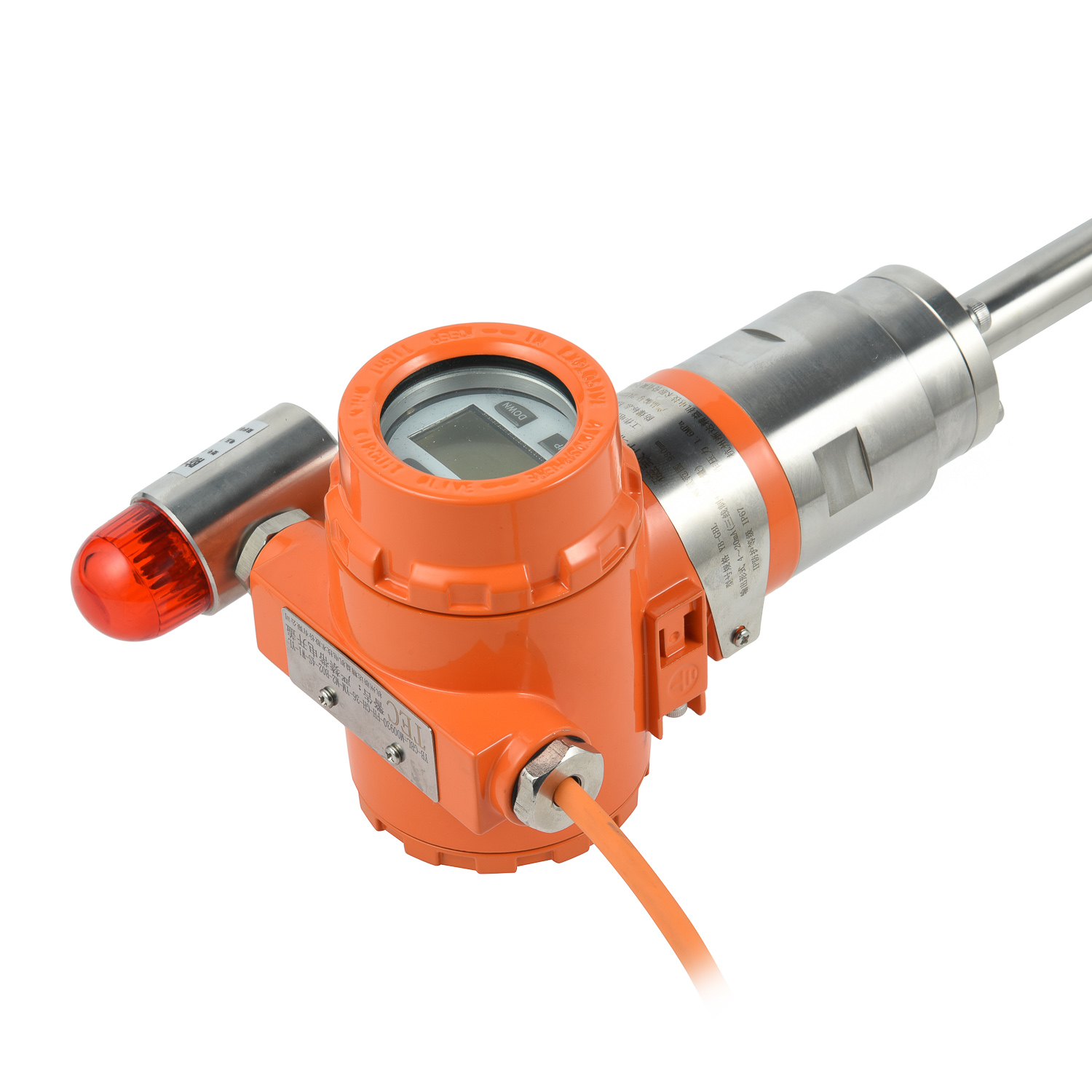 Intrinsically Safe Explosion-p
 Explosion-proof Magnetostricti
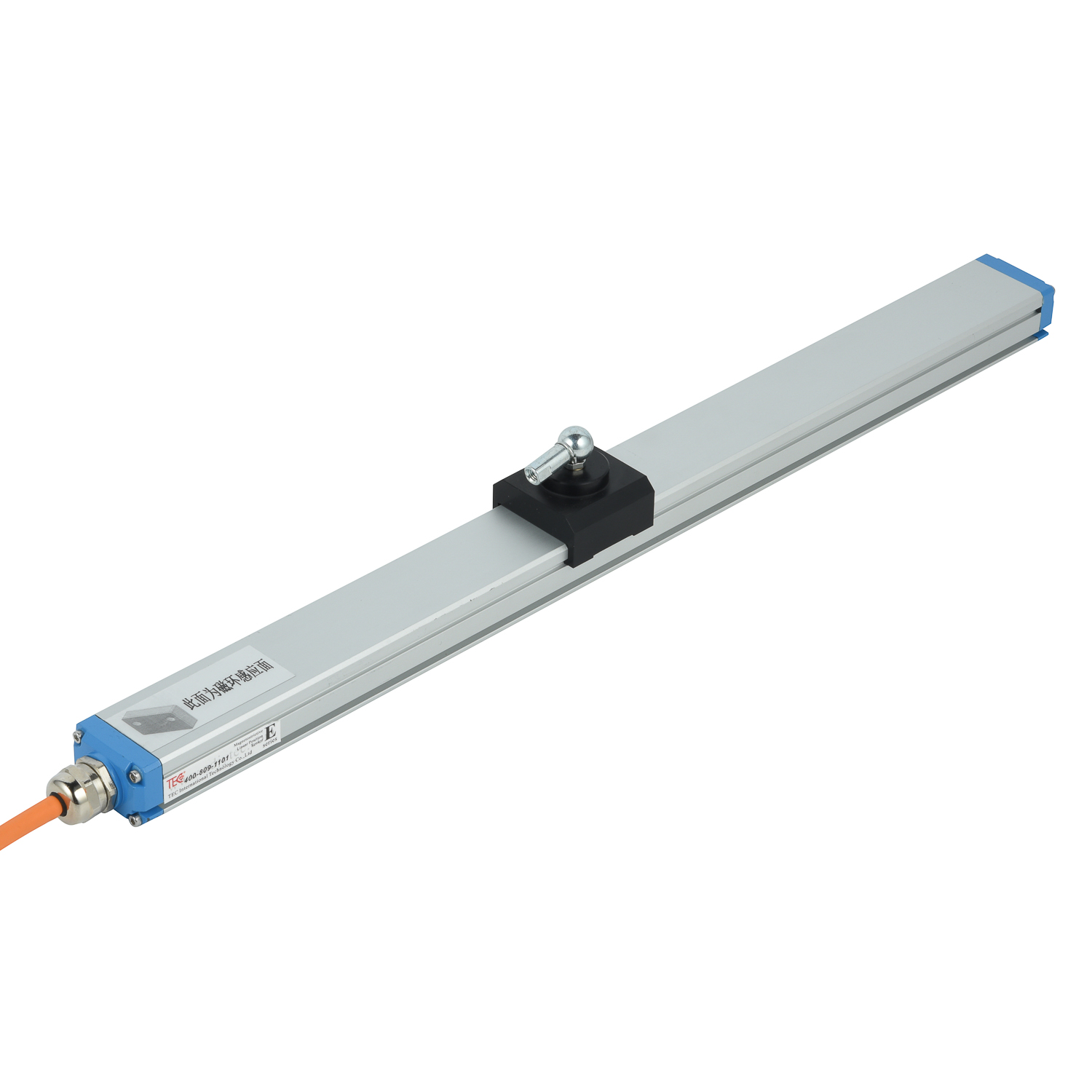 Magnetostrictive Displacement
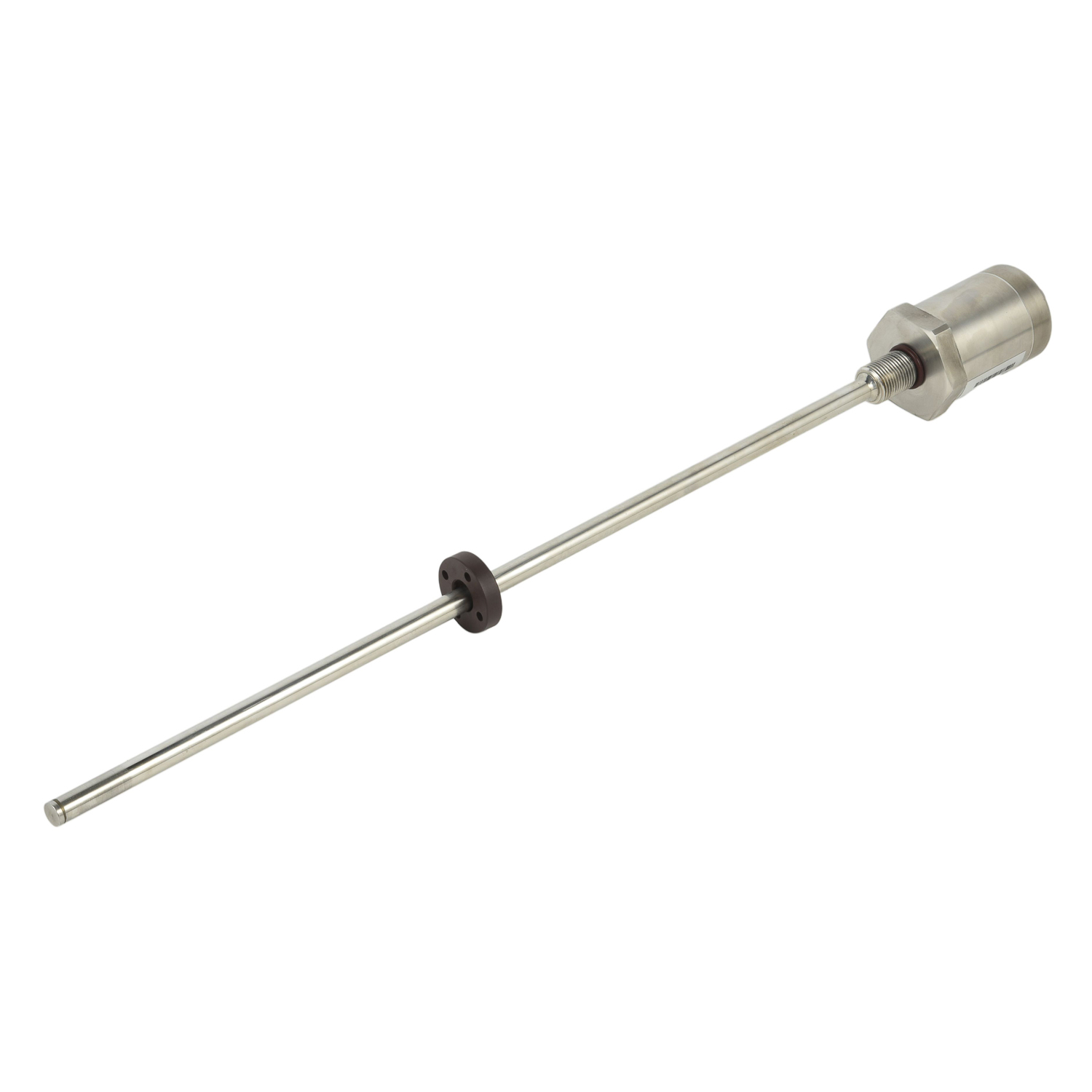 Mining High-temperature Electr