
How does the self-diagnostic function of magnetostrictive sensors work?
Introduction to Sensor Reliability
In the demanding world of industrial automation, the reliability of every component is paramount. Magnetostrictive sensors are widely valued for their high precision in measuring linear position, but their true strength lies in their advanced self-diagnostic capabilities. This built-in intelligence allows these sensors to monitor their own health, providing critical warnings before a failure can lead to costly downtime or compromised product quality. Understanding how this function operates is key to appreciating the robustness of modern sensor technology.
The Core Principle of Magnetostriction
To grasp the self-diagnostic feature, one must first understand the fundamental working principle of a magnetostrictive sensor. The core of the sensor is a magnetostrictive waveguide, typically a thin wire made of a special alloy. The process begins when a current pulse, known as the interrogation pulse, is sent down this waveguide. This pulse generates a circular magnetic field along the entire length of the wire. A permanent magnet is housed within the sensor's moving position magnet. The interaction between the two magnetic fields creates a torsional strain wave, or a "twist," in the waveguide. This wave travels back to the sensor's electronics at the speed of sound. By precisely measuring the time interval between sending the current pulse and receiving the strain wave, the sensor can accurately determine the position of the magnet.
Implementing Internal Self-Checks
The self-diagnostic function cleverly piggybacks on this standard measurement cycle. The sensor's onboard microprocessor continuously monitors key electrical parameters during each pulse. It checks the integrity of the interrogation pulse itself, ensuring its strength and shape are within specified tolerances. It also monitors the characteristics of the returning strain wave signal. If the signal is abnormally weak, distorted, or absent, it indicates a potential problem. Furthermore, the electronics perform internal checks on component voltages, temperature stability, and signal processing logic. This constant internal audit happens thousands of times per second, completely transparent to the main measurement task.
Interpreting Diagnostic Outputs
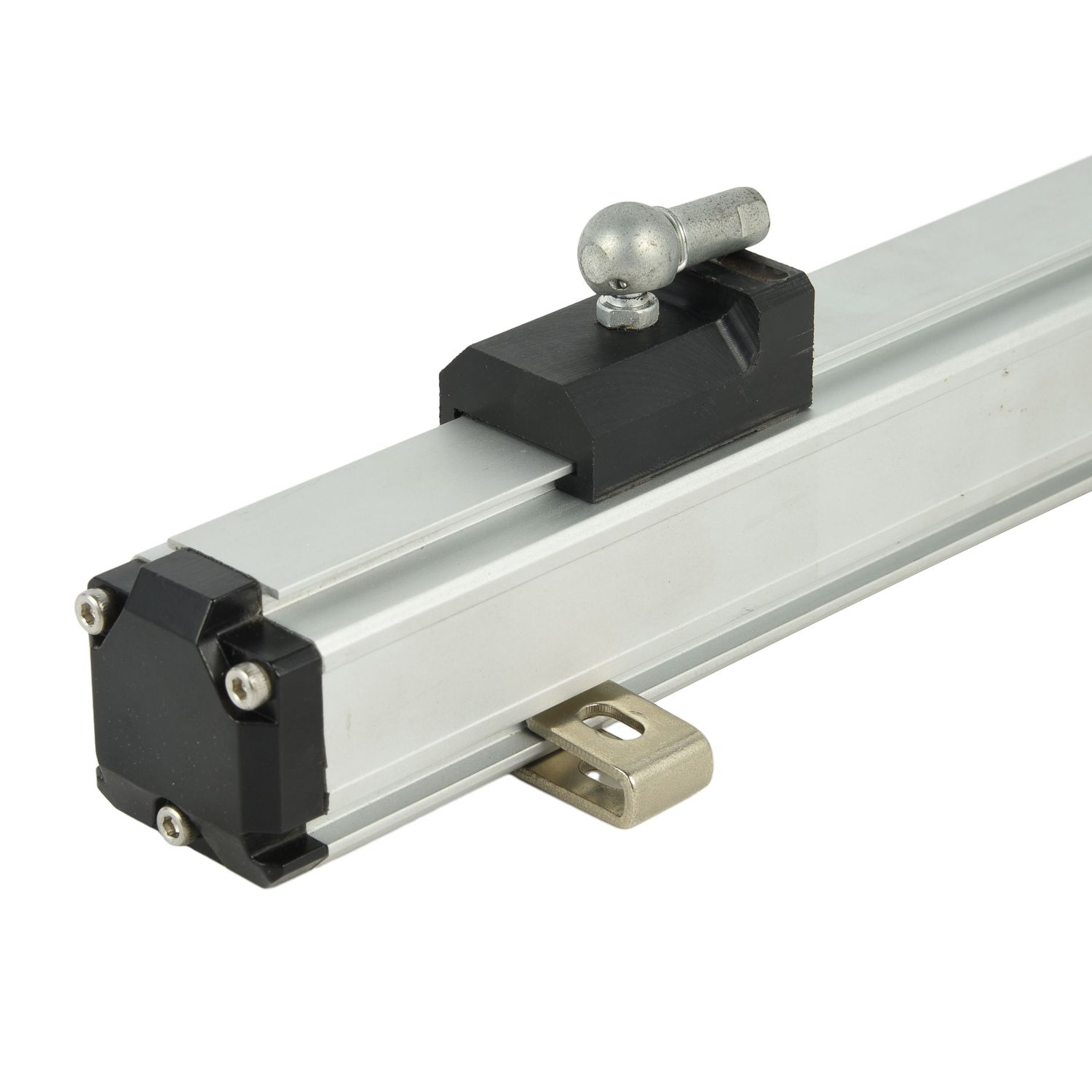
When the sensor's self-check identifies an anomaly, it doesn't just fail silently. It communicates the issue through predefined outputs. Most modern magnetostrictive sensors feature a programmable dual-state output. Under normal operating conditions, the sensor provides a continuous analog signal (e.g., 4-20 mA or 0-10 V) representing the measured position. However, if a fault is detected, the sensor can be configured to drive this signal to a specific value outside the normal range, such as a current below 3.6 mA or above 21 mA. This clearly signals a diagnostic fault to the Programmable Logic Controller (PLC). Many sensors also provide discrete fault outputs and detailed error codes via digital interfaces like IO-Link, giving maintenance personnel precise information about the nature of the problem.
Benefits for System Maintenance
The advantages of an integrated self-diagnostic function are profound for predictive maintenance strategies. Instead of waiting for a sensor to fail catastrophically and halt a production line, maintenance can be scheduled proactively. A diagnostic warning about a weakening signal might indicate a failing electronic component or an issue with the waveguide, allowing for replacement during a planned shutdown. This shift from reactive to predictive maintenance drastically reduces unplanned downtime, increases overall equipment effectiveness (OEE), and extends the operational life of machinery. It provides a critical layer of assurance in applications where sensor failure could lead to safety risks or significant financial loss.
Conclusion: Ensuring Operational Integrity
In conclusion, the self-diagnostic function of a magnetostrictive sensor is a sophisticated, continuous process that verifies the sensor's own operational integrity. By leveraging the same physical principle used for measurement, the system monitors electrical and signal health, providing immediate feedback when parameters deviate from the norm. This capability transforms the sensor from a simple measurement device into an intelligent component that actively contributes to system reliability and efficient maintenance planning, solidifying its role as a cornerstone of modern industrial automation.
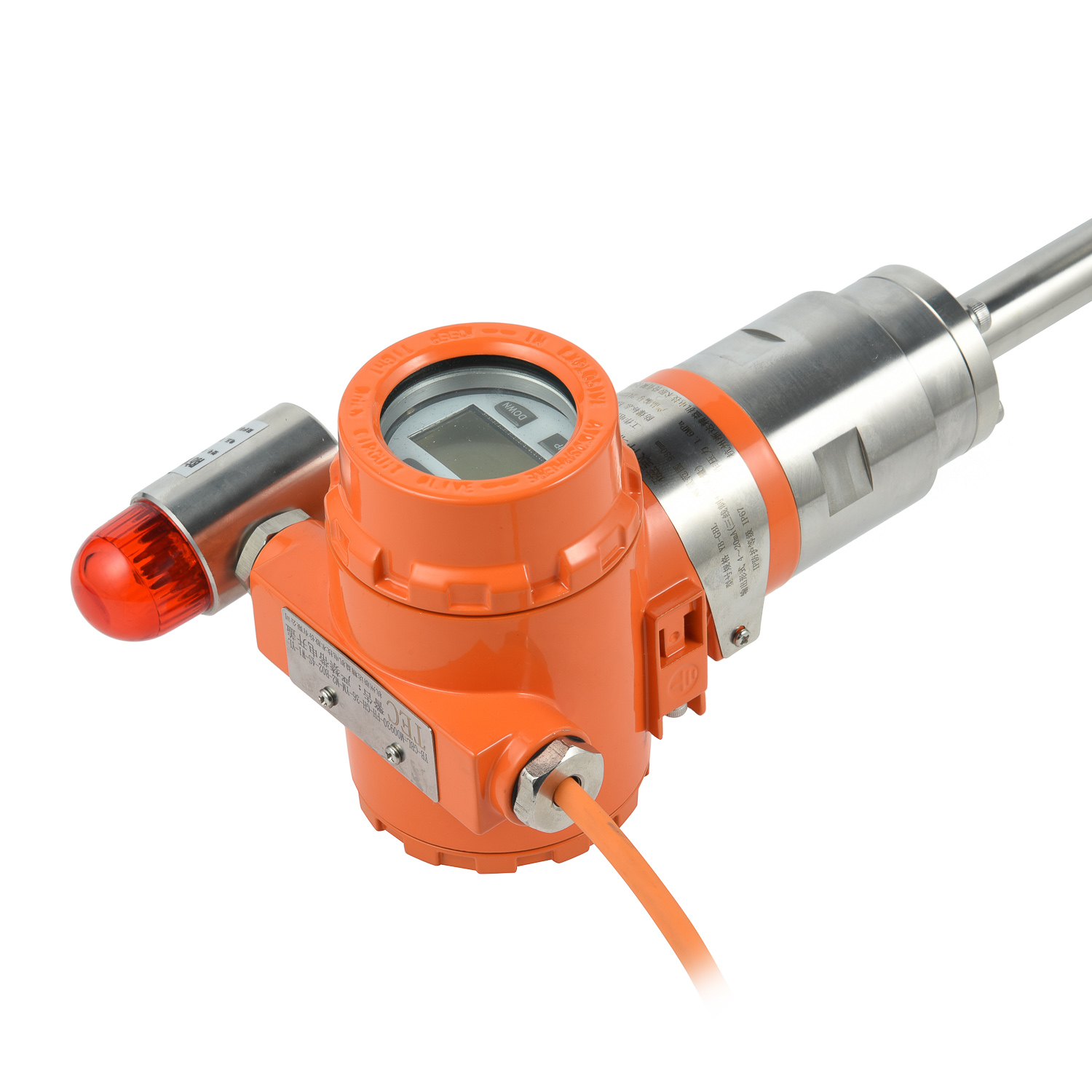 Intrinsically Safe Explosion-p
 Explosion-proof Magnetostricti
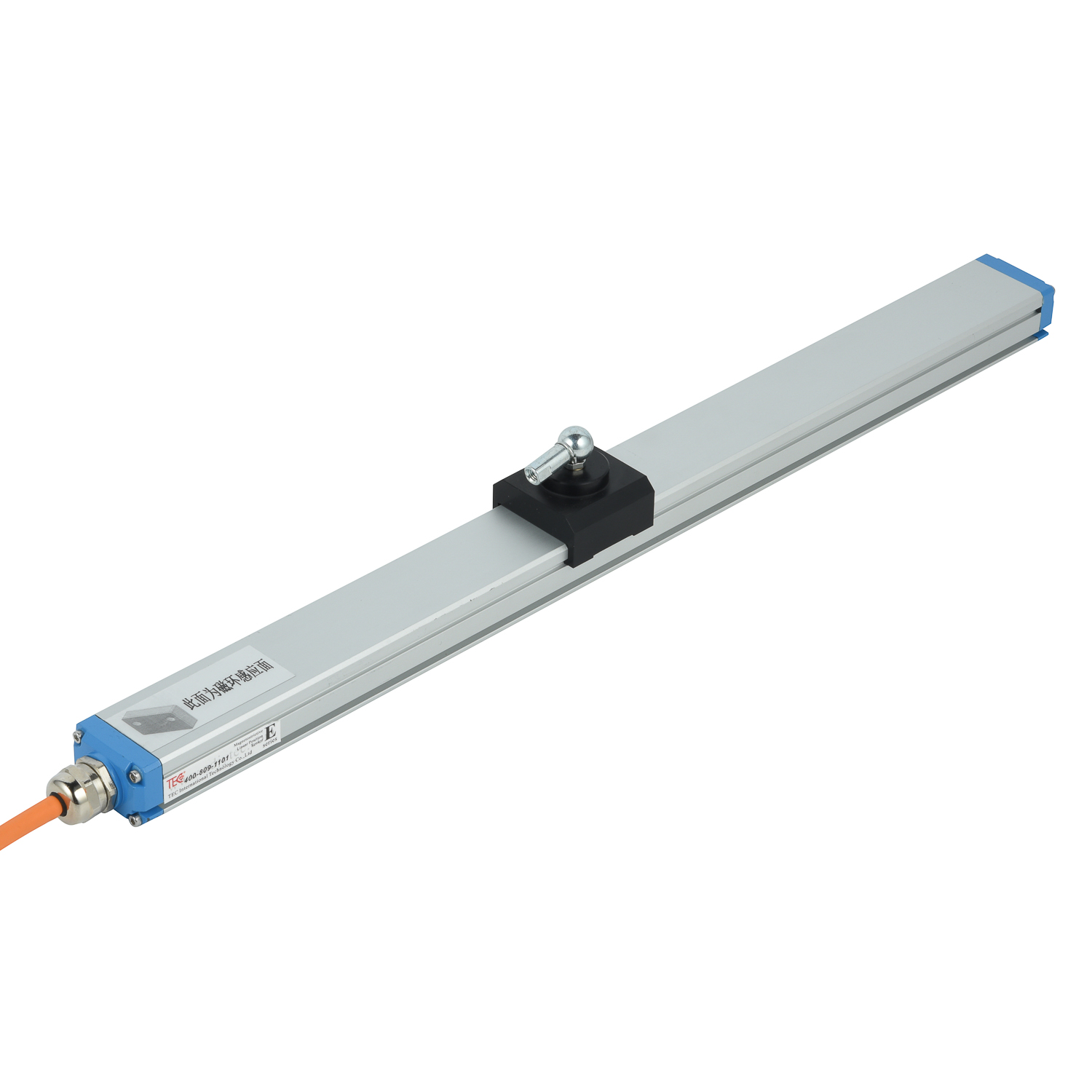 Magnetostrictive Displacement
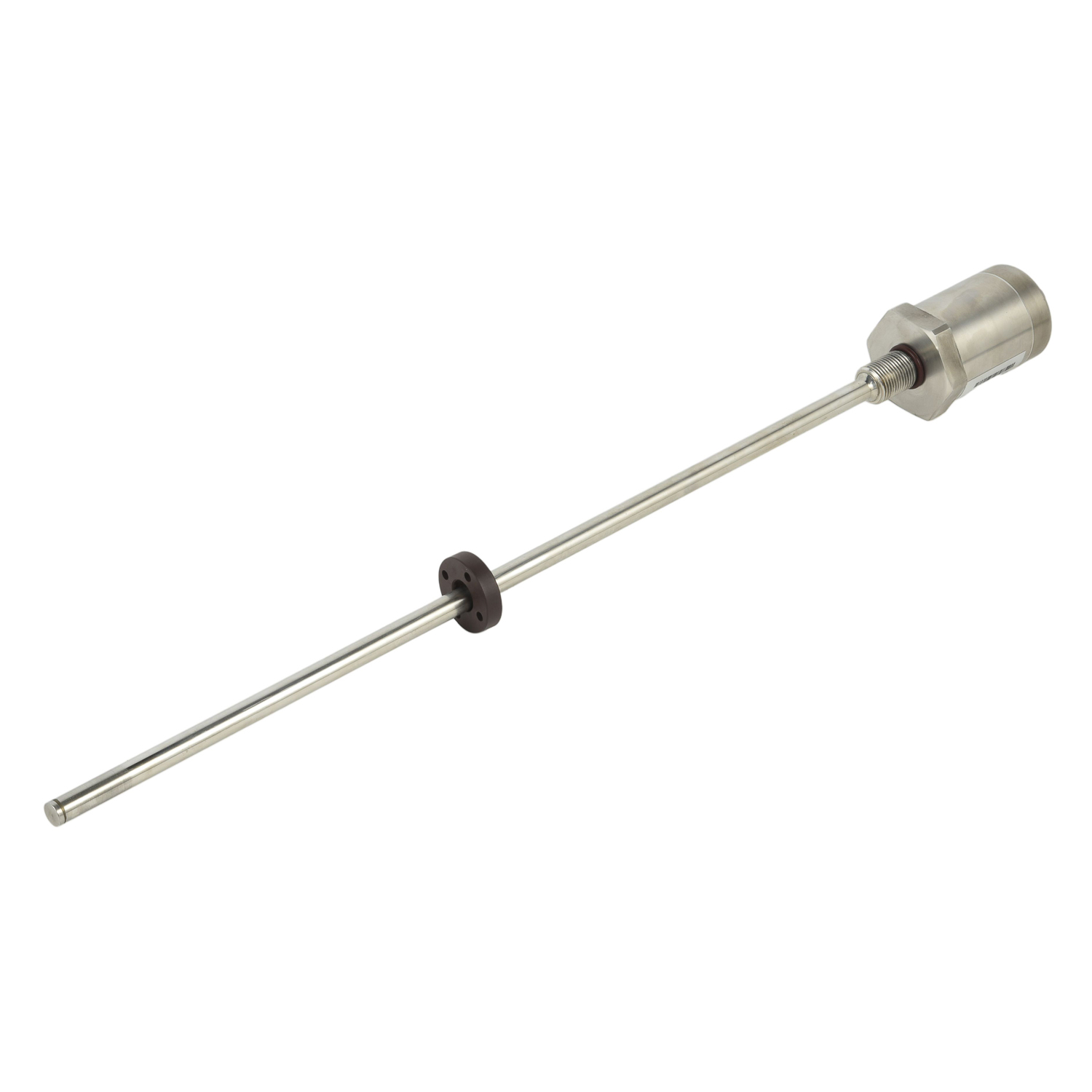 Mining High-temperature Electr