
Why are magnetostrictive sensors better suited for hazardous environments?
In the demanding world of industrial automation and process control, selecting the right sensor technology is not merely a matter of performance but often a critical safety decision. Hazardous environments, characterized by the presence of flammable gases, combustible dust, or extreme conditions, require sensors that are inherently reliable and safe. Among the various options, magnetostrictive sensors have emerged as a superior choice, offering a unique combination of precision, robustness, and intrinsic safety that makes them ideally suited for these challenging applications.
The Fundamental Principle of Non-Contact Sensing
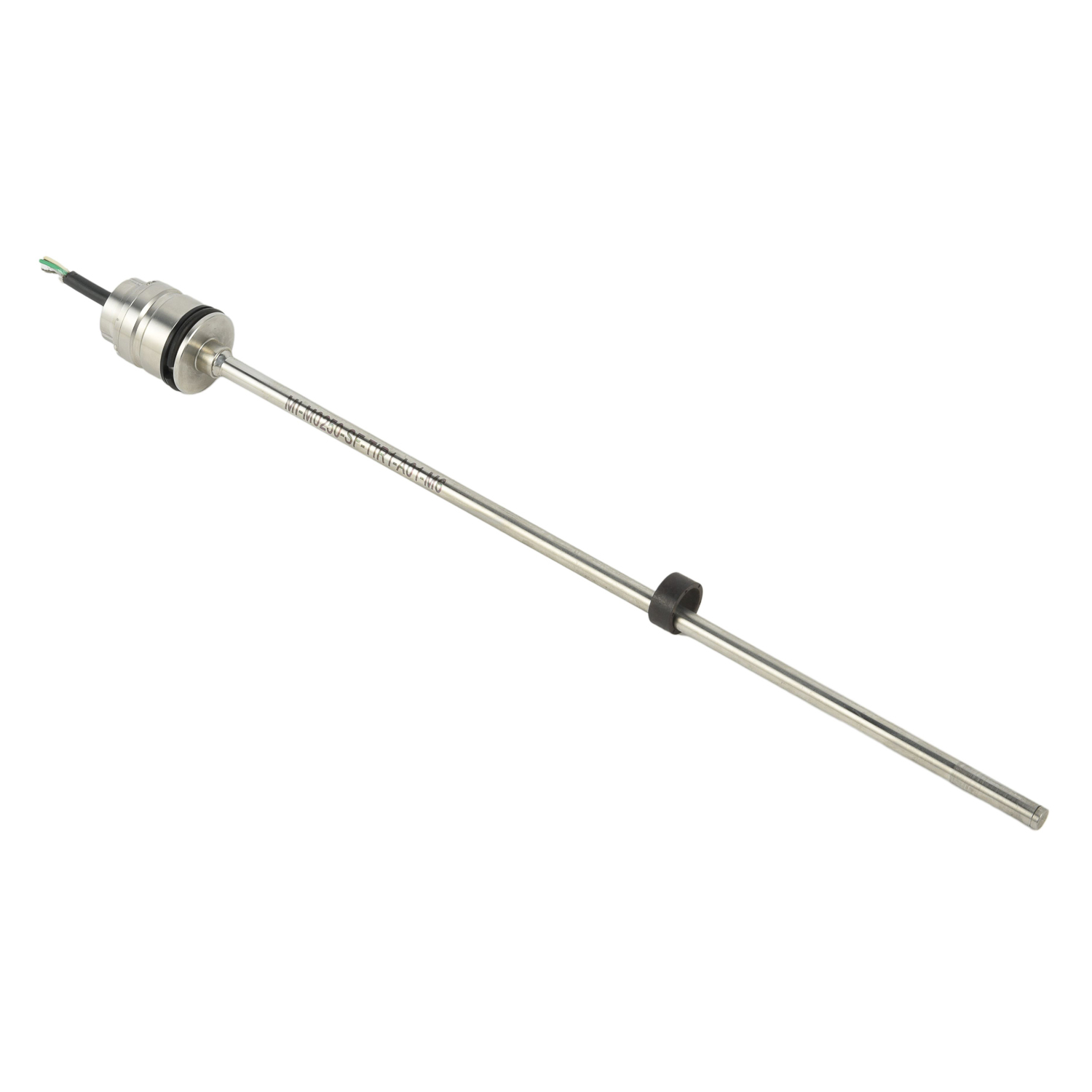
At the heart of a magnetostrictive sensor's advantage is its non-contact measurement principle. The sensor works by generating a torsional strain wave in a specially designed waveguide wire when an electrical current pulse interacts with the magnetic field of a permanent magnet (called the position magnet). The time delay between the pulse initiation and the return wave is precisely measured to determine the magnet's position. Since the position magnet is physically separate from the sensor electronics, there is no mechanical wear and tear. This non-contact nature is crucial for hazardous areas, as it eliminates a potential source of friction or sparking that could ignite a surrounding atmosphere, providing a foundational level of safety.
Intrinsic Safety by Design
Perhaps the most significant benefit of magnetostrictive sensors in hazardous locations is their ability to be designed for intrinsic safety (IS). Intrinsic safety is a protection technique that limits the electrical and thermal energy available in the sensor circuit to a level below what is required to ignite a specific hazardous atmospheric mixture. Magnetostrictive sensors can operate effectively with very low energy levels. The interrogation pulse is short and of low power, ensuring that even in a fault condition, the energy released is insufficient to cause an ignition. This IS design eliminates the need for bulky and expensive explosion-proof enclosures, simplifying installation and maintenance while providing the highest level of safety assurance in Class I, Division 1 areas where flammable gases or vapors may be present under normal operating conditions.
Exceptional Durability and Resistance to Harsh Conditions
Hazardous environments are often synonymous with harsh conditions beyond just explosive atmospheres. These areas may involve extreme temperatures, high pressures, corrosive chemicals, and significant vibration. Magnetostrictive sensors are typically housed in robust, hermetically sealed stainless steel enclosures that protect the internal components from moisture, dust, and corrosive agents. The sensing element itself is not susceptible to degradation from media compatibility issues, as it is isolated within the housing. This rugged construction ensures long-term reliability and accurate performance in applications ranging from high-pressure hydraulic systems in manufacturing to chemical level monitoring in processing plants, where failure is not an option.
Uncompromised Precision and Reliability
Safety must not come at the expense of performance. Magnetostrictive sensors provide highly accurate and repeatable position or level measurements, which is vital for precise process control and safety interlocks in hazardous environments. Their reliability is exceptional due to the absence of moving parts that can wear out. Unlike potentiometric or other mechanical sensors, magnetostrictive technology is immune to the effects of shock and vibration, which are common in industrial settings. This consistent and dependable performance ensures that processes remain within safe operating parameters, preventing accidents and costly downtime, making them a trustworthy solution for critical monitoring tasks.
Conclusion: The Clear Choice for Critical Applications
When operational integrity and personnel safety are paramount in hazardous environments, magnetostrictive sensors present a compelling solution. Their non-contact operation, capability for intrinsic safety certification, rugged durability, and high precision make them a technologically superior choice over other sensing methods. By fundamentally designing out risks like sparking and friction, they offer a proactive approach to safety without compromising on the accuracy needed for modern industrial automation. For industries such as oil and gas, chemical processing, and pharmaceuticals, investing in magnetostrictive sensor technology is an investment in both safety and operational excellence.
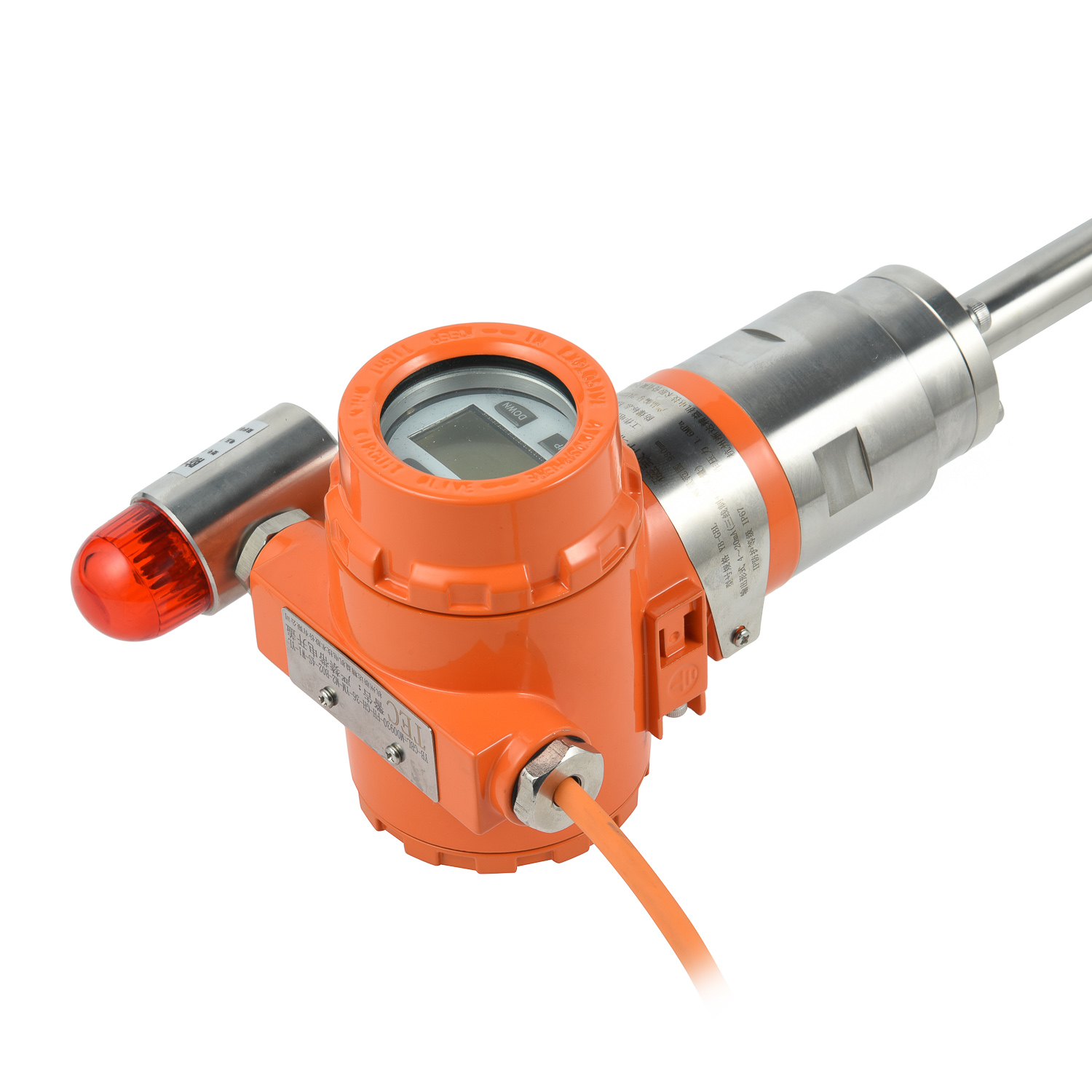 Intrinsically Safe Explosion-p
 Explosion-proof Magnetostricti
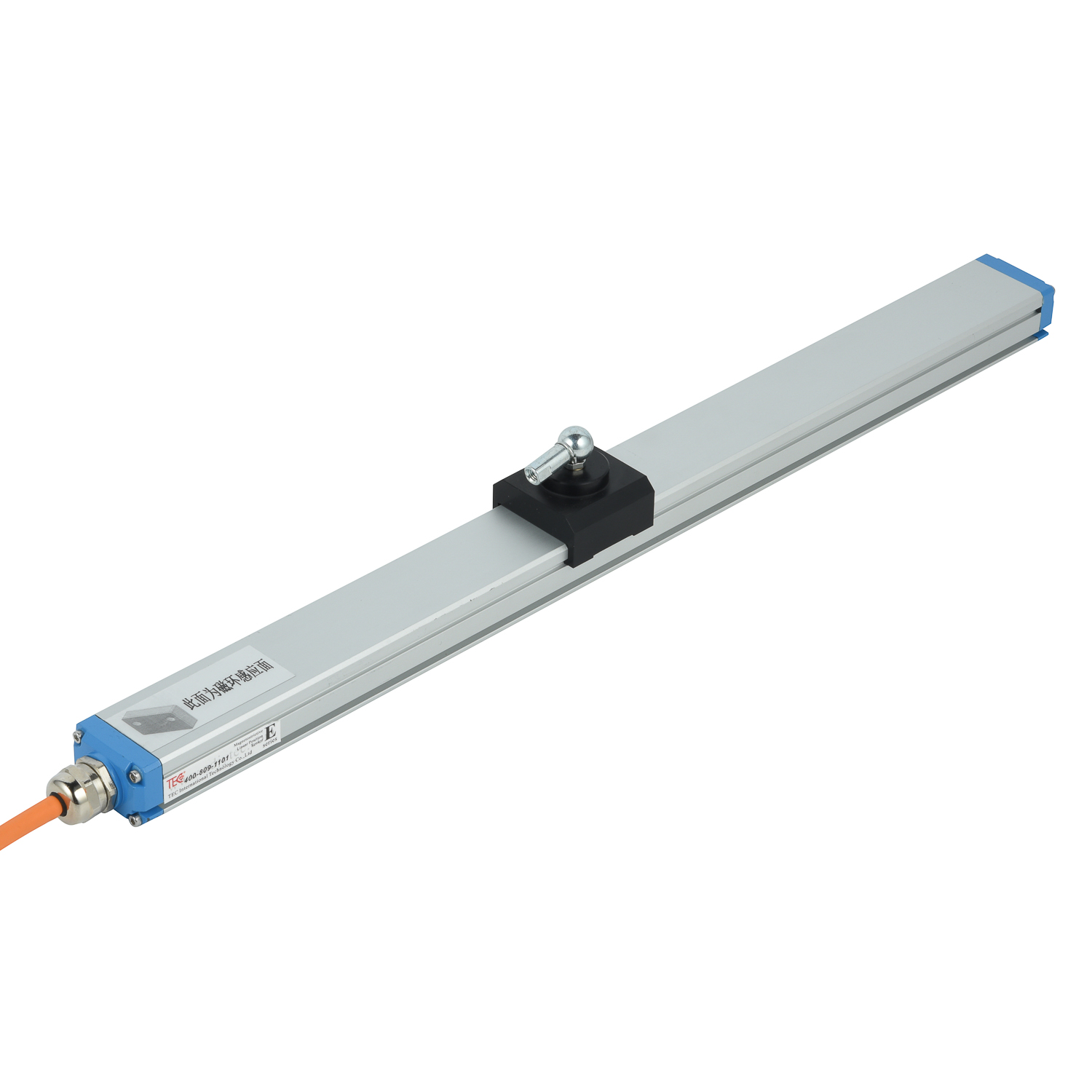 Magnetostrictive Displacement
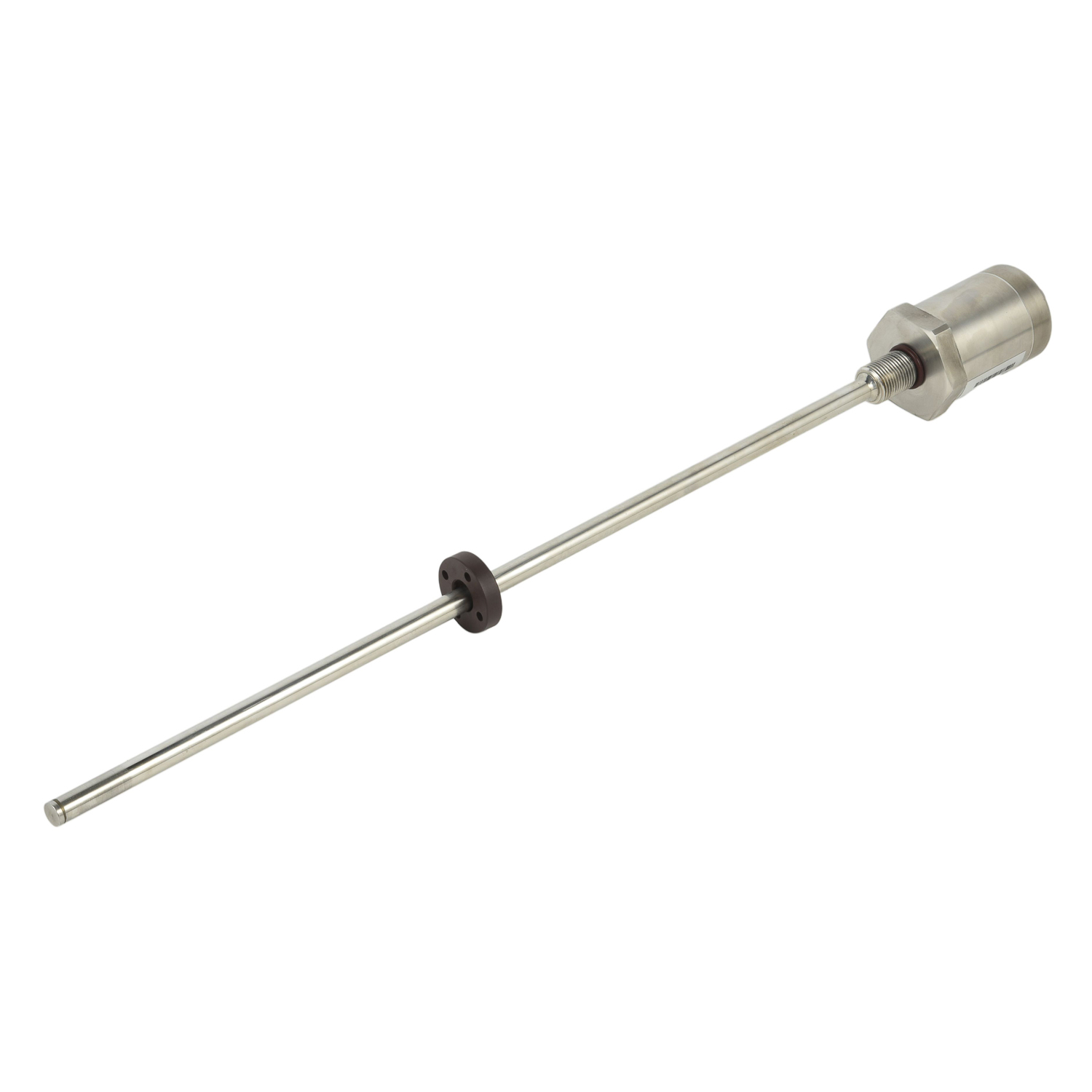 Mining High-temperature Electr