
How do magnetostrictive sensors enable multi-parameter synchronous measurement?
In the realm of advanced sensing technology, the ability to capture multiple physical parameters simultaneously is a significant advantage. Magnetostrictive sensors, known for their precision and robustness, have emerged as a powerful solution for such multi-parameter synchronous measurement. This capability is revolutionizing applications from industrial automation to structural health monitoring by providing a comprehensive data picture from a single point of measurement.
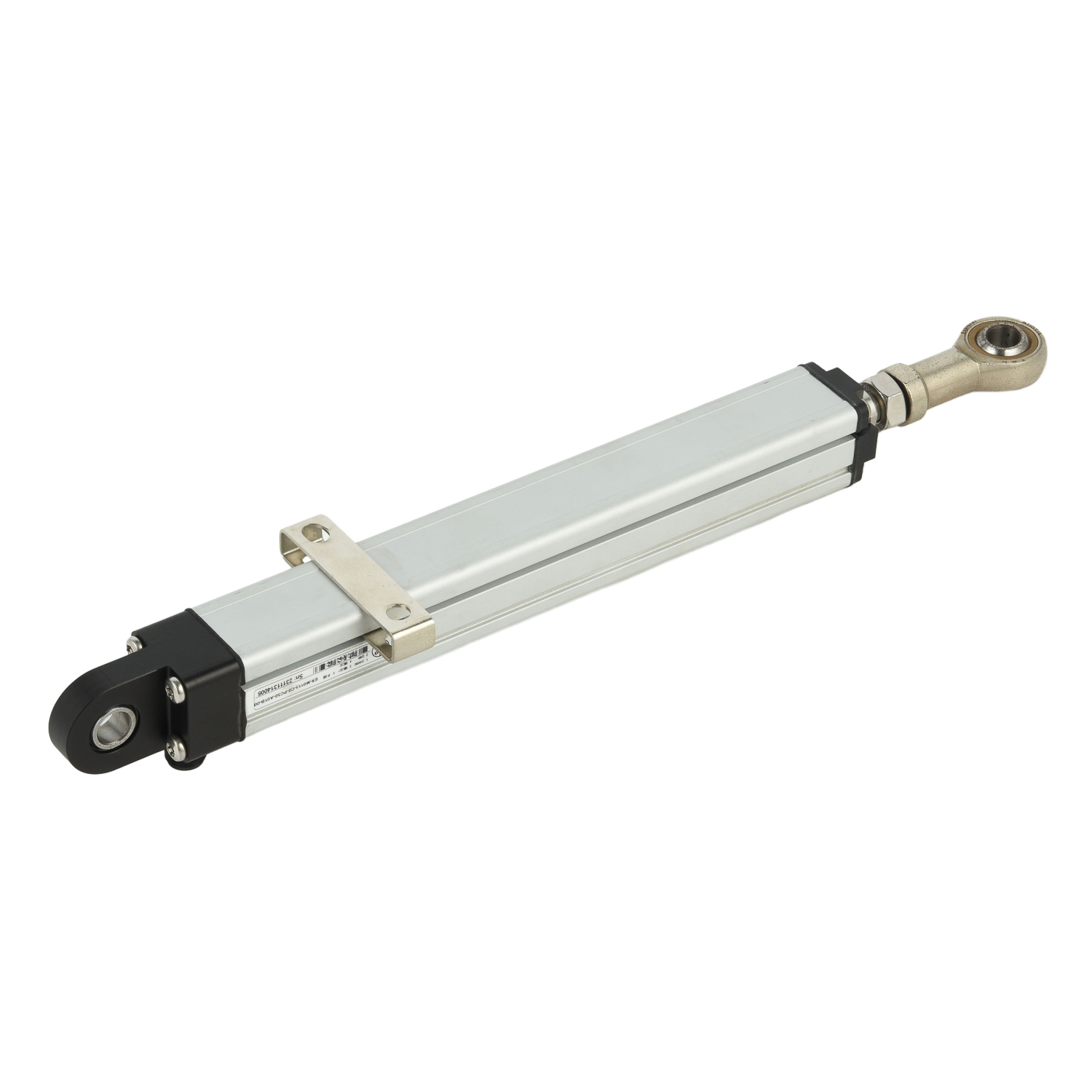
The Core Principle: The Magnetostrictive Effect
The fundamental operating principle of these sensors is the magnetostrictive effect. This is a phenomenon where certain ferromagnetic materials change their shape or dimensions when subjected to a magnetic field. Conversely, these materials also experience a change in their magnetic properties when mechanical stress is applied. This two-way relationship is the cornerstone of how a single magnetostrictive sensor can detect different parameters. The sensor typically consists of a waveguide made from a magnetostrictive material and a permanent magnet or electromagnetic source. The interaction between the magnetic field and the waveguide generates an elastic wave, whose properties are exquisitely sensitive to the conditions acting upon the sensor.
Simultaneous Measurement of Force and Temperature
One of the most critical applications is the synchronous measurement of force and temperature. In this setup, the magnetostrictive sensor is engineered to respond to both mechanical stress and thermal changes. When force is applied, it alters the magnetic permeability and the velocity of the generated wave within the waveguide. Simultaneously, temperature fluctuations cause thermal expansion and further changes in the material's magnetic properties. By analyzing distinct characteristics of the sensor's output signal—such as the wave's time-of-flight, amplitude, and frequency shift—sophisticated signal processing algorithms can decouple and precisely quantify the individual contributions of force and temperature in real-time.
Integrating Torque and Vibration Monitoring
Expanding on this capability, magnetostrictive sensors can be configured to measure torque and vibration synchronously. In a rotating shaft, for instance, applied torque induces torsional stress, which modifies the magnetostrictive properties of the shaft's surface. A non-contact sensor head can detect these minute changes to calculate torque accurately. At the same time, the same sensor can monitor vibrations by detecting high-frequency oscillations in the magnetic field caused by the shaft's dynamic motion. This synchronous data is invaluable for condition monitoring in machinery, allowing for the early detection of imbalances, misalignments, or bearing faults alongside torque load analysis.
Advantages of Synchronous Data Acquisition
The primary benefit of synchronous measurement is the elimination of data skew. When parameters are measured by separate sensors at different times or locations, correlating the data can be challenging and lead to inaccuracies. Magnetostrictive sensors provide a coherent dataset where all parameters are time-synchronized from the same physical point. This leads to more reliable diagnostics, better process control, and a deeper understanding of system interactions. Furthermore, using one sensor for multiple measurements reduces system complexity, cost, and installation space compared to deploying an array of discrete sensors.
Driving Innovation in Industrial and Structural Applications
The impact of this technology is profound across various sectors. In industrial automation, it enables smart manufacturing systems where pressure, temperature, and flow can be monitored synchronously in hydraulic systems. In the energy sector, it allows for real-time monitoring of torque and bending stresses in wind turbine blades and drill strings. For structural health monitoring of bridges and buildings, these sensors can simultaneously track stress, strain, and vibration, providing a comprehensive view of structural integrity and enabling predictive maintenance. This multi-parameter approach is a key enabler for the Internet of Things (IoT) and smarter infrastructure.
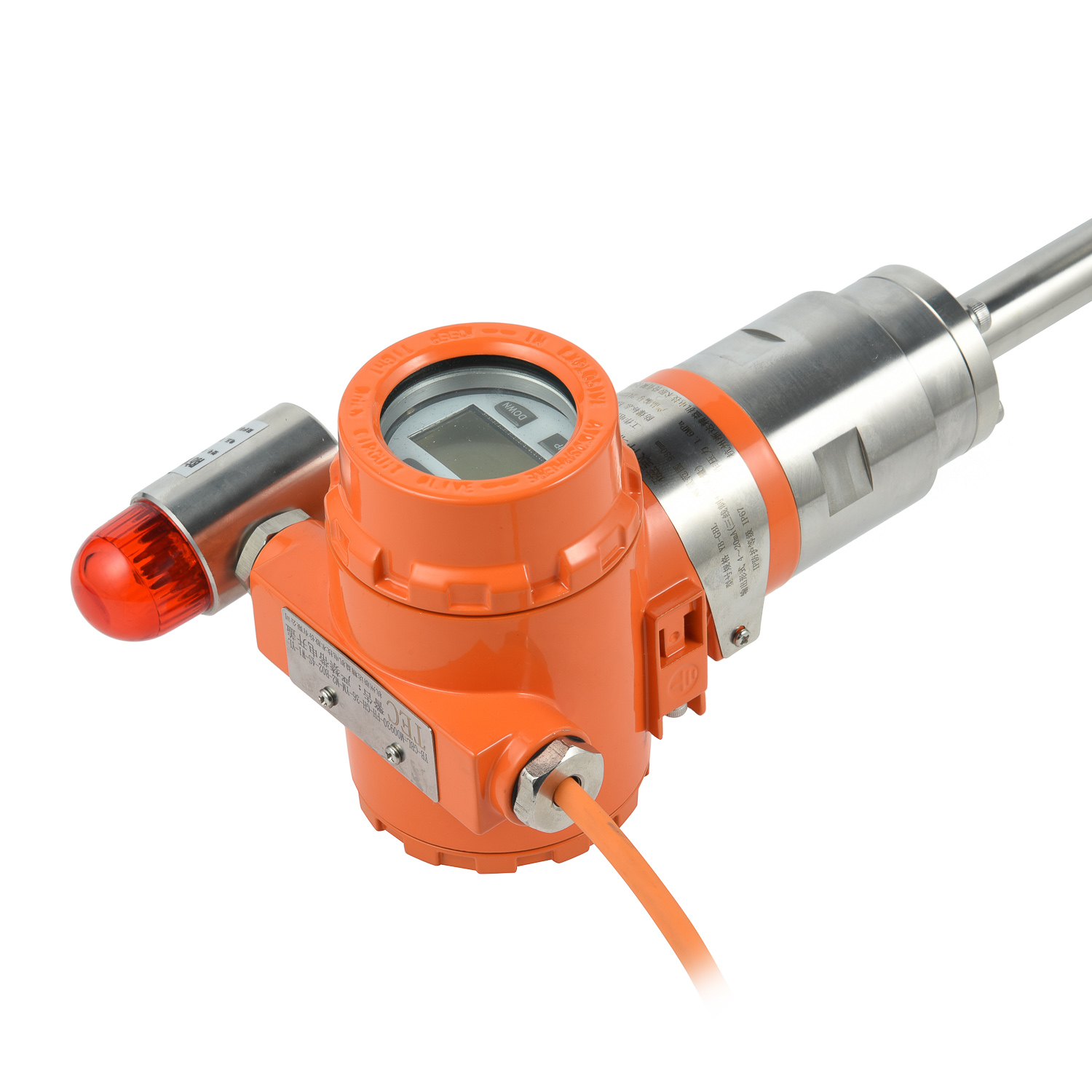 Intrinsically Safe Explosion-p
 Explosion-proof Magnetostricti
 Magnetostrictive Displacement
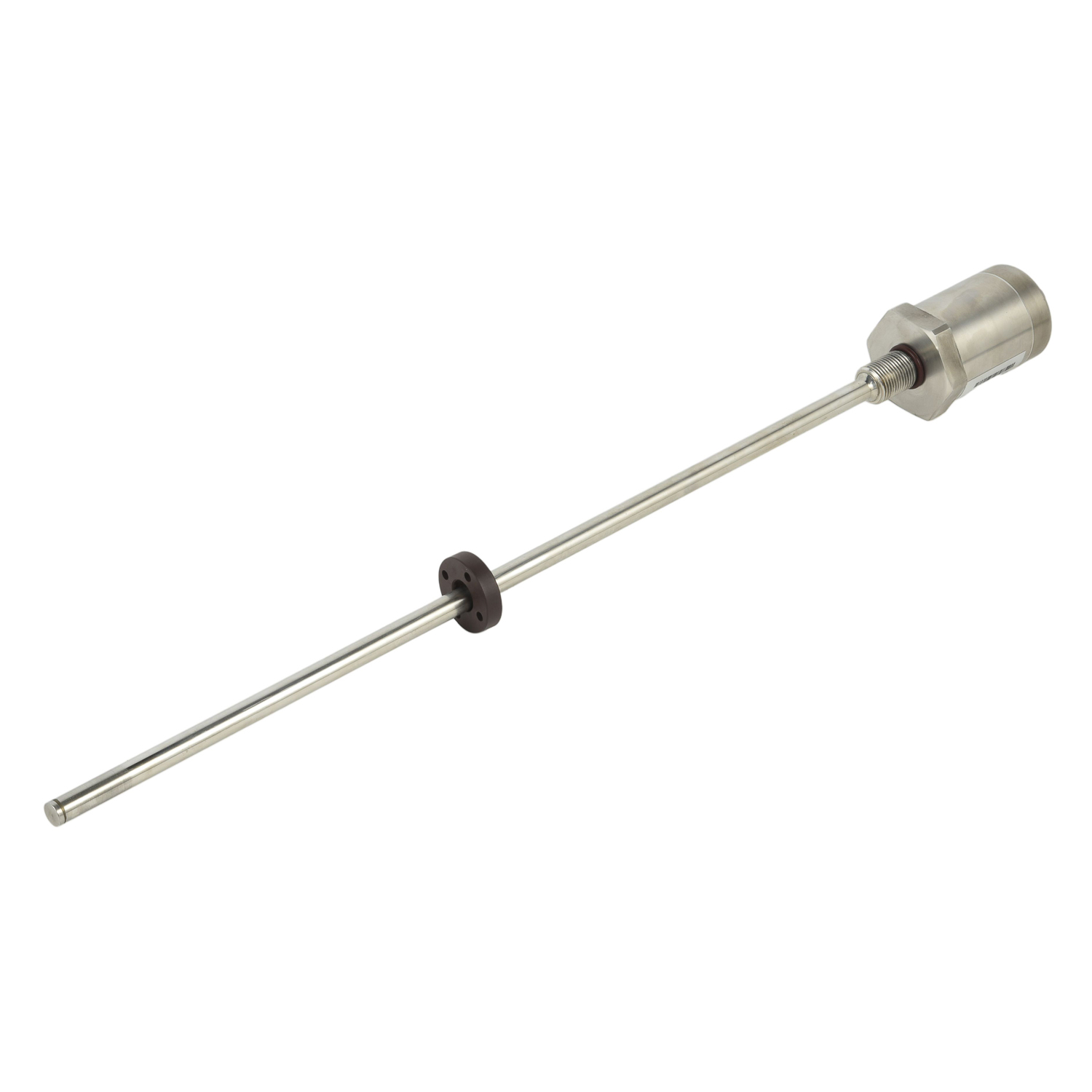 Mining High-temperature Electr