
What's the application prospect of magnetostrictive technology in autonomous driving?
Introduction to Magnetostrictive Technology
Magnetostrictive technology represents a sophisticated class of sensors that operate on a fundamental physical principle: the change in shape or dimensions of certain materials when subjected to a magnetic field. This phenomenon, known as magnetostriction, allows for highly precise measurements of position, force, and torque. In industrial applications, these sensors are renowned for their exceptional accuracy, robustness, and reliability, even in harsh operating conditions. As we venture into the era of autonomous vehicles, the unique attributes of magnetostrictive technology present a compelling case for its integration into the complex sensory ecosystem required for safe and efficient self-driving cars. Its ability to deliver non-contact, high-resolution data makes it a potential game-changer for critical vehicular systems.
Enhancing LiDAR and Perception Systems
One of the most promising applications of magnetostrictive technology in autonomous driving lies in its potential to augment LiDAR (Light Detection and Ranging) systems. LiDAR is a cornerstone of perception for self-driving cars, creating a 3D map of the environment. However, the mechanical components that steer the laser beams, such as rotating mirrors, are subject to wear, vibration, and calibration drift. Magnetostrictive actuators can be employed to control these mirrors with unprecedented precision and stability. By enabling finer, more reliable control over the laser scanning mechanism, magnetostrictive elements can enhance the resolution and accuracy of the point cloud data. This leads to a clearer, more detailed environmental model, allowing the vehicle's AI to better identify and classify obstacles, pedestrians, and road features, thereby significantly boosting overall perception capabilities.

Precision in Vehicle Positioning and Navigation
Accurate positioning is paramount for an autonomous vehicle to know its exact location within a lane, especially in GPS-denied environments like tunnels or urban canyons. Magnetostrictive sensors can play a critical role in high-precision steering systems. Integrated into the steering mechanism, a magnetostrictive position sensor can provide real-time, micron-level feedback on the angle of the steering wheel and the turning of the wheels. This high-fidelity data ensures that the vehicle's path-following algorithms can make minute, instantaneous corrections, keeping the car perfectly centered in its lane. This level of precision surpasses what traditional potentiometers or optical encoders can reliably offer, contributing directly to a smoother and safer ride by ensuring precise control over vehicle trajectory.
Improving Safety with Reliable Actuation
Safety is the non-negotiable foundation of autonomous driving. Magnetostrictive technology contributes to functional safety through its inherent reliability in critical actuation systems. For instance, in brake-by-wire or steer-by-wire systems, there is no mechanical linkage between the driver's input and the actuator. Magnetostrictive sensors can be used to accurately measure the position of the brake pedal or the force applied by a driver in a semi-autonomous scenario. This data is then transmitted electronically to the braking unit. The technology's resistance to environmental factors like dust, moisture, and temperature extremes ensures that these safety-critical signals remain accurate and dependable over the vehicle's lifetime, reducing the risk of system failure and enhancing the overall functional safety of the autonomous platform.
Challenges and the Road Ahead
Despite its significant potential, the widespread adoption of magnetostrictive technology in autonomous vehicles faces certain challenges. The primary hurdles include cost reduction for mass-market automotive applications and integration with existing electronic control units (ECUs). Furthermore, the automotive industry requires rigorous validation and standardization processes to ensure long-term durability and performance under diverse conditions. However, ongoing research and development are focused on overcoming these obstacles. As the demand for higher levels of autonomy (Level 4 and 5) grows, the need for more robust and precise sensor fusion will become critical. Magnetostrictive technology is poised to be a key enabler in this evolution, potentially working synergistically with cameras, radar, and LiDAR to create a redundant, fail-operational sensing suite that will make fully autonomous driving a commercial reality.
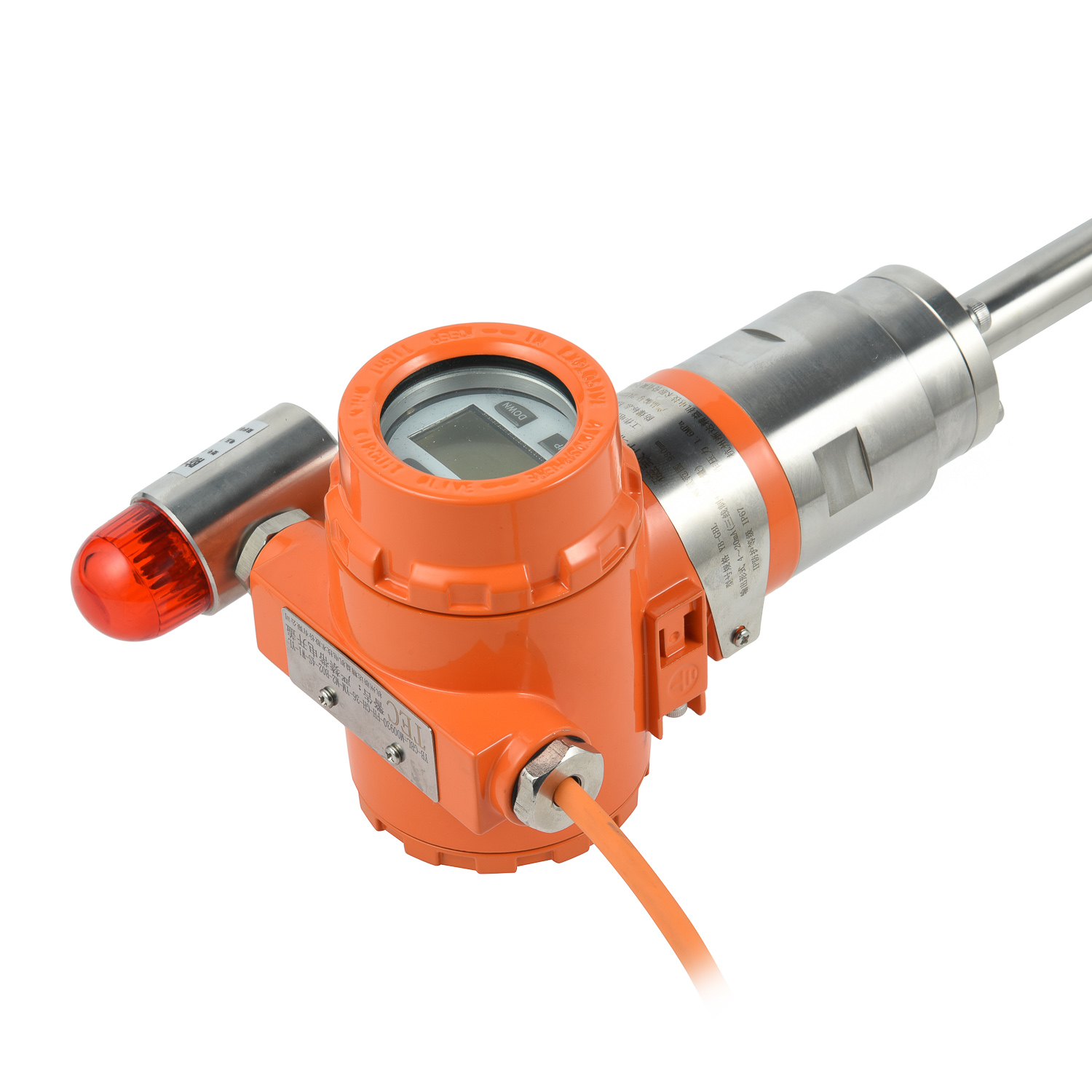 Intrinsically Safe Explosion-p
 Explosion-proof Magnetostricti
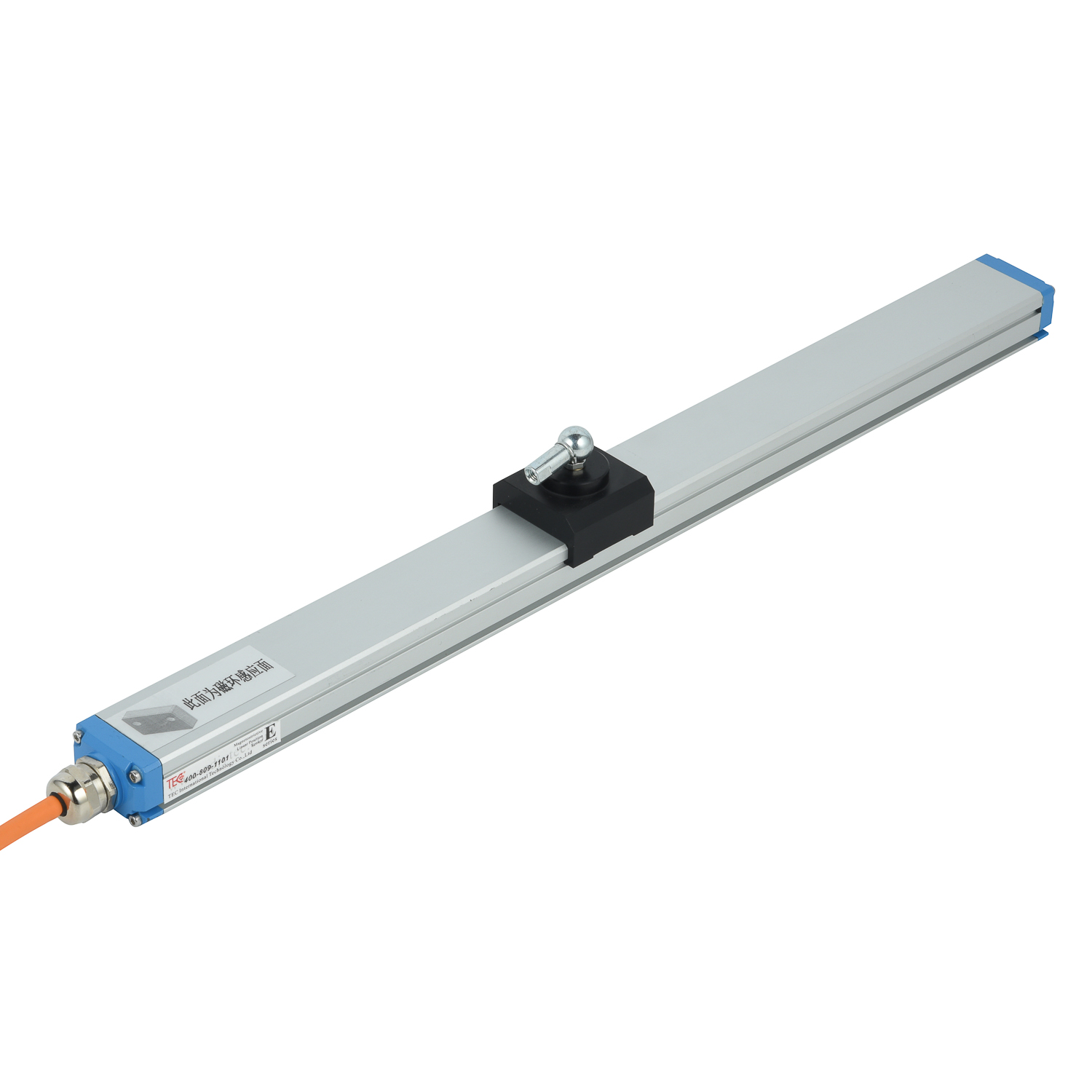 Magnetostrictive Displacement
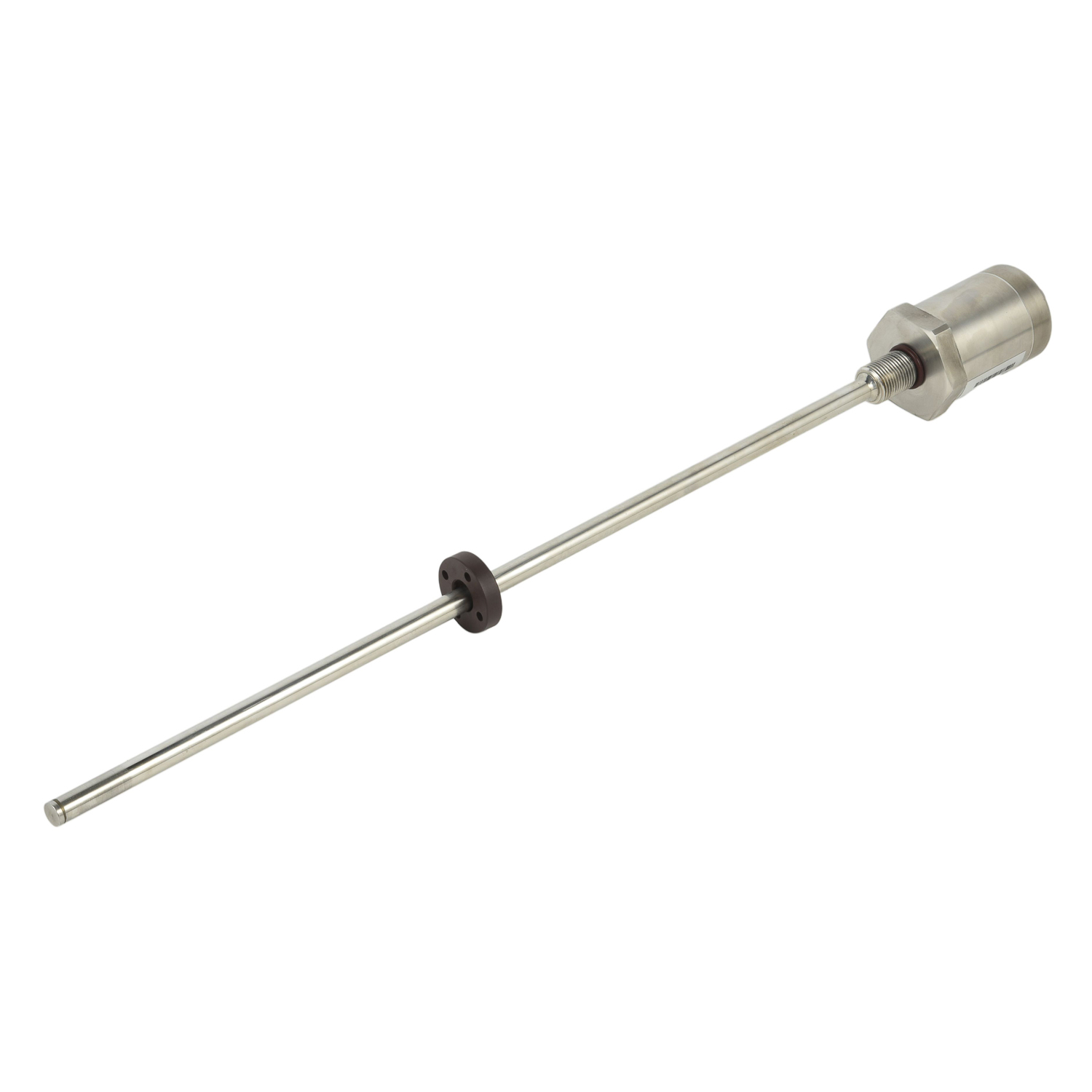 Mining High-temperature Electr