
How do magnetostrictive sensors withstand extreme temperature challenges?
In industrial environments where temperatures soar to extreme levels, conventional sensing technologies often fail. Magnetostrictive sensors, however, have emerged as remarkably resilient solutions capable of operating reliably in conditions that would disable other measurement devices. Their unique operating principle and robust construction make them ideal for applications ranging from steel manufacturing to aerospace engineering, where thermal stability is non-negotiable.
Understanding Magnetostrictive Sensor Fundamentals
At their core, magnetostrictive sensors operate on the principle of magnetostriction—the phenomenon where ferromagnetic materials change shape in response to magnetic fields. This physical property remains stable across wide temperature ranges, forming the foundation for their thermal resilience. The sensors precisely measure position or level by calculating the time difference between an applied magnetic pulse and the return torsional wave generated in the waveguide. Since this time-of-flight measurement depends on material properties rather than electronic components alone, magnetostrictive sensors maintain accuracy even when subjected to thermal extremes that would compromise other technologies.
Material Science Behind Thermal Resilience
The exceptional temperature resistance of magnetostrictive sensors begins with their material composition. Manufacturers employ specialized alloys like iron-cobalt-vanadium compounds that maintain their magnetostrictive properties from cryogenic temperatures up to 400°C. The waveguide, typically made from nickel-iron alloys, demonstrates minimal thermal expansion coefficient variation, ensuring consistent wave propagation velocity across operating temperatures. Advanced encapsulation techniques using ceramic coatings and high-temperature epoxies protect internal components from thermal degradation, while specialized solder compounds with high melting points maintain structural integrity under thermal cycling conditions.
Advanced Thermal Compensation Techniques
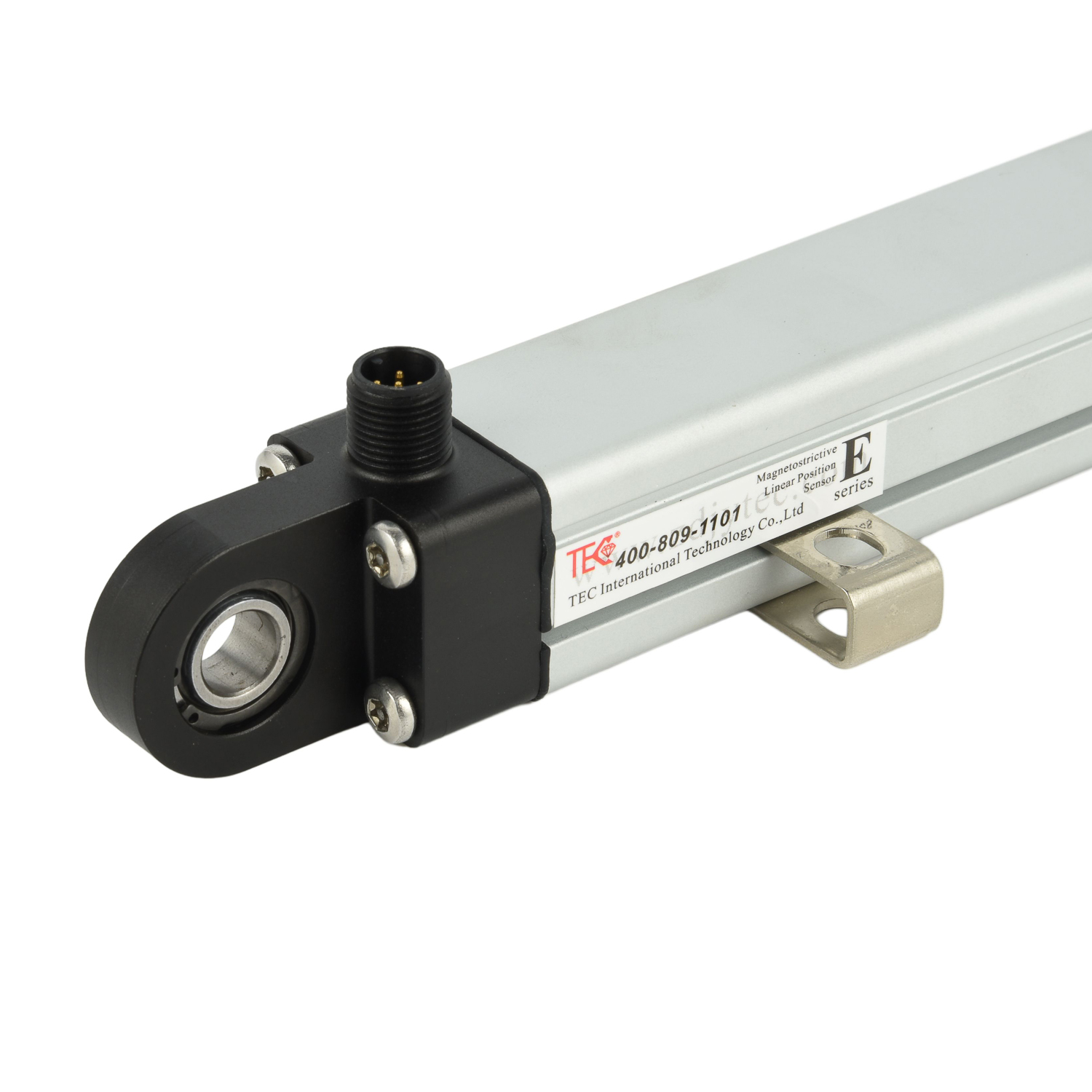
Sophisticated compensation algorithms represent another layer of defense against temperature challenges. Modern magnetostrictive sensors incorporate temperature sensors that feed real-time thermal data to onboard microprocessors. These systems apply mathematical corrections to measurement outputs, accounting for predictable changes in wave velocity and material dimensions. Some high-end models employ dual-waveguide designs where one waveguide serves as a reference, allowing the sensor to automatically calibrate itself against thermal effects. This intelligent compensation ensures accuracy within 0.01% full scale across the entire operating temperature range, making these sensors indispensable for precision applications in volatile thermal environments.
Design Innovations for Extreme Environments
Engineering breakthroughs have further enhanced the thermal capabilities of magnetostrictive sensors. Radial magnetic field technology minimizes eddy current losses that generate heat within the sensor. Non-contact position sensing eliminates mechanical wear points that would fail under thermal expansion stresses. Hermetic sealing using laser welding prevents moisture ingress that could cause failure during rapid temperature changes. For ultra-high-temperature applications above 400°C, manufacturers have developed air-cooled or water-cooled housings that create thermal barriers, protecting the sensitive electronics while allowing the sensing element to operate in direct contact with extreme heat sources.
Real-World Applications and Performance Validation
The true test of magnetostrictive sensors' thermal capabilities comes from their deployment in demanding industries. In metal processing facilities, they provide continuous position feedback on hydraulic cylinders operating near 300°C. Aerospace applications see them measuring fuel levels in supersonic aircraft where temperatures swing dramatically. Industrial oven manufacturers rely on them for precision control in environments exceeding 250°C. Field data from these applications demonstrates mean time between failures exceeding 100,000 hours even under continuous thermal stress, validating the engineering principles that make magnetostrictive sensors uniquely suited for extreme temperature challenges.
Future Developments in High-Temperature Sensing
Research continues to push the boundaries of magnetostrictive sensor capabilities. Nanostructured magnetostrictive materials show promise for extending operational ranges to 600°C while improving sensitivity. Wireless versions eliminate connector failures—a common weak point in high-temperature applications. Integration with fiber optic temperature sensors provides even more precise thermal compensation. As industries demand higher temperatures for efficiency gains, magnetostrictive technology continues evolving to meet these challenges, solidifying its position as the premier solution for reliable sensing in thermally hostile environments.
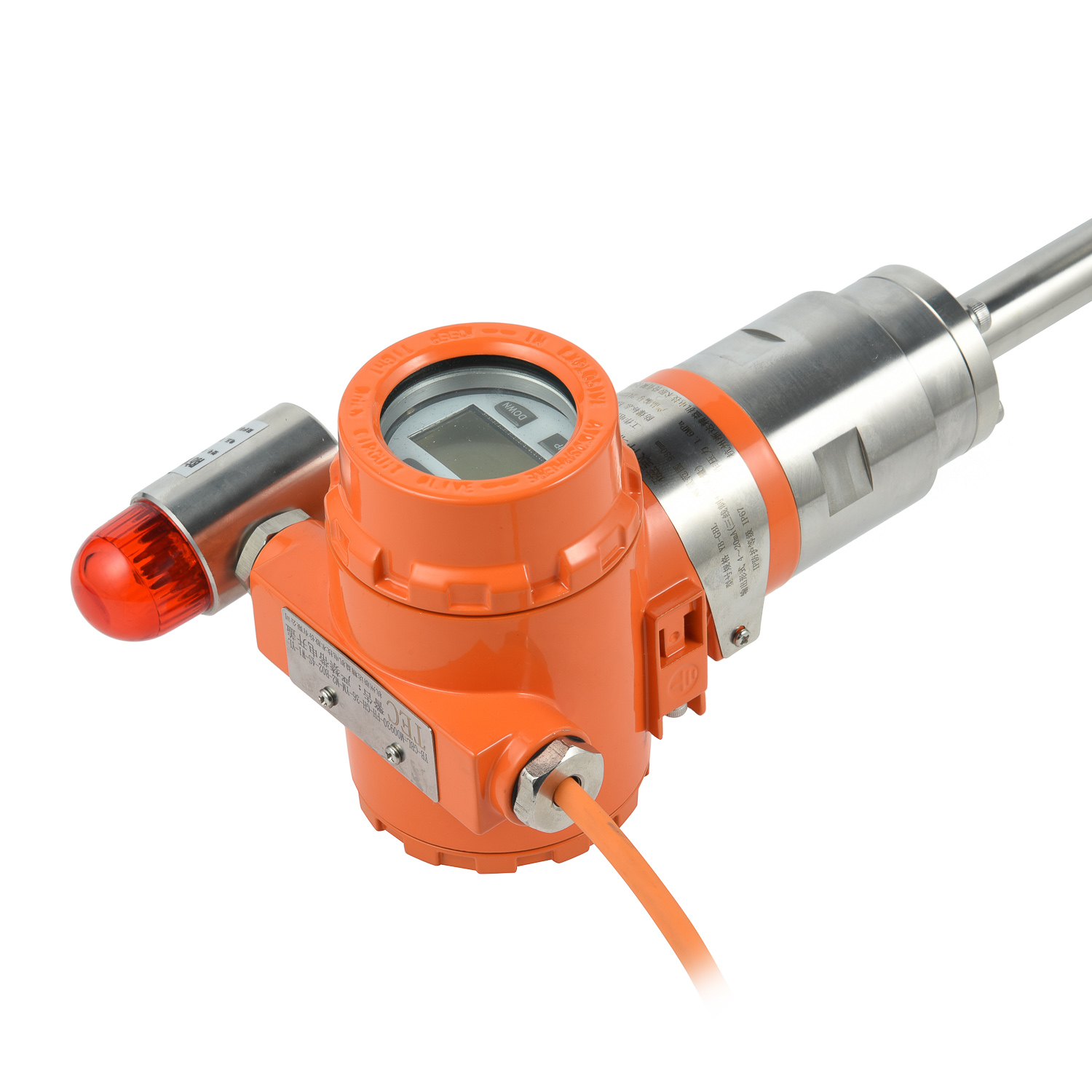 Intrinsically Safe Explosion-p
 Explosion-proof Magnetostricti
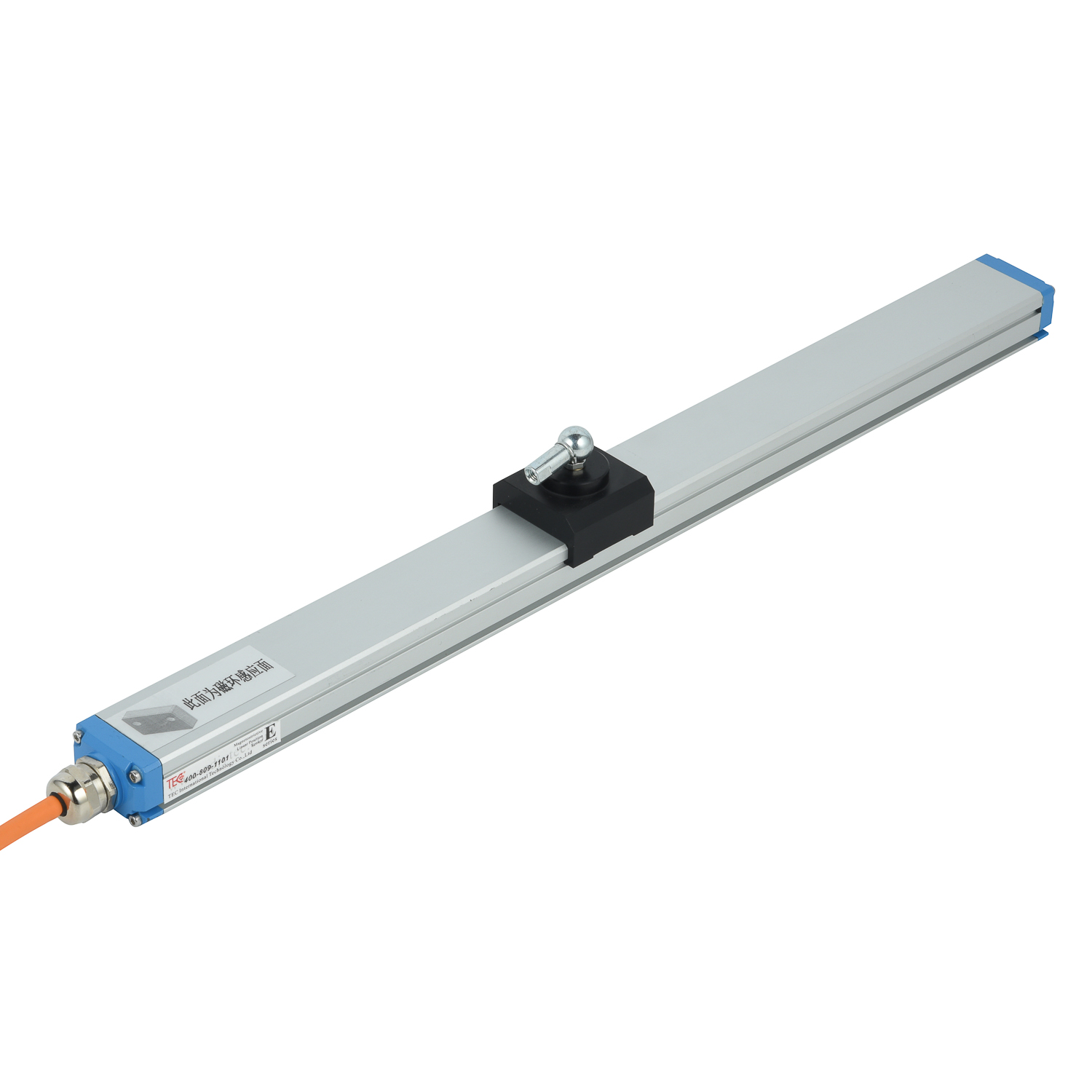 Magnetostrictive Displacement
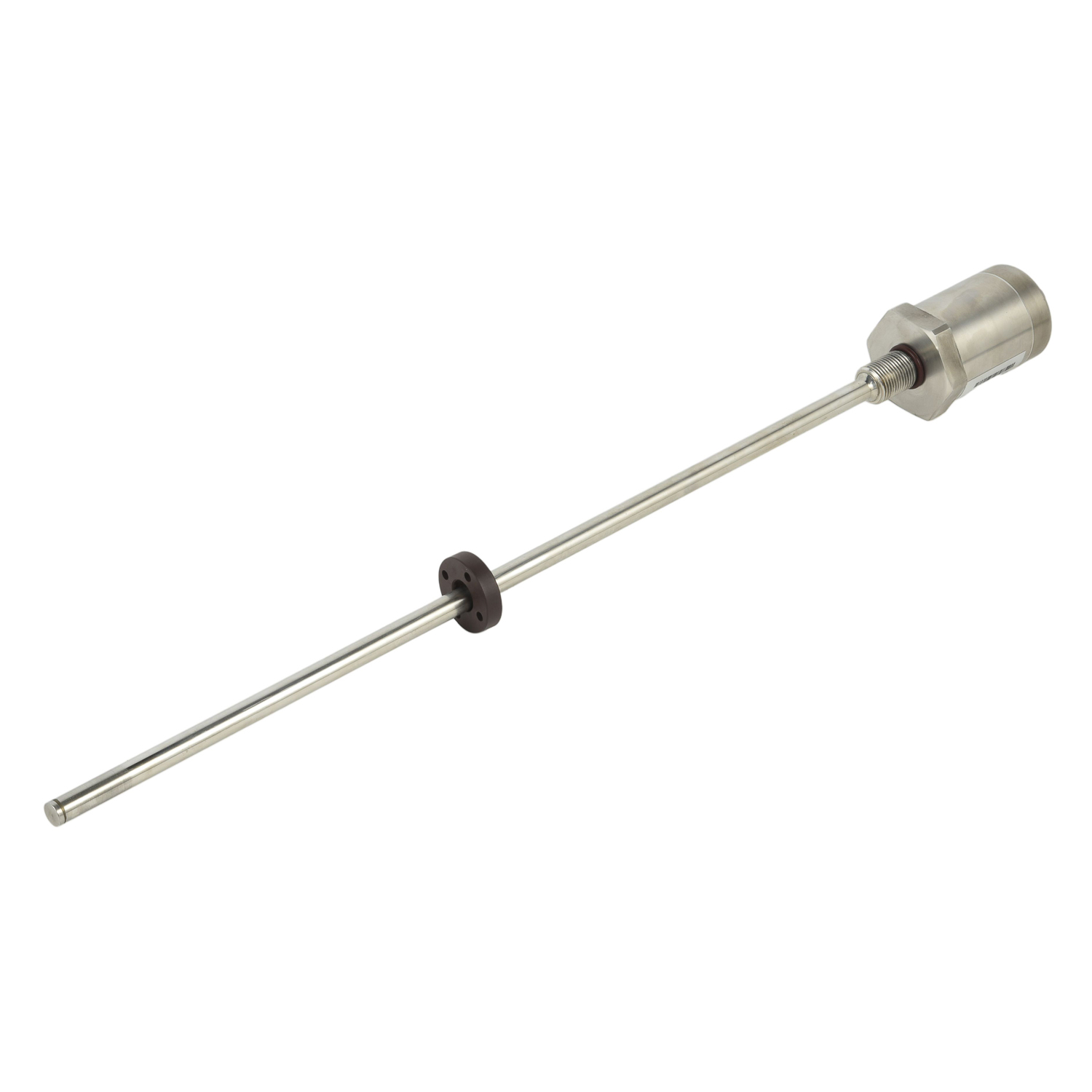 Mining High-temperature Electr