
What unique advantages do magnetostrictive sensors have over optical sensors?
In the complex world of industrial automation and precision measurement, selecting the right sensor technology is critical for system performance and reliability. While optical sensors are renowned for their high resolution and speed, magnetostrictive sensors offer a distinct set of advantages that make them indispensable in challenging applications. This article delves into the unique benefits of magnetostrictive technology, particularly where optical solutions may fall short.
Superior Performance in Harsh and Contaminated Environments
One of the most significant advantages of magnetostrictive sensors is their inherent immunity to environmental factors that plague optical sensors. Optical sensors rely on clear line-of-sight and clean air to transmit light beams. However, in real-world industrial settings, contaminants like oil mist, dust, steam, and smoke are commonplace. These elements can scatter or block light, leading to signal degradation or complete failure of an optical sensor. Magnetostrictive sensors, in contrast, operate using a magnetic field and a torsional stress wave within a waveguide. This principle is completely unaffected by the presence of non-ferrous contaminants. Whether in a dirty machine shop, a humid food processing plant, or an oily hydraulic system, magnetostrictive sensors deliver reliable and continuous position measurement without requiring protective enclosures or constant cleaning.
Unmatched Durability and Long-Term Reliability
Durability is a cornerstone of magnetostrictive sensor design. These sensors are built with robust, hermetically sealed housings that can withstand extreme conditions, including high levels of shock, vibration, and temperature fluctuations. The sensing element itself is protected inside a sturdy tube, making it highly resistant to physical damage. Optical sensors, with their delicate lenses, lasers, and receivers, are far more fragile. Even minor misalignment from vibration or a small scratch on a lens can compromise their accuracy. The non-contact nature of magnetostrictive sensing means there is no mechanical wear between the position magnet and the waveguide, ensuring exceptional long-term stability and a virtually infinite lifespan. This translates to lower maintenance costs and reduced downtime, providing a superior total cost of ownership.
Consistent Accuracy Independent of Environmental Conditions
Beyond simply surviving harsh conditions, magnetostrictive sensors maintain their high accuracy within them. Factors like temperature changes or humidity variations can affect the refractive index of air and the performance of optical components, leading to measurement drift in optical systems. Magnetostrictive technology is inherently stable. The speed of the torsional wave along the waveguide is a known constant, and advanced temperature compensation algorithms can further correct for any minor thermal effects, guaranteeing precise and repeatable measurements. This consistency is crucial for applications like hydraulic cylinder position feedback or precision valve control, where reliability is non-negotiable.
Simplified Installation and Reduced Sensitivity to Alignment
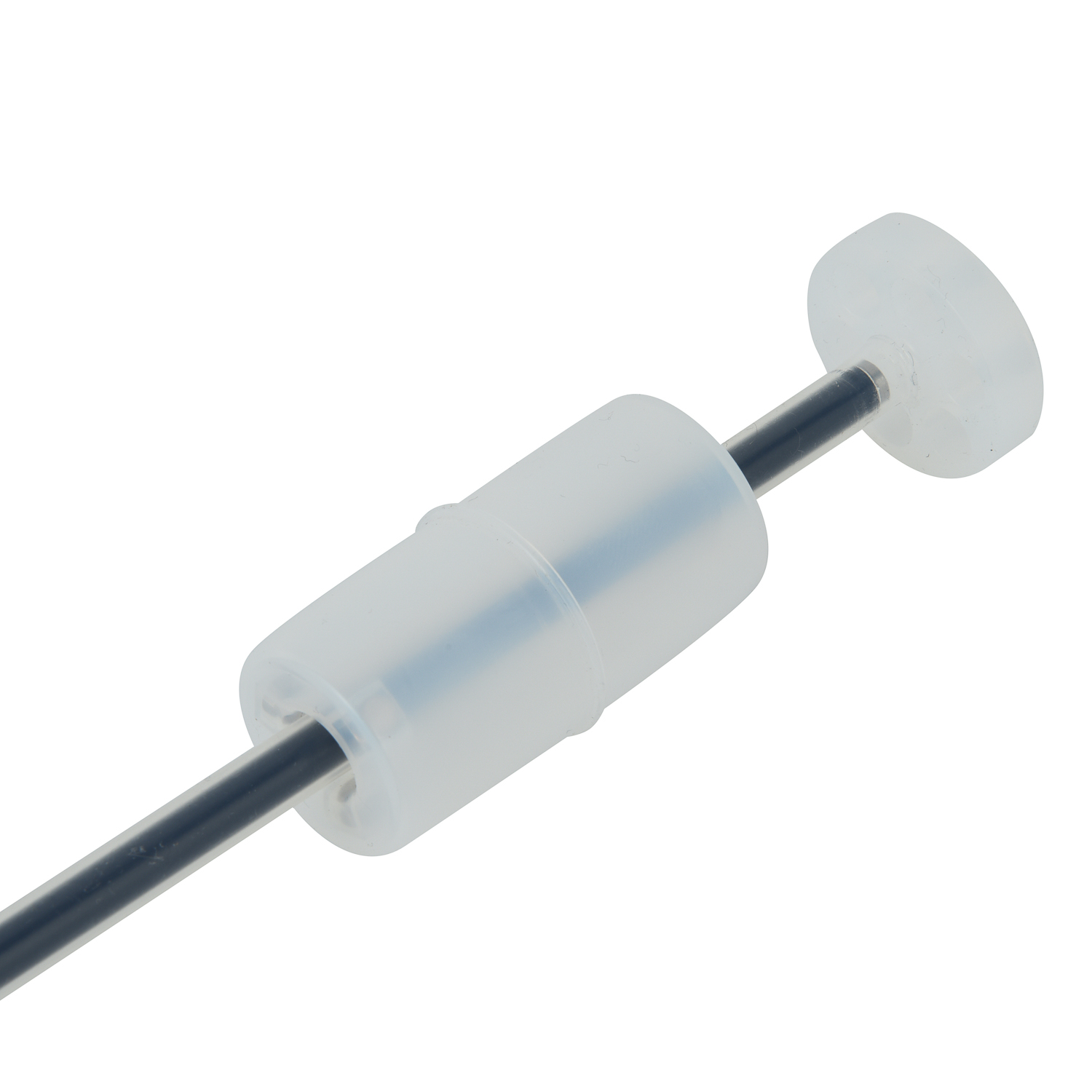
Installation and setup are notably simpler with magnetostrictive sensors compared to their optical counterparts. Optical sensors often require precise and critical alignment between the transmitter and receiver to function correctly. Achieving and maintaining this alignment can be time-consuming and difficult, especially in applications subject to vibration. Magnetostrictive sensors eliminate this challenge. The position magnet, which moves along the length of the sensor rod, only requires a loose mechanical alignment. There is no need for precise optical alignment, significantly speeding up installation and reducing the potential for setup errors. This ease of use makes them a more practical and forgiving choice for many engineers and technicians.
Conclusion: Choosing the Right Tool for the Job
While optical sensors excel in clean, controlled laboratory settings requiring ultra-high speed and resolution, magnetostrictive sensors are the undisputed champions for demanding industrial environments. Their robustness, reliability in contaminated atmospheres, consistent accuracy, and ease of installation provide unique advantages that optical technology cannot match. When the application involves harsh conditions, physical stress, or the presence of contaminants, magnetostrictive sensors offer a superior and more dependable solution for accurate linear position sensing.
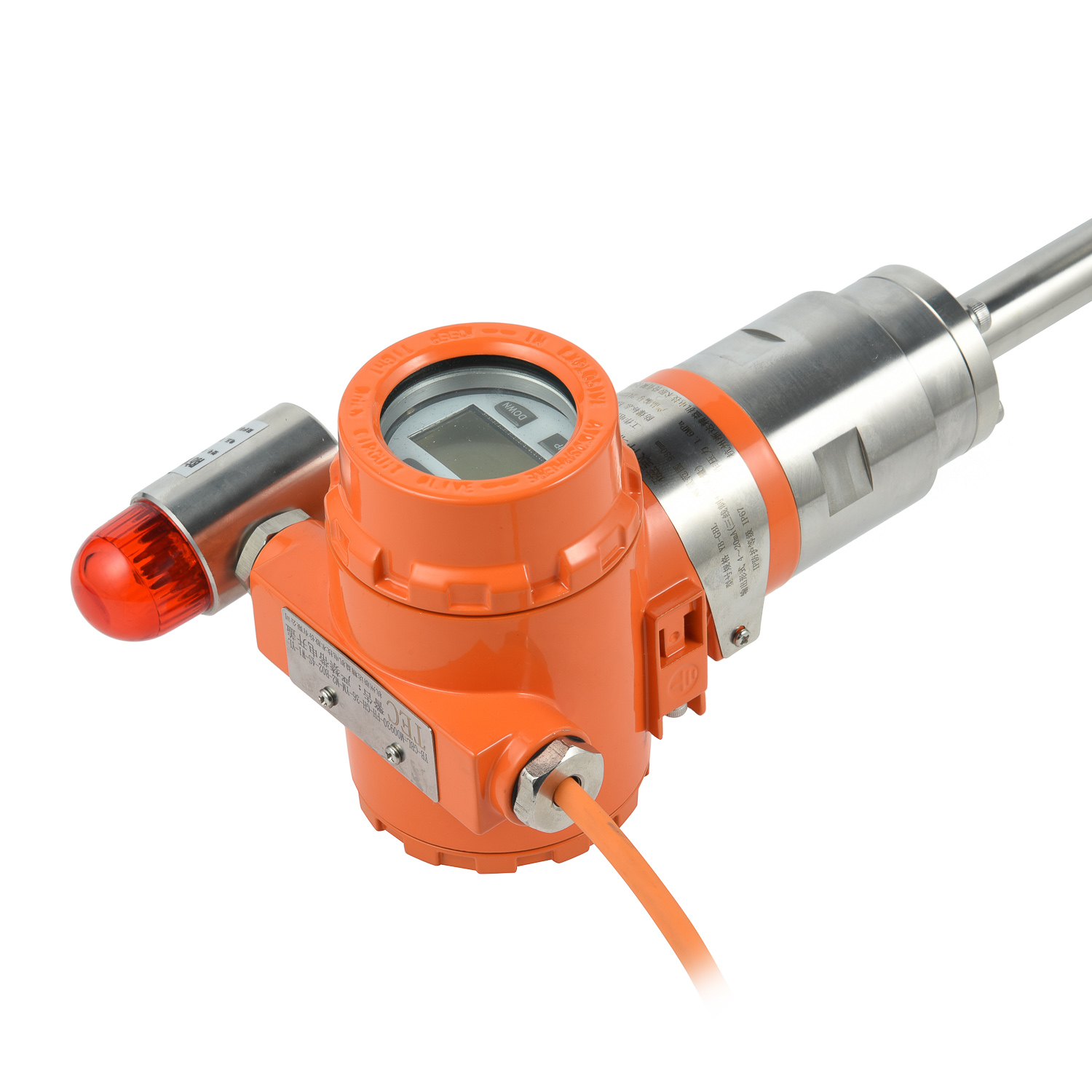 Intrinsically Safe Explosion-p
 Explosion-proof Magnetostricti
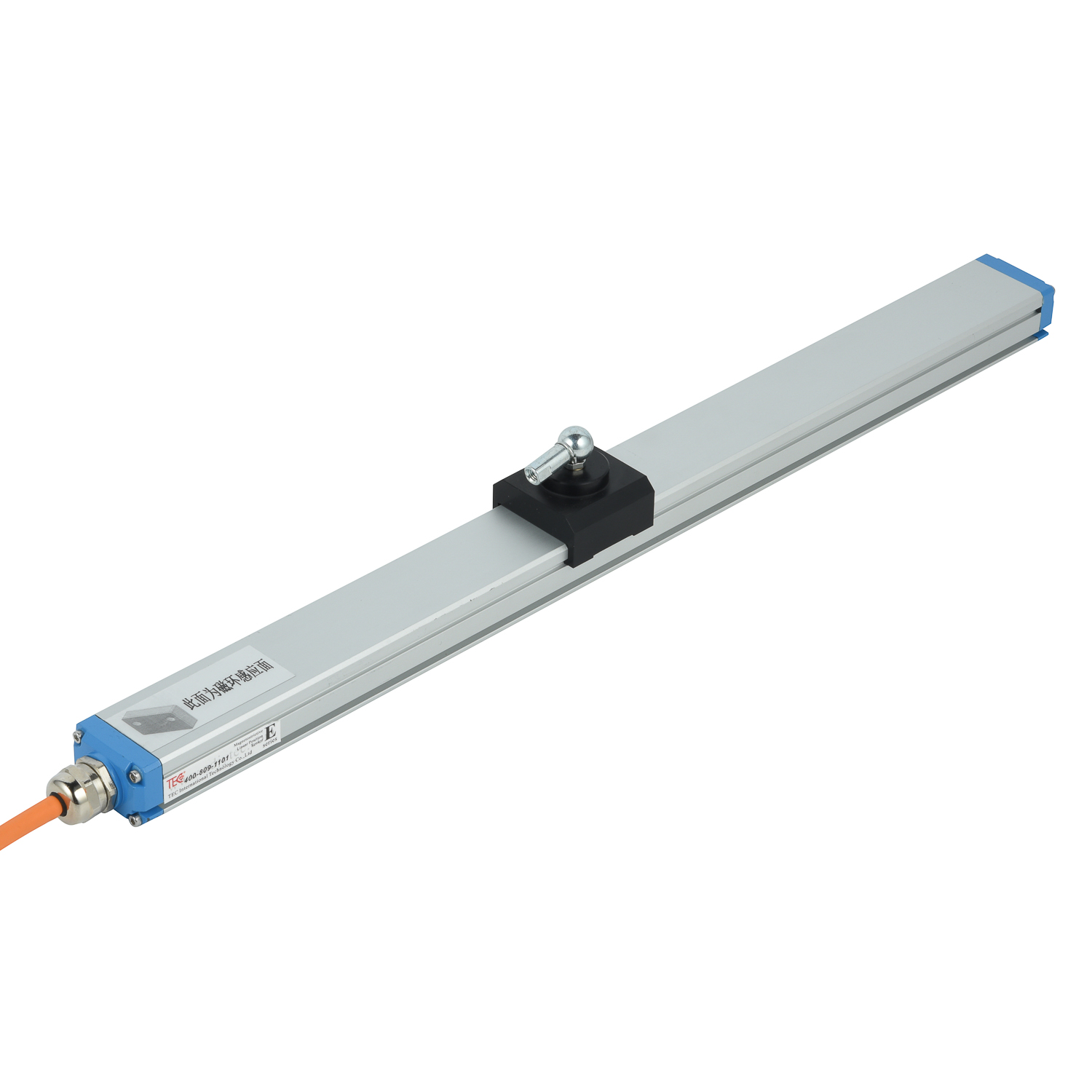 Magnetostrictive Displacement
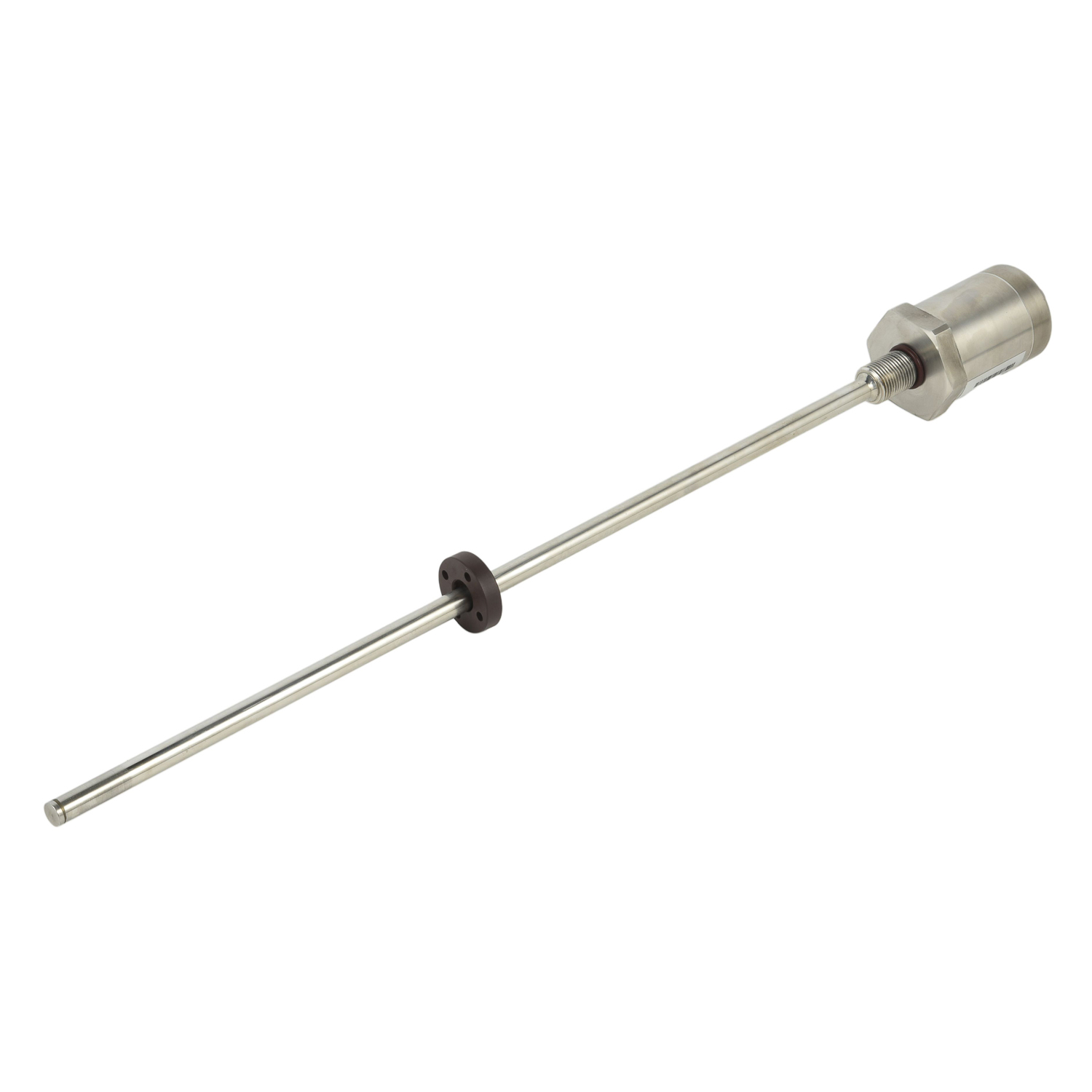 Mining High-temperature Electr