
How to select the most suitable magnetostrictive sensor for industrial scenarios?
Understanding Magnetostrictive Sensor Fundamentals
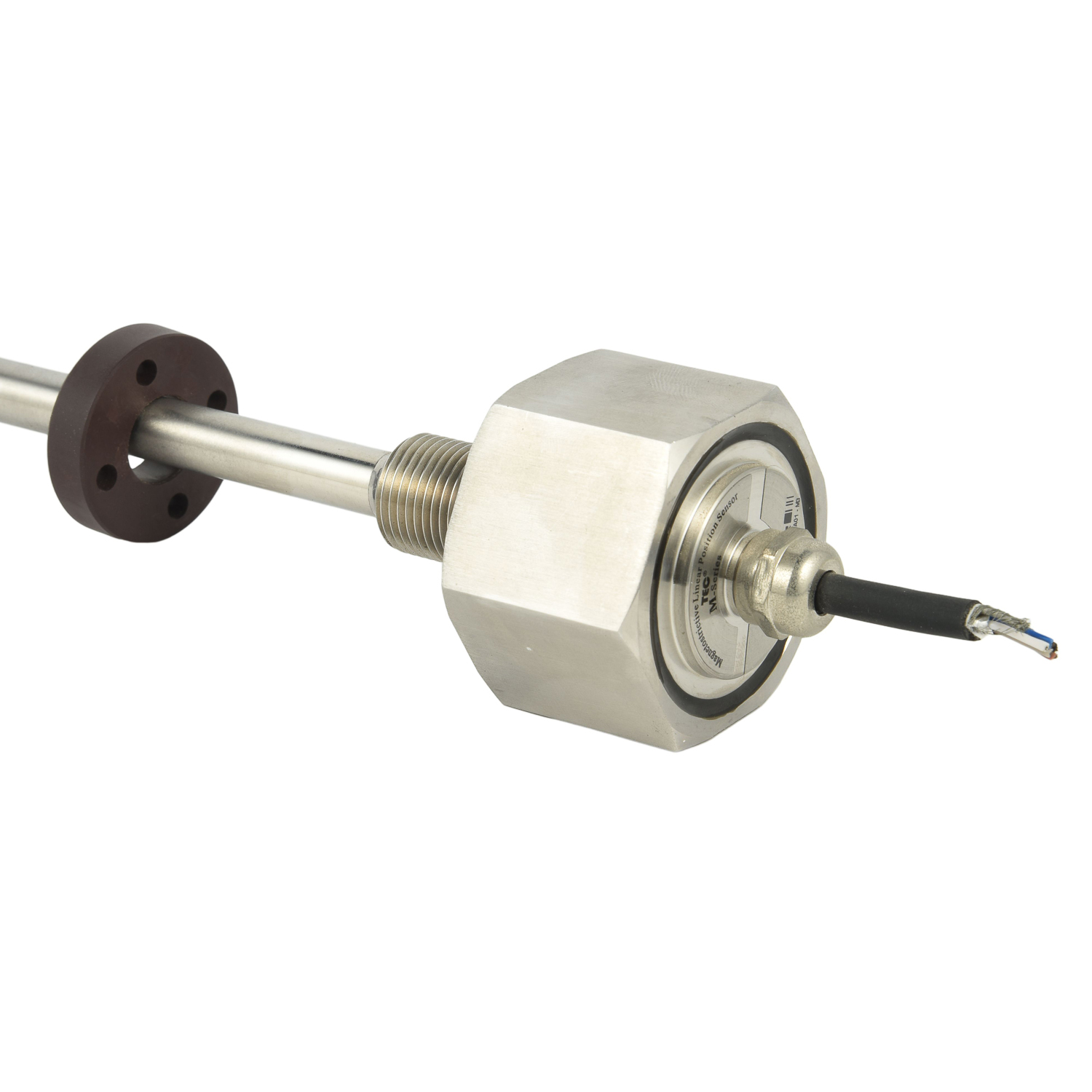
Magnetostrictive sensors represent a sophisticated class of position measurement devices that operate on the principle of magnetostriction - the phenomenon where ferromagnetic materials change their shape or dimensions during the magnetization process. These sensors provide non-contact, absolute position measurement with exceptional accuracy and reliability. The fundamental components include a waveguide, a position magnet, and electronics that precisely measure the time interval between the generation of a torsional wave and its detection. This technology offers distinct advantages for industrial applications requiring precise linear position feedback in challenging environments where traditional sensors might fail.
Determining Your Application's Accuracy Requirements
The first critical step in selecting an appropriate magnetostrictive sensor involves thoroughly analyzing your specific accuracy needs. Industrial applications vary significantly in their precision demands - from hydraulic cylinder position monitoring requiring millimeter accuracy to precision manufacturing processes needing micron-level resolution. Consider both the absolute accuracy specification, which indicates how close the measured value is to the true position, and the resolution, which defines the smallest detectable position change. High-accuracy applications typically require sensors with better than 0.01% full-scale accuracy, while standard industrial applications might function perfectly with 0.05% accuracy sensors. Remember that higher accuracy often correlates with increased cost, so balance your precision requirements against budget constraints.
Evaluating Environmental Conditions and Durability Factors
Industrial environments present numerous challenges that can impact sensor performance and longevity. Carefully assess the operating temperature range, presence of moisture or chemicals, vibration levels, and potential electromagnetic interference. For harsh environments, specify sensors with robust stainless steel housings, IP67 or higher ingress protection ratings, and extended temperature ranges typically from -40°C to 85°C. Consider the specific industry requirements - food and beverage applications might need FDA-compliant materials, while mining operations require exceptionally durable sensors capable of withstanding extreme shock and vibration. Proper environmental consideration during selection prevents premature failure and ensures consistent performance throughout the sensor's operational life.
Selecting the Appropriate Output Signal Type
Magnetostrictive sensors offer various output signal options to interface with different control systems. Common output types include analog voltage or current signals (0-10V, ±10V, 4-20mA), start/stop pulses, PWM signals, and digital interfaces like SSI, CANopen, or IO-Link. Analog outputs provide simplicity and compatibility with most PLC systems, while digital interfaces offer enhanced diagnostics, parameterization capabilities, and noise immunity. For Industry 4.0 applications, consider sensors with IO-Link capability that enable advanced condition monitoring and predictive maintenance features. The choice depends largely on your existing control architecture and the level of intelligence required from the position feedback system.
Assessing Mechanical Compatibility and Installation Requirements
The physical integration of magnetostrictive sensors into your machinery demands careful consideration of mechanical constraints. Evaluate the available space for sensor mounting, the required stroke length, and the method of magnet attachment to the moving target. Sensors come in various form factors including rod-style, profile-style, and externally mounted configurations. Profile-style sensors often provide better protection against mechanical damage, while rod-style units suit applications with space constraints. Verify compatibility with your mounting configuration, ensuring proper alignment between the position magnet and sensor body. Additionally, consider installation accessibility for maintenance and the availability of mounting accessories to simplify integration.
Analyzing Cost Considerations and Long-Term Value
While initial purchase price represents an important factor, the total cost of ownership provides a more comprehensive evaluation metric. High-quality magnetostrictive sensors typically offer extended service life, reduced maintenance requirements, and higher reliability - factors that minimize downtime and associated production losses. Consider the manufacturer's reputation, warranty terms, technical support availability, and spare parts accessibility. Evaluate the sensor's mean time between failures (MTBF) data and request documented case studies from similar applications. Investing in a premium sensor often proves more economical over time compared to frequent replacements of inferior units, particularly in critical processes where unexpected downtime carries significant financial implications.
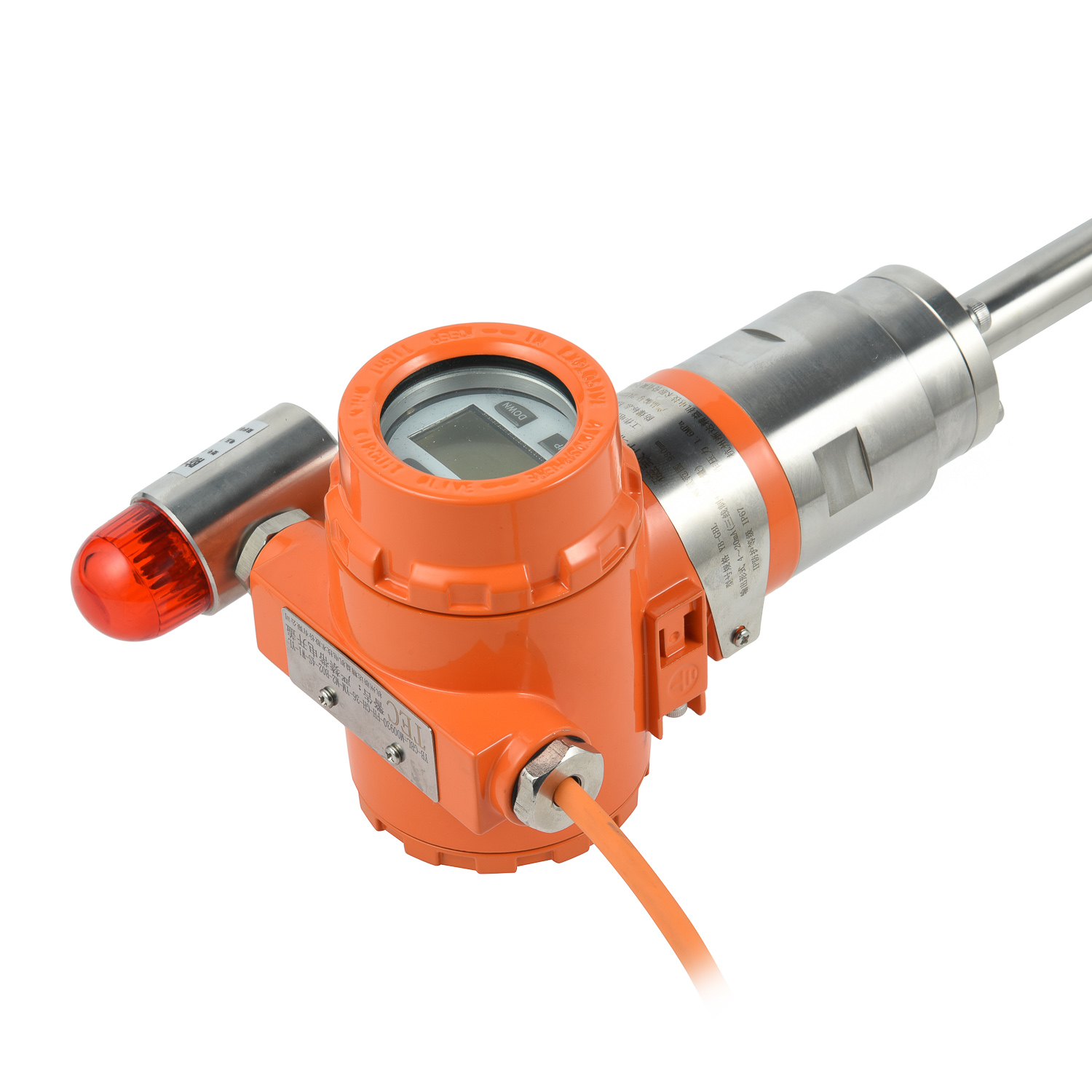 Intrinsically Safe Explosion-p
 Explosion-proof Magnetostricti
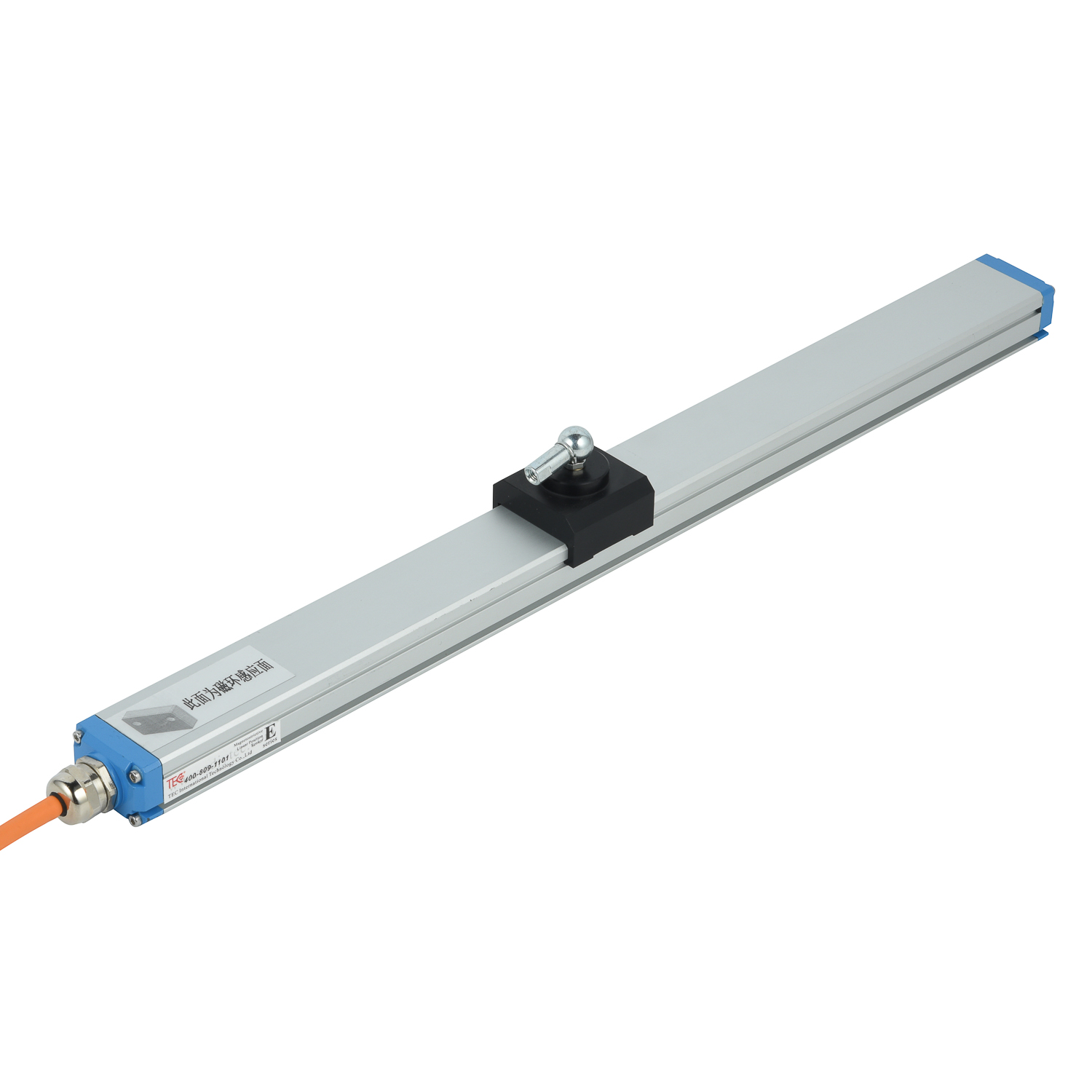 Magnetostrictive Displacement
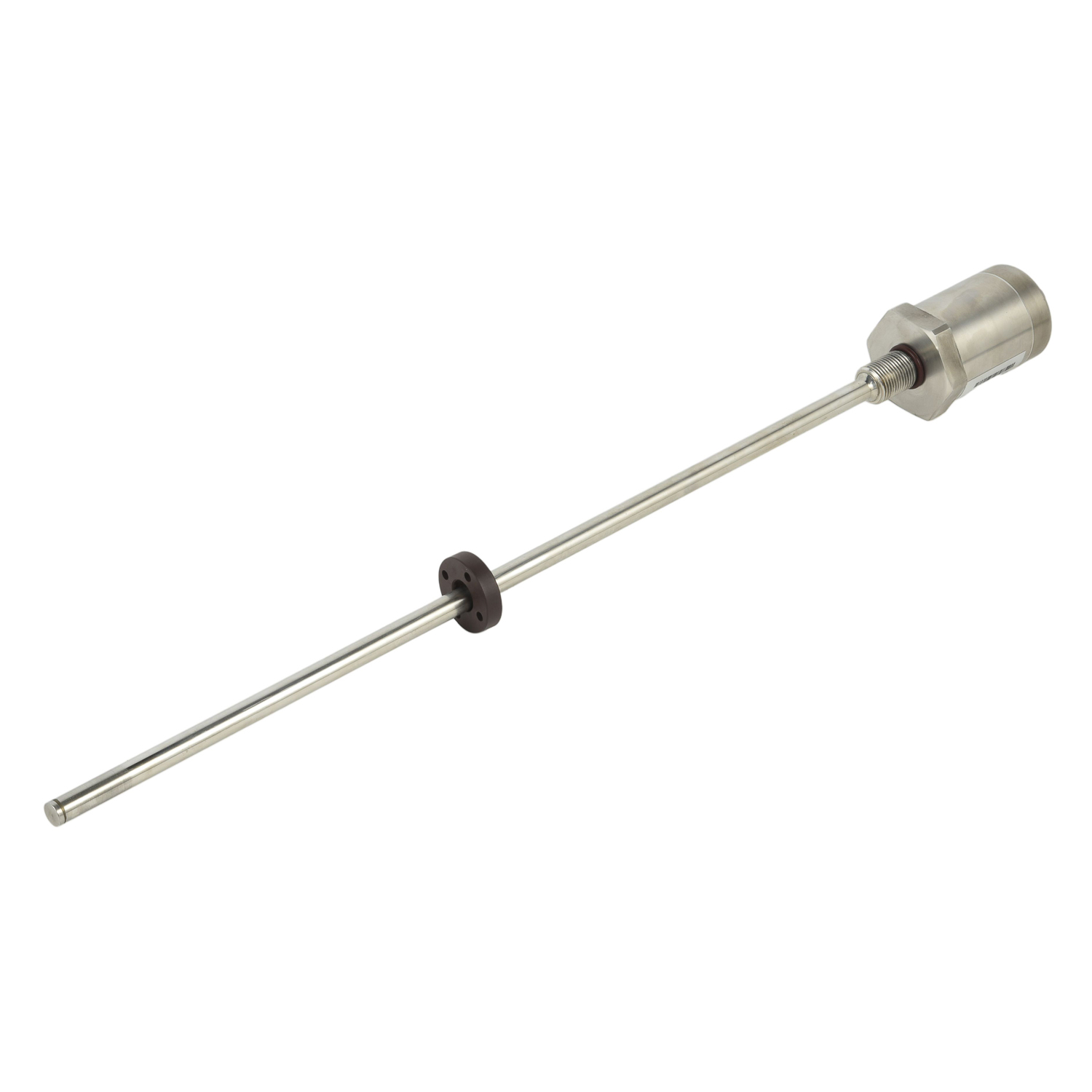 Mining High-temperature Electr