
What's the core role of magnetostrictive displacement sensors in smart factories?
In the landscape of Industry 4.0, the smart factory represents a paradigm shift towards interconnected, data-driven manufacturing. At the heart of this revolution lies the critical need for extreme precision and real-time feedback. Magnetostrictive displacement sensors have emerged as a foundational technology, providing the accurate positional data that automated systems rely on to function seamlessly and intelligently.
Providing Unmatched Precision for Automated Machinery
The core function of any automated system is control, and control is impossible without accurate measurement. Magnetostrictive displacement sensors excel in this domain, offering non-contact, high-resolution position feedback for hydraulic cylinders, linear actuators, and robotic arms. This technology uses the interaction between a magnetic field from a moving permanent magnet and a torsion wave propagated along a waveguide wire to determine position with micron-level accuracy. This precision is non-negotiable in applications like precision welding, automated assembly, and CNC machining, where a deviation of even a fraction of a millimeter can lead to product defects or machine failure.
Enabling Real-Time Data for the Industrial IoT (IIoT)
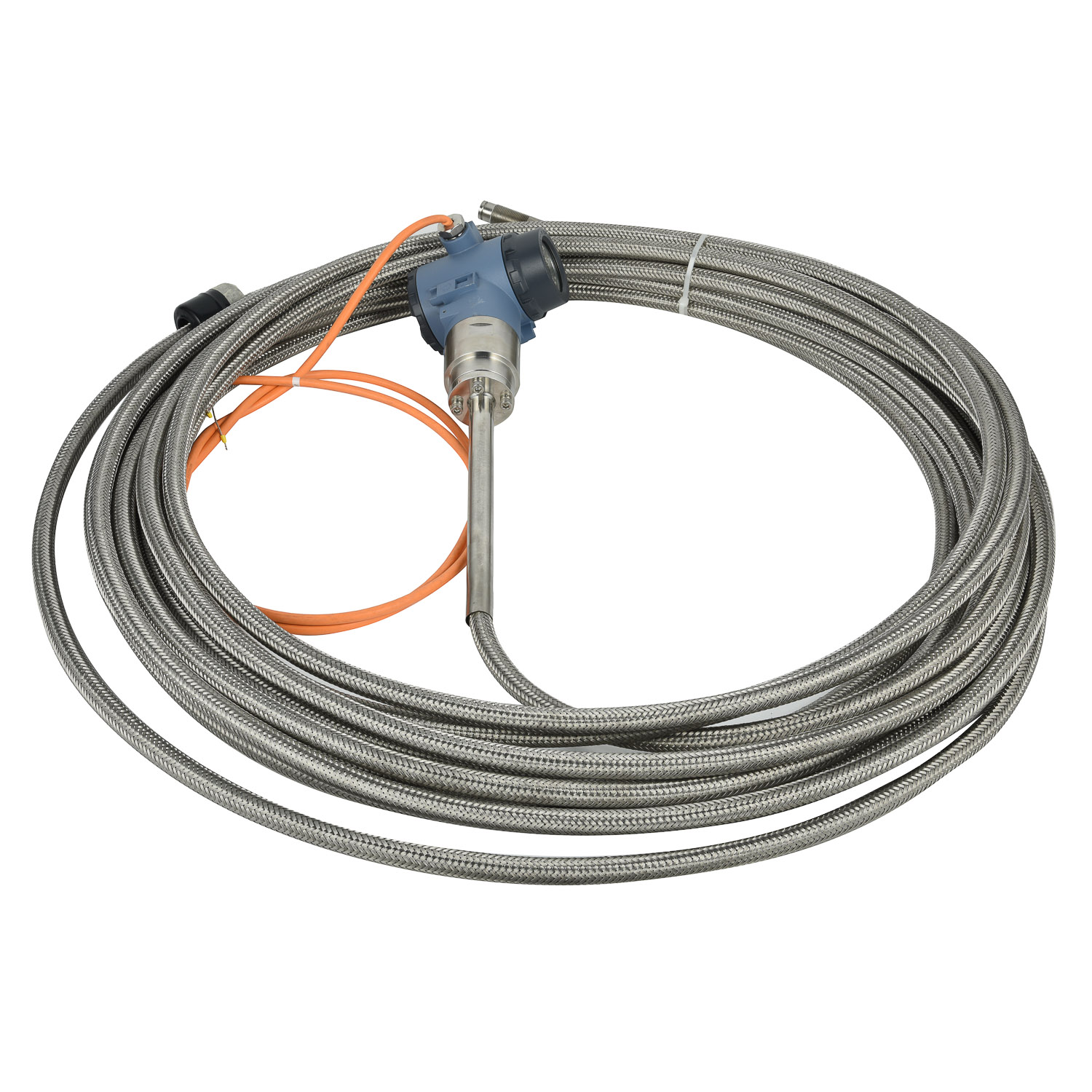
A smart factory is not just automated; it is connected. Magnetostrictive sensors are inherently digital devices, designed to integrate seamlessly with Programmable Logic Controllers (PLCs) and factory networks. They provide continuous, real-time data on the position and velocity of moving parts. This data stream is the lifeblood of the Industrial Internet of Things (IIoT), feeding supervisory control and data acquisition (SCADA) systems and manufacturing execution systems (MES). By converting mechanical movement into actionable digital information, these sensors form a critical bridge between the physical operation of machinery and the digital oversight that defines a smart factory.
Enhancing Efficiency and Predictive Maintenance
Beyond basic control, the data from magnetostrictive displacement sensors drives significant operational improvements. By monitoring the exact position and speed of components, these sensors help optimize machine cycles, reduce idle time, and maximize throughput. Furthermore, they are pivotal in advancing predictive maintenance strategies. By analyzing trends in positional data over time, the system can detect anomalies such as increased friction, misalignment, or wear in bearings and seals long before a catastrophic failure occurs. This allows for maintenance to be scheduled during planned downtime, preventing unplanned outages and reducing overall maintenance costs.
Ensuring Robustness in Demanding Industrial Environments
The shop floor can be a harsh environment, with exposure to vibration, temperature fluctuations, contaminants, and electromagnetic interference. Magnetostrictive sensors are engineered for this reality. With no physical contact between the sensing element and the magnet, they suffer no mechanical wear, ensuring long-term reliability and stability. Their robust construction, often featuring stainless steel housings, makes them immune to most industrial hazards, providing dependable service where other sensor technologies might fail. This resilience is essential for maintaining the continuous operation required in a modern smart factory.
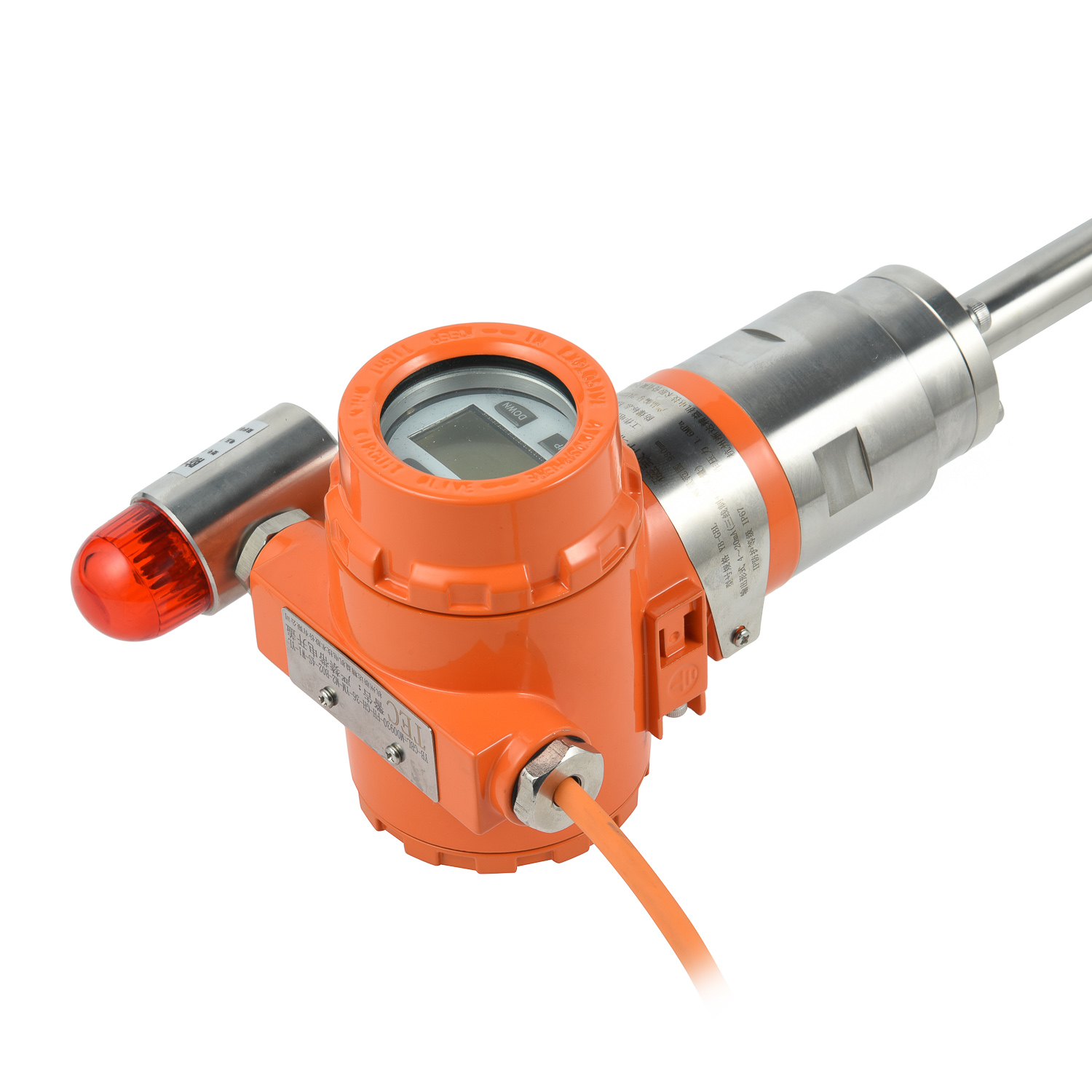 Intrinsically Safe Explosion-p
 Explosion-proof Magnetostricti
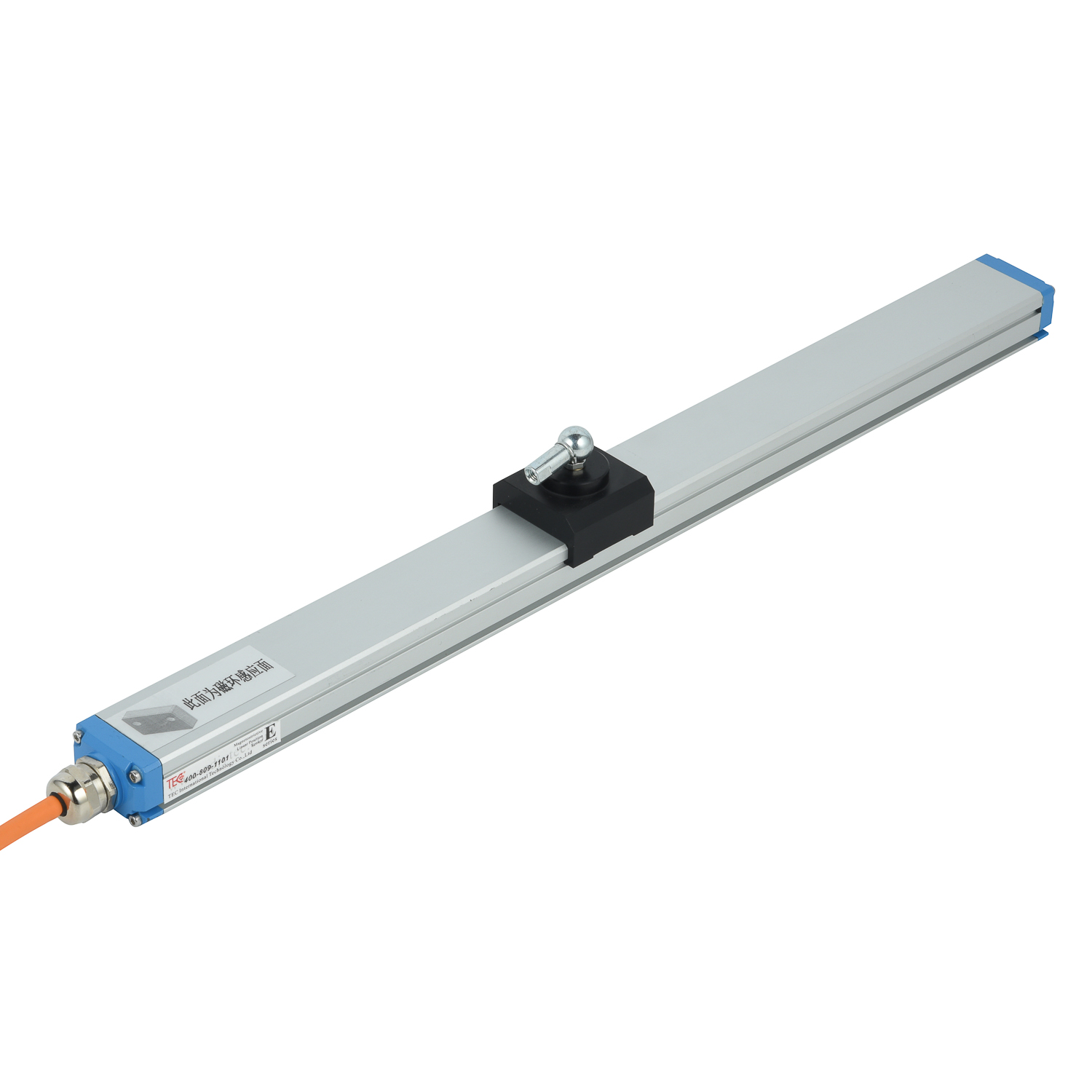 Magnetostrictive Displacement
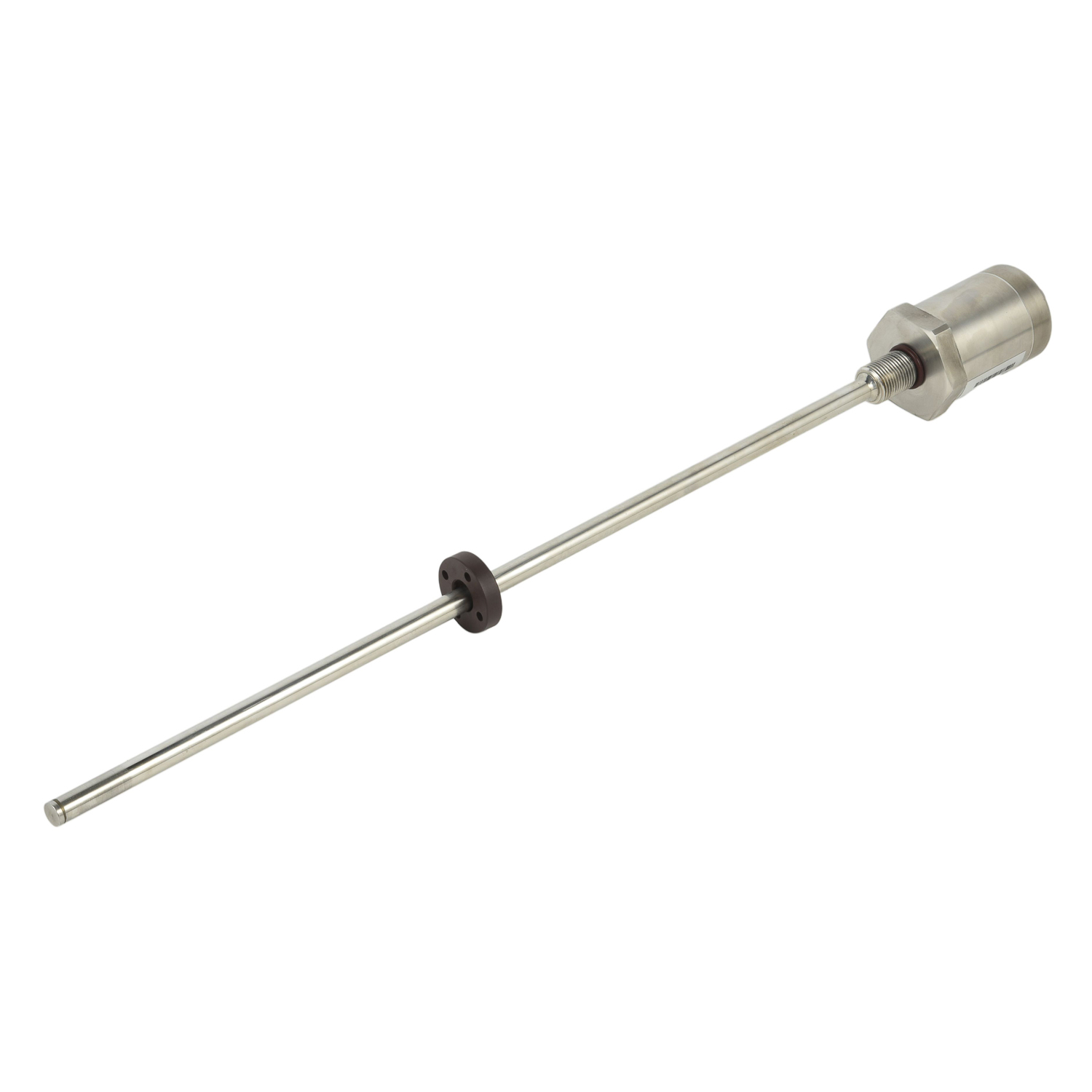 Mining High-temperature Electr