
What nuclear power applications benefit from magnetostrictive sensors?
Precision in the Heart of the Reactor: Core Internal Monitoring
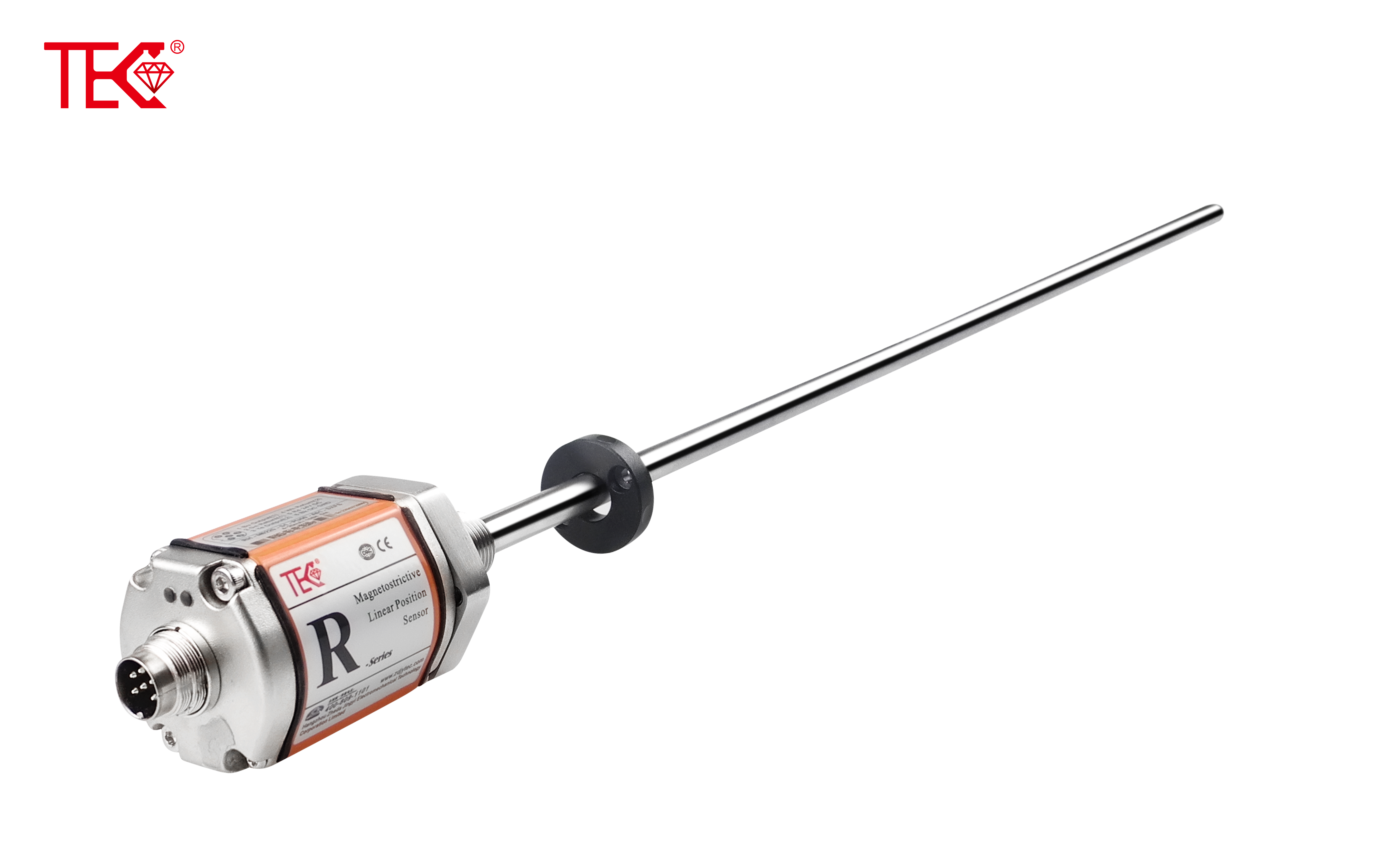
The extreme environment within a nuclear reactor core demands instrumentation of unparalleled reliability. Magnetostrictive sensors excel here, providing highly accurate, real-time data on the position of control rods. These rods are critical for managing the nuclear fission reaction, and their precise placement is paramount for both power control and emergency shutdowns. Unlike other technologies, magnetostrictive sensors are non-contact and immune to the intense radiation, temperature, and pressure inside the core. This allows for continuous, maintenance-free monitoring, ensuring reactor stability and preventing costly downtime. Their robust design guarantees long-term performance where failure is not an option.
Ensuring Safety-Critical Actuations: Valve and Actuator Position Sensing
Beyond the core, nuclear power plants rely on a complex network of valves and actuators for safety systems. Magnetostrictive sensors provide absolute position feedback for these components with exceptional repeatability. For instance, in safety relief valves or coolant flow control valves, knowing the exact valve stem position is crucial for executing safety protocols accurately. The technology's high resolution and fast response time enable plant operators to verify that commands have been carried out correctly, a fundamental requirement for mitigating accident scenarios. This precise feedback loop is a key contributor to the overall defensive-in-depth safety strategy of any nuclear facility.
Safeguarding Structural Integrity: Vibration and Health Monitoring
The long-term health of a nuclear power plant's infrastructure is vital for its operational lifespan and safety. Magnetostrictive sensors play a key role in structural health monitoring systems. They are used to measure vibrations in piping, pumps, and other critical components. By analyzing this vibration data, engineers can detect anomalies, such as imbalances or misalignments, long before they lead to significant damage or failure. This predictive maintenance approach, enabled by the durability and accuracy of magnetostrictive sensing, helps avoid unplanned outages and enhances the plant's overall safety culture by proactively identifying potential points of concern.
Optimizing Fuel Handling and Waste Management
The applications of magnetostrictive technology extend to fuel handling and waste management processes. In spent fuel pools or during fuel assembly transfer, precise positioning of robotic arms and cranes is essential to prevent damage to the highly radioactive fuel rods. Magnetostrictive linear position sensors provide the exact location feedback needed for these delicate operations. Similarly, in systems that process or store nuclear waste, these sensors ensure that automated handling equipment operates with precision, minimizing the risk of accidents and protecting personnel and the environment from radiation hazards.
The Future is Sensing: Advanced Reactor Designs
As the nuclear industry evolves towards advanced reactor designs, including Small Modular Reactors (SMRs) and Generation IV concepts, the demand for robust sensing technology will only grow. Magnetostrictive sensors are poised to be integral to these innovations. Their ability to provide reliable data in harsh conditions makes them ideal for the compact, highly automated systems of the future. They will be crucial for monitoring new coolants, advanced fuel cycles, and enhanced safety systems, solidifying their role as a cornerstone technology for safe, efficient, and next-generation nuclear power.
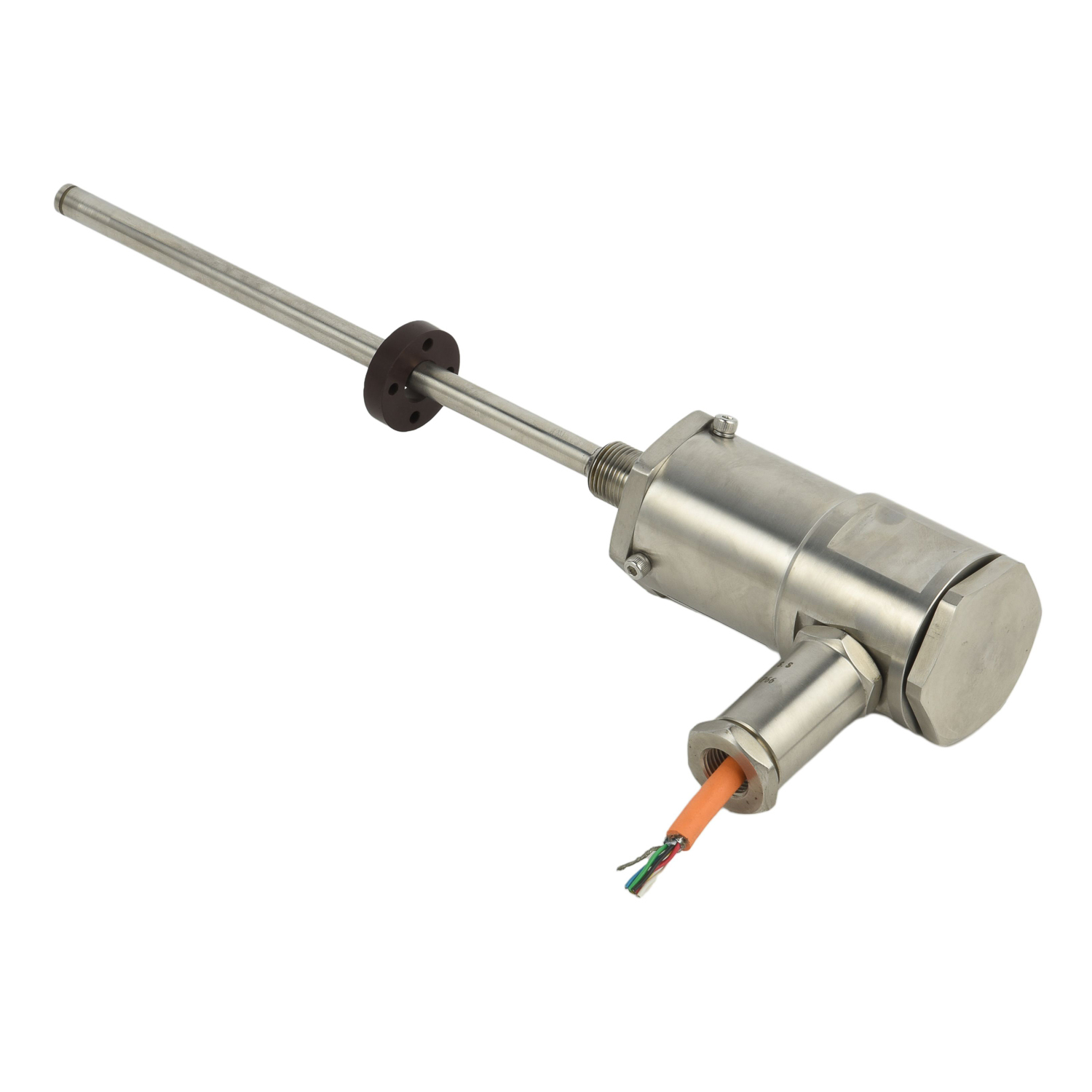 Waterproof Magnetostrictive Di
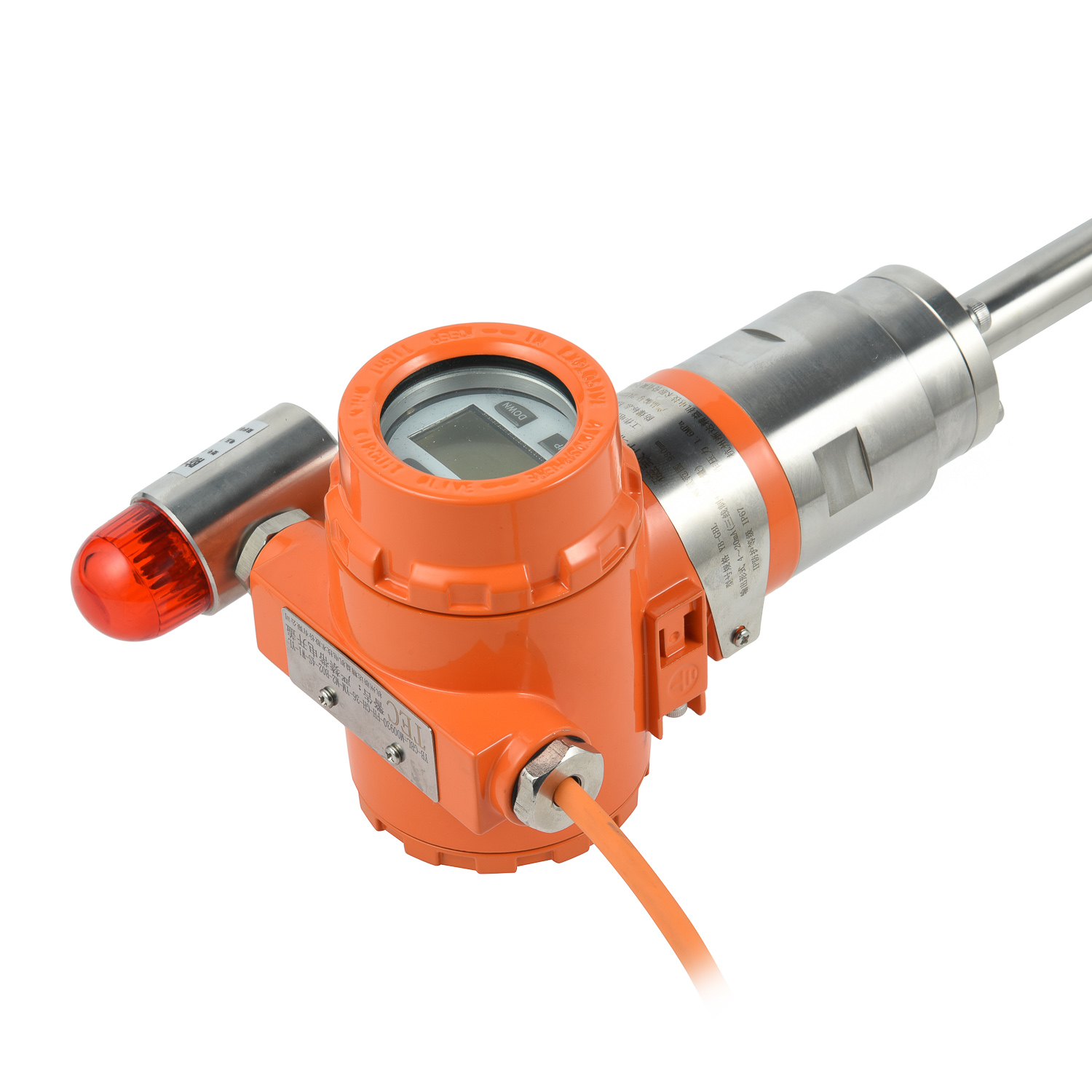 Intrinsically Safe Explosion-p
 Explosion-proof Magnetostricti
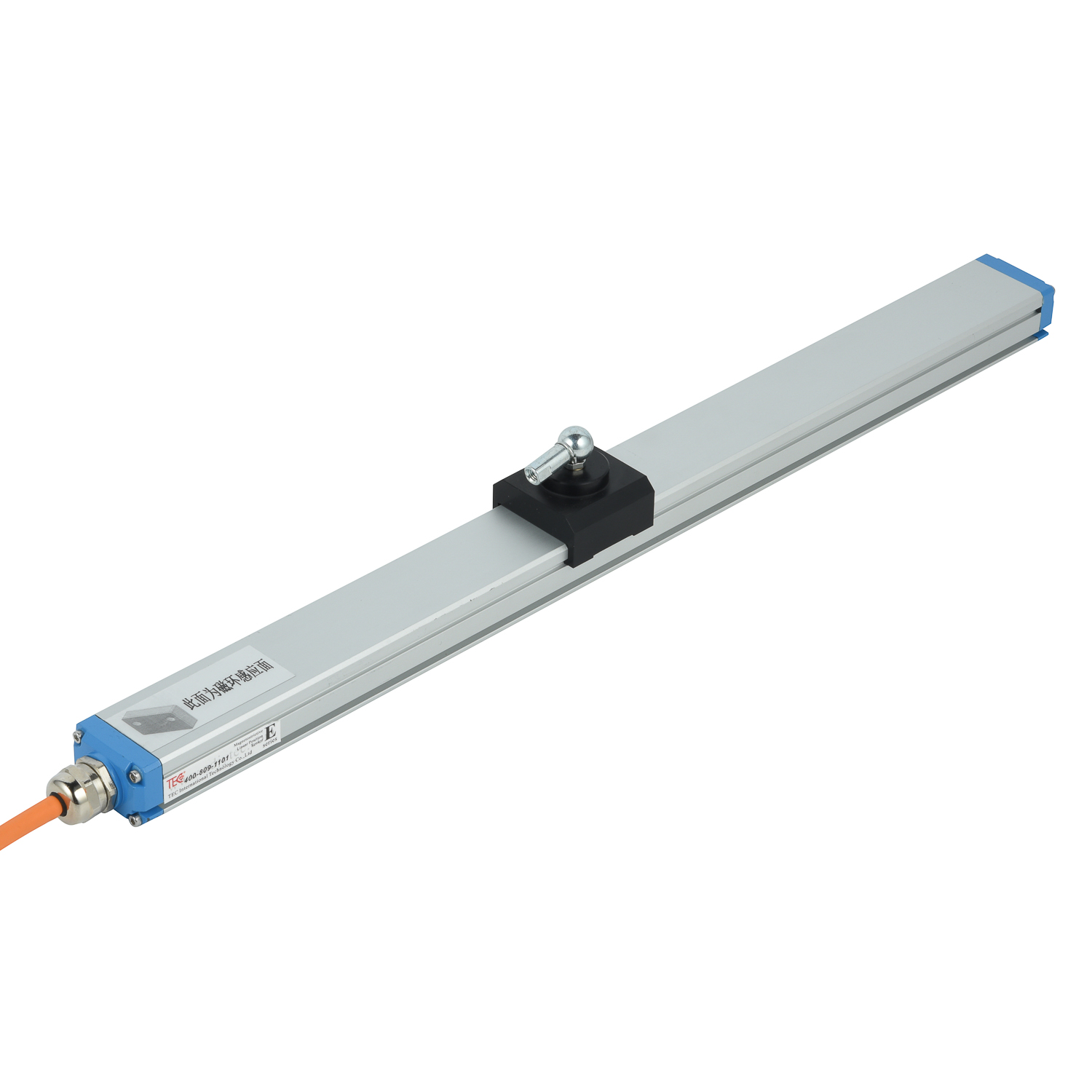 Magnetostrictive Displacement